
The bustling metropolises of Boston, Massachusetts, and New York City, New York, stand as two of America’s most iconic urban centers, each brimming with unique history, culture, and undeniable allure. Often considered essential stops on any East Coast itinerary, these cities frequently present a common question for travelers: “How far apart are they, and what’s the best way to bridge the distance?” Far from being a mere logistical query, understanding the journey between these two giants unlocks a world of travel possibilities, accommodation choices, and lifestyle experiences that cater to every type of explorer. Whether you’re a history buff drawn to Boston’s colonial past or a culture vulture eager to dive into the vibrant rhythm of the Big Apple, the route connecting them is an integral part of the adventure.
The Proximity and Practicalities: How Far is Boston to New York City?
Geographically, Boston and New York City are situated within the famed Northeast Corridor, a heavily populated and economically vital region of the United States. This proximity makes inter-city travel incredibly convenient, offering a diverse array of transportation options that cater to different budgets, time constraints, and preferences for comfort or scenic beauty.
The Direct Distance and Driving Routes
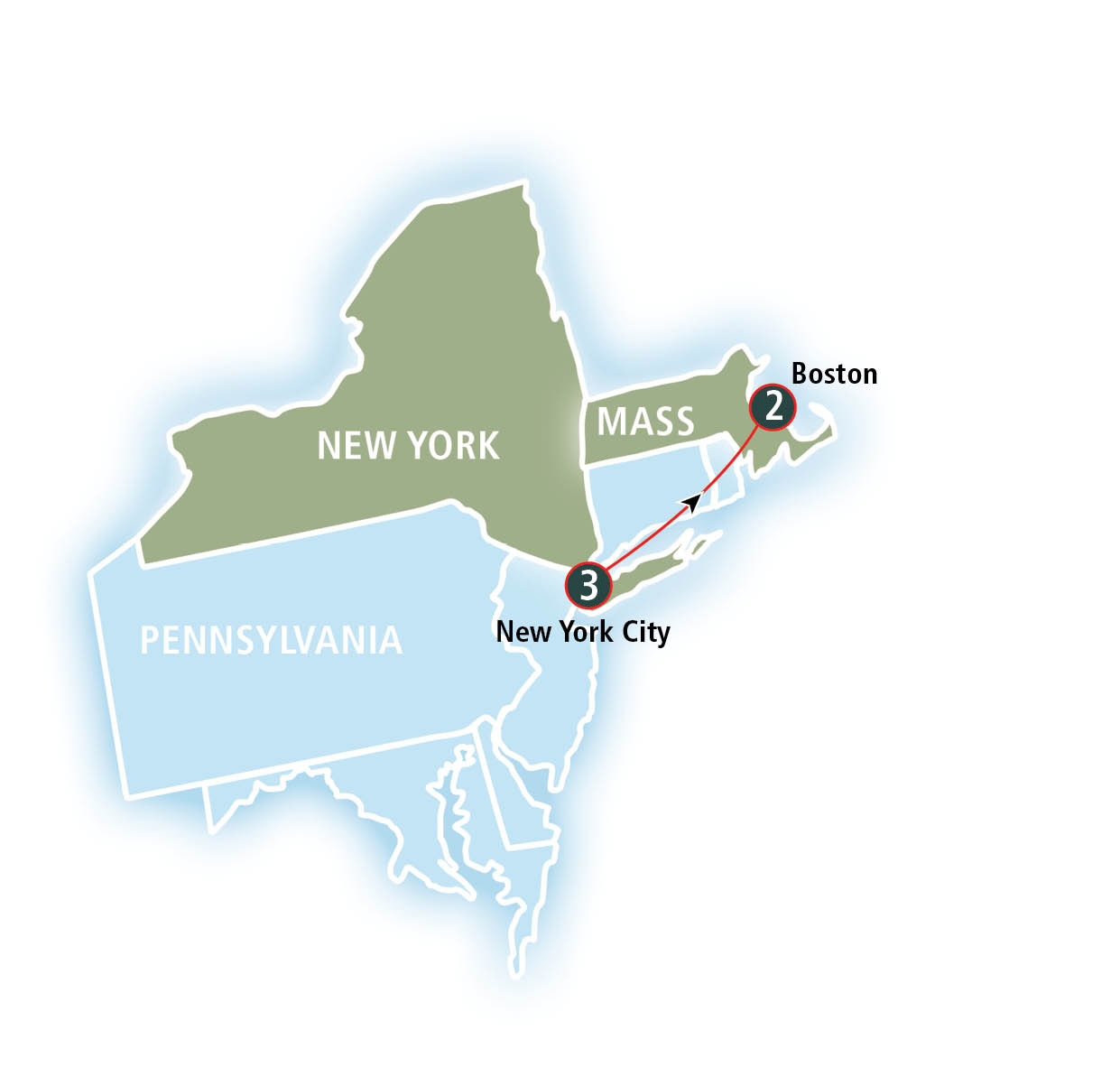
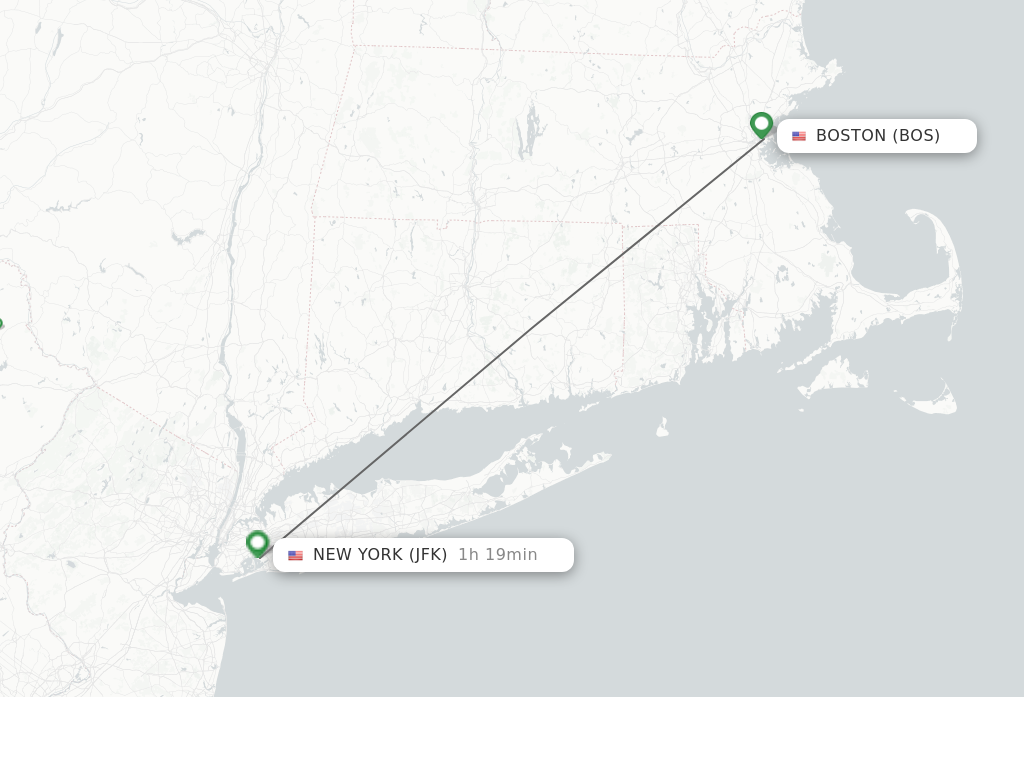
The direct, as-the-crow-flies distance between Boston and New York City is approximately 190 miles (306 kilometers). However, for practical travel purposes, especially by road, the distance extends slightly due to the winding nature of highways and the need to navigate urban areas.
The most common driving route covers approximately 215 to 220 miles (346 to 354 kilometers). This journey primarily follows Interstate 95 (I-95) South from Boston through Connecticut and into New York State. Depending on traffic conditions, which can be notoriously heavy, particularly around major cities like Providence, New Haven, and the approaches to New York City itself, the drive typically takes between 3.5 to 4.5 hours without significant stops. Factoring in potential rest breaks, meals, or unexpected delays, a five-hour journey is a more realistic estimate for planning purposes. Travelers should also account for tolls, which are common along this corridor, particularly on bridges and tunnels leading into New York City. These costs can add up, so having an E-ZPass transponder or being prepared for cash tolls is advisable.
Navigating the Northeast Corridor
The Northeast Corridor is not only a lifeline for road travelers but also a hub for sophisticated public transportation networks. This dense infrastructure means that while driving offers flexibility, it is by no means the only, or even necessarily the most efficient, option. The region boasts excellent rail services, comprehensive bus routes, and frequent short-haul flights, each presenting a distinct travel experience designed to connect these two major urban centers. Understanding these options is key to tailoring your journey to your specific travel style and priorities, whether you prioritize speed, cost, comfort, or simply want to avoid the stress of driving in heavy traffic.
A Journey Through Diverse Landscapes: Exploring Your Travel Options
The variety of transportation methods between Boston and New York City allows travelers to choose an option that best suits their itinerary, budget, and desired level of comfort. Each mode offers a unique perspective on the journey, from the freedom of the open road to the efficiency of high-speed rail.
Taking the Scenic Route: Driving Between Cities
Driving offers unparalleled flexibility, allowing travelers to set their own pace, make spontaneous stops, and explore smaller towns along the way. While the main route is I-95, alternative, slightly longer routes might offer more scenic views, particularly through Connecticut’s charming towns or along the coast. Renting a car also becomes an attractive option for those planning to extend their trip to other destinations outside the immediate urban centers. However, drivers must contend with traffic congestion, especially during peak hours and holidays, as well as the high cost and scarcity of parking in both Boston and New York City. For a more relaxed drive, consider departing early in the morning or late in the evening to avoid rush hour. For families or groups with a lot of luggage, driving can be the most practical solution, providing door-to-door convenience once you’ve navigated urban parking challenges.
The Efficiency of Rail Travel: Amtrak’s Northeast Regional and Acela Express
For many, train travel is the preferred way to navigate the Northeast Corridor. Amtrak operates frequent services between Boston’s South Station and New York City’s Moynihan Train Hall (adjacent to Penn Station).
- Northeast Regional: This service is a popular choice, offering comfortable seating, Wi-Fi, and a cafe car. The journey typically takes around 4 hours, making it comparable to driving without the stress of traffic or parking. It makes more stops, allowing passengers to experience several towns along the route.
- Acela Express: As America’s only high-speed rail service, the Acela Express significantly reduces travel time, completing the journey in approximately 3.5 hours. It offers a more premium experience with larger seats, power outlets, and a quieter environment, often preferred by business travelers. However, tickets are generally more expensive than the Northeast Regional.
Both Amtrak services provide a comfortable and often scenic journey, allowing passengers to relax, work, or enjoy the passing landscapes without the constant vigilance required when driving. The convenience of arriving directly in downtown New York City is a significant advantage, bypassing airport transfers or long drives into the city center.
Budget-Friendly Bus Services: Greyhound, Peter Pan, and More
Bus travel is consistently the most economical option for traveling between Boston and New York City. Several reputable bus companies operate frequent routes, including Greyhound, Peter Pan Bus Lines, FlixBus, and Megabus.
- Cost-Effective: Tickets can be remarkably cheap, especially when booked in advance, making them ideal for budget travelers or students.
- Duration: The journey typically ranges from 4 to 5.5 hours, largely dependent on traffic and the number of stops.
- Comfort: Modern buses usually offer amenities such as Wi-Fi, power outlets, and reclining seats, though comfort levels can vary between operators and specific buses.
Bus stations are centrally located in both cities, making them easily accessible via public transport. While not as fast as the Acela or as private as driving, bus services provide a reliable and accessible option for connecting these two major destinations.
Quick Commute by Air: Flights Between Logan and LaGuardia/JFK
For those prioritizing speed above all else, flying is the fastest way to get between Boston and New York City. Numerous daily flights connect Boston Logan International Airport (BOS) with New York City’s three major airports: LaGuardia Airport (LGA), John F. Kennedy International Airport (JFK), and Newark Liberty International Airport (EWR).
- Flight Time: The actual flight time is incredibly short, often around 1 hour.
- Total Travel Time: However, when you factor in travel to and from airports, security checks, boarding, and potential delays, the total elapsed time can easily rival or even exceed train travel, often taking 3-4 hours door-to-door.
- Cost: Airfare can vary wildly, sometimes being competitively priced with Amtrak if booked far in advance, but it can also be significantly more expensive, especially for last-minute bookings.
Given the efficiency of ground transportation in the Northeast Corridor, flying is often only a clear winner for those connecting to further flights or for whom every minute saved is critical, such as business travelers with very tight schedules.
Unlocking the Charms of Two Iconic Destinations
Beyond the logistics of travel, the true joy of connecting Boston and New York City lies in experiencing the distinct personalities of each. Both cities offer an overwhelming abundance of landmarks, cultural institutions, culinary experiences, and unique lifestyles.
Discovering Boston: History, Culture, and Culinary Delights
Boston, often called the “Cradle of Liberty,” is a city where history breathes. A leisurely walk along the Freedom Trail transports visitors back to the American Revolution, passing significant sites like the Paul Revere House, Faneuil Hall Marketplace, and the site of the Boston Massacre. Sports enthusiasts flock to Fenway Park, home of the Boston Red Sox, while art lovers can lose themselves in the vast collections of the Museum of Fine Arts or the Isabella Stewart Gardner Museum.
The city’s academic prestige is evident in institutions like Harvard University and the Massachusetts Institute of Technology (MIT), offering beautiful campuses for exploration. Boston’s culinary scene ranges from classic New England seafood, like clam chowder and lobster rolls, to innovative fine dining in neighborhoods like the North End, Boston’s historic Italian quarter. The city’s walkable layout, abundant green spaces like the Boston Common and Public Garden, and charming cobblestone streets contribute to its unique appeal, blending historic reverence with a vibrant modern lifestyle.
Experiencing New York City: The Metropolis That Never Sleeps
Just a few hours south, New York City explodes with an energy unlike anywhere else. This global hub offers an unparalleled array of experiences. Iconic landmarks such as the Statue of Liberty, Empire State Building, and the neon glow of Times Square are must-sees for any first-time visitor. The city’s cultural tapestry is woven through its world-class museums, including the Metropolitan Museum of Art, the Museum of Modern Art (MoMA), and the thought-provoking 9/11 Memorial & Museum.
No visit to New York City is complete without experiencing the magic of a Broadway show, strolling through the expansive Central Park, or walking across the majestic Brooklyn Bridge for stunning skyline views. From the high-fashion boutiques of Fifth Avenue to the eclectic independent shops of Greenwich Village, shopping opportunities abound. The culinary scene is a universe unto itself, with every imaginable cuisine available, from Michelin-starred restaurants to diverse street food vendors. New York City truly offers a lifestyle for everyone, whether you’re seeking luxury, budget-friendly adventures, or a family-focused trip.
Crafting Your Stay: Accommodation and Lifestyle Choices
When planning a trip between Boston and New York City, where you stay is just as important as how you travel. Both cities offer an extensive range of accommodation options, catering to every preference, from opulent luxury to practical budget stays. Understanding these choices is crucial for tailoring your overall travel experience.
From Luxury Suites to Boutique Stays: Hotels in Boston
Boston’s lodging landscape is rich and varied. For those seeking luxury, historic hotels like the Omni Parker House or modern upscale establishments such as the Four Seasons Hotel Boston offer exquisite suites, world-class amenities, and prime locations near attractions like Boston Common. Boutique hotels in neighborhoods like the South End or Beacon Hill provide a more intimate and personalized experience, often featuring unique design and local charm.
Mid-range options are plentiful around the Back Bay and Waterfront districts, offering comfortable rooms and convenient access to public transportation and dining. Budget-conscious travelers can find value in hotels further outside the city center, often with easy access to the MBTA (Boston’s subway system), or consider booking apartments or guesthouses for a more local feel. The choice of accommodation in Boston significantly impacts the lifestyle aspect of your visit, whether you’re indulging in opulent comfort or seeking an authentic, neighborhood-based experience.
Diverse Lodging in NYC: Resorts, Apartments, and Budget-Friendly Options
New York City’s sheer size and constant influx of visitors mean its accommodation market is incredibly diverse. Luxury travelers will find an abundance of five-star hotels, including iconic names like The Plaza Hotel overlooking Central Park, the sophisticated St. Regis New York, or the trendy Standard High Line in the Meatpacking District. While true “resorts” in the traditional sense are rare within Manhattan, many luxury hotels offer resort-like amenities such as spas, fine dining, and extensive concierge services.
Beyond the ultra-luxurious, New York City offers a vast selection of mid-range hotels across all boroughs, from Times Square to Lower Manhattan and into Brooklyn. For those planning a longer stay or seeking a more home-like environment, serviced apartments and extended-stay hotels are excellent options. Budget travelers can explore hostels, smaller hotels in outer boroughs like Queens or Brooklyn that are well-connected by subway, or even consider vacation rentals (though legal restrictions apply to short-term rentals in NYC). The key to successful accommodation in New York City is to book well in advance, especially during peak seasons, and to consider the convenience of public transportation to your preferred attractions.
Tailoring Your Trip: Budget, Family, or Business Travel
The choices available for travel and accommodation directly influence the type of trip you can craft:
- Luxury Travel: Opt for Acela Express train tickets or premium flights, coupled with stays at five-star hotels, gourmet dining experiences, and private tours.
- Budget Travel: Buses offer the most cost-effective transportation. Look for hostels, budget hotels, or guesthouses, and explore free attractions like parks and walking tours. Dining at local delis and food trucks can keep costs down.
- Family Trips: Driving provides the most space for luggage and flexibility for stops, though flying can save time. Choose hotels with family suites or consider booking an apartment. Plan activities that appeal to all ages, from museums to outdoor parks.
- Business Stays: The Acela Express or short flights are ideal for speed. Select hotels with business amenities like meeting rooms, high-speed Wi-Fi, and executive lounges. Location near business districts is often a priority.
Essential Tips for Seamless Travel
Making the journey between Boston and New York City smooth and enjoyable requires a bit of planning, irrespective of your chosen mode of transport or lifestyle preference.
Best Time to Visit and Booking Strategies
The best time to visit both Boston and New York City largely depends on your interests. Spring (April-May) and Fall (September-October) offer pleasant weather, vibrant foliage in the fall, and fewer crowds than the peak summer months. Winter, while cold, brings festive holiday decorations in New York City and potentially lower prices for hotels and flights, though snow can occasionally impact travel plans.
- Booking in Advance: For all modes of transportation, and especially for hotels, booking several weeks or even months in advance is highly recommended, particularly if traveling during peak season, holidays, or major events (like the Boston Marathon or New York Fashion Week). This secures better prices and ensures availability.
- Flexibility: If your schedule allows, consider traveling on weekdays rather than weekends, and during off-peak hours for trains and buses, as this often results in lower fares and less crowded conditions.
- Price Comparison: Utilize online travel aggregators and direct booking sites to compare prices across different airlines, bus companies, and Amtrak services. Don’t forget to check hotel comparison sites for the best accommodation deals.
Maximizing Your Experience: Itinerary Planning and Local Insights
To make the most of your journey and time in both cities, a well-thought-out itinerary is invaluable.
- Combine Experiences: Consider splitting your trip, perhaps spending 2-3 days in Boston to immerse yourself in history, followed by 3-5 days in New York City for its boundless energy. This allows for a delightful contrast of urban experiences.
- Public Transportation: Both cities boast excellent public transportation systems (MBTA in Boston, MTA subway and buses in NYC). Familiarize yourself with them; they are the most efficient ways to get around within the cities and save on taxi fares. Consider purchasing multi-day passes if you plan extensive use.
- Local Culture and Food: Dive deep into the local culture. In Boston, try the cannolis in the North End or visit a local pub. In New York City, sample diverse ethnic cuisines in neighborhoods like Flushing or the Lower East Side, catch an off-Broadway show, or simply people-watch in a bustling park.
- Travel Light: Especially if using public transport or changing accommodations frequently, try to pack efficiently. Many hotels offer luggage storage if you arrive before check-in or depart after check-out.
The journey between Boston and New York City is more than just covering a geographical distance; it’s an opportunity to connect with two distinct yet equally captivating facets of American urban life. With thoughtful planning and an open mind, travelers can seamlessly bridge the miles and embark on an unforgettable adventure through the heart of the Northeast.
LifeOutOfTheBox is a participant in the Amazon Services LLC Associates Program, an affiliate advertising program designed to provide a means for sites to earn advertising fees by advertising and linking to Amazon.com. Amazon, the Amazon logo, AmazonSupply, and the AmazonSupply logo are trademarks of Amazon.com, Inc. or its affiliates. As an Amazon Associate we earn affiliate commissions from qualifying purchases.