
The journey between Boston, the historic capital of Massachusetts, and New York, the vibrant epicenter of culture and commerce, is one of the most frequently traversed routes in the Northeast United States. Whether for business, leisure, or visiting loved ones, understanding the distance and various travel options is crucial for a smooth and efficient trip. This article delves into the geographic realities, transportation choices, and essential planning considerations to help you navigate the iconic corridor between these two indispensable American cities. Far more than just a question of miles, the journey offers a spectrum of experiences, each defined by speed, comfort, cost, and the picturesque landscapes that unfold along the way.
The Geographic Reality: Unpacking the Distance
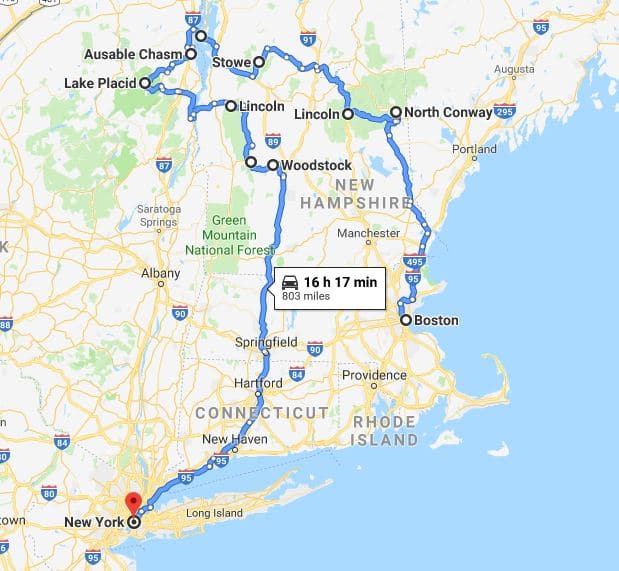
Before embarking on any trip, the fundamental question revolves around the distance to be covered. While a straight line might offer a theoretical measurement, practical travel always involves a longer, more winding path.
Straight-Line vs. Driving Distance
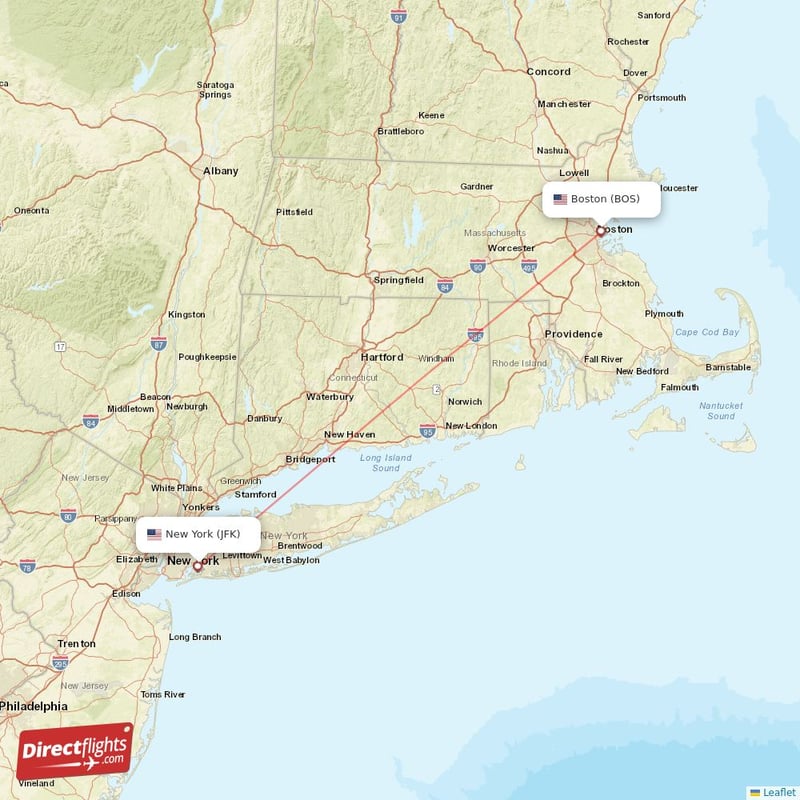
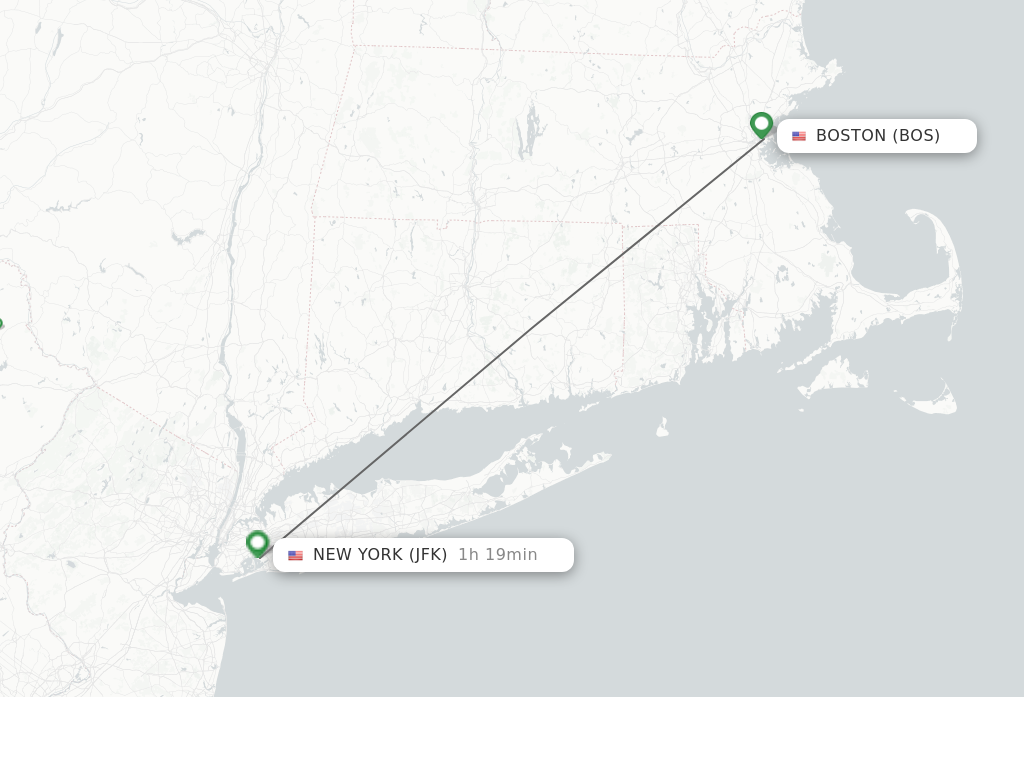
The straight-line or “as the crow flies” distance between Boston and New York City is approximately 190 miles (around 306 kilometers). This figure is useful for understanding the general proximity but bears little resemblance to the actual distance one covers by road, rail, or air.
When traveling by road, the distance is significantly longer. Depending on the specific route taken and the exact start and end points within each metropolitan area, the driving distance typically ranges from 210 to 220 miles (338 to 354 kilometers). This variance accounts for different highways, bypasses, and urban congestion. The primary routes often involve stretches of Interstate 95 (I-95), which connects major cities along the East Coast.
Key Factors Influencing Travel Time
The actual time it takes to travel between Boston and New York is influenced by a multitude of factors beyond just the raw mileage.
- Traffic Congestion: This is arguably the most significant variable, especially when traveling by road. Both Boston and New York City are notorious for heavy traffic, particularly during peak commuting hours (early morning and late afternoon/early evening) and on holiday weekends. Delays can easily add an hour or more to a journey.
- Mode of Transportation: As we will explore, different modes of transport have inherent speed differences and distinct operational constraints.
- Route Choice: Minor deviations in driving routes can impact distance and encounter different levels of traffic. For instance, choosing the Merritt Parkway in Connecticut instead of I-95 can offer a more scenic drive but might have different speed limits and traffic patterns.
- Stops and Breaks: For longer journeys, planned or unplanned stops for fuel, food, or rest can extend the total travel time.
- Weather Conditions: Rain, snow, or even dense fog can significantly slow down travel, particularly for drivers and buses, impacting visibility and road conditions.
Considering these variables, a journey that covers just over 200 miles can take anywhere from a swift 3.5 hours to a grueling 7 hours or more, depending on the chosen method and prevailing conditions.
Navigating the Journey: Modes of Transportation
Travelers between Boston and New York are spoiled for choice, with various transportation options catering to different preferences for speed, cost, and comfort. Each mode presents its own set of advantages and disadvantages.
Driving: Flexibility and Scenic Routes
Driving is a popular choice for many, offering unparalleled flexibility and the ability to travel on your own schedule. The typical driving time, without significant traffic, ranges from 3.5 to 4.5 hours.
- Pros:
- Freedom and Flexibility: You control your departure time, route, and can make stops whenever and wherever you desire.
- Luggage Capacity: Ideal for travelers with significant luggage or those carrying items that might be cumbersome on public transport.
- Scenic Detours: Options like the Merritt Parkway offer a more picturesque drive compared to the constant hustle of I-95.
- Cons:
- Traffic Congestion: The most significant drawback. Expect delays, especially around major cities and during peak hours.
- Tolls: The journey involves multiple tolls, particularly on the Massachusetts Turnpike (I-90) and various bridges/tunnels approaching New York City.
- Parking: Finding and paying for parking in both Boston and New York City can be expensive and challenging.
- Wear and Tear: The stress of driving in heavy traffic can be considerable.
- Tips for Drivers: Depart very early in the morning (before 6 AM) or late in the evening to avoid peak traffic. Utilize navigation apps that provide real-time traffic updates. Consider carpooling to split costs.
Train Travel: Comfort and Convenience
Amtrak offers a comfortable and efficient way to travel between the two cities, connecting Boston’s South Station directly to New York’s Penn Station.
- Services:
- Acela Express: The high-speed service, offering fewer stops and a quicker journey. Travel time is typically around 3.5 to 3.75 hours.
- Northeast Regional: A more economical option with more stops, usually taking 4 to 4.5 hours.
- Pros:
- Traffic-Free: Unaffected by road congestion, providing reliable travel times.
- City-Center to City-Center: Arrives and departs from central locations, minimizing the need for additional transfers within cities.
- Comfort: Spacious seating, Wi-Fi, power outlets, and a cafe car allow for productive work or relaxed enjoyment.
- Scenic Views: Offers pleasant views of the Northeast landscape.
- Cons:
- Cost: Acela tickets can be quite expensive, especially if booked last minute.
- Less Flexible: Tied to fixed schedules, though frequent departures offer reasonable options.
- Luggage Restrictions: While generous, there are limits compared to a private car.
- Tips for Train Travel: Book tickets in advance, especially for Acela or during peak travel seasons, to secure better prices. Consider off-peak travel times for potentially lower fares.
Bus Services: Budget-Friendly and Accessible
Bus travel is the most economical option, with several companies operating frequent services between Boston and New York. Key operators include Peter Pan Bus Lines, Greyhound, and FlixBus.
- Estimated Travel Time: Typically ranges from 4 to 5.5 hours, heavily dependent on traffic.
- Pros:
- Affordability: Usually the cheapest mode of transport.
- Frequency: Many daily departures, offering flexibility in timing.
- Convenience: Multiple pickup and drop-off points in both cities.
- Cons:
- Subject to Traffic: Buses are on the road and therefore affected by congestion, potentially leading to delays.
- Comfort: While modern buses offer amenities like Wi-Fi and power outlets, seating can be less spacious than trains.
- Longest Travel Time: Generally the slowest option, especially during busy periods.
- Tips for Bus Travel: Book online for the best rates. Pack snacks and entertainment for the journey. Choose early morning departures to avoid some of the worst traffic.
Flying: The Fastest, But Not Always
While the flight itself is the quickest segment of the journey, air travel between Boston and New York often proves to be the least efficient option when considering total travel time.
- Flight Duration: The actual flight time is only about 1 hour.
- Airports:
- Boston: Logan International Airport (BOS).
- New York: LaGuardia Airport (LGA), JFK International Airport (JFK), and Newark Liberty International Airport (EWR).
- Pros:
- Short Flight: The time spent in the air is minimal.
- Cons:
- Total Travel Time: Factor in travel to/from airports (which are often outside city centers), check-in, security, potential delays, and baggage claim. This easily adds 2-3 hours on each end, making the total door-to-door time comparable to or even longer than train or bus travel (4-6 hours).
- Cost: Flights can be expensive, especially when considering additional fees for baggage.
- Environmental Impact: Air travel has a higher carbon footprint compared to other modes.
- Tips for Flying: Only consider flying if you have specific reasons, such as connecting to another flight. Choose airports closest to your final destination to minimize ground travel.
Planning Your Trip: Essential Considerations
Effective trip planning involves more than just picking a mode of transport; it requires consideration of timing, budget, and personal comfort.
Best Time to Travel
The timing of your journey can significantly impact the experience:
- Seasonal Considerations: Fall offers stunning foliage, making driving and train travel particularly scenic. Summer is peak tourist season, leading to higher prices and more crowds. Winter can bring snow and ice, potentially delaying all forms of transport.
- Weekday vs. Weekend: Mid-week travel (Tuesday-Thursday) often sees less traffic and potentially lower fares for trains and buses compared to Fridays and Sundays, which are peak travel days.
- Avoiding Peak Hours: For road and bus travel, avoid departing or arriving during morning (7 AM – 9 AM) and evening (4 PM – 7 PM) rush hours in both metropolitan areas.
Budgeting Your Journey
The cost of travel varies widely:
- Buses: Generally the most budget-friendly, often with tickets as low as $15-$30 one-way if booked in advance.
- Trains: Northeast Regional tickets can range from $30-$60, while Acela Express can easily be $70-$150+ one-way.
- Driving: Factor in fuel costs (around $30-$40 for a one-way trip, depending on vehicle and gas prices), tolls (approximately $10-$20 one-way), and parking in the destination city (potentially $30-$60+ per day).
- Flights: Can range from $80 to $200+ for a round trip, not including baggage fees or ground transportation to/from airports.
Luggage and Comfort
Your choice of transport should also align with your luggage needs and desired comfort level:
- Heavy Luggage: Driving offers the most flexibility. Trains allow for a reasonable amount of luggage, often with overhead bins and dedicated storage. Buses have under-bus storage but might have weight or size restrictions. Flying will incur extra baggage fees.
- Comfort: Trains generally offer the most spacious and comfortable seating experience, followed by private cars. Buses can be less comfortable for longer durations, and planes offer limited personal space during the flight.
Beyond the Miles: Making the Most of Your Journey
The journey between Boston and New York is more than just covering distance; it’s an opportunity to connect two incredible cultural hubs.
Why Travel Between Boston and New York?
These two cities are intertwined by history, economy, and culture. Many travel between them for:
- Business: Both are major financial and innovation centers, hosting countless conferences, meetings, and corporate activities.
- Leisure: Tourists often combine trips to experience the historical richness of Boston (like the Freedom Trail, Fenway Park) with the unparalleled entertainment and iconic landmarks of New York (Times Square, Central Park, Statue of Liberty).
- Visiting Friends and Family: The proximity makes it a popular route for personal visits.
- Education and Events: Both cities host world-renowned universities, cultural events, and sporting spectacles.
Enhancing Your Travel Experience
Regardless of your chosen mode, a few tips can enhance your journey:
- Stay Connected: Utilize onboard Wi-Fi (if available) or mobile hotspots to stay productive or entertained.
- Enjoy the Scenery: Especially on the train, take time to look out the window and appreciate the diverse landscapes, from coastal views to quaint New England towns.
- Pack Smart: Bring snacks, a water bottle, a good book, or download movies/podcasts to pass the time. A neck pillow and eye mask can significantly improve comfort, particularly on longer bus or train rides.
- Plan Your Arrival: Research local transportation options from your arrival station/airport to your final destination in Boston or New York beforehand to ensure a seamless transition.
In conclusion, the distance from Boston to New York is relatively modest, typically around 210-220 miles by road. However, the time and experience of covering this distance can vary dramatically based on the mode of transportation chosen. From the speed and convenience of the Acela Express to the flexibility of driving or the economy of bus travel, each option presents a unique set of trade-offs. By carefully considering your priorities—whether it’s cost, time, comfort, or convenience—you can select the ideal way to traverse this dynamic corridor and make your journey between these two magnificent cities as enjoyable as the destinations themselves.
LifeOutOfTheBox is a participant in the Amazon Services LLC Associates Program, an affiliate advertising program designed to provide a means for sites to earn advertising fees by advertising and linking to Amazon.com. Amazon, the Amazon logo, AmazonSupply, and the AmazonSupply logo are trademarks of Amazon.com, Inc. or its affiliates. As an Amazon Associate we earn affiliate commissions from qualifying purchases.