
Embarking on a journey through the scenic Front Range Urban Corridor of Colorado often involves navigating between its two most vibrant cities: Denver, the bustling Mile-High City, and Boulder, the picturesque mountain town at the foothills of the [Rocky Mountains](https://lifeoutofthebox. Whether you’re a first-time visitor curious about the region’s geography, a business traveler planning logistics, or a local looking for a weekend escape, understanding the distance and travel options between these distinct destinations is key to a seamless travel experience. This comprehensive guide delves into every aspect of this popular route, offering insights into travel, accommodation, tourism, and lifestyle choices to make your adventure truly unforgettable.

The Proximity: Distance and Travel Time
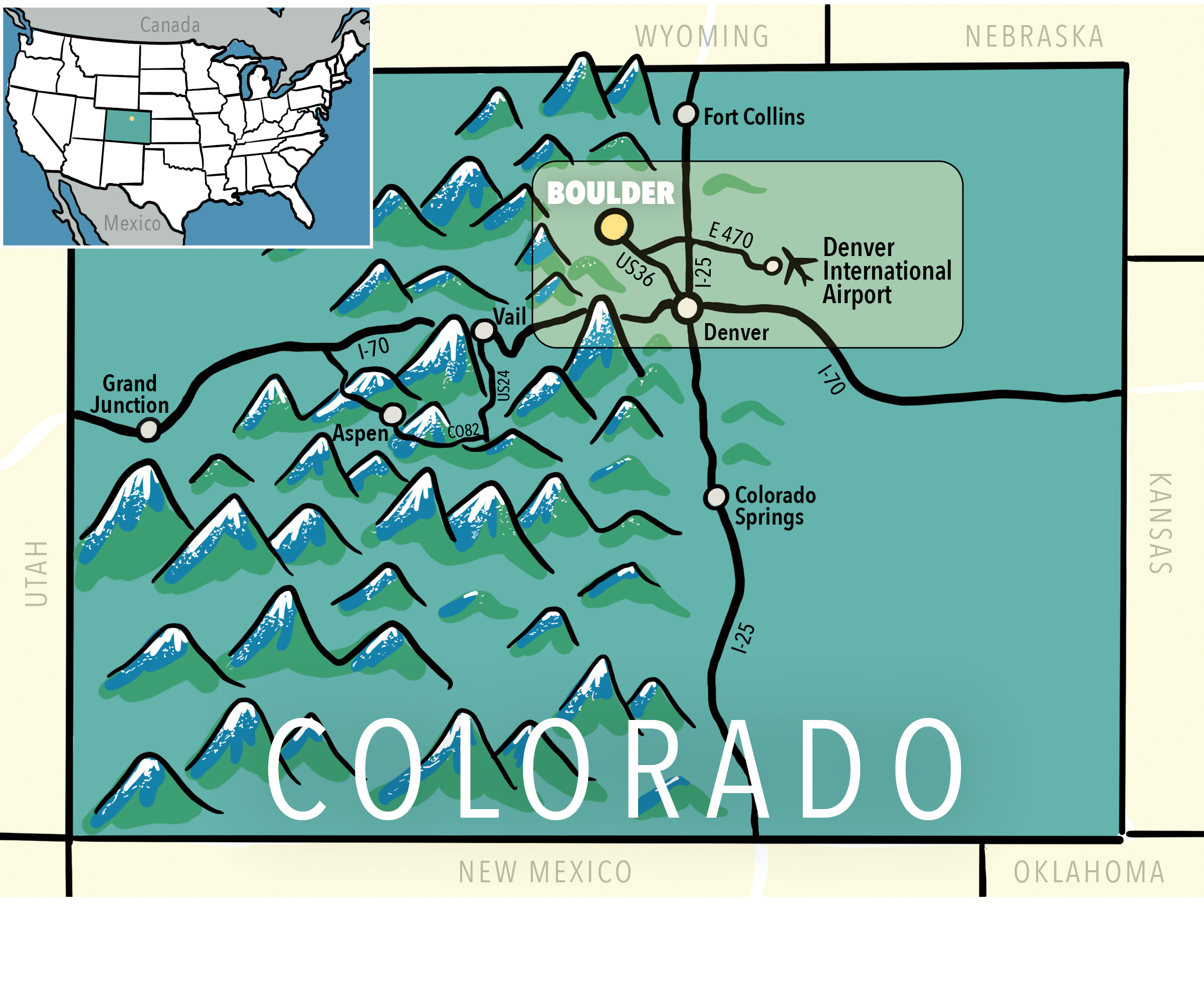
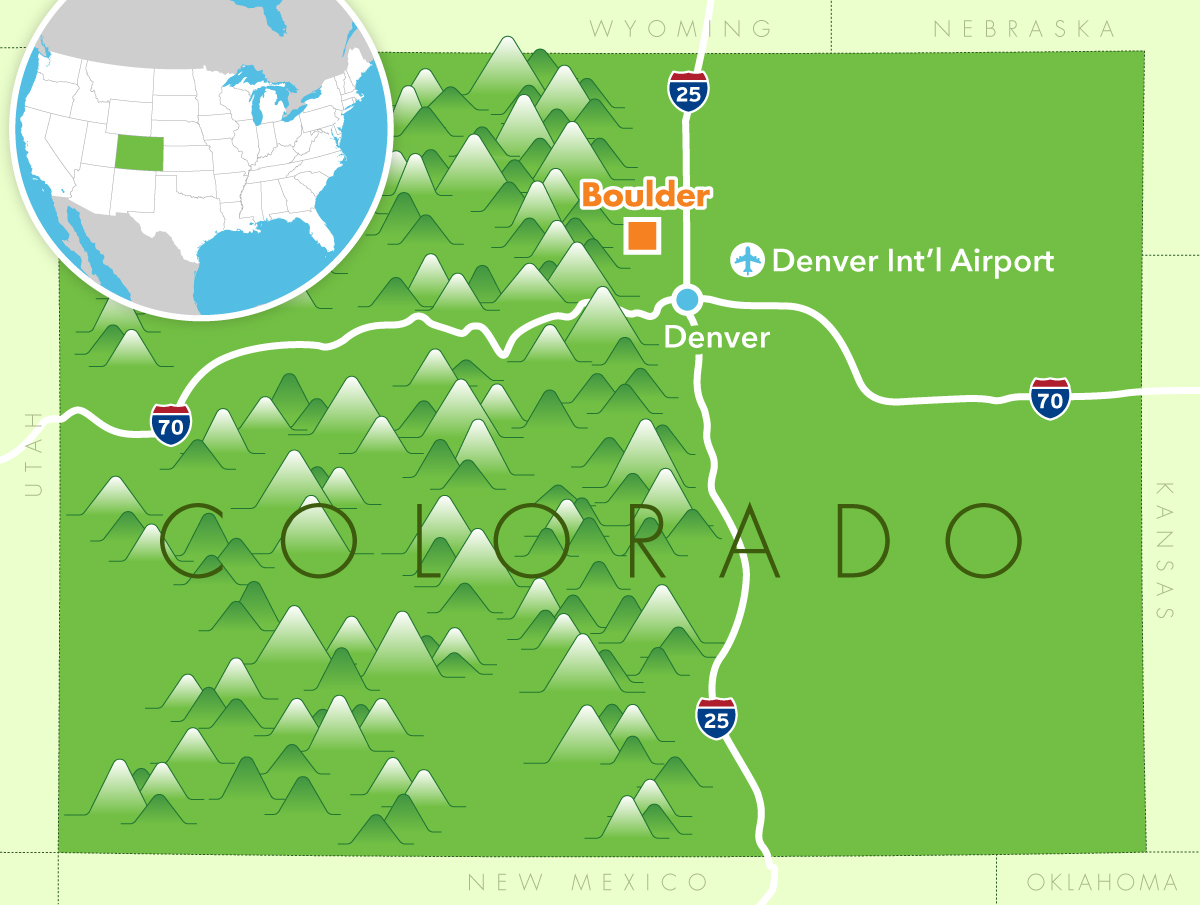
The geographic relationship between Boulder and Denver is one of convenient proximity, making day trips or multi-city itineraries easily manageable. Situated northwest of Denver, Boulder is close enough for frequent commutes yet distinct enough to offer a completely different atmosphere. The typical distance between the two cities varies slightly depending on the exact starting and ending points within each urban area, but generally, it hovers around 25 to 30 miles (40 to 48 kilometers).
In terms of travel time, this relatively short distance can translate into anything from a brisk 30-minute drive to an hour or more, heavily influenced by traffic conditions, the specific mode of transport chosen, and the time of day. Peak commuting hours, especially weekday mornings and late afternoons, can significantly extend travel times, making careful planning essential. However, the journey itself is often quite pleasant, offering glimpses of the stunning Colorado landscape.
Driving: The Most Popular Choice
For many travelers, driving remains the preferred method of getting from Denver to Boulder and vice versa, primarily due to its flexibility and convenience. The most direct and frequently used route is via U.S. Route 36, often referred to locally as the Boulder Turnpike. This highway provides a relatively straightforward path, typically taking about 30 to 45 minutes under ideal traffic conditions.
Route Breakdown:
- U.S. Route 36 (The Boulder Turnpike): This is the primary artery connecting the two cities. It’s a well-maintained highway with multiple lanes, designed for efficient travel. While often smooth, it can experience congestion during rush hours, especially around the major interchanges and near the city limits of both Denver and Boulder. There are managed lanes (toll lanes) available on sections of U.S. Route 36 that allow for faster travel for a fee, which can be particularly useful during peak times for those willing to pay for expedited transit.
- Interstate 25 (I-25) Connection: Depending on your starting point in Denver, you might first take Interstate 25 north before merging onto U.S. Route 36 west. Similarly, if coming from Denver International Airport (DIA), you would typically take Pena Boulevard to Interstate 70 west, then Interstate 270 north to Interstate 25 north, and finally merge onto U.S. Route 36.
Renting a car offers the ultimate freedom to explore not only Boulder and Denver but also the surrounding natural beauty, including popular hiking trails and scenic drives deeper into the Rocky Mountains. Car rental services are readily available at Denver International Airport and throughout both cities.
Public Transportation: RTD and Bustang
For those who prefer not to drive or are looking for a more eco-friendly option, public transportation provides excellent connectivity between Denver and Boulder. The Regional Transportation District (RTD) is Denver’s comprehensive public transit system, and it offers several bus routes serving the corridor.
- RTD Bus Services: The AB/AB1/AB2 routes are particularly relevant for travelers to and from Denver International Airport and Boulder, while the Flatiron Flyer (FF1, FF2, FF3, FF4, FF5) buses connect downtown Denver (specifically Union Station) with various points in Boulder. These buses are comfortable, equipped with Wi-Fi, and offer a cost-effective way to travel. The journey usually takes between 45 minutes to an hour, depending on stops and traffic. Fares are generally affordable, and day passes or multi-day passes can offer further savings for those planning extensive use of public transport.
- Bustang: Operated by the Colorado Department of Transportation (CDOT), Bustang offers intercity express bus services. While its primary routes connect major cities across the state, the West Line includes stops that can facilitate travel between the Denver Metro Area and Boulder. Bustang provides comfortable coaches with amenities, making it a viable option for a relaxed journey, especially during non-peak hours.
Public transportation offers a stress-free alternative to driving, allowing travelers to sit back, enjoy the views, and avoid parking hassles, which can be a significant consideration in busy urban areas like downtown Boulder.
Ride-Sharing and Taxis: Convenience at a Cost
For those prioritizing speed and door-to-door convenience, ride-sharing services like Uber and Lyft, as well as traditional taxi services, are readily available. These services offer direct routes and can be particularly useful for travelers with luggage or those on a tight schedule.
- Cost and Time: The cost for a ride-share or taxi from Denver to Boulder can vary significantly based on demand, time of day (surge pricing), and the specific service level chosen. Expect to pay anywhere from $40 to $70 or more for a one-way trip. The travel time will be similar to driving a personal car, typically 30 to 45 minutes, barring heavy traffic.
- Accessibility: Both cities have a robust network of drivers, ensuring that finding a ride is usually not an issue, even during late hours. This option is ideal for those who value personal space and direct transport over budget considerations.
Boulder: A Mountain Town Vibe Near the City
Once you arrive in Boulder, you’ll immediately sense its unique blend of outdoor adventure, intellectual curiosity, and laid-back sophistication. Nestled against the dramatic backdrop of the Flatirons, Boulder is renowned for its vibrant downtown, extensive trail system, and a lifestyle that prioritizes health and wellness.
Must-See Attractions in Boulder
Boulder offers an array of attractions that cater to diverse interests, from nature lovers and outdoor enthusiasts to cultural explorers and foodies.
- Flatirons and Chautauqua Park: These iconic geological formations are the symbol of Boulder. Chautauqua Park, located at the base of the Flatirons, serves as a gateway to numerous hiking trails ranging from easy strolls to challenging climbs. It’s a perfect spot for photography, picnics, and experiencing Boulder’s natural beauty up close.
- Pearl Street Mall: This lively pedestrian mall is the heart of downtown Boulder. Lined with unique boutiques, art galleries, diverse restaurants, and vibrant street performers, it’s an ideal place for shopping, dining, and people-watching. The atmosphere is always buzzing, especially during warmer months.
- University of Colorado Boulder (CU Boulder): The sprawling campus of CU Boulder is renowned for its stunning architecture (distinctive red-tiled roofs and sandstone buildings) and beautiful landscaping. Visitors can explore its museums, enjoy a stroll through the grounds, or catch a collegiate sporting event. The university contributes significantly to Boulder’s intellectual and youthful energy.
- National Center for Atmospheric Research (NCAR): Perched on a mesa overlooking the city, the NCAR offers public exhibits about weather, climate, and atmospheric science. The building itself is an architectural marvel designed by I.M. Pei, and its grounds provide panoramic views of Boulder and the surrounding mountains.
Accommodation Options in Boulder
Boulder’s accommodation scene caters to various preferences, from luxurious spas to charming boutique inns and convenient chain hotels. Whether you’re seeking a lavish escape, a cozy retreat, or a budget-friendly stay, you’ll find options to suit your needs.
- Luxury and Boutique: For an upscale experience, consider the St Julien Hotel & Spa, known for its elegant ambiance, world-class spa, and prime location just steps from Pearl Street Mall. The historic Hotel Boulderado offers Victorian charm, distinctive architecture, and a rich history, providing a unique stay in the heart of the city. The Limelight Hotel Boulder is another newer, stylish option that combines modern comforts with an active lifestyle ethos.
- Mid-Range and Family-Friendly: Options like the Hyatt Place Boulder / Pearl Street offer comfortable rooms, practical amenities, and a good location, often ideal for families or business travelers. Many chain hotels around the periphery of downtown provide reliable service and good value.
- Unique Stays: For a more intimate experience, the Bradley Boulder Inn provides a charming bed-and-breakfast feel with personalized service and a peaceful atmosphere, often within walking distance to key attractions.
Booking in advance, especially during peak season (summer and fall), is highly recommended, as Boulder’s popularity can lead to limited availability and higher prices.
Denver: The Mile-High City’s Urban Appeal
Just a short drive away, Denver presents a vibrant contrast to Boulder’s laid-back vibe. As Colorado’s capital and largest city, Denver is a bustling metropolis known for its thriving arts scene, diverse culinary landscape, professional sports, and historical landmarks. It serves as a major gateway to the Rocky Mountains and a hub for culture and commerce in the region.
Top Attractions in Denver
Denver’s attractions are as diverse as its population, offering something for every type of traveler.
- Union Station: This beautifully restored historic train station is much more than a transportation hub; it’s a vibrant destination in itself. Featuring an array of acclaimed restaurants, bars, boutiques, and a luxurious hotel, Union Station is a perfect spot to dine, socialize, or simply admire the grand architecture. It’s also a central point for RTD light rail and bus services.
- 16th Street Mall: A mile-long pedestrian promenade that cuts through the heart of downtown Denver. Free shuttle buses (“MallRides”) transport visitors along the mall, which is flanked by shops, restaurants, cafes, and entertainment venues. It’s a great place for a leisurely stroll, shopping, or grabbing a bite.
- Denver Art Museum: Recognized for its striking modern architecture, the Denver Art Museum houses an impressive collection spanning various cultures and time periods, with a notable focus on Western American and Indigenous art. Its dynamic exhibitions make it a must-visit for art enthusiasts.
- Denver Botanic Gardens: An urban oasis featuring a wide array of plant collections, themed gardens, and educational programs. The gardens offer a serene escape from the city bustle and host various events, including summer concerts and seasonal light displays.
- Red Rocks Park and Amphitheatre: While technically just outside Denver in Morrison, this legendary outdoor concert venue and natural rock formation park is an iconic Colorado landmark and an absolute must-visit. Its stunning acoustics and breathtaking scenery make it a world-renowned destination for music and hiking.
- Neighborhoods: Explore Denver’s distinct neighborhoods like LoDo (Lower Downtown) for historic architecture, trendy restaurants, and nightlife, or the River North Art District (RiNo) for its vibrant street art, breweries, and innovative eateries.
Finding Your Stay in Denver
Denver’s accommodation landscape is extensive, offering everything from opulent five-star hotels to budget-friendly hostels and extended-stay apartments. The sheer volume of options ensures that travelers can find something perfectly suited to their needs and preferences.
- Luxury and High-End: For an indulgent stay, consider The Brown Palace Hotel and Spa, a historic landmark known for its timeless elegance and impeccable service. The Four Seasons Hotel Denver offers modern luxury with a rooftop pool and exceptional dining, while Hotel Clio, a Luxury Collection Hotel, Denver Cherry Creek, provides a sophisticated experience in the upscale Cherry Creek neighborhood. For a unique stay within Union Station, The Crawford Hotel blends historic charm with contemporary comforts. Thompson Denver is another stylish, newer addition to the luxury scene, offering a chic experience in downtown.
- Mid-Range and Business: Numerous reputable hotel chains offer comfortable and convenient accommodations throughout downtown and the Denver Tech Center (DTC) areas. Examples include the Marriott Denver City Center, Hilton Garden Inn Denver Downtown, and SpringHill Suites Denver Downtown. These options are ideal for business travelers or those seeking reliable quality and amenities.
- Budget-Friendly and Extended Stays: For travelers on a tighter budget or those planning a longer visit, Denver offers a good selection of hostels, independent hotels, and extended-stay properties with kitchenettes. These are often found slightly outside the immediate downtown core but remain well-connected by public transport.
Planning Your Trip: Tips for Travelers
Making the most of your visit to Boulder and Denver involves more than just knowing the distance; it’s about strategic planning to enhance your overall experience.
Best Time to Visit
Colorado offers distinct charms in every season:
- Summer (June-August): Ideal for outdoor activities in both cities, with warm temperatures perfect for hiking, biking, and enjoying outdoor patios. However, it’s also peak tourist season, meaning higher prices for flights and accommodations, and more crowds.
- Fall (September-October): Arguably the most beautiful time, with crisp air and stunning fall foliage, especially in the mountains surrounding Boulder. Crowds thin slightly after Labor Day, making it a great time for a visit.
- Winter (November-March): Offers opportunities for skiing and snowboarding in nearby resorts, though Boulder and Denver can experience cold temperatures and snow. Winter events and holiday decorations add a festive touch.
- Spring (April-May): A transitional period with wildflowers blooming and melting snow, offering a mix of outdoor activities. Weather can be unpredictable, with sunny days followed by late-season snowstorms.
Consider your primary interests (e.g., hiking, skiing, cultural events) when deciding on the best time to visit.
Combining Both Cities into an Itinerary
The close proximity of Boulder and Denver makes them perfect for a combined itinerary, allowing you to experience both urban sophistication and mountain charm.
- Day Trip: Many visitors choose to base themselves in one city (often Denver due to its larger size and airport access) and take a day trip to the other. A morning exploring Boulder’s Pearl Street Mall and a hike at Chautauqua Park can easily transition into an evening enjoying Denver’s culinary scene.
- Multi-City Stay: For a deeper dive, consider splitting your accommodation between the two cities. Spend a few nights in Boulder to fully immerse yourself in its outdoor culture and wellness scene, then move to Denver to explore its museums, breweries, and nightlife. This approach allows for a more relaxed pace and minimizes back-and-forth travel.
- Consider the Denver International Airport (DIA): For most international and domestic travelers, DIA is the primary gateway to the region. From DIA, both Denver and Boulder are easily accessible by car, shuttle, or RTD bus. Plan your arrival and departure routes accordingly to ensure smooth transitions.
Budgeting for Your Adventure
Travel costs can vary significantly. Keep these points in mind:
- Accommodation: Boulder tends to be slightly more expensive for accommodations than Denver, especially for luxury and boutique options, due to its smaller size and high demand. Denver offers a wider range of price points.
- Transportation: Public transport (especially RTD buses) is the most economical way to travel between the cities. Renting a car provides flexibility but incurs rental fees, fuel costs, and potentially tolls and parking fees. Ride-sharing is convenient but can add up quickly.
- Activities: Many outdoor activities in Boulder (hiking, biking) are free or low-cost. Denver’s museums and attractions often have entrance fees. Look for city passes or discount programs if you plan to visit multiple paid attractions.
- Food: Both cities offer a wide spectrum of dining options, from gourmet restaurants to casual cafes and food trucks. Eating out can be a significant part of your budget, so consider cooking some meals if your accommodation allows, or seek out local, more affordable eateries.
Ultimately, the distance between Boulder and Denver is a manageable one, easily traversed by various means of transport. This proximity is a distinct advantage for travelers looking to experience the diverse appeal of Colorado’s Front Range – from Boulder’s natural beauty and outdoor adventures to Denver’s urban vibrancy and cultural richness. By understanding the travel logistics and exploring the wealth of attractions and accommodations each city offers, you can craft a memorable itinerary that perfectly suits your travel style and preferences.
LifeOutOfTheBox is a participant in the Amazon Services LLC Associates Program, an affiliate advertising program designed to provide a means for sites to earn advertising fees by advertising and linking to Amazon.com. Amazon, the Amazon logo, AmazonSupply, and the AmazonSupply logo are trademarks of Amazon.com, Inc. or its affiliates. As an Amazon Associate we earn affiliate commissions from qualifying purchases.