
Embarking on a journey to the picturesque mountain town of Breckenridge, Colorado from the bustling cityscape of Denver, Colorado is a quintessential Colorado experience. While the distance might seem modest on a map, understanding the nuances of mountain travel, including route options, variable conditions, and transportation choices, is key to a smooth and enjoyable trip. This guide delves into everything you need to know to navigate the scenic route from Denver to Breckenridge.
The Straightforward Answer: Distance and Time
At its core, the question of how far Breckenridge is from Denver is answered by a combination of miles and minutes. However, these figures are merely starting points, subject to the dynamic environment of the Rocky Mountains.
Driving Distance
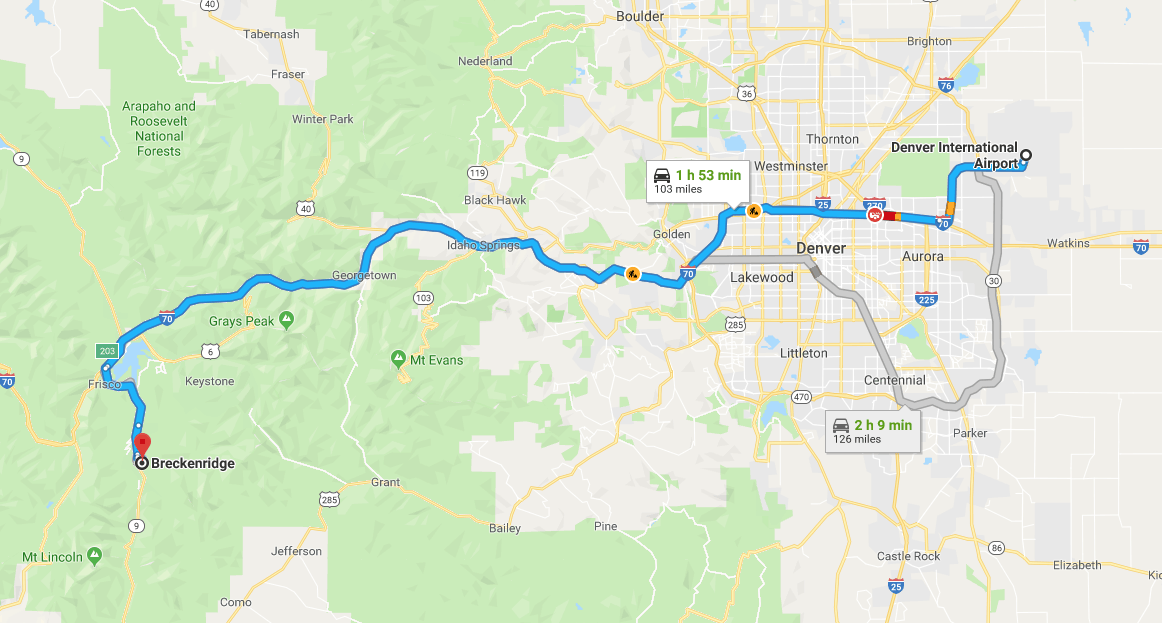
The most common and direct route between Denver and Breckenridge covers approximately 80 to 100 miles, depending on your exact starting point in Denver and destination in Breckenridge. This journey typically involves heading west on I-70 West before taking Highway 9 South at Frisco. The mountainous terrain means roads are often winding, and elevation changes are significant, impacting average speeds.
Estimated Driving Time
Under ideal conditions, with clear roads and no traffic, the drive from Denver to Breckenridge generally takes between 1.5 to 2 hours. This estimate assumes a consistent pace and minimal stops. However, it’s crucial to consider that “ideal conditions” are often fleeting, especially during peak travel times or challenging weather.
Factors Affecting Travel Time
Several variables can significantly alter your travel duration. Understanding these can help in planning and setting realistic expectations:
- Traffic Congestion: The I-70 corridor is notorious for traffic, particularly during ski season weekends (Friday afternoons/evenings, Saturday mornings, Sunday afternoons/evenings) and major holidays. Delays of 1-3 hours are not uncommon during these periods, transforming a two-hour drive into a 3-5 hour ordeal. Commuter traffic within Denver itself can also add significant time to the initial leg of your journey.
- Weather Conditions: Colorado’s mountain weather is highly unpredictable. Snowstorms, blizzards, and icy conditions can reduce visibility, necessitate slower speeds, and even lead to road closures. During winter, vehicles may be required to have four-wheel drive, all-wheel drive, or chains, which can also impact travel speed.
- Construction: Roadwork is a constant on major highways, especially during the warmer months. Construction zones can introduce lane closures, reduced speed limits, and other disruptions that contribute to delays.
- Accidents: Unfortunately, accidents can occur on any stretch of road, and their impact on mountain highways, where alternative routes are limited, can be substantial, leading to lengthy backups.
- Elevation: The route climbs considerably as you head west from Denver, passing through the Eisenhower Tunnel at over 11,000 feet. This ascent and descent can affect vehicle performance and driver fatigue, prompting slower, more cautious driving.
Scenic Routes and Mountain Passes
The journey to Breckenridge is as much about the stunning scenery as it is about the destination itself. The main route, I-70 West, offers breathtaking vistas, but travelers should be prepared for mountain driving.
I-70 West: The Primary Artery
The vast majority of travelers to Breckenridge utilize I-70 West. This interstate highway is well-maintained and offers the most direct path through the Rocky Mountains. Key landmarks along this route include:
- Georgetown: A historic silver mining town offering a glimpse into Colorado’s past.
- Loveland Pass (US-6): While I-70 goes through the Eisenhower Tunnel, an alternative, more scenic (but often slower and more challenging) route branches off before the tunnel, taking you over Loveland Pass. This route offers unparalleled views and direct access to Arapahoe Basin Ski Area and Loveland Ski Area. It’s generally not recommended for those unfamiliar with mountain driving, especially in winter.
- Eisenhower Tunnel: An engineering marvel, this tunnel pierces through the Continental Divide, saving travelers considerable time by avoiding a higher pass. It’s often a bottleneck during peak travel.
- Summit County: After exiting the tunnel, you enter Summit County, home to several world-class ski resorts, including Copper Mountain, Keystone, and Vail. You’ll eventually take Exit 203 for Frisco and then head south on Highway 9 directly into Breckenridge.
Navigating Mountain Driving Conditions
Driving in the Rocky Mountains demands respect and preparation. Here are some essential tips:
- Vehicle Preparation: Ensure your vehicle is in good condition, especially brakes and tires. In winter, all-wheel drive or four-wheel drive is highly recommended, and snow tires or chains may be legally required during certain conditions (Chain Law).
- Awareness: Stay alert for wildlife, especially during dawn and dusk. Be mindful of speed limits, which can change rapidly.
- Pace Yourself: Don’t rush. The winding roads and elevation changes require a steady, cautious approach. Utilize lower gears on descents to save your brakes.
- Check Road Conditions: Always check CDOT (Colorado Department of Transportation) for the latest road conditions and advisories before heading out, particularly in winter.
Alternative Routes and Their Charms
While I-70 is the most direct, there are a few alternatives, mostly used to bypass severe I-70 traffic or for a more scenic journey:
- US Highway 285 South to Fairplay, then CO-9 North: This route bypasses I-70 entirely, offering a different mountain perspective. It’s longer in terms of mileage (around 115-130 miles, 2.5-3 hours under ideal conditions) but can sometimes be faster if I-70 is heavily congested. The drive through South Park and past Fairplay is scenic and less intensely mountainous than the I-70 corridor.
- CO-103 over Mount Evans to Idaho Springs, then I-70 West: This is a highly scenic, albeit much slower and more challenging, summer-only route that takes you up towards Mount Evans before descending to Idaho Springs to meet I-70. It’s not a practical route for getting to Breckenridge quickly but is an incredible detour for sightseeing.
Transportation Options Beyond Driving
For those who prefer not to drive or are flying into Denver International Airport (DIA), several convenient options exist to reach Breckenridge.
Shuttle Services

Dedicated shuttle services offer a comfortable and stress-free way to travel between DIA or various Denver locations and Breckenridge. Companies like Colorado Mountain Express (CME) and Summit Express provide shared-ride or private transfer options.
- Pros: No need to navigate traffic, deal with mountain driving, or worry about parking in Breckenridge. Offers door-to-door service or convenient drop-off points.
- Cons: Can be more expensive than driving, especially for solo travelers. Schedules might be less flexible than driving your own vehicle.
Public Transportation (Limited but Possible)
While there isn’t a direct public bus route from Denver to Breckenridge in the same vein as city buses, it is possible to combine regional transit. RTD (Regional Transportation District) offers bus services from Denver to locations closer to the mountains, such as Frisco. From Frisco, local Summit Stage buses can take you the remaining distance to Breckenridge. This option is generally the most budget-friendly but requires multiple transfers and can be time-consuming.
Ride-Sharing and Taxis
Ride-sharing services like Uber and Lyft are available from Denver and DIA to Breckenridge. While convenient, especially if booked in advance or dynamically, the cost can be significantly higher than shuttle services, particularly during surge pricing. Traditional taxis are also an option but typically even more expensive for such a distance.
Planning Your Journey: Best Times to Travel
Strategic timing can transform your journey from a frustrating crawl to a delightful mountain drive.
Winter Wonderland Travel Considerations
During the winter ski season (November to April), I-70 west of Denver experiences its heaviest traffic.
- Avoid Peak Times: If possible, travel midweek (Tuesday, Wednesday, Thursday) to avoid the major weekend rushes. Depart early in the morning (before 7 AM) or late in the evening (after 7 PM) on weekends to bypass the thickest congestion.
- Weather Watch: Keep a close eye on the weather forecast. If a snowstorm is predicted, consider adjusting your travel plans or allow significantly more time.
- Flexible Schedule: If your schedule allows, having flexibility in your travel times can be a huge advantage. An extra day or two can mean the difference between a clear drive and a snow-bound nightmare.
Summer and Fall: Less Congestion, More Scenery
The warmer months (May to October) generally offer easier driving conditions and less traffic, though weekend activity can still lead to some delays.
- Summer Weekend Traffic: While not as severe as winter, summer weekends can still see increased traffic as people head to the mountains for hiking, biking, and other outdoor activities. Plan to leave Denver early to beat the crowds, especially if you’re traveling on a Friday afternoon.
- Fall Foliage: Late September to early October brings stunning fall colors to the Rocky Mountains. This is a beautiful time to drive, but it can also attract significant numbers of leaf-peepers, leading to some congestion on scenic routes.
Avoiding Peak Travel Times
A general rule of thumb for any season:
- Mid-week travel: Tuesdays, Wednesdays, and Thursdays are typically the least congested days.
- Off-peak hours: Early mornings (before 7 AM) and late evenings (after 7 PM) usually offer clearer roads, even on weekends.
- Holiday Weekends: Be prepared for substantial delays and heavy traffic on all major holiday weekends (e.g., Thanksgiving, Christmas, New Year’s, MLK Day, Presidents’ Day, Memorial Day, Labor Day).
What Awaits You in Breckenridge: A Travel Destination Overview
Once you’ve successfully navigated the journey, Breckenridge welcomes you with its unique blend of historic charm and world-class recreation. This destination offers something for every traveler, making the journey worthwhile.
Skiing and Snowboarding
Breckenridge Ski Resort is renowned globally, featuring diverse terrain across five peaks, high-alpine bowls, and extensive groomed runs. It’s a premier destination for skiers and snowboarders of all skill levels, from beginners to experts seeking a challenge. The resort’s high elevation ensures consistent snow quality throughout the winter season.
Summer Activities
When the snow melts, Breckenridge transforms into a vibrant summer paradise. Popular activities include:
- Hiking and Biking: Endless trails cater to all abilities, from leisurely strolls along the Blue River to challenging climbs with panoramic views.
- Mountain Biking: The resort offers lift-served downhill biking, while numerous cross-country trails traverse the surrounding White River National Forest.
- Fly Fishing: The Blue River and nearby high-country lakes are excellent for fly fishing.
- Whitewater Rafting: Opportunities for rafting are available on nearby rivers like the Arkansas River.
- Alpine Coaster & Adventure Park: The resort’s summer adventure park offers thrilling activities for families and individuals.

Historic Main Street
Beyond the outdoor pursuits, Breckenridge’s Historic Main Street is a vibrant hub of activity. Lined with colorful Victorian buildings, it hosts a delightful array of boutiques, art galleries, restaurants, and bars. Visitors can explore the town’s rich mining history through walking tours, museum visits, and even gold panning experiences. The pedestrian-friendly layout encourages leisurely strolls and discovering unique local treasures.
Ultimately, the distance from Denver to Breckenridge is more than just miles; it’s a gateway to an unforgettable mountain escape. With careful planning and an understanding of the travel landscape, your journey will be as rewarding as the destination itself.
LifeOutOfTheBox is a participant in the Amazon Services LLC Associates Program, an affiliate advertising program designed to provide a means for sites to earn advertising fees by advertising and linking to Amazon.com. Amazon, the Amazon logo, AmazonSupply, and the AmazonSupply logo are trademarks of Amazon.com, Inc. or its affiliates. As an Amazon Associate we earn affiliate commissions from qualifying purchases.