
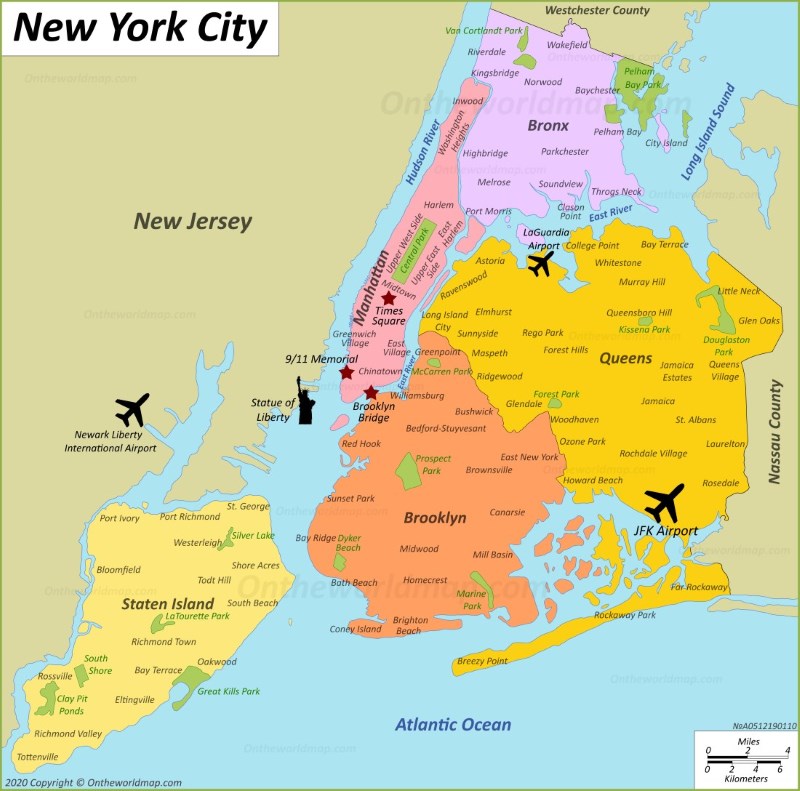
The question “How far is Brooklyn from Manhattan New York?” might seem straightforward, but its answer unravels a fascinating tapestry of urban geography, historical development, and the vibrant pulse of New York City life. For travelers, residents, and businesses alike, understanding the relationship between these two iconic boroughs goes far beyond mere mileage; it delves into accessibility, culture, and the very essence of the metropolitan experience. While physically separated by the East River, Brooklyn and Manhattan are intrinsically linked, offering distinct yet complementary experiences that make exploring both an essential part of any New York City adventure. From world-renowned landmarks and bustling financial districts to charming brownstone neighborhoods and artistic enclaves, the journey between these boroughs is a journey between different facets of a single, magnificent city. Whether you’re planning a trip, considering a move, or simply curious, grasping the proximity and connectivity of Brooklyn and Manhattan is key to unlocking the full potential of your New York City experience.

Bridging the Boroughs: Understanding the Geographic and Perceived Distance
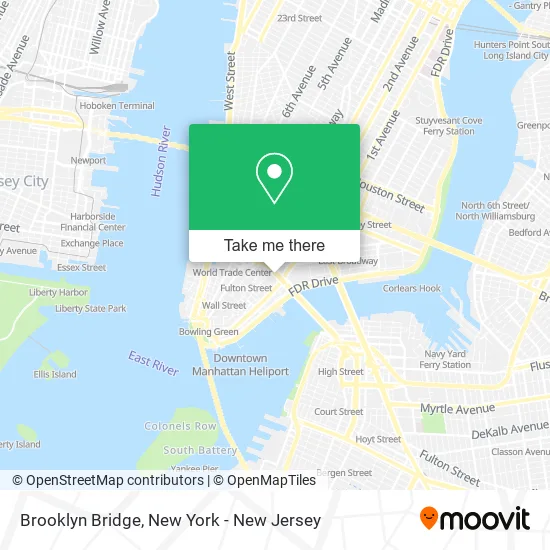
Geographically, Brooklyn is not “far” from Manhattan in the traditional sense of distance between separate cities. In fact, they are contiguous boroughs of New York City, with Manhattan being an island and Brooklyn situated on the western end of Long Island. The separation is primarily defined by the East River, a tidal strait rather than a true river. The shortest distance across this strait, specifically from Lower Manhattan to Downtown Brooklyn, is less than a quarter of a mile at its narrowest point. This close proximity, however, can feel very different depending on the mode of transport and the specific destinations within each borough.
For instance, a walk across the iconic Brooklyn Bridge takes approximately 20 to 30 minutes, covering a distance of just over a mile and a quarter (2 kilometers) and directly connecting Lower Manhattan to Downtown Brooklyn. By subway, the journey can be as short as a single stop, taking mere minutes. The perceived distance, therefore, is often much less than the actual miles, thanks to a robust infrastructure designed to facilitate seamless movement. Culturally, while distinct, Brooklyn and Manhattan often feel like extensions of each other, with residents frequently commuting for work, leisure, or social engagements. This interwoven relationship fosters a dynamic urban environment where the “distance” is more about navigating vibrant neighborhoods than overcoming significant travel barriers. The array of transit options ensures that accessing the unique attractions, diverse cuisines, and varied lifestyles of both boroughs is incredibly convenient, making the entire New York City experience feel cohesive and accessible.
The Iconic Connectors: Bridges and Tunnels
The physical proximity of Brooklyn and Manhattan is largely due to the marvels of engineering that span and tunnel beneath the East River. These connectors are not just functional arteries; they are famous landmarks in their own right, embodying the history and architectural ambition of New York City.
The Brooklyn Bridge, completed in 1883, is arguably the most famous. It connects Lower Manhattan with Downtown Brooklyn and offers not only a vital transit route for cars, pedestrians, and cyclists but also one of the most breathtaking views of the Manhattan skyline and the Statue of Liberty. Walking or biking across it is a quintessential New York experience, blending transportation with sightseeing.
North of the Brooklyn Bridge lies the Manhattan Bridge, which opened in 1909. This suspension bridge connects Manhattan’s Chinatown with Downtown Brooklyn and carries car traffic, subway trains, and has dedicated lanes for pedestrians and cyclists, providing another popular route and offering equally stunning, albeit different, views of both boroughs.
Further north, connecting Manhattan’s Lower East Side to Williamsburg in Brooklyn, is the Williamsburg Bridge, completed in 1903. This bridge is a major artery for vehicular traffic, subway lines, and has a heavily used pedestrian and bicycle path, particularly popular with commuters between Brooklyn’s vibrant neighborhoods and Manhattan’s business districts.
Beyond these iconic bridges, several tunnels burrow beneath the East River, providing crucial links. The Hugh L. Carey Tunnel, formerly known as the Brooklyn-Battery Tunnel, connects Lower Manhattan with South Brooklyn. Numerous subway tunnels also crisscross the riverbed, ensuring rapid transit between the boroughs. These subterranean connections are vital for daily commuters and contribute significantly to the perceived closeness of Brooklyn and Manhattan, making the “distance” a matter of minutes, not miles.
Navigating the Urban Landscape: Travel Options Between Brooklyn and Manhattan
The convenience of traveling between Brooklyn and Manhattan is one of New York City’s greatest assets, making it incredibly easy for tourists and locals to explore both boroughs. A diverse range of transportation options caters to different budgets, time constraints, and desired experiences.
The Subway is undoubtedly the most popular, efficient, and cost-effective way to travel. Numerous subway lines connect virtually every part of Manhattan to various Brooklyn neighborhoods. Trains like the A, C, F, L, B, D, N, Q, R, 2, 3, 4, and 5 all run between the boroughs, offering extensive coverage. For instance, a ride from Fulton Street in Manhattan to Jay Street-Metrotech in Downtown Brooklyn can take less than 5 minutes. Subway travel is ideal for quick, no-frills transit, especially during peak traffic times when surface streets can become congested.
Buses also connect the boroughs, though they are generally slower due to street traffic. However, they can offer a more scenic route for those who prefer to see the city as they travel, and certain express routes can be convenient for specific cross-borough journeys.
For a unique and picturesque journey, the NYC Ferry system is an excellent choice. With routes like the East River and South Brooklyn lines, the ferry offers stunning views of the Manhattan skyline, the Brooklyn Bridge, and the Statue of Liberty. Popular ferry stops include Wall Street/Pier 11 in Manhattan and various points in Brooklyn like Dumbo and Williamsburg. It’s a fantastic way to combine transportation with a memorable sightseeing experience, especially on a nice day.
Walking and Biking across the bridges are also popular, particularly the Brooklyn Bridge and Manhattan Bridge. These options are free, offer unparalleled views, and provide a fantastic way to experience the city at a slower pace. Citi Bike, the city’s bike-share program, has stations throughout both boroughs, making it easy to rent a bicycle for a cross-river adventure.
Finally, driving or taking a taxi/rideshare remains an option, particularly for those with luggage or traveling late at night. However, be prepared for potential traffic congestion, especially during rush hour, and consider bridge and tunnel tolls, which can add significantly to the cost. Parking in both boroughs can also be expensive and challenging to find.
Choosing Your Journey: Factors to Consider
Selecting the best way to travel between Brooklyn and Manhattan depends on several key factors:
Time of Day: During peak morning and evening rush hours (typically 7-10 AM and 4-7 PM on weekdays), the subway is almost always the fastest option, as it avoids surface traffic. Bridges and tunnels can become heavily congested with vehicles.
Budget: The subway and walking/biking are the most budget-friendly options. A single subway ride is a fixed fare, and walking/biking are free (aside from potential Citi Bike rental fees). Ferries offer a scenic option at a slightly higher cost than the subway but are still very affordable. Taxis, rideshares, and driving can quickly become the most expensive due to fares, tolls, and potential surcharges.
Scenic Preference: For breathtaking views and photo opportunities, the NYC Ferry or a walk/bike ride across the Brooklyn Bridge or Manhattan Bridge are unparalleled. These options turn transit into an integral part of your sightseeing experience, offering unique perspectives of the Manhattan skyline, the Statue of Liberty, and the East River.
Specific Destination: Consider where exactly you are starting and ending your journey. Some Brooklyn neighborhoods are better served by certain subway lines, while others might be more accessible via ferry. For example, getting to Dumbo is easy by ferry, while reaching Park Slope is more direct by subway. Consulting a subway map and a local guide will help determine the most efficient route for your specific itinerary, ensuring a smooth and enjoyable travel experience between these two dynamic boroughs.
Why Cross the River? Exploring Attractions and Experiences in Both Boroughs
The journey between Brooklyn and Manhattan is often driven by the desire to experience the unique attractions and distinct cultural flavors each borough offers. A truly comprehensive New York City trip necessitates exploring both.
Manhattan’s Allure:
Manhattan is synonymous with iconic global landmarks and bustling urban energy. Visitors flock to Times Square for its dazzling billboards and vibrant atmosphere, the majestic Empire State Building for panoramic city views, and the tranquil oasis of Central Park for leisurely strolls and outdoor activities. The magic of Broadway draws theater lovers from around the world, while the Statue of Liberty stands as a beacon of freedom in New York Harbor. Culturally, institutions like the Metropolitan Museum of Art and the Museum of Modern Art house world-class collections. Beyond sightseeing, Manhattan offers unparalleled shopping experiences, from luxury boutiques on Fifth Avenue to unique shops in Greenwich Village, alongside a staggering array of dining options catering to every palate and budget. The financial hub of Wall Street and the historic neighborhoods of SoHo and Tribeca round out the borough’s diverse appeal.
Brooklyn’s Charm:
Once considered Manhattan’s quieter sibling, Brooklyn has blossomed into a destination in its own right, celebrated for its distinct neighborhoods, vibrant arts scene, and rich local culture. Dumbo offers stunning waterfront views of the Manhattan skyline and the Brooklyn Bridge, along with art galleries and boutique shops. The trendy neighborhood of Williamsburg is a hub for nightlife, craft breweries, live music venues, and innovative eateries, reflecting a modern, bohemian lifestyle. Bushwick is renowned for its vibrant street art and thriving artist community. For green spaces, Prospect Park, designed by the same landscape architects as Central Park, offers expansive lawns, a zoo, and the Brooklyn Botanic Garden with its diverse plant collections. A trip to Coney Island promises classic amusement park thrills, beach access, and nostalgic charm. The Brooklyn Museum is a treasure trove of art and cultural artifacts. Brooklyn’s food scene is incredibly diverse, from authentic ethnic cuisines in Sunset Park to farm-to-table restaurants in Park Slope. The borough truly offers a different, often more laid-back and local, slice of New York City.
Beyond Sightseeing: Cultural Immersion and Lifestyle
Beyond the major tourist attractions, the dynamic interplay between Brooklyn and Manhattan profoundly shapes the lifestyle of New York City residents and visitors seeking a deeper cultural immersion. Many individuals choose to live in Brooklyn for its residential feel, vibrant local communities, and often more affordable accommodation options, while commuting to Manhattan for work, business stays, or to access its world-class entertainment and dining scenes. This daily cross-borough migration highlights how intrinsically linked the two areas are, not just geographically, but as integrated components of a bustling metropolis.
For tourists, exploring both boroughs offers a holistic view of New York’s multifaceted identity. It allows for a comparison of the high-octane energy of Midtown Manhattan with the artistic, community-driven spirit of neighborhoods like Bushwick or the historic grandeur of Park Slope. Experiencing local culture, sampling diverse food scenes (from Michelin-starred restaurants in Manhattan to hidden culinary gems in Brooklyn), and participating in various activities such as live music in Williamsburg or strolling through a farmers’ market in Fort Greene provides a richer, more authentic understanding of what makes New York City so captivating. From family trips seeking child-friendly parks and museums to luxury travel experiences at exclusive Manhattan boutiques and Michelin-starred restaurants, or budget travel exploring Brooklyn’s vibrant street art and affordable eateries, the synergy between these two boroughs ensures there’s an experience for everyone, making the “distance” feel utterly inconsequential.
Strategic Stays: Accommodation Considerations for Your New York Trip
When planning a trip to New York City, one of the most crucial decisions involves choosing the right accommodation. The “distance” between Brooklyn and Manhattan becomes a central factor in this choice, as each borough offers distinct advantages in terms of cost, atmosphere, and access to attractions. Your decision will heavily influence your overall experience, balancing convenience with the type of local immersion you seek.
Manhattan Hotels:
Staying in Manhattan often means being in the heart of the action, with many major landmarks, Broadway theaters, and world-class shopping districts within walking distance or a short subway ride. Areas like Midtown, with hotels such as the New York Marriott Marquis or The Plaza Hotel, put you directly amidst the bustling energy of the city. While incredibly convenient for first-time visitors who want to maximize sightseeing in Manhattan, hotels here typically come with a higher price tag. Luxury hotels in neighborhoods like the Upper East Side or Tribeca offer unparalleled service and amenities, but travelers on a budget might find better value elsewhere. The range of options in Manhattan is vast, from boutique hotels in SoHo to grand resorts overlooking Central Park, catering to business stays, romantic getaways, and everything in between.
Brooklyn Hotels and Alternative Accommodations:
For travelers seeking a different vibe, often with more space, a local feel, and potentially more budget-friendly rates, Brooklyn presents an excellent alternative. Neighborhoods like Williamsburg and Downtown Brooklyn have seen a boom in stylish hotels. In Downtown Brooklyn, options like the New York Marriott at the Brooklyn Bridge provide excellent access to Manhattan via multiple subway lines, often at a more competitive price point than comparable Manhattan properties. Boutique hotels in Williamsburg or Dumbo immerse guests in Brooklyn’s vibrant culture, with easy access to unique restaurants, shops, and art scenes, all while still being just a short subway or ferry ride from Manhattan.
Beyond traditional hotels, Brooklyn also offers a wider array of apartments and even villas for longer stays or larger groups, providing a more authentic and often more comfortable “home away from home” experience. These accommodations are excellent for family trips or those desiring to live like a local for an extended period.
Making the Right Choice: Convenience vs. Experience
The decision between staying in Manhattan or Brooklyn boils down to your priorities.
- Prioritize convenience to major Manhattan attractions and don’t mind a higher cost? Stay in Manhattan.
- Seeking a more local experience, vibrant nightlife, unique dining, and potentially better value, with easy access to Manhattan still a given? Brooklyn might be your ideal choice.
When making your decision, remember to utilize resources for booking, reviews, and comparison of accommodations. Consider the specific amenities that matter to you, whether it’s proximity to subway stations, specific attractions, or the general atmosphere of the neighborhood. The “distance” between Brooklyn and Manhattan is so easily overcome by New York City’s robust transportation network that staying in either borough still allows for comprehensive exploration of the entire metropolitan area. By strategically choosing your accommodation, you can tailor your trip to perfectly match your desired travel style and budget, ensuring an unforgettable New York City adventure.
In conclusion, the question of “how far” is a testament to the seamless connectivity that defines New York City. While Brooklyn and Manhattan are distinct, their close proximity, facilitated by an extensive network of bridges, tunnels, subways, and ferries, renders the distance almost negligible. Travelers can effortlessly transition from the dazzling lights of Times Square to the bohemian streets of Williamsburg in a matter of minutes, experiencing a rich tapestry of culture, history, and modern urban life. Ultimately, exploring both boroughs is not just feasible but highly recommended, offering a truly complete and unforgettable journey through one of the world’s most dynamic cities.
LifeOutOfTheBox is a participant in the Amazon Services LLC Associates Program, an affiliate advertising program designed to provide a means for sites to earn advertising fees by advertising and linking to Amazon.com. Amazon, the Amazon logo, AmazonSupply, and the AmazonSupply logo are trademarks of Amazon.com, Inc. or its affiliates. As an Amazon Associate we earn affiliate commissions from qualifying purchases.