
For many travelers, Las Vegas serves as the ultimate gateway to the American Southwest. While the neon lights of the Las Vegas Strip offer world-class entertainment, the true magic often lies just a few hours beyond the city limits. Among the most sought-after destinations in this high-desert playground is Bryce Canyon National Park, a geological wonderland defined by its iconic hoodoos and dramatic amphitheaters. If you are planning an escape from the urban sprawl to the quiet majesty of Utah, understanding the logistics of the journey is essential.
Distance and Driving Time: What to Expect
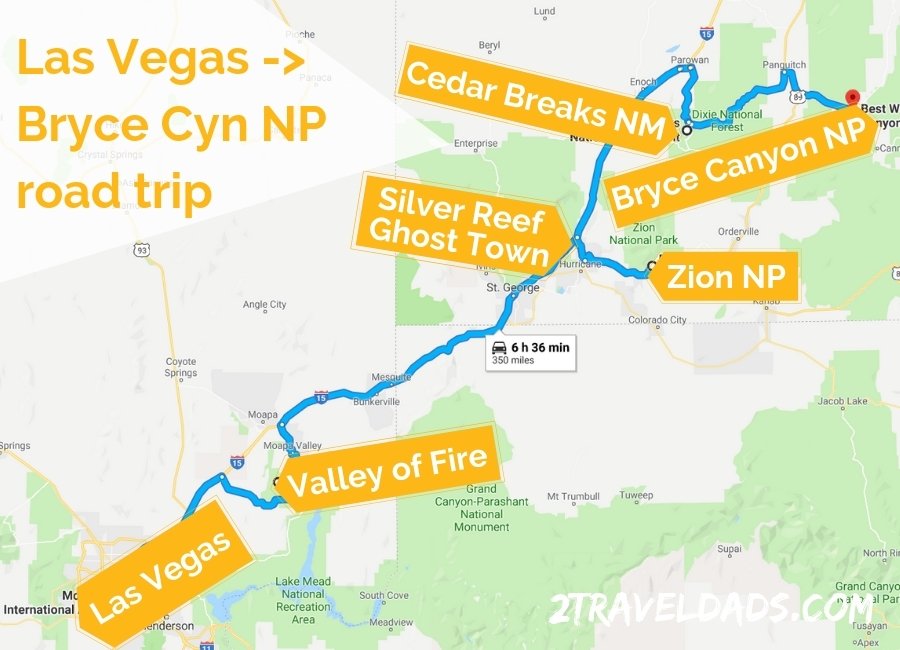
The distance between Las Vegas and Bryce Canyon National Park is approximately 260 to 270 miles, depending on your specific starting point in the city and your chosen route. Under normal traffic conditions, most travelers can expect a driving time of roughly 4 to 4.5 hours. While the distance may seem modest, the terrain changes dramatically as you transition from the arid Nevada desert into the high-altitude plateaus of southern Utah.
The Primary Route: I-15 North
The most direct and commonly used route involves taking Interstate 15 north from Las Vegas through the Virgin River Gorge. This drive is spectacular in its own right, cutting through sheer limestone cliffs that rise hundreds of feet above the highway. After passing through St. George, you will head toward Cedar City before turning onto state highways that lead you toward the park entrance.
Variables Affecting Your Journey
While 4.5 hours is a standard estimate, several factors can extend your travel time. Construction projects, particularly along the I-15 corridor, are common. Furthermore, weather in the high desert can shift rapidly. During winter months, the road leading into Bryce Canyon National Park may experience significant snowfall, necessitating slower speeds and extra caution. It is always wise to check real-time road reports before departing from your hotel in Las Vegas.
Planning the Perfect Road Trip Itinerary
Because the drive to Bryce Canyon National Park is relatively short, many visitors choose to incorporate it into a larger road trip through the “Mighty 5” national parks of Utah. By breaking the drive into segments, you can transform a simple transit day into a memorable vacation experience.
Stops Along the Way
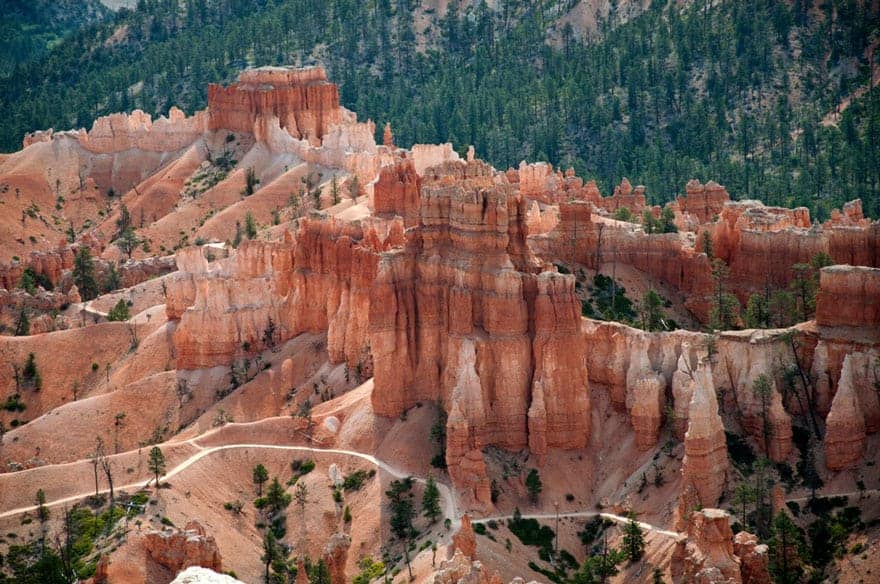
If you aren’t in a hurry, consider stopping in Zion National Park. It sits roughly halfway between your starting point and your final destination. Even a brief detour through the Zion-Mt. Carmel Tunnel offers breathtaking vistas that are well worth the slight deviation. Another excellent stop is Red Canyon, which acts as a prelude to the hoodoos of Bryce Canyon National Park. Located just a few miles outside the park boundary, its deep red rock formations offer a stunning photography opportunity without the heavy crowds of the national park itself.
Essential Travel Tips
- Refuel Strategy: While Cedar City and St. George offer plenty of fuel and food options, the stretch of highway closer to the park entrance becomes increasingly remote. Top off your tank before leaving the interstate.
- Elevation Awareness: Bryce Canyon National Park sits at an elevation of 8,000 to 9,000 feet. If you are coming directly from the sea-level environment of Las Vegas, remember to stay hydrated to minimize the effects of altitude.
- Time Zones: Note that Nevada and Utah are in the same time zone (Pacific and Mountain, respectively), but Utah is one hour ahead. Factor this into your arrival time if you have reservations for a guided hike or a sunset tour at the park.
Transportation Options: Rental Cars vs. Tours
For most travelers, the convenience of a rental car is the preferred method for making the trip from Las Vegas. Having your own vehicle allows for the flexibility to stop at overlooks and adjust your itinerary based on the weather or your physical energy levels.
Rental Vehicles
Almost every major rental company is located at Harry Reid International Airport. If you plan on visiting during the peak season—typically from May through September—book your vehicle well in advance. Consider opting for a vehicle with all-wheel drive if you plan on visiting during the shoulder seasons, as the mountain roads can be unpredictable.
Guided Tours and Shuttles
If you prefer not to drive, several tour operators in Las Vegas offer day trips or multi-day excursions to Bryce Canyon National Park. While these options eliminate the stress of navigation and parking, they lack the personal freedom of a private rental. A guided tour is excellent for travelers who want to learn about the geological history of the Colorado Plateau from a professional guide, but be prepared for a long day in a vehicle, as round-trip travel time often exceeds nine hours.
Best Time to Visit and What to See
The beauty of Bryce Canyon National Park is that it changes personality with every season. Deciding when to make the drive from Las Vegas depends on what you hope to experience.
Seasonal Considerations
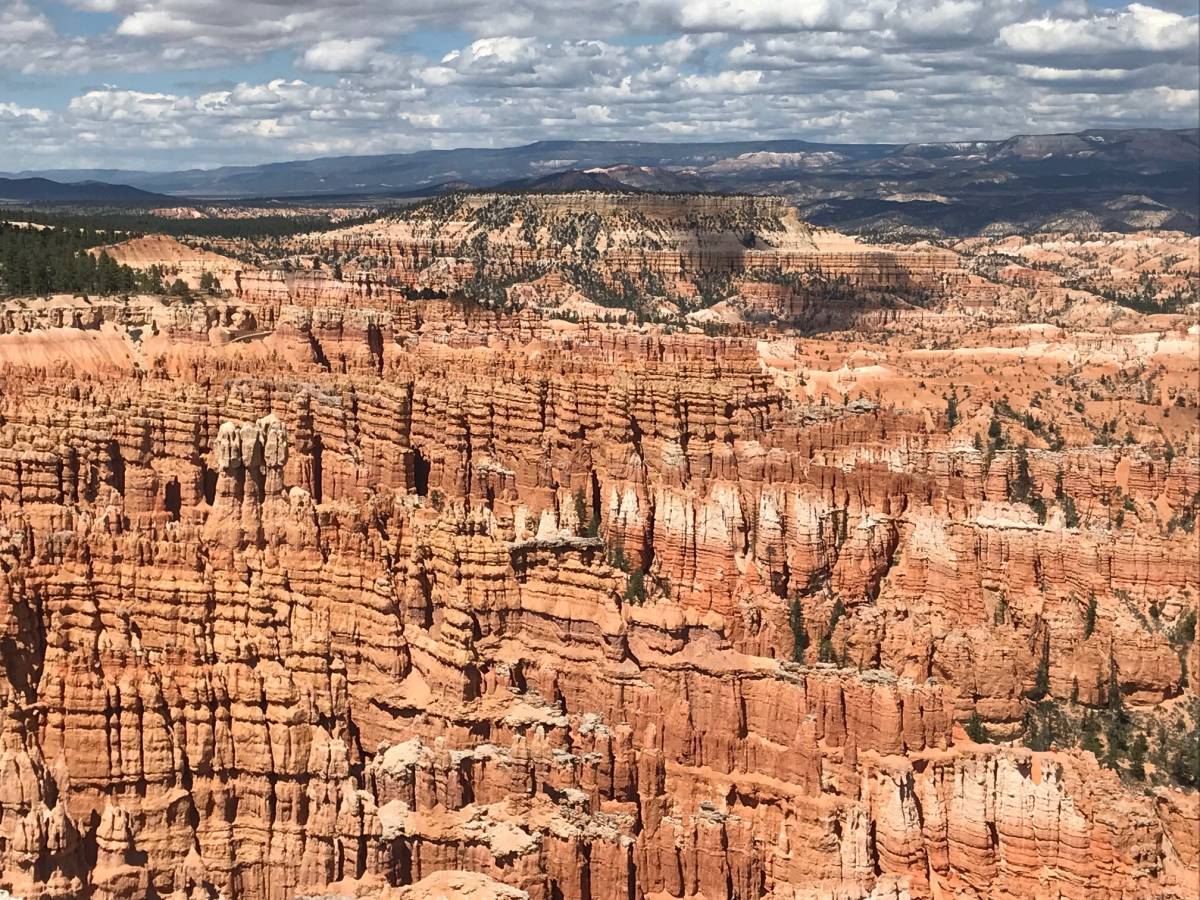
Summer offers the most accessible trails and the warmest temperatures, though it also brings the highest volume of visitors. If you choose to visit during the summer months, plan to arrive at the park gates before 9:00 AM to secure parking at popular spots like Sunset Point or Bryce Point. Conversely, visiting in winter provides a serene, snowy landscape that contrasts beautifully with the orange stone of the hoodoos. While some roads may be closed, the park remains open for cross-country skiing and snowshoeing.
Can’t-Miss Experiences
Once you arrive at Bryce Canyon National Park, the sheer scale of the landscape can be overwhelming. Focus your time on the Navajo Loop Trail, which descends directly into the amphitheater, allowing you to walk among the towering rock structures. For those who prefer a less strenuous experience, the Rim Trail provides endless panoramic views without the steep elevation changes.
The trip from Las Vegas to Bryce Canyon National Park is more than just a commute; it is a transition from the artificial wonders of the city to the ancient, raw beauty of the natural world. Whether you dedicate a single day to the trek or make it a cornerstone of a longer southwestern odyssey, the journey remains one of the most rewarding drives in the United States. With proper planning and a spirit of adventure, the transition from the bustling streets of Nevada to the quiet, glowing amphitheaters of Utah becomes an unforgettable highlight of your travels.
LifeOutOfTheBox is a participant in the Amazon Services LLC Associates Program, an affiliate advertising program designed to provide a means for sites to earn advertising fees by advertising and linking to Amazon.com. Amazon, the Amazon logo, AmazonSupply, and the AmazonSupply logo are trademarks of Amazon.com, Inc. or its affiliates. As an Amazon Associate we earn affiliate commissions from qualifying purchases.