
Traveling across the Empire State is a journey through diverse landscapes, ranging from the rugged beauty of the Great Lakes to the concrete canyons of the world’s most iconic metropolis. For those planning a trip between the western edge of the state and its eastern heart, understanding the distance between Buffalo and New York is the first step in crafting a memorable itinerary. Whether you are seeking a scenic road trip or a swift transit, the journey offers a profound look at the geography of New York State.
Understanding the Geographic Distance
The direct distance between Buffalo and New York City is approximately 300 miles as the crow flies. However, when navigating the actual roadways that connect these two major urban centers, the travel distance typically ranges between 375 and 450 miles, depending on your chosen route and specific departure points.
Driving Routes and Timing
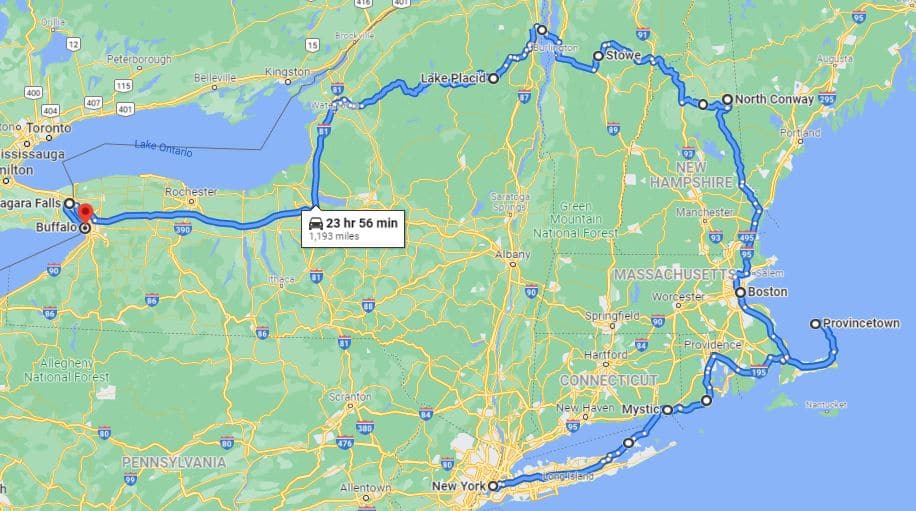
The most common driving route takes travelers southeast across the state via the New York State Thruway, officially known as Interstate 90. This journey generally takes between six and seven hours under normal traffic conditions. The route is straightforward, essentially acting as a spine that runs from the shores of Lake Erie through the heart of the Finger Lakes region and eventually merging toward the Hudson River valley.
Traffic can fluctuate significantly as you approach the metropolitan area. Travelers should anticipate congestion when passing through hubs like Syracuse or Albany, as well as potential delays upon reaching the outskirts of the five boroughs.
The Terrain of the Journey
The terrain shifts dramatically during this transition. Leaving the industrial history and lakeside charm of Buffalo, the drive treats you to the rolling hills of Central New York. As you push further east, the geography becomes more dramatic, with the majestic Catskill Mountains eventually giving way to the urban sprawl of the tri-state area. This route is not just a transit; it is a survey of the varied climate and topography that defines the northeastern United States.
Transportation Options Across the State
Because the distance between these two hubs is significant, selecting the right mode of transport is essential for managing your travel experience. Each method—whether by rail, air, or personal vehicle—offers a unique perspective on the distance being covered.
Rail Travel via Amtrak
For those who prefer a more relaxed pace, the Empire Service operated by Amtrak provides a classic route between the two cities. Departing from the Buffalo-Depew Station, the train winds through the lush scenery of the Mohawk Valley.
The journey by train typically lasts between 7.5 to 9 hours. While it takes slightly longer than driving, the benefit of rail travel is the ability to bypass highway traffic and enjoy the changing landscape without the stress of navigating. Arriving at Penn Station in the heart of Manhattan provides a seamless transition into the city’s vast transit network.
Air Travel for Maximum Efficiency
If your primary goal is speed, flying is the most efficient choice. Several carriers operate daily non-stop flights from Buffalo Niagara International Airport to major hubs like John F. Kennedy International Airport or LaGuardia Airport.
The flight time itself is usually around 75 to 90 minutes. When you factor in security, boarding, and potential transit time from the airports into the city center, the total travel time often totals around four to five hours. This is the preferred method for business travelers or those with a limited window of time.
Strategic Stops Along the Way
Treating the journey as an opportunity for discovery can turn a long transit into a series of mini-adventures. Because the drive takes you across the entire horizontal span of New York, there are several noteworthy locations to pause and explore.
The Finger Lakes Region
Approximately halfway through the drive, travelers encounter the Finger Lakes. This area is famous for its stunning geography and world-class viticulture. Stopping in towns like Geneva or Canandaigua provides a refreshing break from the highway. The region is home to countless waterfalls, serene lakeshores, and hiking trails that make it an ideal spot to stretch your legs.
The Capital District
As you approach the eastern portion of the state, Albany serves as a significant historical and cultural waypoint. As the capital of New York, it offers a glimpse into state history through the New York State Capitol. The intersection of the Mohawk and Hudson Rivers provides a picturesque backdrop for a lunch break or an afternoon stroll along the riverfront.
The Hudson Valley
The final stretch of the journey passes through the Hudson Valley, an area renowned for its art, history, and proximity to the city. Towns such as Poughkeepsie or Beacon offer artistic retreats like the Dia Beacon museum, which serves as a sophisticated precursor to the culture waiting in New York City.
Tips for a Successful Trip
Planning for a journey of this magnitude requires a bit of foresight. Whether you are driving or taking public transit, these tips will ensure your trip between Buffalo and New York is as smooth as possible.
Seasonal Considerations
New York State experiences distinct seasons that can heavily impact travel times. Winter driving in upstate New York can be challenging, with frequent snow squalls and icy conditions, particularly near the Great Lakes region. Always check road reports if you are traveling between December and March. Conversely, autumn is arguably the best time to make the trip, as the foliage along the route provides a spectacular display of colors across the hills and valleys.

Logistics and Budgeting
- Tolls: The New York State Thruway is a toll road. Ensure you have an E-ZPass to save time and money as you pass through various tolling gantries.
- Advance Booking: Whether you are flying or taking the train, booking at least three weeks in advance can result in significant cost savings. Prices for both Delta Air Lines and JetBlue Airways flights tend to spike for last-minute travelers.
- Preparation: Keep a supply of essentials in your vehicle or carry-on, including chargers, hydration, and layers, as temperatures can vary significantly from the lakeside elevation of Buffalo to the urban environment of New York.
The distance between Buffalo and New York may seem daunting at first, but it is manageable with a clear plan. By understanding the route, choosing the right transportation, and identifying key stops, the journey becomes a rewarding part of your overall travel experience.
LifeOutOfTheBox is a participant in the Amazon Services LLC Associates Program, an affiliate advertising program designed to provide a means for sites to earn advertising fees by advertising and linking to Amazon.com. Amazon, the Amazon logo, AmazonSupply, and the AmazonSupply logo are trademarks of Amazon.com, Inc. or its affiliates. As an Amazon Associate we earn affiliate commissions from qualifying purchases.