
The vast, sun-drenched landscapes of the American Southwest hold an undeniable allure for travelers seeking adventure, relaxation, and cultural immersion. At the heart of this captivating region lie two of the most iconic states: California and Arizona. Often envisioned as separate worlds— California with its glamorous coastlines and vibrant cities, and Arizona with its majestic deserts and ancient wonders—they are, in fact, close neighbors. The question “How far is California from Arizona?” isn’t just about mileage; it’s an invitation to explore a geographical relationship that defines numerous travel opportunities, from quick weekend getaways to epic cross-state road trips.
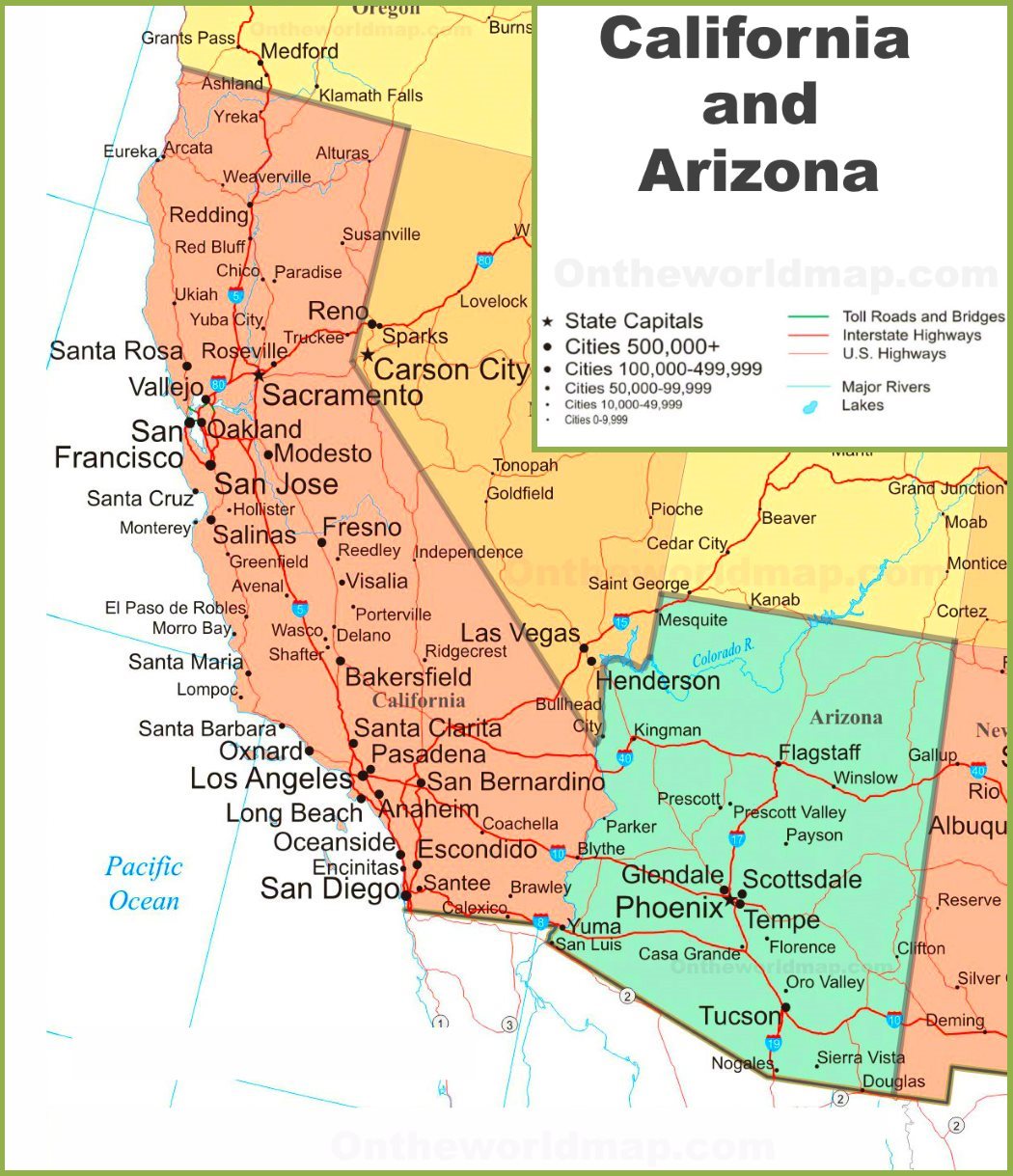
At its closest point, the distance between California and Arizona is virtually zero, as they share a contiguous border stretching approximately 235 miles. This border is predominantly defined by the mighty Colorado River, creating a natural and often picturesque divide. For practical travel purposes, however, the “distance” refers to the journey between specific points within these states, which can range from a short hop across the river to a full day’s drive traversing diverse terrains. Understanding this proximity is key for anyone planning an itinerary that blends the best of both worlds, from the serene deserts of Arizona to the bustling beaches of Southern California. This article will delve into the various distances, travel options, and the incredible experiences that bridge these two remarkable destinations, offering insights into travel, accommodation, landmarks, and the unique lifestyle each state offers.
Bridging the Border: Understanding Travel Distances and Routes
The journey between California and Arizona is incredibly versatile, offering options for every type of traveler. The method of travel—whether by car, plane, or bus—significantly impacts the perceived distance and travel time.
Major Driving Routes and Their Charms
For many, the quintessential American experience is a road trip, and the routes between California and Arizona do not disappoint. The most common driving paths connect major cities, offering both efficiency and scenic beauty.
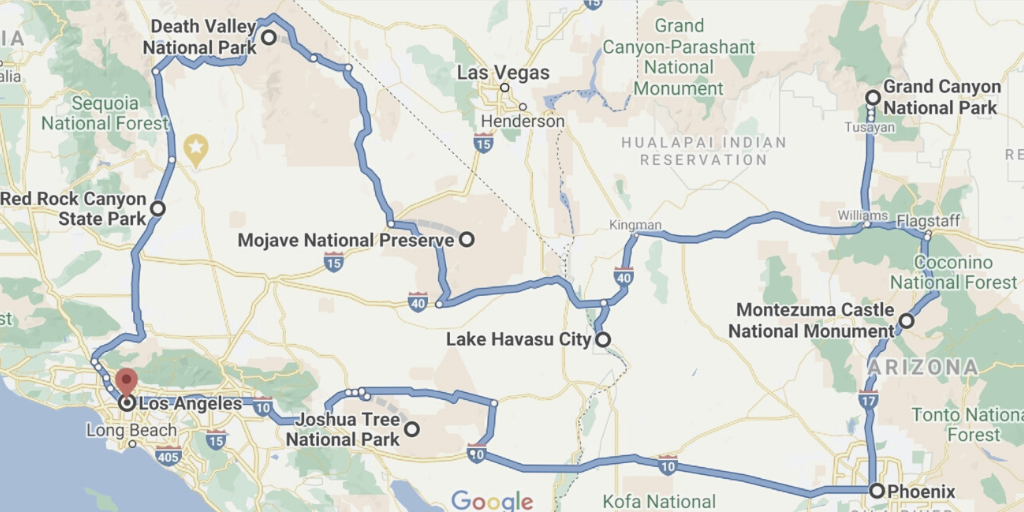
- Los Angeles, California to Phoenix, Arizona: This is one of the most popular cross-state routes. The average driving distance is about 370-400 miles, taking approximately 5.5 to 7 hours, depending on traffic and the specific starting and ending points. The primary artery for this journey is Interstate 10, which cuts directly through the Mojave Desert. This drive is relatively straightforward, but travelers should be prepared for stretches of arid landscape and intense heat during summer months. Along the way, potential stops include the quirky desert towns around Palm Springs in California or the historic mining towns as you approach Arizona.
- San Diego, California to Phoenix, Arizona: A slightly shorter option, this route typically covers 350-360 miles and takes about 5-6 hours. Interstate 8 is the main highway, taking you through the Imperial Valley and vast agricultural lands before connecting with Interstate 10 near Yuma, Arizona. This southern corridor offers a different perspective of the desert, often flatter and more expansive, with a few border towns offering glimpses into cross-cultural life.
- Las Vegas, Nevada to Grand Canyon, Arizona: While Las Vegas is in Nevada, it’s a major gateway for California residents heading to Arizona due to its proximity. From Las Vegas to the Grand Canyon South Rim, the drive is approximately 280 miles, taking about 4.5-5 hours. This route offers iconic landmarks like the Hoover Dam and significant stretches of the historic Route 66 in towns like Kingman, Arizona.
Air Travel: Speed and Convenience
For those prioritizing speed, flying is the most efficient way to travel between the two states. Major airports in California include Los Angeles International Airport (LAX), San Francisco International Airport (SFO), and San Diego International Airport (SAN). In Arizona, the primary hub is Phoenix Sky Harbor International Airport (PHX), with Tucson International Airport (TUS) serving the southern region.
- Flight Times: A direct flight from Los Angeles or San Diego to Phoenix typically lasts just over an hour. Even with airport procedures, the total travel time is considerably less than driving, making it ideal for business travelers or quick leisure trips.
- Cost Considerations: Airfare can vary widely based on seasonality, booking in advance, and airline choice. Budget airlines often offer competitive rates, making flying an accessible option for many.
Iconic Destinations: Exploring the Best of Both States
The proximity of California and Arizona makes it incredibly easy to combine the distinct attractions of both states into a single, unforgettable itinerary. From natural wonders to bustling cityscapes, the diversity of experiences is astounding.
Arizona’s Desert Gems and Natural Wonders
Arizona is famous for its breathtaking natural landscapes and vibrant desert culture.
- The Grand Canyon: No visit to Arizona is complete without experiencing the majestic Grand Canyon. Its sheer scale and dramatic beauty are unparalleled, offering hiking, helicopter tours, and mesmerizing viewpoints. Accommodation options range from rustic lodges within the Grand Canyon National Park to hotels in nearby towns like Flagstaff or Williams.
- Phoenix & Scottsdale: The urban heart of Arizona, Phoenix and its affluent neighbor, Scottsdale, offer world-class resorts, championship golf courses, upscale dining, and a thriving arts scene. Visitors can explore the Desert Botanical Garden, hike Camelback Mountain, or enjoy the vibrant nightlife. For luxurious stays, consider resorts like The Phoenician, a Luxury Collection Resort, Scottsdale, or the Hyatt Regency Scottsdale Resort & Spa at Gainey Ranch.
- Sedona: Known for its stunning red rock formations and spiritual vortexes, Sedona is a haven for outdoor enthusiasts and those seeking tranquility. Hiking, mountain biking, and jeep tours are popular activities, complemented by art galleries and wellness retreats. Boutique hotels and charming B&Bs abound, offering unique accommodation experiences amidst spectacular scenery.
- Lake Havasu City: Located right on the California border, Lake Havasu City is famous for the relocated London Bridge. It’s a popular spot for water sports, boating, and fishing, attracting many visitors from Southern California looking for a desert lake escape.
California’s Coastal Vibrancy and Desert Retreats
California needs little introduction, but its eastern regions, bordering Arizona, offer unique appeal that can be seamlessly combined with an Arizona trip.
- Southern California’s Beaches and Cities: A few hours’ drive from the Arizona border brings you to the diverse attractions of Southern California. Los Angeles offers Hollywood’s Walk of Fame, world-class museums, and theme parks like Universal Studios Hollywood and Disneyland. San Diego boasts beautiful beaches, Balboa Park, and the renowned San Diego Zoo. Accommodation ranges from luxury resorts like the Hotel del Coronado in San Diego to trendy boutique hotels in Los Angeles.
- Palm Springs & The Coachella Valley: This desert oasis is a popular escape for those seeking warmth, golf, and mid-century modern architecture. Just a couple of hours from the Arizona border, Palm Springs provides a luxurious contrast to Arizona’s rugged landscapes. Resorts like The Ritz-Carlton, Rancho Mirage offer unparalleled comfort.
- Joshua Tree National Park: Straddling the Mojave Desert and the Colorado Desert, Joshua Tree National Park is a unique natural wonderland known for its distinctive trees, rock climbing, and stargazing. It’s a short drive from Palm Springs and offers a completely different desert experience than Arizona’s more mountainous terrain.
Planning Your Cross-State Adventure: Tips for seamless travel
Embarking on a journey between California and Arizona requires a bit of planning to ensure a smooth and enjoyable experience. Given the vastness and diversity of the region, strategic choices in accommodation, timing, and activities are crucial.
Best Time to Visit and Weather Considerations
The climate difference between California and Arizona can be significant, especially depending on the specific regions.
- Arizona’s Desert Climate: Arizona experiences extremely hot summers (June to September), with temperatures often exceeding 100°F (38°C) in Phoenix and Tucson. The ideal time to visit for comfortable outdoor activities is during the cooler months, from October to April. Spring (March-April) and Fall (October-November) offer pleasant temperatures and vibrant desert blooms.
- California’s Diverse Climate: Southern California generally enjoys mild, sunny weather year-round. Coastal areas like San Diego and Los Angeles are temperate even in summer, though inland areas like Palm Springs can be as hot as Arizona’s deserts. High season in California is generally summer, but spring and fall offer fewer crowds and pleasant weather.
- Optimal Cross-State Travel: For a trip combining both states, spring (March-May) and fall (October-November) are generally the best windows. This allows you to enjoy Arizona’s deserts without extreme heat and California’s attractions in comfortable conditions.
Accommodation and Booking Strategies
Given the range of destinations, accommodation options are plentiful, catering to every budget and travel style.
- Luxury Resorts: Both states boast an impressive array of luxury resorts, especially in areas like Scottsdale, Phoenix, Palm Springs, and Southern California’s coastal cities. These often feature spas, golf courses, fine dining, and extensive amenities. Booking in advance, especially during peak season, is highly recommended.
- Boutique Hotels & Unique Stays: For a more personalized experience, consider boutique hotels in historic districts or charming B&Bs in smaller towns like Sedona or along Route 66.
- Budget-Friendly Options: Numerous chain hotels, motels, and vacation rentals are available in all major cities and tourist areas, offering comfortable stays without breaking the bank. For outdoor enthusiasts, camping is a fantastic and economical way to experience national parks like the Grand Canyon or Joshua Tree.
- Booking Tips: Always check reviews on platforms like Life Out of the Box to ensure quality. Consider loyalty programs if you frequently stay with certain hotel chains. For long-term stays or family trips, vacation rentals through sites like Airbnb or VRBO can offer better value and more space.
Essential Packing and Safety Tips
- Pack for Layers: Even in the desert, temperatures can drop significantly after sunset. Layering clothing is essential.
- Hydration is Key: Especially when traversing Arizona’s deserts, carry plenty of water. Dehydration is a real risk.
- Sun Protection: Sunscreen, hats, and sunglasses are non-negotiable. The sun in the Southwest is intense year-round.
- Car Maintenance: If driving, ensure your vehicle is in good condition, especially tires and fluid levels. Long stretches of highway can be remote.
- Emergency Preparedness: Have a basic emergency kit, especially if venturing into national parks or remote areas. Cell service can be spotty.
Lifestyle and Experiences: Crafting Your Perfect Journey
The journey between California and Arizona is more than just covering miles; it’s about embracing diverse lifestyles and creating memorable experiences. Whether you’re a thrill-seeker, a culture vulture, a luxury enthusiast, or a budget-conscious explorer, this region has something to offer.
From Luxury to Budget Travel
The two states cater to a spectrum of travel budgets and preferences:
- Luxury Travel: Indulge in five-star resorts in Scottsdale or Palm Springs, enjoy gourmet dining in Los Angeles or San Francisco, or charter a private tour of the Grand Canyon. The options for opulent experiences are endless.
- Budget Travel: Explore national parks with camping or affordable lodge stays, take advantage of free attractions like hiking trails and scenic drives, and opt for budget-friendly accommodations and dining. Road trips with friends or family, sharing costs, are a fantastic way to experience the region economically.
- Family Trips: Both states offer countless family-friendly attractions, from Disneyland and the San Diego Zoo in California to the Grand Canyon and Phoenix Zoo in Arizona. Resorts with kids’ clubs and family suites are widely available.
- Business Stays: Major cities like Phoenix, Los Angeles, and San Diego are significant business hubs, offering a range of business-friendly hotels, conference facilities, and convenient airport access.
Embracing Local Culture and Cuisine
The cultural tapestry of California and Arizona is rich and diverse:
- Arizona’s Southwestern Flavor: Discover the vibrant Native American heritage in places like Monument Valley or explore historical missions such as San Xavier del Bac Mission near Tucson. Indulge in authentic Southwestern cuisine, with its emphasis on chilies, corn, and beans, alongside modern culinary innovations in Phoenix and Scottsdale.
- California’s Culinary Diversity: From farm-to-table restaurants in Napa Valley to authentic Mexican food in San Diego and every international cuisine imaginable in Los Angeles, California’s food scene is world-renowned. Experience the laid-back beach culture, the artistic flair of San Francisco, or the glitz of Hollywood.
Activities and Attractions for Every Interest
- Outdoor Adventures: Hiking in Sedona or Joshua Tree, white-water rafting in the Grand Canyon, surfing along the Pacific Ocean in California, golfing in Scottsdale, or exploring desert trails by jeep.
- Arts and Culture: Museums in Los Angeles (like The Getty Center), art galleries in Sedona and Santa Fe (though Santa Fe is in New Mexico), music festivals in Indio, and historical sites throughout both states.
- Relaxation and Wellness: Spas and wellness retreats are abundant in Palm Springs, Scottsdale, and Sedona, offering perfect escapes for rejuvenation.
In conclusion, the distance between California and Arizona is far more than a simple measurement on a map. It represents a gateway to an unparalleled array of travel experiences, blending the iconic attractions of both states into a single, cohesive journey. From the vibrant energy of California’s cities and coastlines to the serene beauty of Arizona’s desert landscapes and the majestic Grand Canyon, the possibilities for exploration are limitless. By understanding the travel options, planning wisely, and embracing the diverse lifestyle and cultural offerings, visitors can easily bridge the geographical gap and discover the wonders that lie just across the border, creating memories that will last a lifetime.
LifeOutOfTheBox is a participant in the Amazon Services LLC Associates Program, an affiliate advertising program designed to provide a means for sites to earn advertising fees by advertising and linking to Amazon.com. Amazon, the Amazon logo, AmazonSupply, and the AmazonSupply logo are trademarks of Amazon.com, Inc. or its affiliates. As an Amazon Associate we earn affiliate commissions from qualifying purchases.