
The question “How far is California from Florida?” isn’t just about a simple number; it’s an inquiry into the vastness of the United States, the potential for epic travel adventures, and the fascinating contrasts between two of America’s most iconic states. Separating the sun-drenched beaches of the Pacific Ocean from the tropical shores of the Atlantic Ocean, this journey spans an entire continent, offering a kaleidoscope of landscapes, cultures, and experiences. For any avid traveler, understanding this distance is the first step towards planning an unforgettable cross-country expedition, whether it’s a quick flight for a business stay or a leisurely road trip exploring the heartland.
The Geographic Odyssey: Bridging Two Coasts
At its core, the distance between California and Florida represents a monumental stretch of land, traversing diverse ecosystems, bustling cities, and quiet rural communities. This isn’t merely a point-to-point measurement; it signifies a journey across an entire continent, a testament to the immense scale of the United States.
Understanding the Vastness: Miles and Kilometers
To truly grasp the scope of this distance, let’s consider the practical measurements. The straight-line or “as the crow flies” distance between the closest points of California and Florida is approximately 2,000 miles (3,200 kilometers). However, a straight line isn’t a viable travel route for humans.
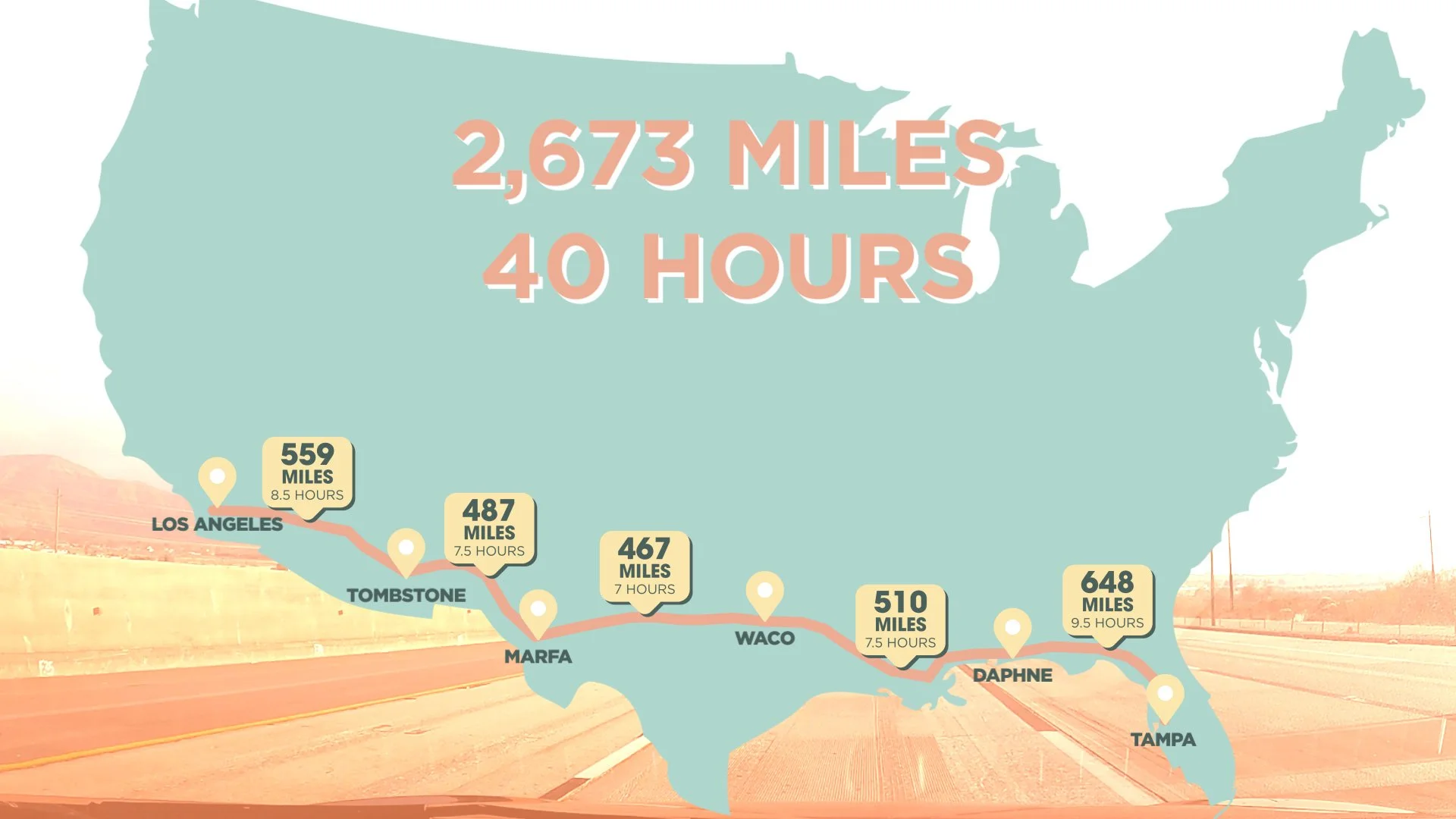
When we talk about actual travel, particularly by road, the distance increases significantly due to the necessity of following established highways and avoiding geographical barriers. A typical driving route, for instance, from Los Angeles, California, to Miami, Florida, can range from 2,700 to 3,000 miles (approximately 4,300 to 4,800 kilometers), depending on the specific roads taken and any detours. This means travelers are looking at a journey that would take roughly 40 to 48 hours of pure driving time, necessitating multiple overnight stays. This epic drive often involves traversing numerous states, including Arizona, New Mexico, Texas, Louisiana, Mississippi, and Alabama, before finally reaching the Sunshine State. Each of these states offers unique cultural insights, landmarks, and culinary experiences, transforming a simple drive into a multi-faceted exploration.
Time Zones and Transcontinental Travel
Adding another layer of complexity and fascination to this cross-country journey are the time zones. Traveling from California on Pacific Standard Time to Florida, which largely observes Eastern Standard Time (with some parts in Central Standard Time), means crossing three or even four time zones. This time difference – typically three hours between California and most of Florida – can impact travel planning, especially for flights and arrival times. For instance, a morning flight departing from Los Angeles will arrive in Miami much later in the day local time, even if the flight duration itself is only a few hours. Jet lag, while less severe than international travel, can still be a factor for those sensitive to time changes, making the first day or two of a trip feel a bit disorienting.
Navigating the Distance: Your Travel Options
Given the considerable expanse between the Golden State and the Sunshine State, travelers have several distinct options, each offering a unique set of pros, cons, and experiences tailored to different preferences, budgets, and timelines.
The Epic American Road Trip: Driving Across the Continent
For those who view the journey itself as part of the destination, a cross-country road trip is an unparalleled adventure. As mentioned, the drive typically takes 4-5 days of active travel, assuming 8-10 hours of driving per day.
- Routes: The most common routes include Interstate 10 (I-10), which runs from Santa Monica, California, all the way to Jacksonville, Florida, passing through major cities like Phoenix, Houston, and New Orleans. Another option involves using Interstate 40 (I-40) for a significant portion, particularly if starting from northern California or wanting to experience a segment of historic Route 66 and see attractions like the Grand Canyon in Arizona before heading south.
- Experiences and Landmarks: A road trip provides the ultimate flexibility to explore hidden gems and famous landmarks. Travelers can detour to places like Las Vegas for entertainment, witness the vastness of the Mojave Desert, savor barbecue in Texas, immerse themselves in the vibrant culture of New Orleans, or explore the historic charm of St. Augustine in Florida. This mode of travel aligns perfectly with the “Local Culture” and “Landmarks” aspects of tourism, offering a deeply immersive travel experience.
- Accommodation and Budget: Road trips require careful planning for accommodation. Options range from budget-friendly motels along the interstate to charming boutique hotels in smaller towns. Utilizing platforms like Booking.com or Expedia for advance bookings can secure better rates and ensure availability, especially during peak seasons. Budget considerations also include fuel costs, which can be substantial for a 3,000-mile journey, as well as food and entertainment expenses along the way. Planning for these aspects can help in managing overall trip costs, appealing to both “Budget Travel” and “Family Trips” lifestyles.
Soaring High: The Efficiency of Air Travel
For those prioritizing speed and convenience, flying is undoubtedly the most efficient way to bridge the gap between California and Florida.
- Flight Duration: A direct flight typically takes between 4.5 to 6 hours, depending on the specific departure and arrival airports, as well as prevailing winds. For example, a flight from Los Angeles International Airport (LAX) to Miami International Airport (MIA) might be around 5 hours, while a flight from San Francisco International Airport (SFO) to Orlando International Airport (MCO) could be slightly longer.
- Major Airports and Airlines: Key hubs on the California side include LAX, SFO, and San Diego International Airport. In Florida, major gateways are MIA, MCO, and Tampa International Airport. Numerous airlines offer routes, including major carriers like Southwest Airlines, American Airlines, Delta Airlines, and United Airlines.
- Booking Tips and Lifestyle: Air travel is ideal for “Business Stays” or short “Luxury Travel” trips where time is of the essence. Booking flights in advance, being flexible with dates, and using flight comparison websites can help secure the best fares. Consider factors like baggage fees, seat comfort, and connecting flights. For a more comfortable experience, travelers might opt for premium economy or business class, aligning with a “Luxury Travel” lifestyle. The efficiency of flying means more time enjoying the destinations, whether it’s the theme parks of Orlando or the vibrant nightlife of Miami Beach.

Alternative Journeys: Rail and Bus Considerations
While less common for a full transcontinental trip due to extended travel times, trains and buses offer unique perspectives and can be appealing for specific types of travelers.
- Train Travel (Amtrak): Amtrak offers routes that can take you from California to Florida, though there are no direct cross-country lines. This journey would involve multiple transfers and could take anywhere from 3 to 4 days or more, depending on connections. It’s a scenic option, allowing travelers to relax and enjoy the changing landscapes without the stress of driving. This slower pace can be an “Experience” in itself, offering a nostalgic way to see the country, often with sleeper car options for enhanced comfort.
- Bus Travel (Greyhound): Bus services like Greyhound provide the most budget-friendly option but also the longest travel time, often exceeding 3-5 days with numerous stops and transfers. While it’s a great choice for “Budget Travel” and those without strict time constraints, the comfort level is significantly lower than other modes. However, it offers a ground-level view of America that air travel simply cannot provide, making it a unique cultural experience for resilient travelers.

Planning Your Cross-Country Adventure
Regardless of the chosen mode of transport, a journey from California to Florida requires thoughtful planning to ensure a smooth, enjoyable, and memorable experience.
Essential Considerations for a California to Florida Journey
- Best Time to Travel: The ideal time largely depends on your preference for weather and crowd levels. Spring (April-May) and Fall (September-October) generally offer pleasant temperatures across much of the United States, avoiding the extreme heat of summer in the southern states and the cold of winter in the northern parts if detouring. Summer is popular for “Family Trips” but can be very hot and crowded, especially in Florida’s theme parks.
- Budgeting: This is crucial. For a road trip, factor in fuel, food, and 3-4 nights of accommodation. For flying, consider flight costs, airport transfers, and potentially car rental at the destination. Always allocate extra for unforeseen expenses or spontaneous experiences. “Budget Travel” can be achieved by staying in more affordable hotels or vacation rentals, cooking some meals, and looking for free attractions. “Luxury Travel” might involve upscale resorts like a Hyatt or Marriott property, fine dining, and curated experiences.
- Accommodation Strategy: Beyond the journey itself, your stay in California or Florida is key. Both states boast an incredible array of accommodation options. From luxury suites in Beverly Hills to family-friendly resorts near Walt Disney World, or charming villas in Key West to stylish apartments in San Francisco, the choices are endless. Websites like Booking.com, Expedia, and Airbnb are invaluable for comparing prices, reading reviews, and booking everything from hotel suites to long-term stays. Many travelers also enjoy comparing offerings from major chains like Hilton and Hyatt for consistent quality and amenities.
Embracing the Diverse Charms: What to Expect at Each End
The contrast between California and Florida is what makes this transcontinental journey so appealing.
- California’s Allure: From the iconic Golden Gate Bridge in San Francisco to the glamorous streets of Hollywood in Los Angeles, California offers an incredible array of attractions. Travelers can explore the national parks like Yosemite National Park or Death Valley, drive the scenic Big Sur coast, visit world-renowned wineries in Napa Valley, or enjoy theme parks like Disneyland and Knott’s Berry Farm. The state caters to “Luxury Travel” with its high-end resorts and sophisticated dining, as well as “Budget Travel” with its extensive outdoor activities and vibrant cultural scenes. Its “Lifestyle” is diverse, encompassing everything from surf culture in Santa Monica to the tech innovation of Silicon Valley.
- Florida’s Enchantment: On the other side of the country, Florida beckons with its unique blend of theme park thrills, natural beauty, and vibrant urban centers. Orlando is home to world-famous attractions like Walt Disney World (including Magic Kingdom, Epcot, Hollywood Studios, and Animal Kingdom) and Universal Orlando Resort. Beyond the parks, visitors can explore the natural wonders of Everglades National Park, relax on the pristine sands of South Beach in Miami, discover the historic charm of St. Augustine, or dive into the laid-back atmosphere of the Florida Keys. The Kennedy Space Center offers a glimpse into space exploration, while the diverse culinary scene, from fresh seafood on the Gulf Coast to international flavors in Miami, highlights its rich “Local Culture”. Florida truly is a destination for all “Lifestyles”, from “Family Trips” to romantic getaways and adventurous “Experiences”.
Making the Most of Your Journey
Beyond the physical distance and travel logistics, embracing the spirit of the journey is what transforms a trip from California to Florida into a truly enriching travel experience.
Accommodation Choices Across the Nation
Throughout your journey, whether in transit or at your final destination, the right accommodation can make all the difference. For road trippers, roadside motels provide basic comforts, while national hotel chains like Hilton and Marriott offer consistent standards. In major cities, travelers can find everything from opulent resorts and stylish suites to charming boutique hotels and cozy apartments booked through services like Airbnb. For longer stays, especially for those considering remote work or extended vacations, villas or furnished apartments offer a home-away-from-home feel. Always check reviews on platforms like TripAdvisor to ensure quality and suitability for your needs. The “Accommodation” landscape across the country is vast, catering to every desire and budget, making it possible to tailor your stays to your “Lifestyle” preferences.
Budgeting and Lifestyle Choices for Your Trip
The journey between California and Florida offers immense flexibility for different “Lifestyles” and “Budget Travel” preferences. A tight budget might mean choosing bus travel, staying in hostels or budget hotels, and packing your own snacks. On the other hand, “Luxury Travel” could involve first-class flights, stays at five-star resorts like the Grand Hyatt Hotel in major cities, gourmet dining, and private tours of attractions. “Family Trips” will require a balance, often leaning towards spacious family suites, kid-friendly amenities, and activities that appeal to all ages, such as visits to SeaWorld or Six Flags. “Business Stays” prioritize efficiency, reliable Wi-Fi, and proximity to business centers. Regardless of your approach, careful planning of expenses for transport, accommodation, food, and activities will ensure a stress-free experience.
Ultimately, the distance from California to Florida is more than just miles on a map; it’s an invitation to explore the diverse beauty, culture, and spirit of the United States. Whether you embark on a multi-day road trip, take a swift flight, or opt for a scenic train ride, this journey promises a rich tapestry of memories and discoveries from one coast to the other.
LifeOutOfTheBox is a participant in the Amazon Services LLC Associates Program, an affiliate advertising program designed to provide a means for sites to earn advertising fees by advertising and linking to Amazon.com. Amazon, the Amazon logo, AmazonSupply, and the AmazonSupply logo are trademarks of Amazon.com, Inc. or its affiliates. As an Amazon Associate we earn affiliate commissions from qualifying purchases.