
The allure of the Hawaiian Islands, with their pristine beaches, lush landscapes, and vibrant culture, often beckons travelers from the bustling shores of California. For many, the dream of a tropical escape raises a fundamental question: just how far is Hawaii from California? While seemingly a straightforward query, the answer involves more than a simple number of miles; it encompasses the logistics of trans-Pacific travel, the time investment, and the sheer wonder of bridging a vast ocean. This article delves into the geographic realities, explores the diverse travel options, and provides insights into planning an unforgettable journey between these two iconic United States destinations, offering a comprehensive guide for anyone contemplating this magnificent voyage. From understanding the best routes and flight durations to discovering the perfect accommodations and embracing local Hawaiian culture, we’ll explore everything you need to know to transform the distance from a barrier into an exciting part of your travel story.
The Geographic Reality: Distance and Its Implications
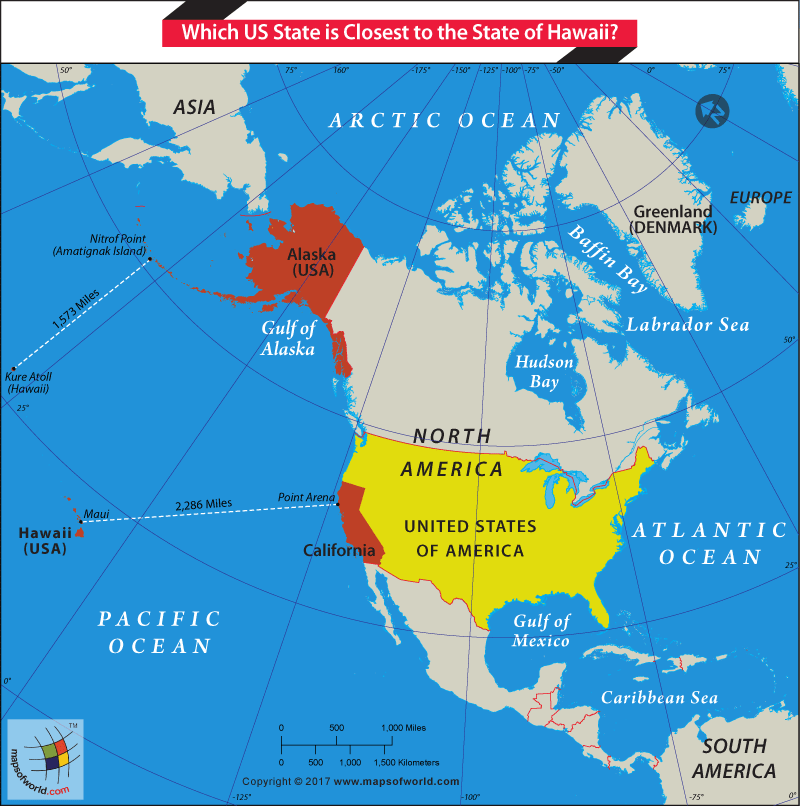
Understanding the distance between California and Hawaii is the first step in planning any trip. This isn’t a short hop across a state line but a significant journey over the expansive Pacific Ocean, requiring careful consideration of travel time and logistics.
Measuring the Miles: A Deep Dive into the Pacific
The geographical distance between the continental United States and the Hawaiian archipelago varies slightly depending on the specific points of origin and destination. Typically, the shortest air distance from a major California city, such as Los Angeles or San Francisco, to Honolulu on the island of Oahu is approximately 2,500 miles (4,023 kilometers). For instance, the route from Los Angeles to Honolulu is about 2,556 miles, while from San Francisco to Honolulu it’s roughly 2,393 miles. These distances highlight the significant expanse of water separating the mainland from the Aloha State, making air travel the most practical and popular mode of transportation for the vast majority of visitors. This considerable distance means that spontaneous weekend trips are less common, and most travelers opt for at least a week-long stay to make the journey worthwhile. The vastness also influences the type of aircraft used, with airlines typically deploying wide-body jets capable of long-haul flights, designed for comfort and efficiency over extended periods in the air. Understanding this geographical context is crucial for managing expectations and preparing for the travel experience ahead, setting the stage for what will undoubtedly be a memorable adventure across one of the world’s largest oceans. The sheer scale of the Pacific Ocean also means that weather patterns can significantly influence travel times, particularly during certain seasons, adding another layer of consideration for those meticulously planning their journey.
Time Zones and Trans-Pacific Travel
Beyond the physical distance, the difference in time zones is another critical factor to consider when traveling from California to Hawaii. California operates on Pacific Daylight Time (PDT) during summer and Pacific Standard Time (PST) during winter. Hawaii, on the other hand, observes Hawaii Standard Time (HST) year-round and does not participate in daylight saving. This results in a significant time difference that can impact your itinerary and initial days of your trip. During the summer months, when California is on PDT, there is a three-hour time difference, with Hawaii being three hours behind California. For example, if it’s 3 PM in Los Angeles, it’s 12 PM in Honolulu. During the winter months, when California reverts to PST, the time difference widens to two hours, with Hawaii being two hours behind. This time shift, though seemingly minor, can contribute to jet lag, especially on the westbound journey. When you depart from [California](https://lifeoutofthebox.com/california] in the morning and arrive in Hawaii several hours later, you effectively gain time, potentially arriving before you even left, according to local time. This can be disorienting, and travelers often find it beneficial to adjust their schedules slightly before departure and plan for a relaxed first day upon arrival to acclimate to the local time. Hydration and light activity are often recommended to mitigate the effects of jet lag, ensuring a smoother transition into the island rhythm. Understanding this time difference is essential for scheduling activities, making reservations, and maximizing your precious vacation time in paradise.
Bridging the Pacific: Travel Options and Experiences
With the geographical realities established, the next natural step is to explore the various ways to traverse the Pacific Ocean from California to Hawaii. Each mode of travel offers a distinct experience, catering to different preferences for speed, luxury, and adventure.
Soaring Through the Skies: The Flight Experience
For the vast majority of travelers, flying is the preferred and most practical method to reach Hawaii from California. Direct flights are readily available from major California hubs like Los Angeles International Airport (LAX), San Francisco International Airport (SFO), San Diego International Airport (SAN), and Oakland International Airport (OAK), connecting to airports on Oahu (Honolulu International Airport – HNL), Maui (Kahului Airport – OGG), Kauai (Lihue Airport – LIH), and the Big Island (Kona International Airport – KOA and Hilo International Airport – ITO).
Flight Duration: A direct flight typically ranges from 5 to 6 hours from California to Hawaii and approximately 5 to 5.5 hours on the return journey, thanks to favorable tailwinds. This duration makes it feasible for a week-long vacation without excessive travel time eating into your stay.
Airlines and Comfort: Numerous major airlines offer service on these routes, including United Airlines, Delta Air Lines, American Airlines, Southwest Airlines, and Hawaiian Airlines. Many of these carriers now utilize modern aircraft designed for longer flights, often equipped with in-flight entertainment systems, Wi-Fi, and more comfortable seating options across various classes. For those seeking enhanced comfort, upgrading to premium economy, business class, or first class can significantly improve the experience, offering more legroom, lie-flat seats, and elevated dining services. Given the flight duration, it’s advisable to consider these options if budget allows, especially for travelers who find long flights challenging. Bringing your own entertainment, snacks, and a comfortable neck pillow can also make the journey more pleasant. Booking flights well in advance, especially during peak travel seasons like holidays or summer, is recommended to secure better fares and preferred seating. The convenience and speed of air travel remain unparalleled for bridging the vast expanse between the Golden State and the Aloha State.
Setting Sail: The Allure of a Pacific Cruise
While flying is the quickest way, a cruise from California to Hawaii offers an entirely different, leisurely travel experience. Cruises typically depart from San Pedro (near Los Angeles) or San Francisco and embark on a journey that usually lasts between 10 and 15 days.
Cruise Experience: Unlike a flight, a cruise is a destination in itself. The initial days are spent at sea, allowing passengers to enjoy the ship’s amenities: swimming pools, spas, fitness centers, diverse dining options, live entertainment, and various onboard activities. This extended time at sea provides a unique opportunity to unwind and fully embrace the journey before even reaching the islands. Many cruise lines also offer educational programs about Hawaiian culture, history, and marine life during the sea days, enhancing the anticipation for the destinations ahead.
Itinerary and Cruise Lines: Most Hawaiian cruises visit several islands, offering passengers a chance to experience Oahu, Maui, Kauai, and the Big Island without the hassle of inter-island flights or packing and unpacking. Popular cruise lines that offer voyages to Hawaii include Princess Cruises, Holland America Line, Carnival Cruise Line, Celebrity Cruises, and Norwegian Cruise Line, which also offers year-round inter-island cruises within Hawaii (though not originating from California). The longer duration and immersive nature of a cruise make it an ideal choice for those who value the journey as much as the destination, providing a comprehensive and relaxing way to experience the beauty of the Pacific Ocean and the Hawaiian Islands. It’s often a more luxurious option, and booking well in advance can yield significant savings, especially for specific cabin categories or during shoulder seasons.
Planning Your Bi-Coastal Adventure: From Golden State to Aloha State
Embarking on a journey from California to Hawaii involves transitioning from one vibrant culture to another, each offering unique experiences. Effective planning ensures a seamless and enriching adventure, blending the iconic attractions of the Golden State with the tranquil beauty of the Aloha State.
Iconic Destinations in California: Gateway to the Pacific
Before or after your Hawaiian escape, California presents a plethora of world-renowned destinations that can complement your trip.
- Los Angeles: A global center for entertainment, Los Angeles offers everything from the glamour of Hollywood and the Hollywood Walk of Fame to the magic of Disneyland Resort in nearby Anaheim. Explore diverse neighborhoods like Santa Monica with its iconic pier, or indulge in the culinary scene in Beverly Hills.
- San Francisco: Famous for its hilly streets, Victorian architecture, and the majestic Golden Gate Bridge, San Francisco is a city of charm and innovation. Visit Alcatraz Island, explore Fisherman’s Wharf, or wander through the vibrant Mission District.
- San Diego: Known for its beautiful beaches, laid-back atmosphere, and family-friendly attractions like the San Diego Zoo and Balboa Park, San Diego offers a relaxed coastal experience. Its proximity to the Mexican border also adds a unique cultural flavor.
- National Parks: For nature enthusiasts, California boasts incredible National Parks such as Yosemite, Sequoia, and Death Valley, offering stunning landscapes and outdoor adventures.
Incorporating a few days in California can create a dynamic multi-destination itinerary, allowing travelers to experience both urban excitement and natural beauty before transitioning to the serene island life.
Discovering the Hawaiian Islands: A Paradise Awaits
Each of Hawaii’s main islands offers a distinct flavor and set of experiences, catering to various travel styles.
- Oahu: Home to the state capital, Honolulu, and the iconic Waikiki Beach, Oahu blends urban sophistication with natural beauty. Visitors can explore historic Pearl Harbor, hike to the top of Diamond Head, or catch waves on the famous North Shore.
- Maui: Known as the “Valley Isle,” Maui is celebrated for its stunning beaches, the scenic Road to Hana, and the breathtaking sunrises and sunsets from Haleakala National Park. It’s a popular choice for romantic getaways and adventurous explorers.
- Kauai: The “Garden Isle,” Kauai is renowned for its dramatic cliffs, lush rainforests, and cascading waterfalls. The Na Pali Coast offers unparalleled hiking and boat tours, while Waimea Canyon is often called the “Grand Canyon of the Pacific.”
- Big Island (also known as Hawaii Island): The largest and youngest island, the Big Island is home to Hawaii Volcanoes National Park, where visitors can witness active volcanoes. It also boasts diverse landscapes, from black sand beaches to snow-capped mountains.
Choosing which island to visit often depends on your travel style. Many first-time visitors opt for Oahu for its blend of activities, while others might prefer to island-hop to experience the diverse beauty each island offers.
Crafting Your Itinerary: Travel Tips and Considerations
Planning your trip from California to Hawaii requires attention to several key details to ensure a smooth and enjoyable experience.
- Best Time to Travel: The shoulder seasons (April-May and September-November) often offer the best balance of pleasant weather, fewer crowds, and more affordable prices for flights and accommodations. Peak seasons include summer, winter holidays, and spring break, when prices are higher and attractions are more crowded.
- Booking in Advance: Given the popularity of Hawaii, it’s highly advisable to book flights and accommodations several months in advance, especially if you plan to travel during peak times. This not only secures your spot but can also result in significant cost savings.
- Inter-island Travel: If you plan to visit multiple Hawaiian islands, factor in the time and cost of inter-island flights, typically operated by Hawaiian Airlines or Southwest Airlines. These flights are short, usually lasting 30-45 minutes.
- Packing Essentials: Pack light, breathable clothing, swimwear, reef-safe sunscreen, comfortable walking shoes, and a light jacket for cooler evenings or higher elevations. Don’t forget any necessary medications and your camera!
- Rental Cars: While some areas like Waikiki are walkable, a rental car is often essential for exploring the full scope of each island, especially on Maui, Kauai, and the Big Island. Book your car well in advance, particularly during busy seasons.
By meticulously planning these aspects, you can ensure your journey across the Pacific Ocean is not just a dream but a wonderfully executed reality, allowing you to fully immerse yourself in the unique magic of Hawaii.
Beyond the Journey: Accommodation, Culture, and Lifestyle
Once the travel logistics are settled, the focus shifts to the experience on the ground. Hawaii offers a rich tapestry of accommodation options, cultural immersion, and activities that cater to every lifestyle and budget, promising more than just a scenic backdrop for your vacation.
Finding Your Perfect Stay: Hotels and Resorts
Accommodation is a crucial part of any travel experience, and Hawaii provides a diverse range of choices, from luxurious resorts to budget-friendly apartments.
- Luxury Resorts: For those seeking an indulgent escape, Hawaii is home to world-class resorts, many operated by renowned brands like Marriott, Hilton, and Hyatt. These properties often feature stunning oceanfront locations, multiple swimming pools, award-winning restaurants, spas, and a plethora of activities. They are particularly popular for honeymooners, anniversary celebrations, and those desiring a pampering experience. Examples include the Grand Hyatt Kauai Resort & Spa and the Four Seasons Resort Maui at Wailea.
- Boutique Hotels and Condos: Travelers looking for a more personalized or home-like experience might opt for boutique hotels or vacation rental condos. Condos are excellent for families or longer stays, often providing kitchen facilities, multiple bedrooms, and a sense of local living. Websites specializing in vacation rentals offer a wide array of options, from modest studios to expansive villas.
- Budget-Friendly Options: While Hawaii can be perceived as an expensive destination, there are also more budget-conscious choices. Hostels, particularly in Honolulu, provide affordable lodging for solo travelers or backpackers. Many standard hotels offer competitive rates, especially when booked outside of peak season or bundled with airfare. Choosing accommodations slightly off the main tourist strips can also lead to better value. When considering long-term stays, particularly for remote workers or snowbirds, furnished apartments or extended-stay hotels can offer cost-effective solutions with added amenities.
Researching and comparing options through booking sites, reading reviews, and checking for special packages can help travelers find the ideal accommodation that aligns with their preferences and budget.
Embracing Local Culture and Activities
The true essence of Hawaii lies in its rich Polynesian culture and the myriad of activities it offers.
- Cultural Experiences: Immerse yourself in the “Aloha Spirit” by attending a traditional luau, where you can enjoy authentic Hawaiian food, hula dancing, and storytelling. Visit historical sites like Iolani Palace on Oahu, the only official residence of royalty in the United States. Engage with local artisans, learn to play the ukulele, or participate in a lei-making workshop. These experiences offer a deeper connection to the islands’ heritage.
- Outdoor Adventures: Hawaii is an outdoor enthusiast’s paradise. Snorkel or dive in crystal-clear waters, surf world-class waves, hike through lush rainforests to stunning waterfalls, or explore volcanic landscapes. Whale watching (seasonal, typically November to May) is a popular activity, as are kayaking, paddleboarding, and helicopter tours for panoramic views of the islands.
- Food and Drink: Hawaiian cuisine is a delicious fusion of Polynesian, Asian, and Western influences. Savor fresh poke, enjoy a plate lunch, try kalua pig, or indulge in fresh tropical fruits. Don’t forget to sample local coffee, especially from the Kona region of the Big Island, and enjoy a refreshing shave ice. Exploring local markets and food trucks provides an authentic taste of the islands.

Making the Trip Fit Your Lifestyle and Budget
Whether you’re planning a luxurious honeymoon, a budget-conscious family trip, or a business stay, Hawaii can cater to various lifestyles.
- Luxury Travel: For the ultimate indulgence, consider private villas, exclusive resort suites, private yacht charters, or personalized guided tours. Fine dining experiences, spa treatments, and high-end shopping are readily available.
- Budget Travel: Traveling to Hawaii on a budget is possible with careful planning. Opt for cheaper flights during off-peak seasons, stay in hostels or budget hotels, utilize public transportation where available, and cook some of your own meals if your accommodation allows. Focus on free activities like hiking, beach days, and exploring National Parks.
- Family Trips: Hawaii is a fantastic destination for families, offering kid-friendly resorts with pools and clubs, gentle beaches for swimming, and attractions like the Honolulu Zoo or Maui Ocean Center. Many activities, such as snorkeling or easy hikes, are suitable for all ages.
- Business Stays: For those traveling for work, Honolulu offers modern business hotels with conference facilities and convenient access to the city’s commercial centers. Combining business with leisure is easily achievable, allowing for exploration during off-hours.
The distance from California to Hawaii may be significant, but the journey is well worth it. By understanding the travel options and planning thoroughly for accommodation, cultural immersion, and activities, you can ensure your Hawaiian adventure is not just a trip, but a transformative experience tailored perfectly to your desires and budget, bridging the gap between imagination and reality across the vast Pacific.
LifeOutOfTheBox is a participant in the Amazon Services LLC Associates Program, an affiliate advertising program designed to provide a means for sites to earn advertising fees by advertising and linking to Amazon.com. Amazon, the Amazon logo, AmazonSupply, and the AmazonSupply logo are trademarks of Amazon.com, Inc. or its affiliates. As an Amazon Associate we earn affiliate commissions from qualifying purchases.