
The idea of traversing the entire breadth of the United States, from the bustling metropolis of New York City on the East Coast to the sun-drenched shores of California on the West Coast, is a dream for many. It’s a journey that embodies the vastness and diversity of North America, offering a kaleidoscope of landscapes, cultures, and experiences. But just how far is this iconic cross-country trek, and what does it entail for the intrepid traveler? The distance itself is substantial, a testament to the sheer scale of the nation, and understanding it is the first step in planning an unforgettable adventure, whether for leisure, business, or a transformative lifestyle change.
The Geographic Divide: Understanding the Transcontinental Distance
The physical distance between California and New York City is immense, spanning thousands of miles and multiple time zones. This journey represents a complete transcontinental crossing, from the Atlantic Ocean to the Pacific Ocean, excluding the unique geographical considerations of Alaska and Hawaii.
The Straight Line vs. The Open Road
As the crow flies, the air distance between New York City and Los Angeles, one of California’s primary hubs, is approximately 2,445 miles (3,935 kilometers). This direct measurement, however, doesn’t account for geographical features, flight paths, or ground routes.
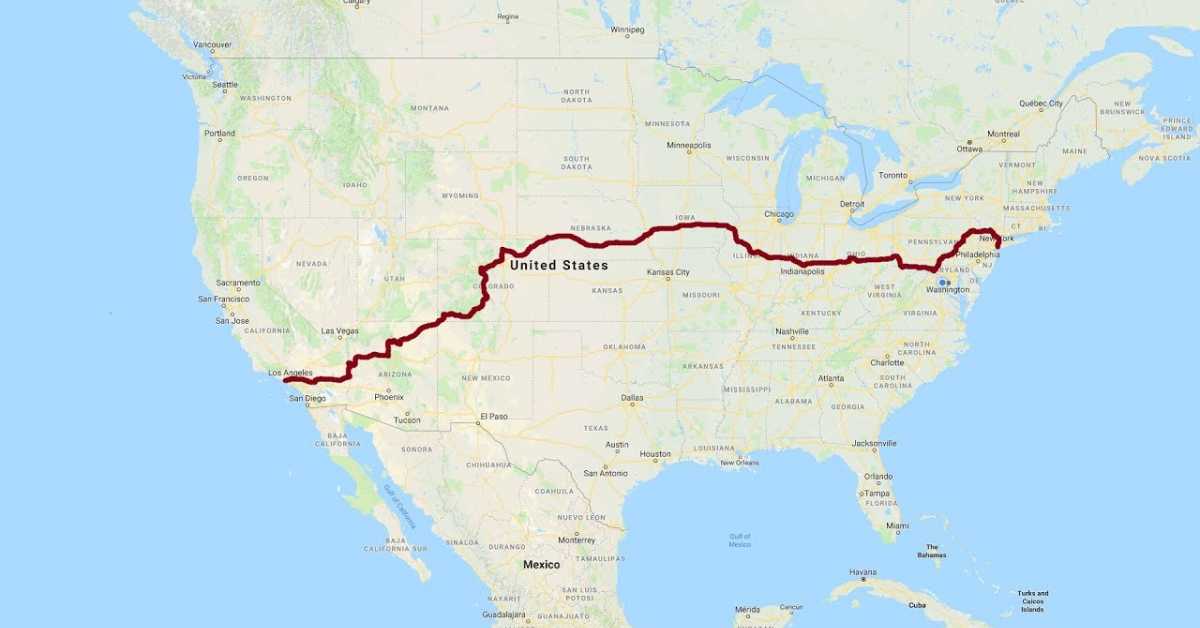
For those venturing by road, the journey becomes significantly longer and more intricate. Driving routes typically range from 2,800 to 3,100 miles (4,500 to 5,000 kilometers), depending on the chosen path, detours, and desired stops. A direct, non-stop drive could theoretically be completed in about 40-45 hours of continuous driving. However, such a feat is neither practical nor recommended. Most travelers plan for at least 4-7 days of driving, allowing for adequate rest, meals, and sightseeing. This allows for an immersive American Road Trip, transforming a simple commute into an epic journey filled with discovery.
Time Zones and Transcontinental Travel
Crossing the United States from New York to California also involves a significant shift in time zones. Starting in the Eastern Time Zone, travelers will typically pass through the Central, Mountain, and finally, the Pacific Time Zone. This means a three-hour time difference between New York City and California. When flying, this time change can lead to a sense of “lost” time upon arrival, while driving provides a more gradual, day-by-day adjustment. Understanding this time shift is crucial for booking accommodations, scheduling activities, and managing any business commitments during your travel.
Navigating the Continent: Travel Options and Experiences
The method of travel you choose significantly impacts the duration, cost, and overall experience of your journey from New York City to California. Each option offers a distinct perspective on the vast American landscape.
By Air: The Fastest Route
For those prioritizing speed and efficiency, flying is undoubtedly the best option. Direct flights from major New York City airports—such as JFK Airport, LaGuardia Airport, or Newark Liberty International Airport (located in New Jersey, serving the NYC area)—to California’s main hubs like Los Angeles International Airport or San Francisco International Airport typically take around 5.5 to 6.5 hours. This excludes travel time to and from airports, security checks, and potential delays.
Airlines like JetBlue, Delta Air Lines, United Airlines, and Southwest Airlines offer frequent services, providing a range of cabin classes and amenities. While the fastest, flying offers limited opportunities to appreciate the diverse landscapes in between. It’s often the preferred choice for business travelers, those on a tight schedule, or individuals seeking luxury travel options with premium cabin experiences. Booking in advance can secure better deals, and travelers should always consider baggage allowances and in-flight services when comparing options.
By Road: An Epic American Road Trip
The classic American Road Trip from the East Coast to the West Coast is an unparalleled experience, offering freedom, flexibility, and endless opportunities for exploration. As mentioned, the drive typically spans 4-7 days of active travel, depending on the route and the pace of discovery. Popular routes include:
- Northern Route (e.g., via Interstate 80): This path takes you through states like Pennsylvania, Ohio, Indiana, Illinois (passing near Chicago), Iowa, Nebraska, Wyoming, Utah (near Salt Lake City), and Nevada before reaching California. It offers scenic views of the Great Plains and the majestic Rocky Mountains.
- Central Route (e.g., via Interstate 70 to Interstate 15): This route might take you through Missouri, Kansas, Colorado (passing Denver), Utah, and Nevada, often leading to Las Vegas before California. It offers diverse landscapes from prairies to mountains and deserts.
- Southern Route (e.g., via Interstate 40, following portions of Route 66): This route is legendary, passing through states like Pennsylvania, West Virginia, Kentucky, Tennessee, Missouri, Oklahoma, Texas, New Mexico, and Arizona before arriving in California. This is ideal for those seeking local culture, historic landmarks, and classic roadside attractions.
The beauty of a road trip lies in the ability to customize your itinerary, stopping at charming small towns, iconic national parks, and quirky roadside attractions. Accommodation along the way can range from budget-friendly motels to unique boutique hotels, offering a truly local experience.
By Rail: A Scenic Journey
For a more relaxed and scenic journey, traversing the country by train is a captivating option. Amtrak, the national passenger rail corporation, offers several routes that can connect New York City to California.
A common route involves taking a train from New York City to Chicago (e.g., the Lake Shore Limited), and then connecting to a westbound service such as the California Zephyr to Emeryville (near San Francisco) or the Southwest Chief to Los Angeles. The entire journey typically takes 3-4 days, including layovers.
Train travel offers a unique perspective, allowing passengers to gaze at evolving landscapes, from urban sprawls to vast plains, majestic mountains, and desert vistas, all from the comfort of their seat or a sleeper cabin. It’s a journey steeped in history, reminiscent of earlier eras of exploration and a wonderful choice for those who value the journey as much as the destination. Dining cars and observation cars enhance the experience, making it a luxurious and slow travel option.
Planning Your Transcontinental Adventure: Logistics and Considerations
Embarking on a cross-country trip requires thoughtful planning to ensure a smooth and enjoyable experience. From choosing the right accommodation to managing your budget, every detail contributes to the success of your journey.
Accommodation Along the Way: From Motels to Luxury Resorts
For road trippers and train travelers, accommodation becomes an integral part of the experience. The United States offers an incredibly diverse range of lodging options:

- Roadside Motels: Perfect for budget-conscious travelers, offering convenient stops for rest. Brands like Motel 6 or Super 8 are ubiquitous.
- Boutique Hotels: In larger cities or charming towns, you’ll find unique boutique hotels that reflect local culture and provide a more personalized experience.
- Chain Hotels: Familiar names like Hilton, Marriott, or Hyatt offer consistent quality and amenities, often with loyalty programs.
- Luxury Resorts: For those seeking a more opulent lifestyle experience, especially in destinations like Las Vegas or select mountain towns, luxury resorts offer world-class amenities, fine dining, and unparalleled service.
- Vacation Rentals: Platforms like Airbnb and Vrbo offer apartments, villas, and houses, which can be ideal for families or longer stays, providing a taste of local living.
Booking accommodations in advance, especially during peak seasons or near popular attractions, is highly recommended. Reviews and comparison websites are invaluable tools for finding the best options that fit your budget and travel style.
Budgeting for Your Journey
The cost of a cross-country trip can vary widely. Air travel usually has a clear upfront cost for tickets, but incidental expenses like airport transfers, baggage fees, and in-flight meals can add up. Road trips, while seemingly cheaper, involve significant costs for fuel, vehicle maintenance, tolls, accommodation, and food. Train travel often offers a mid-range budget, with options for coach seats or more expensive private sleeper cars.
Consider these key budgeting elements:
- Transportation: Airfare, fuel, car rental (and one-way fees), train tickets.
- Accommodation: Nightly rates for hotels, motels, or rentals.
- Food: Dining out, groceries for snacks and picnics.
- Activities & Attractions: Entry fees for national parks, museums, theme parks.
- Miscellaneous: Souvenirs, emergency fund, travel insurance.
Savvy travelers can opt for budget travel strategies such as cooking some meals, camping in national parks, or utilizing loyalty points for hotels. For those embracing luxury travel, bespoke tours, high-end accommodations, and gourmet dining will be part of the experience.
Best Times to Travel
The best time to travel depends on your chosen mode and desired experience:
- Spring (April-May) and Fall (September-October): These seasons offer mild temperatures across most of the country, making them ideal for road trips and sightseeing. The foliage in the East Coast during fall is spectacular, while spring brings wildflowers to the deserts of the Southwest.
- Summer (June-August): Popular for family trips due to school holidays. Expect hotter temperatures, especially in the central and southern states, and higher prices for accommodations and flights. National parks can be crowded.
- Winter (November-March): While less ideal for extensive road trips due to snow and icy conditions, particularly in northern routes, it can be a great time for flying, often with lower fares. California’s climate remains relatively mild, with opportunities for skiing in its mountains.
Iconic Stops and Cultural Immersion: Exploring Beyond the Destination
A cross-country journey isn’t just about the start and end points; it’s about the incredible tapestry of experiences woven in between. The United States is rich with landmarks, diverse local cultures, and unique activities.
East Coast Gems: Starting in New York City
Your journey begins in New York City, a global hub of culture, finance, and entertainment. Before heading west, take time to soak in its iconic sights: the majestic Statue of Liberty, the towering Empire State Building, the vibrant energy of Times Square, the world-renowned theaters of Broadway, the architectural marvel of the Brooklyn Bridge, and the serene expanses of Central Park. NYC offers an endless array of food, from Michelin-starred restaurants to diverse street food, and accommodation options from luxury suites to charming boutique hotels.
Midwestern Marvels and Great Plains Perspectives
As you head west, the urban density gives way to the expansive heartland. The Midwest offers a glimpse into America’s agricultural roots and industrial heritage. A stop in Chicago, Illinois, is highly recommended for its stunning architecture, deep-dish pizza, and vibrant blues and jazz scene. Further west, the Great Plains states like Nebraska, Kansas, and the Dakotas offer vast open skies, historical sites, and a sense of boundless freedom. This region is dotted with charming small towns, offering authentic local culture and hospitality.
The transition to the Rocky Mountains introduces dramatic elevation changes and breathtaking natural beauty. Cities like Denver, Colorado, serve as excellent bases for exploring the surrounding peaks, national forests, and adventure sports.
Western Wonders: Approaching California
The final leg of the journey through the Southwest and Nevada is characterized by stark desert landscapes, geological marvels, and unique cultural experiences. Essential stops might include:
- Grand Canyon National Park, Arizona: One of the world’s most breathtaking natural landmarks, offering unparalleled views and hiking opportunities.
- Las Vegas, Nevada: A vibrant entertainment capital known for its resorts, casinos, and world-class shows. It’s an experience in luxury and indulgence.
- Zion National Park or Arches National Park, Utah: These parks showcase stunning red rock formations and diverse ecosystems.
- Monument Valley, Arizona/Utah: Iconic sandstone buttes that have served as the backdrop for countless films, offering a profound sense of the American West.
These stops provide a glimpse into the diverse natural heritage and vibrant tourism offerings of the United States before reaching the Golden State.
Arriving in California: Destinations and Experiences
Upon arrival in California, you’re greeted by a state as diverse as the country itself, offering everything from bustling cities and pristine beaches to majestic mountains and serene wine regions.
Southern California Dreams: Los Angeles and Beyond
Southern California is synonymous with glamour, entertainment, and a laid-back lifestyle. Los Angeles stands as a sprawling metropolis where you can explore the Hollywood Walk of Fame, catch a show at Universal Studios Hollywood, or relax on the beaches of Santa Monica and Malibu. Families often flock to Disneyland Park in nearby Anaheim. Further south, San Diego boasts beautiful coastlines, a vibrant downtown, and attractions like Balboa Park and the San Diego Zoo. The region also offers unique natural landmarks like Death Valley National Park, known for its extreme temperatures and surreal landscapes. Accommodations in Southern California range from iconic luxury hotels to charming beachside bungalows and modern city apartments, catering to every taste and budget.

Northern California Charm: San Francisco and the Wine Country
Northern California presents a different facet of the state’s allure. San Francisco is famous for its iconic Golden Gate Bridge, historic cable cars, the notorious Alcatraz Island, and the bustling Fisherman’s Wharf. The city’s unique neighborhoods offer a rich tapestry of local culture, from diverse culinary experiences to vibrant arts scenes.
Just a short drive north, the world-renowned Napa Valley and Sonoma Valley beckon wine enthusiasts with their picturesque vineyards, exquisite wineries, and gourmet dining experiences. East of San Francisco, the majestic Yosemite National Park offers stunning granite cliffs, giant sequoias, and breathtaking waterfalls for nature lovers and adventurers. Further inland, Lake Tahoe provides year-round recreation, from skiing in winter to boating and hiking in summer. For a truly iconic drive, the Pacific Coast Highway (Highway 1) offers spectacular ocean views, winding through charming towns like Monterey and Carmel-by-the-Sea and along the dramatic cliffs of Big Sur.
The journey from New York City to California is more than just a measurement of distance; it’s a profound exploration of the United States’ diverse geography, culture, and spirit. Whether you opt for the speed of air travel, the freedom of a road trip, or the contemplative pace of a train journey, the experience promises to be rich with discoveries. From the urban canyons of Manhattan to the iconic beaches and vineyards of California, every mile traversed offers a new perspective, making the grand journey across the continent an unforgettable chapter in any traveler’s lifestyle story.
LifeOutOfTheBox is a participant in the Amazon Services LLC Associates Program, an affiliate advertising program designed to provide a means for sites to earn advertising fees by advertising and linking to Amazon.com. Amazon, the Amazon logo, AmazonSupply, and the AmazonSupply logo are trademarks of Amazon.com, Inc. or its affiliates. As an Amazon Associate we earn affiliate commissions from qualifying purchases.