
Traveling between California and Oklahoma is a quintessential American journey, spanning diverse landscapes and thousands of miles. The exact distance hinges significantly on your specific starting point in California and your final destination in Oklahoma, but generally, travelers can expect to cover substantial ground. Understanding this distance and the various modes of transport available is the first step in planning an efficient, enjoyable, or even adventurous trip across the American Southwest.
The Geographical Reality: Spanning the American West
The vastness of the United States means that crossing states like California and Oklahoma is no small feat. These two states represent distinct regions—the Pacific Coast and the Great Plains—connected by an expansive network of highways and air routes.

Understanding the Distance
On average, the driving distance between central points in California and Oklahoma ranges from approximately 1,200 to 1,500 miles. For instance, a journey from Los Angeles, California, to Oklahoma City, Oklahoma, typically covers about 1,300 miles. If your starting point is further north, such as San Francisco, California, and your destination is Tulsa, Oklahoma, the distance can stretch closer to 1,600 miles.
These distances translate into significant travel times, often requiring multiple days by road or several hours by air. The routes primarily traverse through states like Arizona, New Mexico, and sometimes a corner of Texas, each offering unique landscapes and potential stopovers for the intrepid traveler.
Key Factors Influencing Travel Time
Beyond the raw mileage, several elements play a crucial role in determining how long your journey will take:
- Specific Endpoints: As noted, the exact cities chosen within California and Oklahoma can add or subtract hundreds of miles.
- Mode of Transportation: Flying is undeniably the fastest, while driving offers flexibility but demands more time. Train and bus services provide alternative experiences, albeit with longer travel durations.
- Stops and Sightseeing: For road trippers, detours to national parks, historical sites, or even simply frequent rest breaks will extend the total travel time.
- Traffic Conditions: Major metropolitan areas, particularly in California (like Los Angeles and San Bernardino), can experience heavy traffic, adding unexpected delays. Road construction and adverse weather conditions can also impact travel speed.
- Time of Year: Summer travel might involve more tourist traffic, while winter can bring challenging driving conditions through mountainous or high-desert regions.
Navigating the Journey: Modes of Transportation
Choosing how to travel between California and Oklahoma is a fundamental decision that shapes the entire experience. Each mode offers distinct advantages in terms of speed, cost, and comfort.
Driving: The Classic American Road Trip
For many, the cross-country drive epitomizes freedom and adventure. A direct, non-stop drive from Los Angeles to Oklahoma City would typically take between 19 to 21 hours of actual driving time. However, to do this safely and enjoyably, it’s highly recommended to break the journey into at least two or, ideally, three days.
Recommended Multi-Day Itineraries:
- Two-Day Trip: This aggressive schedule would involve driving 10-12 hours per day. A common overnight stop might be around Flagstaff, Arizona, or Albuquerque, New Mexico. This leaves less time for sightseeing but gets you to your destination relatively quickly.
- Three-Day Trip: This allows for a more relaxed pace, with 6-8 hours of driving daily. Potential overnight stops could include Flagstaff and then Amarillo, Texas. This option provides ample opportunity for brief detours and exploration.
Major Interstates and Considerations:
The primary arteries for this route are Interstate 40 and Interstate 10. I-40 is often the more direct path, running through Arizona, New Mexico, Texas, and directly into Oklahoma. I-10 travels further south through Arizona and New Mexico before connecting to other routes heading north to Oklahoma.
Driving also entails practical considerations: significant fuel costs (especially for larger vehicles), potential wear and tear on your vehicle, and the need to factor in meal breaks, rest stops, and overnight lodging. Planning these aspects in advance can lead to a smoother, more enjoyable journey.
Flying: The Fastest Option
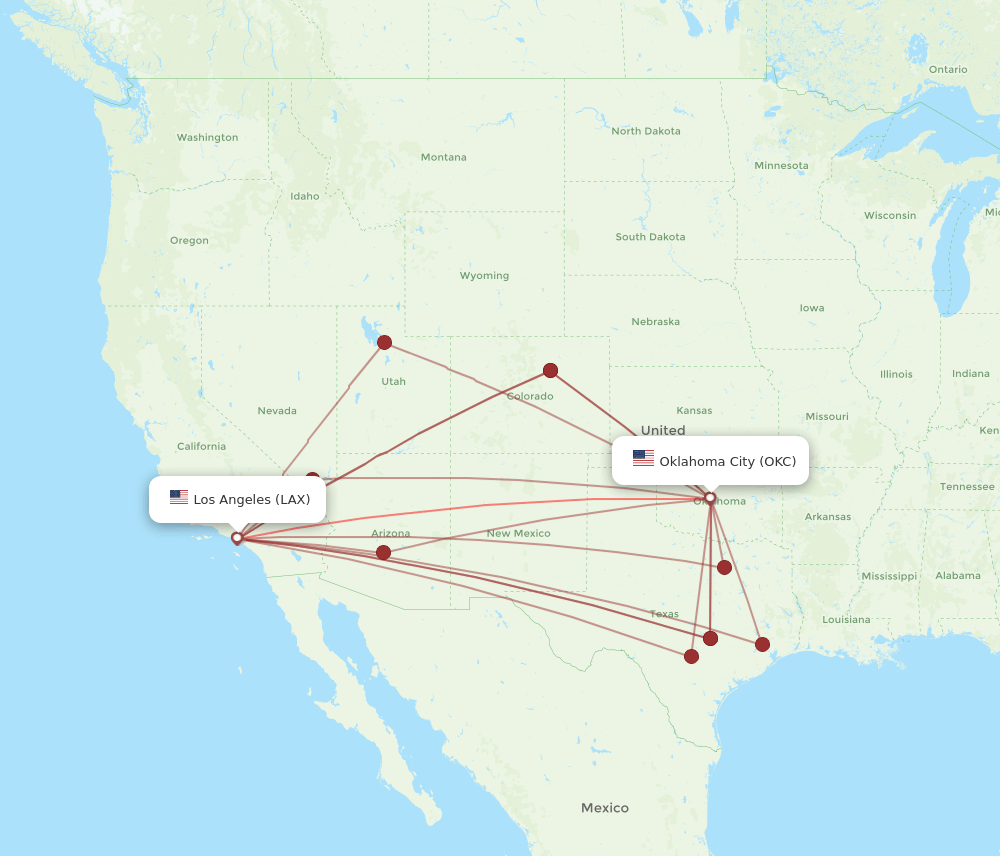
For those prioritizing speed and minimizing travel time, flying is the undisputed champion. Direct flights between major airports typically range from 2.5 to 4 hours, depending on the specific origin and destination.

Major Airports:
- California: Los Angeles International Airport (LAX), San Francisco International Airport (SFO), and San Diego International Airport (SAN) are the primary hubs.
- Oklahoma: Will Rogers World Airport (OKC) in Oklahoma City and Tulsa International Airport (TUL) are the main gateways.
While the flight itself is quick, remember to account for travel to and from airports, check-in, security procedures, and potential layovers if a direct flight isn’t available or preferred due to cost. The total door-to-door travel time can often add up to 6-8 hours or more. Booking flights well in advance, especially during peak seasons, can lead to better fares.
Train and Bus Travel: Scenic and Economical Alternatives
For travelers who prefer a slower pace, enjoy the scenery without the stress of driving, or are on a tighter budget, train and bus services offer viable alternatives.
- Train Travel (e.g., Amtrak): Amtrak provides routes that connect California to Oklahoma, though often with transfers. The Southwest Chief route, for instance, runs from Los Angeles through New Mexico and into states east of Oklahoma, requiring a connection. The total travel time can easily exceed 24-30 hours, often involving an overnight journey. While slower, train travel offers comfort, larger seating, and dining options, allowing passengers to relax and enjoy the changing landscapes.
- Bus Services (e.g., Greyhound): Bus travel is generally the most economical option, though it is also the slowest. Journeys can take 24-36 hours or more, depending on the route, transfers, and number of stops. Greyhound and similar services connect most major cities. While less comfortable than train or air travel, buses offer frequent departures and an accessible way to travel long distances.
Crafting Your Itinerary: Making the Most of the Miles
Regardless of your chosen mode of transport, a well-planned itinerary can transform a simple journey into a memorable travel experience.
Road Trip Essentials and Planning
For drivers, meticulous planning is key.
- Vehicle Preparation: Ensure your vehicle is in top condition. Check tires, oil, fluids, and brakes. An emergency kit with jumper cables, basic tools, a first-aid kit, and water is advisable.
- Navigation: While GPS units are common, having offline maps or a traditional paper map as a backup can be a lifesaver in areas with spotty cell service. Apps like Google Maps and Waze offer real-time traffic updates.
- Packing: Pack versatile clothing suitable for different climates (from desert heat to cooler mountain evenings). Don’t forget snacks, a cooler with drinks, and entertainment for passengers.
- Accommodation: Book overnight stays in advance, especially if traveling during peak seasons or through smaller towns with limited options.
Notable Stops Along the Way
The route between California and Oklahoma is rich with points of interest, especially for those following or paralleling historic Route 66.
- Arizona: Consider a detour to the awe-inspiring Grand Canyon National Park, explore the vibrant red rocks of Sedona, or drive through the Petrified Forest National Park for its ancient, colorful wood fossils. Historic Route 66 towns like Seligman offer a nostalgic glimpse into Americana.
- New Mexico: Immerse yourself in the unique cultural blend of Santa Fe or explore the historical sites and vibrant art scene of Albuquerque. The stark beauty of White Sands National Park is another breathtaking detour.
- Texas Panhandle: Pass through Amarillo, home to the quirky Cadillac Ranch art installation and iconic Big Texan Steak Ranch. This stretch offers a taste of true Texas hospitality and expansive plains.
These stops not only break up the driving but also provide cultural enrichment and stunning natural beauty, transforming a long drive into an unforgettable adventure.
Practical Travel Advice
Beyond the mechanics of travel, a few general tips can enhance your experience when journeying between these two distant states.
Best Time to Travel
- Spring (March-May) and Fall (September-November): These seasons generally offer the most pleasant weather for driving, with milder temperatures across the desert regions and fewer extreme weather events. Wildflower blooms in the spring and colorful foliage in the fall add to the scenic beauty.
- Summer (June-August): While popular for family vacations, summer can bring intense heat to Arizona and New Mexico, requiring careful hydration and air conditioning. Thunderstorms are also more common.
- Winter (December-February): Snow and ice can be present in higher elevations and across parts of Oklahoma, potentially causing driving hazards and delays.
Budgeting for Your Trip
Costs vary wildly depending on your mode of transport, comfort level, and number of travelers.
- Driving: Factor in significant fuel costs, maintenance, and potentially 2-3 nights of hotel stays, plus food.
- Flying: Airfare can fluctuate greatly. Booking in advance and being flexible with dates often yields better prices. Remember to account for baggage fees and airport transfers.
- Train/Bus: Generally more budget-friendly than flying, but still requires food expenses and potentially overnight stops if transfers are long.
Always allocate a contingency fund for unexpected expenses, whether it’s a flat tire or an impromptu souvenir.
Safety and Comfort
- Driver Fatigue: If driving, prioritize rest. Pull over every few hours for a break, stretch your legs, and stay hydrated. Consider sharing driving responsibilities if traveling with others.
- Awareness: Be mindful of changing speed limits, especially when crossing state lines. Stay alert to wildlife, particularly at dawn and dusk in rural areas.
- Valuables: Keep valuables out of sight, especially when making overnight stops or parking in unfamiliar areas.
By carefully considering the distance, choosing the right mode of transportation, and planning your stops, your journey from California to Oklahoma can be as rewarding as the destination itself.
LifeOutOfTheBox is a participant in the Amazon Services LLC Associates Program, an affiliate advertising program designed to provide a means for sites to earn advertising fees by advertising and linking to Amazon.com. Amazon, the Amazon logo, AmazonSupply, and the AmazonSupply logo are trademarks of Amazon.com, Inc. or its affiliates. As an Amazon Associate we earn affiliate commissions from qualifying purchases.