
The vast expanse of the United States offers a remarkable tapestry of landscapes, cultures, and experiences. Stretching from the sun-kissed beaches of the Pacific Coast to the vibrant shores of the Atlantic Ocean, two of the nation’s most iconic states, California and Florida, lie at opposite ends of this grand continental canvas. For many, the question “How far is California to Florida?” isn’t merely about numerical distance; it’s an inquiry into the scope of an epic journey, a contemplation of diverse travel experiences, and an invitation to explore the very heart of America.
This transcontinental journey represents a quintessential American adventure, whether traversed by air, road, or rail. It encapsulates the essence of travel, from the meticulously planned to the spontaneous, offering insights into accommodation, tourism, and the lifestyle choices that shape such a monumental trip. Understanding the distance, the time involved, and the myriad possibilities along the way is the first step in transforming a geographical query into an unforgettable travel narrative.
The Epic Journey: Understanding the Distance
The sheer scale of the United States becomes apparent when considering the journey from its westernmost major state to its southeastern tip. California, famed for its diverse landscapes ranging from rugged coastlines and towering mountains to arid deserts and bustling metropolises, stands in stark contrast to Florida, known for its subtropical climate, pristine beaches, and world-renowned theme parks. Bridging these two distinct worlds requires crossing thousands of miles, multiple time zones, and a mosaic of American states.
Geographical Overview
California, a titan of the West Coast, is home to iconic cities like Los Angeles, San Francisco, and San Diego. Its influence spans global culture, technology, and entertainment, drawing millions to its attractions, from the glitz of Hollywood to the natural splendor of Yosemite National Park. On the other side of the continent, Florida, often dubbed the “Sunshine State,” boasts major hubs like Miami, Orlando, and Tampa, celebrated for its vibrant beach life, rich Latin American influences, and a plethora of family-friendly attractions, most notably Walt Disney World Resort. The landmass separating these two giants includes vast deserts, towering mountain ranges, sprawling plains, and the humid, verdant landscapes of the American South. This geographical diversity is not just a backdrop but an integral part of the travel experience, offering endless opportunities for exploration and discovery for those undertaking the journey.
Calculating the Mileage: Road vs. Air
The distance between California and Florida varies significantly depending on the mode of transport and the specific starting and ending points.
-
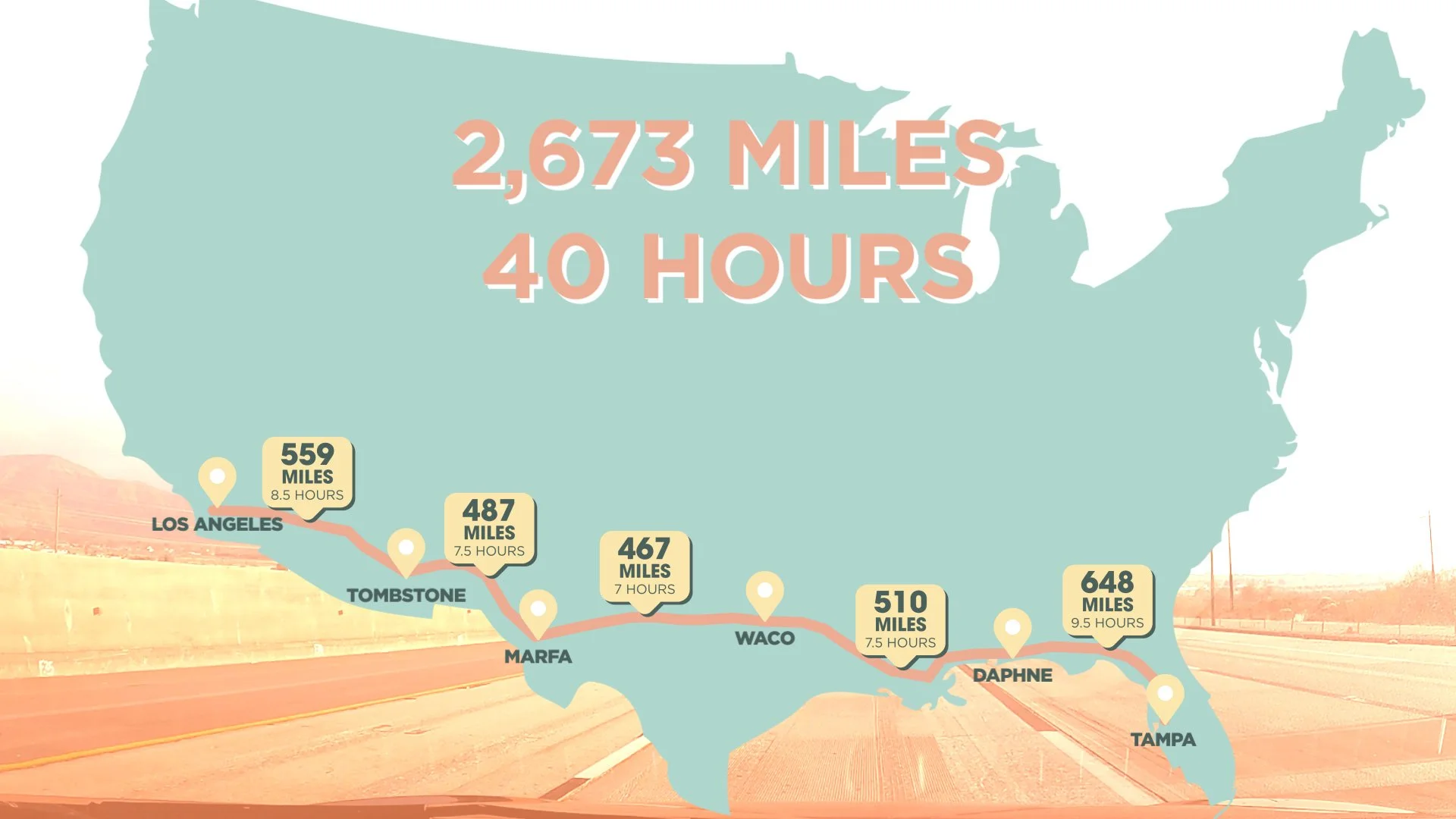
By Road: A cross-country drive from a major Californian city like Los Angeles to a Floridian hub such as Miami typically spans between 2,500 to 3,000 miles (approximately 4,000 to 4,800 kilometers). This figure can fluctuate based on the chosen route. For instance, following the southern route primarily via Interstate 10 (I-10) is a common choice, taking travelers through states like Arizona, New Mexico, Texas, Louisiana, Mississippi, and Alabama before reaching Florida. At a steady pace, this translates to roughly 40 to 50 hours of pure driving time. Factoring in necessary stops for fuel, meals, and overnight rest, a realistic road trip generally takes 4 to 7 days, transforming the journey into an adventure in itself.
-
By Air: For those prioritizing speed and efficiency, flying is the preferred option. The direct flight distance between major airports such as Los Angeles International Airport (LAX) and Miami International Airport (MIA), or San Francisco International Airport (SFO) and Orlando International Airport (MCO), is approximately 2,200 to 2,300 miles (around 3,500 to 3,700 kilometers). A non-stop flight typically takes between 4.5 to 6 hours, making it the quickest way to traverse the continent. However, this doesn’t account for travel to and from airports, security checks, potential layovers, and the significant time zone change, which can add several hours to the overall travel experience.
Navigating the Cross-Country Voyage: Modes of Travel and Timeframes
Choosing how to travel from California to Florida is a decision that shapes the entire experience. Each mode of transport offers a unique perspective on the American landscape, catering to different budgets, time constraints, and travel philosophies.
The Allure of the American Road Trip
The classic American road trip remains an iconic way to experience the vastness of the United States. Driving from California to Florida offers unparalleled freedom and flexibility, allowing travelers to discover hidden gems, soak in local cultures, and create personalized itineraries. This journey is more than just covering miles; it’s about the stops along the way. Travelers can detour to natural wonders like the Grand Canyon National Park in Arizona, explore the historic remnants of Route 66, immerse themselves in the vibrant music and culinary scene of New Orleans, or delve into the aerospace history at Space Center Houston in Texas.
Preparation is key for such an epic journey. This includes a thorough vehicle check, planning daily driving distances, pre-booking accommodations for overnight stops, and mapping out points of interest. Road trippers often opt for a mix of accommodation types, from budget-friendly roadside motels like Motel 6 or Super 8 to more comfortable mid-range options such as Holiday Inn Express or Hampton Inn. The experience caters to various lifestyles, from adventurous solo travelers seeking introspection to families creating lasting memories together.
Soaring Across the Continent: Air Travel
For business travelers, those with limited vacation time, or individuals simply preferring efficiency, air travel is the undisputed champion. A non-stop flight cuts travel time down to mere hours, transforming a week-long journey into a single afternoon. Major airlines frequently offer direct routes between key hubs like LAX or SFO on the West Coast and MIA or Orlando International Airport (MCO) on the East Coast.
While air travel offers speed, it bypasses the ground-level experience of the United States. The journey becomes about the destination rather than the path. However, even with air travel, accommodation considerations are paramount. Many travelers opt for airport hotels for convenience, such as the Hyatt Regency Orlando International Airport or the Miami Airport Marriott, especially for late arrivals or early departures. For longer stays at the destination, choices range from luxury resorts like those by Four Seasons Hotels and Resorts in Miami or the immersive themed hotels at Universal Studios Florida in Orlando, to more budget-conscious hotels or even vacation rentals through platforms like Airbnb.
Alternative Transit: Rail and Bus Considerations
While less common for the entire transcontinental stretch, rail and bus services offer alternative travel experiences, particularly appealing to budget travelers or those seeking a unique journey.

-
Train (Amtrak): Amtrak provides a scenic, albeit significantly longer, route. The Sunset Limited is a prominent route that connects Los Angeles with New Orleans, from where travelers would need to connect to other services to reach Florida. A full journey across the continent by train could take 2 to 3 days, often involving multiple transfers. The appeal lies in the comfortable seating, sleeper car options, and the ability to view the changing landscapes without the stress of driving. It’s an immersive experience for those with time to spare and a desire for a slower pace.
-
Bus (Greyhound): Greyhound offers the most economical option for cross-country travel. While it is the most budget-friendly, it is also the longest and can be the least comfortable, with numerous stops and transfers. A bus journey from California to Florida could easily extend over 3 to 4 days, making it suitable primarily for travelers with very tight budgets and flexible schedules.
Planning Your Transcontinental Adventure: Stops, Stays, and Sights
An epic journey from California to Florida is an opportunity to craft an unforgettable itinerary, weaving together iconic landmarks, local cultures, and comfortable accommodations that enhance the travel experience.
Curating Your Itinerary: West Coast Gems to East Coast Wonders
Beginning on the West Coast, travelers can immerse themselves in the vibrant culture of California. Starting points could include the diverse neighborhoods of Los Angeles, offering everything from the Universal Studios Hollywood to the beaches of Santa Monica, or the sophisticated charm of San Francisco, with its famous Golden Gate Bridge and historic Alcatraz Island. Further south, San Diego offers beautiful beaches, the expansive Balboa Park, and a laid-back vibe.
As the journey progresses eastward, the middle states offer a wealth of attractions. A slight detour could lead to the dazzling entertainment and hotels of Las Vegas in Nevada. Crossing Arizona and New Mexico allows for exploration of stunning desert landscapes and Native American history. Texas, a state vast enough to be a country, offers unique cultural experiences, from the Texan spirit of Houston to the rich history of San Antonio. Further east, Louisiana beckons with the enchanting French Quarter and vibrant jazz scene of New Orleans. Each state provides a distinct flavor of America, from the Deep South charm of Mississippi and Alabama to the coastal beauty of the Florida panhandle.
Arriving in Florida, the options are equally diverse. Orlando is an obvious draw for families, home to Walt Disney World Resort and Universal Studios Florida. For those seeking sun and sophistication, Miami offers the Art Deco beauty of South Beach, upscale dining, and a vibrant nightlife. Other Floridian gems include the artistic city of St. Petersburg, the luxurious golf resorts of Naples, or the tropical allure of the Florida Keys, culminating in the unique charm of Key West.
Accommodation Along the Route: From Budget Motels to Luxury Resorts
The journey between California and Florida can be tailored to any accommodation preference and budget. For road trips, strategic planning of overnight stops is crucial. Along major interstates like I-10 or Interstate 40 (I-40), travelers will find abundant options, from economy chains like Motel 6 and Super 8 offering basic comforts, to mid-range favorites such as Holiday Inn Express, Hampton Inn, or Comfort Inn, which provide a balance of value and amenities like complimentary breakfast and Wi-Fi.
In larger cities or for those seeking a more luxurious experience, boutique hotels, upscale urban retreats, and expansive resorts are available. Brands like Marriott and Hilton offer a wide spectrum of properties, from full-service hotels to extended-stay suites, catering to both leisure and business travelers. For families or longer stops, vacation rentals through platforms like Airbnb can offer more space, privacy, and local immersion. Regardless of the choice, pre-booking accommodation, especially during peak seasons or in popular tourist areas, is highly recommended to ensure availability and potentially secure better rates.
Culinary Delights and Local Experiences
The road from California to Florida is a gastronomic adventure. Starting with California’s fresh, farm-to-table cuisine and diverse international influences, the journey progresses through distinctly American flavors. In Texas, indulging in authentic Texas barbecue is a must, while New Orleans offers a symphony of Creole and Cajun flavors with dishes like New Orleans gumbo, jambalaya, and beignets. Across the South, roadside diners and local eateries provide a taste of regional specialties and hospitality. Upon reaching Florida, the culinary landscape shifts to fresh seafood, vibrant Latin-inspired dishes in Miami, and the unique flavors of the Florida Keys with its famous Key lime pie. Beyond food, engaging with local culture through live music, art galleries, historical museums, and community events enriches the travel experience, transforming mere stops into memorable experiences.
Lifestyle and Logistics: Making the Most of Your Journey
Embarking on a cross-country trip from California to Florida is a significant undertaking that requires careful consideration of various lifestyle and logistical factors to ensure a smooth and enjoyable experience.
Budgeting for Your Trip
Effective budgeting is paramount for any long-distance travel. The costs associated with a California to Florida journey can vary dramatically based on travel style, chosen mode of transport, and duration.
- Transportation: For road trips, fuel costs are a major factor, fluctuating with gas prices and vehicle efficiency. Consider potential car rental fees if not using a personal vehicle. For air travel, flight tickets vary widely based on booking in advance, seasonality, and airline choice.
- Accommodation: This can be one of the largest expenses. Whether opting for budget motels, mid-range hotels, or luxury resorts, daily rates need to be factored in. Utilizing loyalty programs with hotel chains like Marriott or Hilton can offer savings or perks.
- Food: Dining out frequently can add up quickly. A mix of restaurant meals and self-catering (especially if staying in accommodations with kitchenettes) can help manage costs.
- Activities: Entrance fees for national parks, theme parks (like Disneyland in California or Walt Disney World Resort in Florida), museum admissions, and other entertainment should be budgeted.
Creating a detailed spreadsheet can help track anticipated expenses and manage finances throughout the trip.
Family Travel and Solo Expeditions
The nature of the journey also differs greatly based on who is traveling.
- Family Travel: Traveling with family, especially children, requires meticulous planning. Frequent stops for stretching and play are essential on road trips. Choosing accommodations with family-friendly amenities such as swimming pools, kid-friendly activities, and suites (like those offered by Embassy Suites or Residence Inn) can make a big difference. Packing snacks, entertainment, and being prepared for unexpected delays are key to a successful family adventure.
- Solo Expeditions: Solo travelers enjoy unparalleled flexibility and freedom. The journey becomes a personal quest for discovery, offering opportunities for introspection and spontaneous detours. Safety considerations are paramount for solo travelers, especially regarding overnight stops and remote areas. Staying in well-reviewed accommodations and sharing an itinerary with a trusted contact are good practices.

Business Travel Considerations
While leisure travelers might embrace the scenic detours, business travelers prioritize efficiency and productivity. For them, direct flights between major metropolitan areas like Los Angeles and Miami are the default. Accommodations near airports or business districts are preferred, often with amenities crucial for work, such as high-speed Wi-Fi, business centers, meeting facilities, and executive lounges. Hotels such as the Hyatt Regency or Westin properties often cater well to the business traveler’s needs. Sometimes, business trips to one coast might be extended for a short leisure stay, blurring the lines between work and vacation and allowing a brief taste of the destination’s tourism offerings.
The distance between California and Florida is indeed vast, spanning thousands of miles and encompassing a multitude of experiences. Whether you choose the swiftness of air travel, the immersive adventure of a road trip, or the relaxed pace of rail, this transcontinental journey is more than just covering ground. It’s an opportunity to explore the diverse tapestry of America, from its iconic landmarks and vibrant cities to its unique local cultures and culinary delights. Planning this trip opens up a world of choices in travel, accommodation, and lifestyle, promising an unforgettable exploration of the United States from coast to shining coast.
LifeOutOfTheBox is a participant in the Amazon Services LLC Associates Program, an affiliate advertising program designed to provide a means for sites to earn advertising fees by advertising and linking to Amazon.com. Amazon, the Amazon logo, AmazonSupply, and the AmazonSupply logo are trademarks of Amazon.com, Inc. or its affiliates. As an Amazon Associate we earn affiliate commissions from qualifying purchases.