
The allure of the Hawaiian Islands, with their pristine beaches, lush landscapes, and vibrant culture, consistently beckons travelers from the mainland United States. For many on the West Coast, particularly in California, Hawaii represents the ultimate tropical escape. The fundamental question, “How far is California to Hawaii?” is more than just a geographical query; it’s the starting point for planning an unforgettable trans-Pacific journey, influencing everything from travel time and logistics to the overall experience. Understanding this distance is crucial for setting expectations and making informed travel decisions, whether by air or by sea.
Understanding the Trans-Pacific Journey
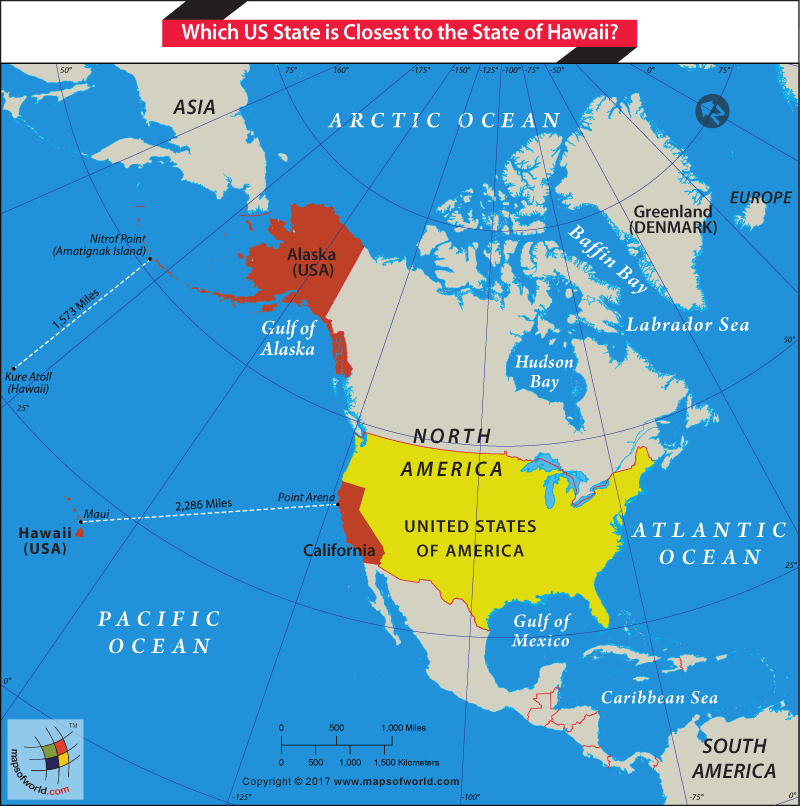
The journey from the continental United States to the remote archipelago of Hawaii spans a significant stretch of the Pacific Ocean. While a map might make the distance appear manageable, the reality involves thousands of miles of open water, positioning Hawaii as one of the most isolated major population centers on Earth. This isolation, paradoxically, is a significant part of its charm, promising a distinct escape from the everyday.
The Nautical Mile Perspective
From a purely geographical standpoint, the distance from California to Hawaii varies slightly depending on the specific departure and arrival points. Generally, the shortest distance between the California coast and the closest Hawaiian island, Kauai, is approximately 2,400 to 2,500 statute miles (about 2,100 to 2,200 nautical miles). However, most commercial travel focuses on the route to Oahu, where the capital city of Honolulu and its primary international airport, Daniel K. Inouye International Airport (HNL), are located. The distance to Honolulu from major California cities averages around 2,550 statute miles. This substantial oceanic expanse is what defines the nature of the journey, emphasizing the need for robust travel planning and efficient modes of transport.
Air Travel Distances: Key Departure Points
For air travelers, the exact distance and flight duration depend on the specific departure city in California and the arrival island in Hawaii.
- From Los Angeles (LAX): Flights to Honolulu typically cover about 2,556 miles. Direct flights usually range from 5 hours and 30 minutes to 6 hours. Destinations like Maui (Kahului Airport, OGG) or Kauai (Lihue Airport, LIH) are similar in distance and flight time.
- From San Francisco (SFO): The distance to Honolulu is approximately 2,398 miles, making it slightly shorter than from Los Angeles. Direct flights generally take around 5 hours and 15 minutes to 5 hours and 45 minutes.
- From San Diego (SAN): Travelers from San Diego will find the distance to Honolulu to be roughly 2,624 miles, resulting in a slightly longer flight time, typically around 6 hours to 6 hours and 30 minutes.
These figures highlight that while the exact miles vary, the journey is consistently a multi-hour commitment, necessitating comfortable travel arrangements and thoughtful preparation for the time spent aloft.
Modes of Travel: Air Versus Sea
The decision of how to traverse the vast expanse between California and Hawaii is a crucial one, shaping the entire travel experience. Each mode offers distinct advantages, catering to different preferences for speed, comfort, and the journey itself. Whether prioritizing efficiency or embracing the leisurely pace of an ocean voyage, understanding these options is key to tailoring your ideal trip.
Flying Across the Pacific
Air travel remains by far the most popular and efficient way to reach Hawaii from California. Numerous airlines operate daily direct flights, ensuring connectivity to the major Hawaiian islands. Airlines like Hawaiian Airlines, United Airlines, Delta Air Lines, American Airlines, and Southwest Airlines provide extensive service from key California hubs such as Los Angeles International Airport (LAX), San Francisco International Airport (SFO), and San Diego International Airport (SAN).
Flight durations, as noted, range from approximately 5.5 to 6.5 hours for direct routes. While this is a significant amount of time, it allows travelers to depart in the morning and arrive in Hawaii by early afternoon, often on the same calendar day due to the time zone difference. Travelers can choose from various cabin classes, from economy to first class, with amenities like in-flight entertainment, meals, and Wi-Fi increasingly common, making the journey as comfortable as possible. The speed and frequency of flights make air travel the go-to option for those seeking to maximize their time enjoying the islands themselves.
The Oceanic Voyage: Cruise Ships
For those who view the journey as part of the destination, a cruise from California to Hawaii offers a dramatically different experience. This mode of travel transforms the several thousand miles of ocean into a luxurious, multi-day adventure. Cruise itineraries typically depart from California ports like Los Angeles (Port of Los Angeles) or San Diego (Port of San Diego), taking anywhere from 4 to 6 days to reach the first Hawaiian island. The total round-trip journey, including several days of island hopping, can easily span 14 to 18 days.
Major cruise lines, including Norwegian Cruise Line, Princess Cruises, Holland America Line, and Royal Caribbean International, offer these voyages. Onboard, passengers enjoy a wealth of amenities: multiple dining options, entertainment venues, swimming pools, spas, and various activities designed to make the sea days enjoyable. The cruise allows travelers to unpack once and visit multiple islands such as Oahu, Maui, Kauai, and the Big Island without the hassle of inter-island flights or constant hotel changes. While significantly slower than flying, a cruise to Hawaii offers a holistic travel experience, blending relaxation at sea with exploration ashore.
Planning Your Hawaiian Escape: Beyond the Miles
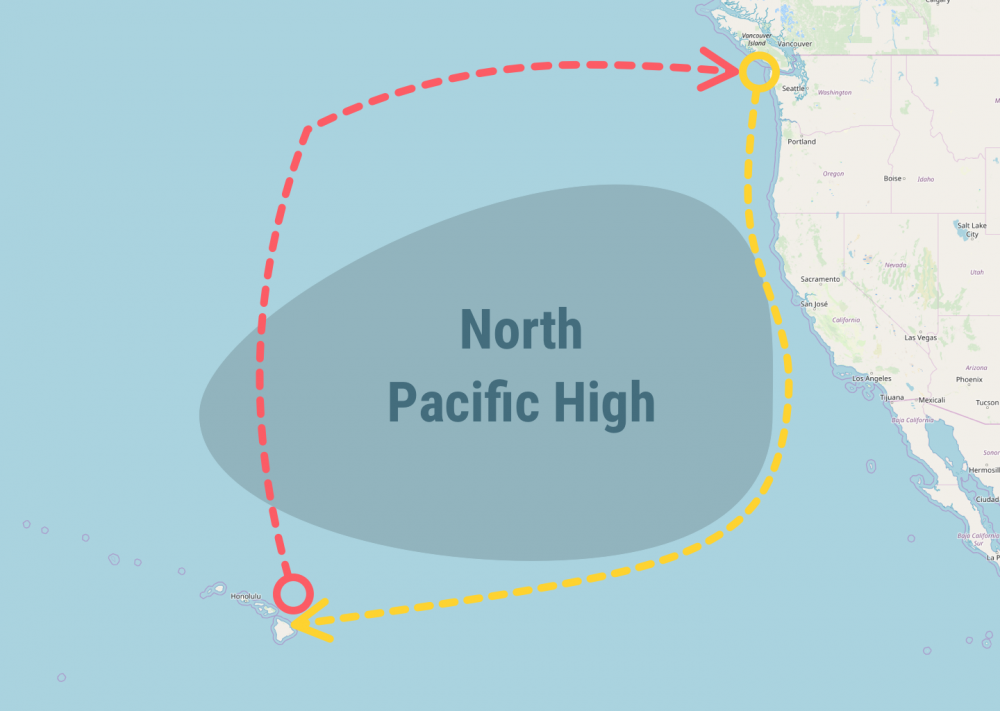
While understanding the physical distance is foundational, truly planning a successful Hawaii trip from California involves much more than just calculating miles. It requires careful consideration of timing, preparation, and practical logistics to ensure a seamless and enjoyable experience. This proactive approach to planning transforms the journey from a simple transfer into an integral part of the adventure.
Best Time to Travel
Choosing the right time to visit Hawaii can significantly impact your experience. Generally, the shoulder seasons—April to June and September to November—are considered ideal. During these months, the weather is pleasant, rainfall is minimal, and tourist crowds are thinner compared to peak seasons. The peak travel seasons, typically December to March (winter) and July to August (summer), coincide with school holidays and colder weather on the mainland. While these periods offer vibrant atmospheres and often perfect beach weather, they also bring higher prices for flights and accommodations, and more crowded attractions. Traveling during hurricane season (June to November) requires monitoring weather forecasts, though direct hits are rare. Off-peak travel can offer more budget-friendly options and a more tranquil experience, but may also mean fewer activity choices or altered hours.
Essential Packing for a Pacific Journey
Packing smart is crucial for both the long journey and your time on the islands. For the flight or cruise, prioritize comfort: breathable clothing, layers, a neck pillow, and entertainment options. Given Hawaii’s tropical climate, lightweight, quick-drying clothing is a must. Essentials include swimwear, reef-safe sunscreen (mandatory in Hawaii), insect repellent, a wide-brimmed hat, sunglasses, and comfortable walking shoes or sandals. Reusable water bottles are highly recommended to stay hydrated and reduce plastic waste. Don’t forget any necessary medications, charging cables, and a camera to capture the stunning scenery. For those planning to hike, appropriate gear such as sturdy shoes and a light rain jacket will be beneficial.
Navigating Time Zones
The time zone difference between California and Hawaii is another crucial element to consider. California observes Pacific Time (PT), which also follows Daylight Saving Time. [Hawaii](https://lifeoutofthebox.com/hawaii], however, operates on Hawaii Standard Time (HST) year-round and does not observe Daylight Saving. This means during Daylight Saving Time (roughly March to November), Hawaii is 3 hours behind California. For example, if it’s 3 PM in Los Angeles, it’s 12 PM in Honolulu. During the winter months, when California reverts to Standard Time, the difference shrinks to 2 hours. This time difference can lead to jet lag, particularly on the return journey, so factor in a day or two for adjustment upon arrival and departure. Hydration and light activity on travel days can help mitigate its effects.
Maximizing Your Journey: Tips for a Seamless Trip
Beyond the logistics of distance and timing, enhancing your travel experience involves making smart choices about your destination within Hawaii and strategic booking. A thoughtful approach ensures that the journey is not just efficient, but also a joyful prelude to your island adventure.
Choosing Your Hawaiian Island Destination
With multiple distinct islands, each offering unique attractions, selecting your Hawaiian destination is a key decision.
- Oahu: Home to Honolulu and the iconic Waikiki Beach, Oahu offers a blend of urban sophistication, historical sites like Pearl Harbor, and world-class surfing on the North Shore. It’s ideal for first-time visitors seeking a vibrant mix of activities and amenities.
- Maui: Known as the “Valley Isle,” Maui is celebrated for its stunning beaches, the scenic Road to Hana, and the majestic sunrise views from Haleakala National Park. It caters to travelers looking for romance, adventure, and luxurious relaxation.
- Kauai: The “Garden Isle” lives up to its name with verdant rainforests, dramatic cliffs of the Na Pali Coast, and lush valleys. It’s a haven for outdoor enthusiasts, hikers, and those seeking raw natural beauty and tranquility.
- Big Island: Offering incredible diversity, the Big Island boasts active volcanoes in Hawaii Volcanoes National Park, black sand beaches, coffee farms, and snow-capped peaks. It’s perfect for adventurers eager to witness unique geological wonders.
Consider what type of experience you desire—bustling city life, serene nature, or an adrenaline-fueled adventure—when making your choice. Many travelers also opt for island-hopping to experience a broader spectrum of what Hawaii has to offer.
Booking Strategies for Flights and Cruises
Securing the best deals for your trans-Pacific travel requires strategic planning. For flights, booking 2 to 4 months in advance often yields optimal prices, though flexibility with travel dates can sometimes uncover last-minute deals. Mid-week flights (Tuesday-Thursday) are typically less expensive than weekend travel. Utilize flight comparison websites, but also check individual airline sites for exclusive offers or package deals. Loyalty programs can also provide significant savings or upgrades. For cruises, booking well in advance (6-12 months) is advisable, especially for popular itineraries, as cabins can sell out quickly. Keep an eye out for early bird discounts, last-minute deals (if you have flexibility), and promotions that include onboard credit or complimentary excursions.

Onboard Comfort for Long-Haul Travel
Whether flying for several hours or embarking on a multi-day cruise, making your journey comfortable is essential. For flights, wear loose, comfortable clothing and bring noise-canceling headphones, a good book or downloaded movies, and a portable charger. Stay hydrated by drinking plenty of water and moving around the cabin periodically to prevent stiffness. On cruises, investing in a cabin with a balcony can greatly enhance the experience of the sea days. Take advantage of onboard amenities early in the journey, familiarize yourself with the ship’s layout, and participate in activities that align with your interests. Both modes of travel offer opportunities to relax and transition into your vacation mindset long before you step foot on Hawaiian soil. By focusing on these elements, your journey from California to Hawaii becomes not merely a means to an end, but an enjoyable part of your overall travel narrative.
LifeOutOfTheBox is a participant in the Amazon Services LLC Associates Program, an affiliate advertising program designed to provide a means for sites to earn advertising fees by advertising and linking to Amazon.com. Amazon, the Amazon logo, AmazonSupply, and the AmazonSupply logo are trademarks of Amazon.com, Inc. or its affiliates. As an Amazon Associate we earn affiliate commissions from qualifying purchases.