
The geographical relationship between Champaign and Chicago is a common query for those planning a trip within Illinois. Whether you’re a local looking for a weekend getaway, a student visiting the University of Illinois Urbana-Champaign, or a tourist exploring the diverse offerings of the Prairie State, understanding the distance and travel options between these two notable locations is key. This comprehensive guide will delve into the specifics of their separation, exploring various travel methods, estimated times, and what each destination uniquely offers, ensuring your journey is as smooth and enjoyable as possible.
Navigating the Distance: Understanding the Miles Between Champaign and Chicago
At its core, the question “How far is Champaign from Chicago?” can be answered in terms of road mileage. The most direct driving route typically spans approximately 135 to 140 miles, depending on the exact starting and ending points within each city. This distance translates into a manageable travel time, making a day trip feasible for some, while others might prefer to make it a more leisurely overnight excursion.
Driving: The Freedom of the Open Road
Embarking on a road trip from Champaign to Chicago offers a sense of freedom and flexibility that other modes of transport can’t quite match. The primary route is usually via Interstate 57 North, which then merges into Interstate 90 West as you approach the Chicagoland area.
The estimated driving time can vary significantly based on several factors:
- Traffic Conditions: Chicago is a major metropolitan area, and traffic can be a significant consideration, especially during peak hours (morning and evening commutes) and on weekends. Driving into or out of the city during these times can add considerable minutes, or even hours, to your journey. Conversely, traveling during off-peak hours can make the drive remarkably quicker.
- Road Construction: Like any major highway system, sections of I-57 and I-90 can be subject to construction, leading to lane closures and delays. It’s always a good idea to check real-time traffic updates before you depart.
- Stops Along the Way: The beauty of a road trip is the ability to stop. You might choose to break up the drive with a meal in a smaller town like Kankakee or visit an attraction. While these stops are enjoyable, they will extend your overall travel duration.
- Weather: Adverse weather conditions, such as snow or heavy rain, particularly during the winter months, can slow down traffic considerably and increase travel times.
Generally, without significant traffic or unexpected delays, the drive between Champaign and Chicago typically takes between 2 hours and 30 minutes to 3 hours and 30 minutes. However, it’s wise to budget for a bit more time, especially if you’re unfamiliar with the route or heading into the city during busy periods.
Key Interstate Routes:
- I-57 North: This is your primary artery heading out of Champaign. It’s a well-maintained interstate that serves as the backbone for much of the north-south travel in Illinois.
- I-90 West: As you get closer to Chicago, I-57 will connect you to I-90 West, which will lead you directly into the heart of the city, passing through the northern suburbs.
For those who enjoy the scenic route, there are always alternative, non-interstate roads, but these will significantly increase travel time and are generally not recommended for a direct journey unless you have ample time and a desire for a more rural experience.
Bus Services: A Convenient and Affordable Option
For travelers who prefer not to drive or who are looking for a more budget-friendly option, bus services offer a practical way to get from Champaign to Chicago. Companies like Greyhound and Peoria Charter are popular providers, connecting the two cities regularly.
The travel time by bus is typically longer than by car, usually ranging from 3 to 4 hours. This is due to several factors:
- Scheduled Stops: Buses make scheduled stops in various towns along the route to pick up and drop off passengers, which naturally adds to the overall journey time.
- Traffic Considerations: Bus drivers also need to navigate traffic, and the larger size of a bus can sometimes make maneuvering through congested areas a bit slower than a car.
- Boarding and Disembarking: Time is also allocated for passengers to board and alight at each terminal.
Despite the slightly longer travel time, bus services are an excellent choice for many. They eliminate the stress of driving, parking in Chicago, and dealing with potential traffic jams. Passengers can relax, read, catch up on work, or simply enjoy the passing scenery.
Advantages of Bus Travel:
- Cost-Effective: Bus tickets are often more affordable than train tickets or the cost of gas and parking for a car.
- Convenience: Many bus routes offer multiple departures throughout the day, providing flexibility for your travel plans.
- Eco-Friendly: Traveling by bus is generally more environmentally friendly per passenger mile than individual car travel.
The main bus terminals in Champaign are centrally located, making them easily accessible. Similarly, Chicago’s bus stations are usually situated in convenient downtown or near-downtown locations, allowing for easy onward travel to your final destination within the city.
Train Travel: A Relaxing Journey Through the Heartland
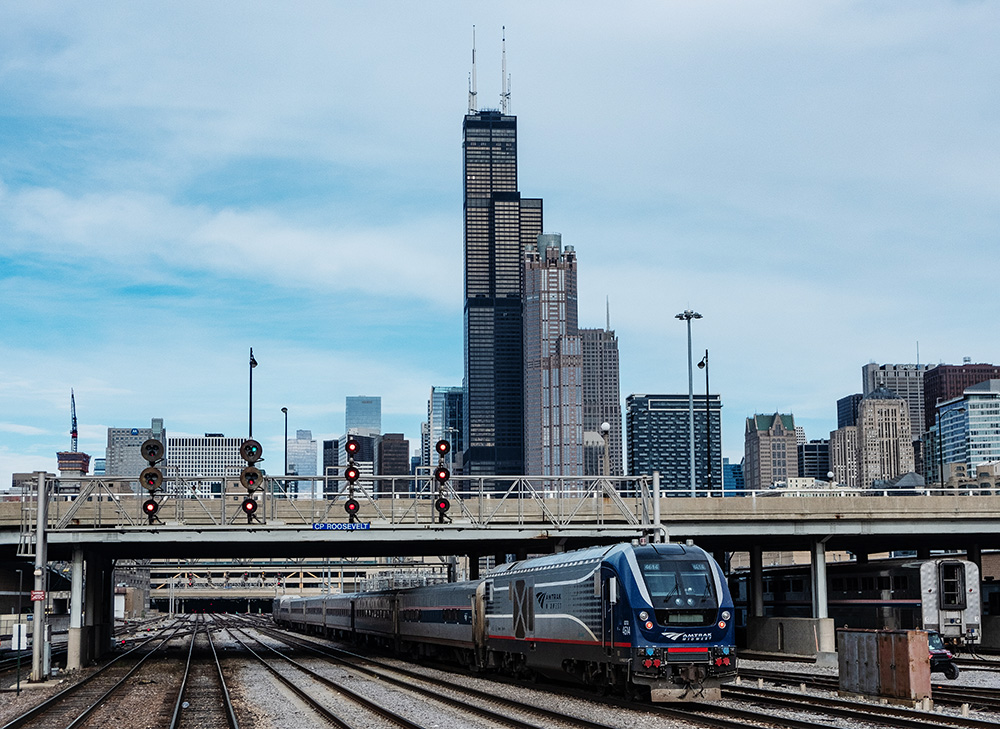
For a truly comfortable and scenic travel experience, the train is an outstanding option for traversing the distance between Champaign and Chicago. Amtrak operates regular services on the Lincoln Service route, providing a direct and enjoyable connection.
The train journey from Champaign-Urbana station to Chicago Union Station typically takes around 2 hours and 30 minutes to 3 hours. This duration is quite comparable to driving, but the experience is vastly different.
Why Choose Amtrak?
- Comfort and Space: Amtrak trains offer more legroom than airplane seats, and passengers are free to walk around the aisles, visit the cafe car, or simply recline in their seats and enjoy the ride.
- Scenic Views: The train route passes through the picturesque Illinois countryside, offering views of rolling fields, small towns, and the Illinois River, which are often inaccessible or less appreciated from the highway.
- Productivity and Relaxation: With onboard Wi-Fi and power outlets, the train is an ideal environment for catching up on work or simply unwinding without the stress of driving. You can enjoy a meal in the dining car or a snack from the cafe car.
- Punctuality: Amtrak generally maintains a good record for punctuality, although occasional delays can occur.
- Convenience: Chicago Union Station is a major hub, well-connected to public transportation within the city, making it easy to reach your final destination.

The Lincoln Service route is a vital link, serving not only Champaign and Chicago but also several other communities along the way, contributing to the state’s transportation network. Booking tickets in advance can often secure better fares, especially if you’re planning during peak travel times or holidays.
Exploring the Destinations: Champaign vs. Chicago
Understanding the distance is only part of the equation; knowing what each city offers is crucial for planning your trip. Champaign and Chicago present vastly different, yet equally compelling, experiences within Illinois.
Champaign: A Hub of Innovation and Academia
Champaign, often referred to as Champaign-Urbana due to its close proximity and shared identity with the neighboring city of Urbana, is primarily known as the home of the esteemed University of Illinois Urbana-Champaign (UIUC). This academic powerhouse infuses the city with a youthful energy, a strong intellectual atmosphere, and a vibrant cultural scene that punches well above its weight for a city of its size.
Key Attractions and Experiences in Champaign:
- The University of Illinois Urbana-Champaign (UIUC): The campus itself is a landmark, featuring beautiful architecture, expansive green spaces, and numerous cultural and educational institutions. Visitors can explore the Spurlock Museum of World Cultures, attend a performance at the Krannert Center for the Performing Arts, or witness the athletic prowess at State Farm Center.
- Downtown Champaign: This area has undergone significant revitalization and now boasts a lively atmosphere with independent boutiques, diverse restaurants, craft breweries, and live music venues. It’s a great place to explore on foot, soak in the local atmosphere, and enjoy a meal or a drink.
- Cultural and Recreational Activities: Beyond the university, Champaign offers a range of activities. The Curtis Orchard and Pumpkin Patch is a popular seasonal destination, offering apple picking, hayrides, and delicious baked goods. For nature enthusiasts, Homer Lake Forest Preserve provides opportunities for hiking and enjoying the natural beauty of Central Illinois.
- Economic and Technological Hub: Champaign is also a growing center for technology and research, with numerous startups and established tech companies contributing to its dynamic economy.
Champaign offers a more laid-back, community-focused vibe, making it an excellent destination for those seeking a blend of academic sophistication, local charm, and outdoor recreation. It’s a place where the pace is a little slower than in a major metropolis, allowing for a more relaxed exploration.
Chicago: The Iconic Midwest Metropolis
Chicago, the “Windy City,” is a world-class destination renowned for its stunning architecture, vibrant arts and culture scene, incredible culinary landscape, and iconic landmarks. As Illinois‘s largest city and a major global hub, Chicago offers an urban experience that is both exhilarating and diverse.
Key Attractions and Experiences in Chicago:
- Architecture and Landmarks: Chicago is a mecca for architecture buffs. From the historic Willis Tower (formerly Sears Tower) and the elegant John Hancock Center to the modern marvels along the Chicago Riverwalk, the city’s skyline is a testament to innovative design. Boat tours offering architectural commentary are a must-do.
- World-Class Museums: The city boasts some of the nation’s finest museums, including the Art Institute of Chicago, the Field Museum of Natural History, the Shedd Aquarium, and the Adler Planetarium, all located within the beautiful Museum Campus.
- Parks and Green Spaces: Despite its urban density, Chicago is home to stunning parks. Millennium Park, featuring the iconic “The Bean” (Cloud Gate), and Grant Park, home to Buckingham Fountain, are central gathering places and vibrant urban oases. Lincoln Park offers a zoo, gardens, and lakefront access.
- Culinary Delights: Chicago is a foodie’s paradise, famous for its deep-dish pizza, Chicago-style hot dogs, and an innovative restaurant scene that spans every cuisine imaginable and price point. Michelin-starred establishments sit alongside beloved neighborhood eateries.
- Arts and Entertainment: The city thrums with energy, from Broadway shows and independent theater productions to live music venues hosting everything from blues and jazz to rock and electronic music. The Magnificent Mile offers high-end shopping, while vibrant neighborhoods like Wicker Park and Lincoln Park provide unique shopping and dining experiences.
Chicago provides an immersive urban adventure, packed with endless possibilities for exploration, entertainment, and cultural enrichment. It’s a destination that caters to a wide range of interests, from history and art to sports and nightlife.
Planning Your Trip: Accommodation and Travel Tips
When planning your journey from Champaign to Chicago, or vice versa, considering accommodation and a few practical tips will enhance your experience.
Accommodation Options
Your choice of accommodation will heavily depend on your travel style and budget, as well as your primary reason for visiting.
In Champaign:
- University Proximity: If your visit is centered around the University of Illinois Urbana-Champaign, you’ll find numerous hotels and extended-stay options conveniently located near campus, catering to visiting families, prospective students, and academics.
- Downtown Charm: For a more local feel, consider boutique hotels or vacation rentals in downtown Champaign, offering easy access to its burgeoning restaurant and entertainment scene.
- Resorts and Leisure: While Champaign is not typically known for large resorts, the surrounding areas offer more rural lodging options if you’re seeking a peaceful retreat.
In Chicago:
- Downtown and Loop Hotels: For first-time visitors or those focused on sightseeing, staying in the Loop or near the Magnificent Mile provides unparalleled access to major attractions, theaters, and business districts. Options range from luxury hotels like the Ritz-Carlton Chicago and business-oriented establishments to more affordable chains.
- Neighborhood Stays: For a more authentic Chicago experience, consider staying in vibrant neighborhoods like Lincoln Park, Wicker Park, or River North. These areas offer unique boutique hotels and apartments, often at more reasonable prices, and immerse you in local life.
- Extended Stays and Apartments: If you’re planning a longer visit, consider serviced apartments or extended-stay hotels, which can offer more space, kitchen facilities, and a home-away-from-home feel.
- Resorts and Spas: While Chicago is an urban center, there are luxurious hotels and resorts within the city that offer spa services and upscale amenities for those seeking a pampering experience.
When booking, always compare prices across different platforms and consider reading recent reviews to ensure the accommodation meets your expectations regarding cleanliness, service, and location. Booking in advance is highly recommended, especially for Chicago, as popular hotels can fill up quickly, particularly during major events and holidays.

Travel Tips for the Journey
- Book in Advance: Whether you opt for train tickets, bus fares, or even rental cars, booking ahead of time can often lead to significant savings and ensure availability, especially during peak travel seasons or holidays.
- Check Traffic and Weather: As mentioned, traffic in Chicago and weather conditions can greatly impact travel times. Utilize real-time traffic apps and weather forecasts before and during your journey.
- Utilize Public Transportation: Once in Chicago, relying on public transportation – the “L” train and buses – is often the most efficient way to get around, avoiding parking hassles and costs. A Ventra card is essential for seamless travel.
- Pack Accordingly: Depending on the season, Illinois weather can be unpredictable. Pack layers, comfortable walking shoes, and be prepared for varying temperatures, especially between the more temperate Champaign and the potentially windier Chicago.
- Embrace the Local Culture: Both Champaign and Chicago have unique local flavors. Take the time to explore beyond the major tourist spots, try local eateries, and engage with the community to get the most out of your visit.
By understanding the distance, exploring various travel methods, and being aware of what each destination offers, your trip between Champaign and Chicago can be a thoroughly enjoyable and memorable experience, perfectly tailored to your travel desires.