
While the question “What Is The Population Of Florida State?” might seem straightforward, delving into the answer reveals a dynamic demographic landscape that profoundly influences the state’s vibrant tourism, extensive accommodation options, and diverse lifestyle offerings. The Sunshine State, a perennial favorite for travelers, residents, and business alike, boasts a population that is not only substantial but also continually evolving, shaping everything from the availability of luxury resorts to the bustling atmosphere of its iconic landmarks. Understanding this demographic core is key to appreciating the full spectrum of experiences that Florida offers.
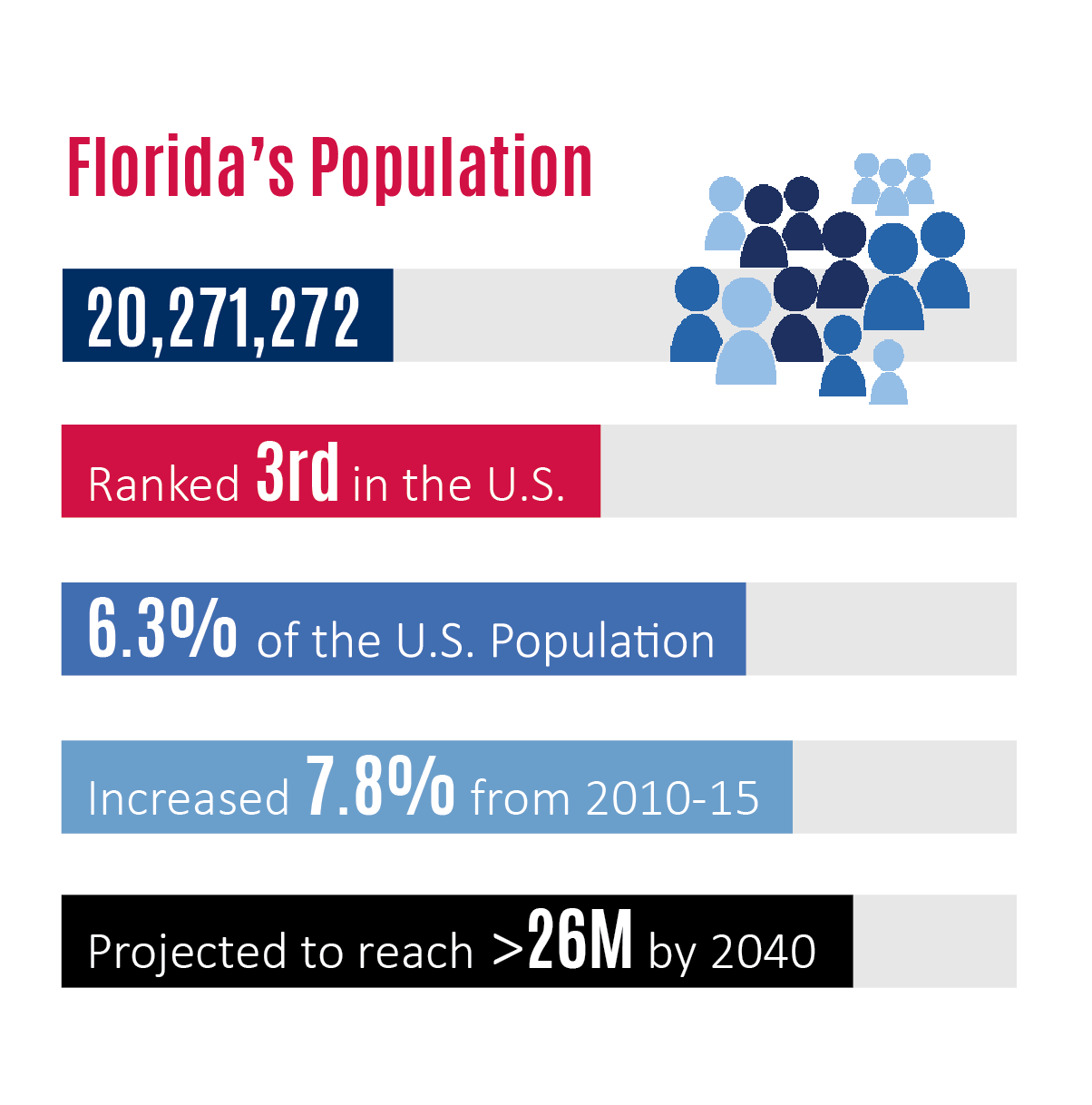
Florida’s population growth has been a defining characteristic for decades, driven by a combination of economic opportunities, a desirable climate, and a rich tapestry of attractions. This growth has a direct correlation with the flourishing tourism industry, necessitating a vast array of hotels, resorts, and other accommodations to cater to millions of visitors annually. From the sprawling theme parks of Orlando to the sun-drenched beaches of Miami and the historical charm of St. Augustine, the sheer number of people drawn to Florida necessitates a robust infrastructure that supports both its permanent residents and its transient visitors.
The Ever-Growing Numbers: Florida’s Population Dynamics
The population of Florida State is not a static figure but a constantly shifting metric that reflects its status as one of the most populous states in the United States. As of recent estimates, Florida is home to well over 22 million residents, consistently ranking it among the top three most populous states. This impressive number signifies a thriving economy, a magnet for both domestic and international migration, and a testament to the state’s appeal as a place to live, work, and retire.
Key Drivers of Population Growth
Several factors contribute to Florida’s sustained population surge.
Economic Opportunities and Business Climate
Florida has cultivated a business-friendly environment that attracts numerous industries, from technology and aerospace to healthcare and finance. Major metropolitan areas like Tampa, Jacksonville, and Fort Lauderdale serve as economic hubs, creating jobs and drawing skilled workers from across the nation and beyond. This economic vitality is a cornerstone of its population growth, as individuals seek better career prospects and financial stability. The presence of innovation districts and a supportive regulatory framework encourage entrepreneurship and investment, further bolstering the state’s economic appeal. Companies are drawn to the state’s favorable tax policies and its access to a large and growing consumer base.
Retirement and Lifestyle Appeal
The allure of the Sunshine State extends significantly to retirees. Its warm climate, abundant golf courses, beautiful beaches, and a lower cost of living compared to some other popular retirement destinations make it a top choice for those seeking to enjoy their golden years. Communities catering specifically to seniors are prevalent throughout the state, from the Villages to smaller, more intimate enclaves. This demographic influx not only adds to the population count but also shapes the demand for specific types of housing, healthcare services, and leisure activities. The lifestyle aspect is undeniable, with a focus on outdoor recreation and a relaxed pace of life that appeals to a broad spectrum of age groups.
In-Migration and Diversity
Florida is a melting pot of cultures and backgrounds. It experiences significant in-migration not only from other US states but also from countries in Latin America and the Caribbean. Cities like Miami and Orlando are particularly diverse, boasting vibrant cultural enclaves that contribute to the state’s unique identity. This diversity enriches the local culture, influences the culinary scene, and creates a dynamic social fabric. The state actively embraces and celebrates this multiculturalism, making it a welcoming destination for people from all walks of life. The influx of different traditions and languages adds layers of richness to the overall experience of living in or visiting Florida.
Impact on Tourism and Travel
The sheer volume of residents and visitors means Florida is a powerhouse in the tourism sector. The population figure directly influences the scale and variety of tourist offerings.
Accommodation Needs
With millions of residents and tens of millions of tourists annually, the demand for accommodation in Florida is immense. This fuels a thriving hotel industry, offering everything from budget-friendly motels to ultra-luxury resorts. Cities like Miami Beach are renowned for their glamorous hotels and vibrant nightlife, while areas near theme parks such as Walt Disney World Resort and Universal Orlando Resort feature massive resort complexes designed to immerse visitors in themed experiences. Beyond traditional hotels, the state also sees a significant market for vacation apartments, villas, and longer-term stays, catering to families, groups, and those seeking a home-away-from-home feel. The constant development of new properties and the renovation of existing ones highlight the sustained demand. Booking platforms and comparison websites are essential tools for navigating this vast landscape of lodging options.
Attractions and Entertainment
The population density and tourist influx are the lifeblood of Florida’s world-class attractions. Theme parks, natural parks, museums, and entertainment venues thrive due to the constant stream of visitors. The presence of a large resident population also ensures a steady local customer base for these establishments, supporting year-round operations. From the iconic Everglades National Park to the thrilling roller coasters at Busch Gardens Tampa Bay, the sheer scale of entertainment options reflects the demand generated by millions of people. Many attractions offer special resident discounts, acknowledging the importance of the local population to their sustained success. The planning and development of new attractions often consider the projected growth of both the resident and tourist populations.
Culinary and Cultural Experiences
The diverse population of Florida translates into an incredibly rich culinary and cultural scene. International influences are evident in the wide array of restaurants, from authentic Cuban cuisine in Miami to fresh seafood along the coast. Local culture is celebrated through festivals, art events, and historical sites that attract both residents and tourists. This cultural vibrancy is a significant draw for travelers seeking authentic experiences. The growth of the population also fuels a demand for a wider variety of dining and entertainment options, pushing the boundaries of innovation and creativity in these sectors. Exploring the local food markets and attending community events provides a deeper understanding of the state’s dynamic lifestyle.
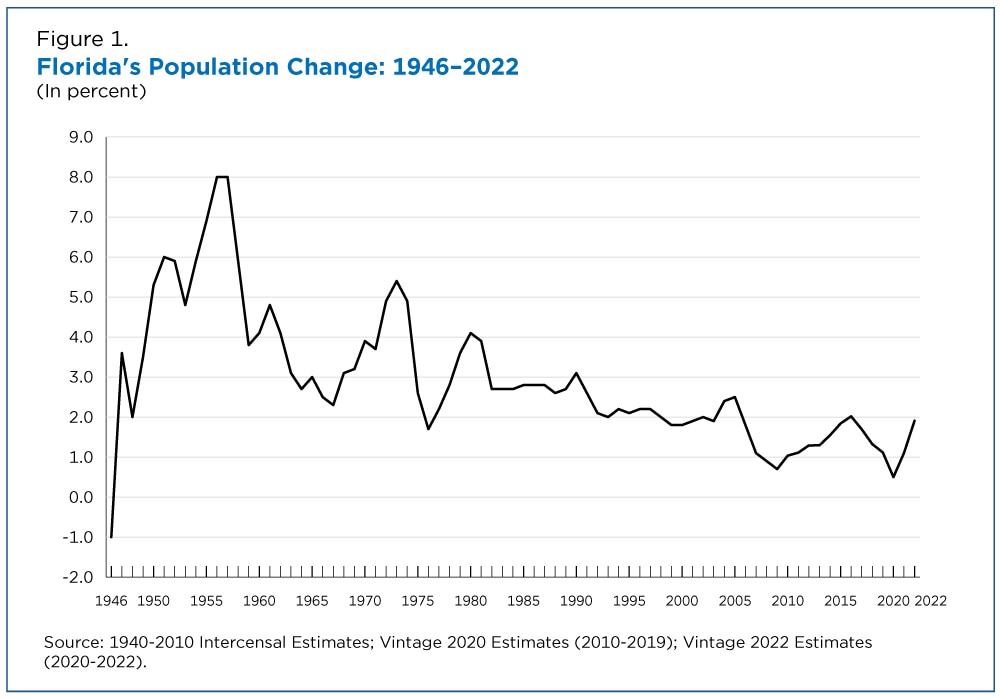
The Economic Ripple Effect: Population and Infrastructure
The substantial population of Florida necessitates a robust and ever-expanding infrastructure, impacting everything from transportation to housing and public services. This constant demand fuels economic activity and shapes the lifestyle of both residents and visitors.
Transportation Networks
With millions of cars on the road and a constant flow of tourists arriving by air and sea, Florida boasts an extensive transportation network. Major international airports in Miami, Orlando, and Fort Lauderdale handle millions of passengers annually. The state’s highway system, including the Florida Turnpike and Interstate 95, is crucial for inter-city travel and freight transport. Public transportation systems in larger cities are vital for residents and tourists alike, providing access to attractions, business districts, and residential areas. The sheer volume of people necessitates continuous investment in maintaining and upgrading these systems, as well as exploring new solutions for congestion management.
Seaports and Cruise Lines
Florida’s extensive coastline and strategic location make it a major hub for international trade and leisure cruising. Ports like PortMiami, Port Everglades, and Port Canaveral are among the busiest in the world, serving as departure points for numerous cruise lines. This maritime industry is a significant economic driver, supported by the large number of people seeking cruise vacations and the volume of goods that pass through the ports. The cruise industry alone contributes billions of dollars to the state’s economy and creates thousands of jobs, further influencing the population’s economic landscape.
Housing and Development
The continuous population growth directly translates into a high demand for housing. This has led to extensive real estate development across the state, from single-family homes and condominiums to apartment complexes and luxury villas. The construction industry is a significant employer, and the real estate market plays a crucial role in the state’s economy. Different regions of Florida have distinct housing markets, catering to various lifestyles and budgets. For instance, coastal areas might see a boom in vacation rentals and high-end condos, while inland cities may focus on family homes and affordable housing. The availability and cost of accommodation, whether for a short vacation or a long-term stay, are directly influenced by the underlying population dynamics.
Public Services and Resources
A large and growing population places considerable demands on public services, including education, healthcare, and utilities. Florida invests heavily in its public school system, from kindergarten to university level, as well as its healthcare infrastructure, including hospitals and specialized medical centers. The state’s natural resources, such as water and energy, are managed to meet the needs of its population. The ongoing development of new communities and urban centers requires careful planning to ensure adequate provision of these essential services. The capacity of these services is a crucial factor for businesses considering relocation and for individuals deciding where to settle.
Living in the Sunshine State: Lifestyle and Community
The significant population of Florida fosters a diverse range of lifestyle choices and a strong sense of community, both for its residents and for those who visit and experience its unique atmosphere.
Diverse Lifestyles
Florida offers a lifestyle to suit almost everyone. Whether one seeks the vibrant energy of a cosmopolitan city like Miami, the family-friendly attractions and theme parks of Orlando, the sophisticated resort towns along the coast, or the tranquil beauty of its natural landscapes, there is a place and an experience for all. The state caters to various travel styles, from luxurious getaways at five-star resorts to budget-friendly road trips exploring its many state parks. The sheer density of people means there’s always something happening, from cultural festivals and sporting events to farmers’ markets and art exhibitions. This constant activity shapes the daily lives of its inhabitants and offers endless exploration for visitors.
Luxury and Budget Travel
The wide spectrum of the population supports both ends of the travel budget spectrum. Florida is home to some of the world’s most exclusive resorts and private villas, offering unparalleled luxury and personalized service for those who can afford it. Simultaneously, it provides numerous options for budget travelers, including affordable hotels, hostels, and campgrounds, along with free or low-cost attractions like beaches and public parks. This accessibility makes Florida a destination for virtually anyone, regardless of their financial means. The competitive nature of the tourism industry ensures a wide range of pricing for accommodations, dining, and activities.
Family and Business Stays
The state is a prime destination for family vacations, with its world-renowned theme parks, kid-friendly beaches, and numerous educational attractions. Many hotels and resorts cater specifically to families, offering amenities like kids’ clubs, water parks, and spacious suites. On the other hand, Florida’s strong economy and excellent transportation links make it an attractive destination for business travel. Major convention centers in cities like Orlando and Tampa host numerous events, and business travelers can find a wide range of hotels and serviced apartments suitable for corporate stays. The state’s appeal extends to long-term stays, with a growing number of options for extended visits that combine business or leisure with a temporary home base.

Community and Social Fabric
The diverse population of Florida creates a rich and dynamic social fabric. Each city and region has its own distinct character, influenced by its history, demographics, and local culture. From the bustling metropolises to charming small towns and vibrant coastal communities, residents and visitors alike can find a sense of belonging and a wealth of social activities. The state’s emphasis on outdoor living, with its beaches, parks, and waterways, encourages community interaction and recreational pursuits. This vibrant social scene, fueled by a large and active population, is a significant part of what makes Florida such a unique and engaging place to explore.
In conclusion, the question of “What Is The Population Of Florida State?” opens a window into a world of opportunity and experience. The numbers themselves are impressive, but their impact is far more profound, shaping the state’s tourism industry, its accommodation landscape, its diverse lifestyle offerings, and the very fabric of its communities. Whether you are planning a luxury resort stay, exploring historical landmarks, or simply enjoying a budget-friendly beach vacation, understanding the demographic forces at play provides a deeper appreciation for the Sunshine State.
LifeOutOfTheBox is a participant in the Amazon Services LLC Associates Program, an affiliate advertising program designed to provide a means for sites to earn advertising fees by advertising and linking to Amazon.com. Amazon, the Amazon logo, AmazonSupply, and the AmazonSupply logo are trademarks of Amazon.com, Inc. or its affiliates. As an Amazon Associate we earn affiliate commissions from qualifying purchases.