
Travelers frequently inquire about the distance and practicalities of navigating between Chicago, Il, a global metropolis, and Champaign, Il, a vibrant college town and agricultural hub in central Illinois. Understanding this journey is crucial for planning trips, whether for academic pursuits, business, or leisure. The trek between these two significant Illinois locales is a well-trodden path, offering multiple transportation options and varying travel experiences.
Understanding the Geographical Divide and Routes
The distance between Chicago and Champaign is not merely a number but a gateway to understanding travel logistics within Illinois. This segment of the journey is primarily southward from Chicago into the heartland of the state, characterized by rich farmland and small towns.
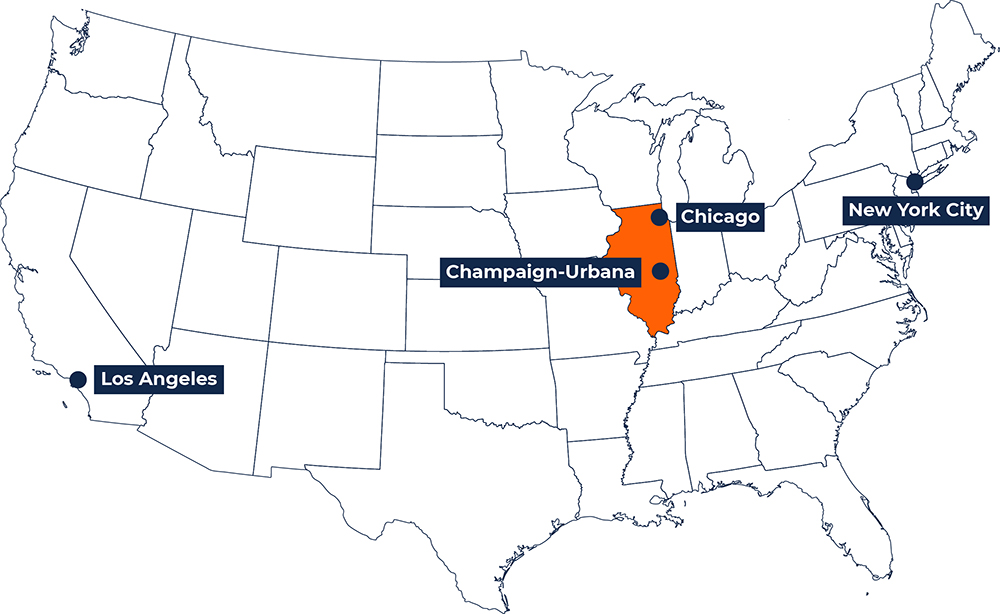
Direct Distance vs. Driving Route
As the crow flies, the straight-line distance between the urban sprawl of Chicago and the twin cities of Champaign-Urbana is approximately 120-125 miles (193-201 kilometers). However, direct air travel is not a common or practical option for this specific corridor due to the relatively short distance and the efficiency of ground transportation.
When planning a road trip, the actual driving distance is slightly longer, accounting for the curvature of roads and interstate systems. Typically, the driving distance ranges from 135 to 140 miles (217 to 225 kilometers), depending on the specific starting point in Chicago and the final destination in Champaign. This seemingly minor difference is important for calculating fuel costs, estimated travel times, and planning potential stops.
Key Interstates and Roadways
The primary artery connecting Chicago to Champaign is Interstate 57 South. This major highway offers a relatively direct and well-maintained route, making it the preferred choice for most drivers and bus services.
Beginning in Chicago, travelers typically access Interstate 57 from various feeder routes within the city or its immediate suburbs. The interstate then carries traffic south through several Illinois counties, including Cook County, Will County, Kankakee County, and Ford County, before arriving in Champaign County. The journey on I-57 is largely straightforward, characterized by flat terrain and open stretches, which typically allow for consistent cruising speeds outside of urban congestion points. Alternative, though less common, routes might involve parts of I-55 or other state highways, but I-57 remains the most efficient for direct travel.
Navigating the Journey: Modes of Transportation
Travelers have several viable options for covering the distance between Chicago and Champaign, each offering distinct advantages in terms of cost, convenience, and travel experience. The choice often depends on personal preference, budget, and time constraints.
Driving: Flexibility and Scenic Stops
Driving offers the greatest flexibility and control over the journey. With an average driving time of approximately 2 hours to 2 hours and 30 minutes, this mode is often chosen by those needing to transport luggage, traveling with family, or desiring the freedom to make unscheduled stops. The route along Interstate 57 is generally uncomplicated, though attention to traffic conditions, especially around Chicago’s metropolitan area, is essential.
Drivers can enjoy the changing landscape from urban centers to the vast agricultural fields that define much of central Illinois. While dedicated scenic detours are limited directly off I-57, the route itself offers a glimpse into the state’s economic backbone. Fuel costs and potential tolls should be factored into the budget, along with parking considerations upon arrival in Champaign.
Rail Travel: Amtrak and Comfort
For those preferring to avoid driving, Amtrak provides a comfortable and reliable alternative. The Illinois Service route connects Chicago’s historic Union Station directly to the Champaign-Urbana Illinois Terminal. This mode of transport is particularly appealing for its stress-free nature, allowing passengers to relax, work, or enjoy the passing scenery without the demands of the road.
The train journey typically takes around 2 hours and 30 minutes to 3 hours, depending on the specific service and number of stops. Amtrak offers amenities such as Wi-Fi, power outlets, and a café car, enhancing the travel experience. Booking tickets in advance is advisable, especially during peak travel seasons or university events, to secure preferred seating and potentially better fares.
Bus Services: Economical and Convenient
Bus travel presents an economical and convenient option, especially popular among students and budget-conscious travelers. Several bus companies operate regular services between Chicago and Champaign. Major providers include Greyhound and local charter services like Peoria Charter, which specifically caters to the University of Illinois Urbana-Champaign community.
Bus journeys generally take between 2 hours and 30 minutes to 3 hours and 30 minutes, influenced by traffic, the number of stops, and the specific route taken. Buses typically depart from designated terminals in Chicago, such as those near Union Station or the Ogden Transportation Center, and arrive at the Illinois Terminal in Champaign. This option provides a straightforward point-to-point service, often with comfortable seating and onboard amenities.
Air Travel: An Impracticality for Short Distances

While both Chicago and Champaign have airports (O’Hare International Airport and Midway International Airport in Chicago; Willard Airport in Champaign), flying between these two cities is generally impractical. The short geographical distance means that the time spent traveling to and from airports, going through security, and waiting for flights far outweighs the actual flight time, making it significantly slower and more expensive than ground transportation. Air travel is typically reserved for connecting Champaign to further destinations via Chicago’s major hubs.
Estimated Travel Times and Considerations
Accurately estimating travel time is crucial for efficient trip planning. While base estimates exist, several factors can influence the actual duration of the journey from Chicago to Champaign.
Peak Hours and Traffic Hotspots
For drivers, the biggest variable in travel time is traffic, particularly when departing from or arriving in Chicago. Weekday rush hours (typically 6:00 AM – 9:00 AM and 3:00 PM – 6:00 PM) can significantly extend travel times, potentially adding 30 minutes to an hour or more to the journey. Sections of I-57 closer to the city, as well as the interchanges with other major expressways, are prone to congestion. Similarly, Friday afternoons and Sunday evenings can see increased traffic as travelers head out for or return from weekend trips.
Bus and train services are also affected by traffic, especially buses navigating Chicago streets to reach their terminals, though trains generally avoid road congestion. Always check real-time traffic updates or carrier schedules before departure.
Weather Impacts on Travel
Illinois weather can dramatically impact travel conditions. Winter months often bring snow and ice, leading to slower speeds, hazardous driving conditions, and potential delays for all modes of transport. Heavy rainfall, fog, or severe thunderstorms during other seasons can also affect visibility and road safety. Always check weather forecasts for the entire route and adjust travel plans if adverse conditions are expected. Amtrak and bus lines will issue advisories or schedule changes in extreme weather.
Planning for Rest Stops and Fuel
For drivers, planning for rest stops and fuel is an integral part of the journey. While the distance is manageable for a non-stop drive, taking a break every 1.5 to 2 hours is recommended for safety and comfort. Services like gas stations, convenience stores, and fast-food restaurants are readily available along Interstate 57, particularly in towns such as Kankakee or Monee. These stops allow for stretching legs, refreshing, and ensuring the vehicle is fueled for the remainder of the trip.
Planning Your Trip: Champaign as a Destination
While the focus is on how far Champaign is from Chicago, understanding the context of the destination enhances the travel planning process. Champaign, along with its sister city Urbana, serves as a significant regional hub, attracting visitors for various reasons.
Why Travel to Champaign?
Champaign is primarily known as the home of the University of Illinois Urbana-Champaign, a world-renowned public research institution. This generates considerable travel for students, faculty, alumni, and visitors attending sporting events, conferences, or academic functions. Beyond the university, the area boasts a growing tech sector, a vibrant arts scene, and a strong agricultural heritage, drawing business travelers and those interested in local culture and innovation. Knowing the purpose of your trip can influence the chosen mode of transport and the timing of your travel.
Connecting Champaign to the World via Chicago
For residents and visitors of Champaign, Chicago often serves as the primary gateway to national and international travel. The short-to-moderate distance allows for convenient connections to O’Hare International Airport and Midway International Airport. Many individuals from Champaign will travel to Chicago by bus or train, then utilize Chicago’s extensive public transportation system or taxi services to reach the airports. This seamless integration highlights the symbiotic relationship between the two cities in the broader travel network.
Making the Most of Your Journey
Regardless of the chosen mode, a well-planned trip between Chicago and Champaign can be a smooth and enjoyable experience. Preparation is key to mitigating potential challenges and maximizing comfort.
Essential Travel Tips
- Book in Advance: For Amtrak or popular bus services, especially during university breaks or major events, booking tickets weeks or even months ahead can secure better prices and ensure availability.
- Check Real-Time Updates: Before departure, consult traffic apps for driving, or check official websites for train/bus delays, especially during adverse weather or peak travel periods.
- Pack Smart: If traveling by public transport, ensure luggage adheres to carrier guidelines. For drivers, a small emergency kit (jumper cables, basic tools, first-aid) is always a good idea.
- Stay Hydrated and Bring Snacks: Especially for longer drives or train/bus journeys, having water and snacks can enhance comfort.
- Communicate Plans: Inform your destination contacts about your expected arrival time and any potential delays.
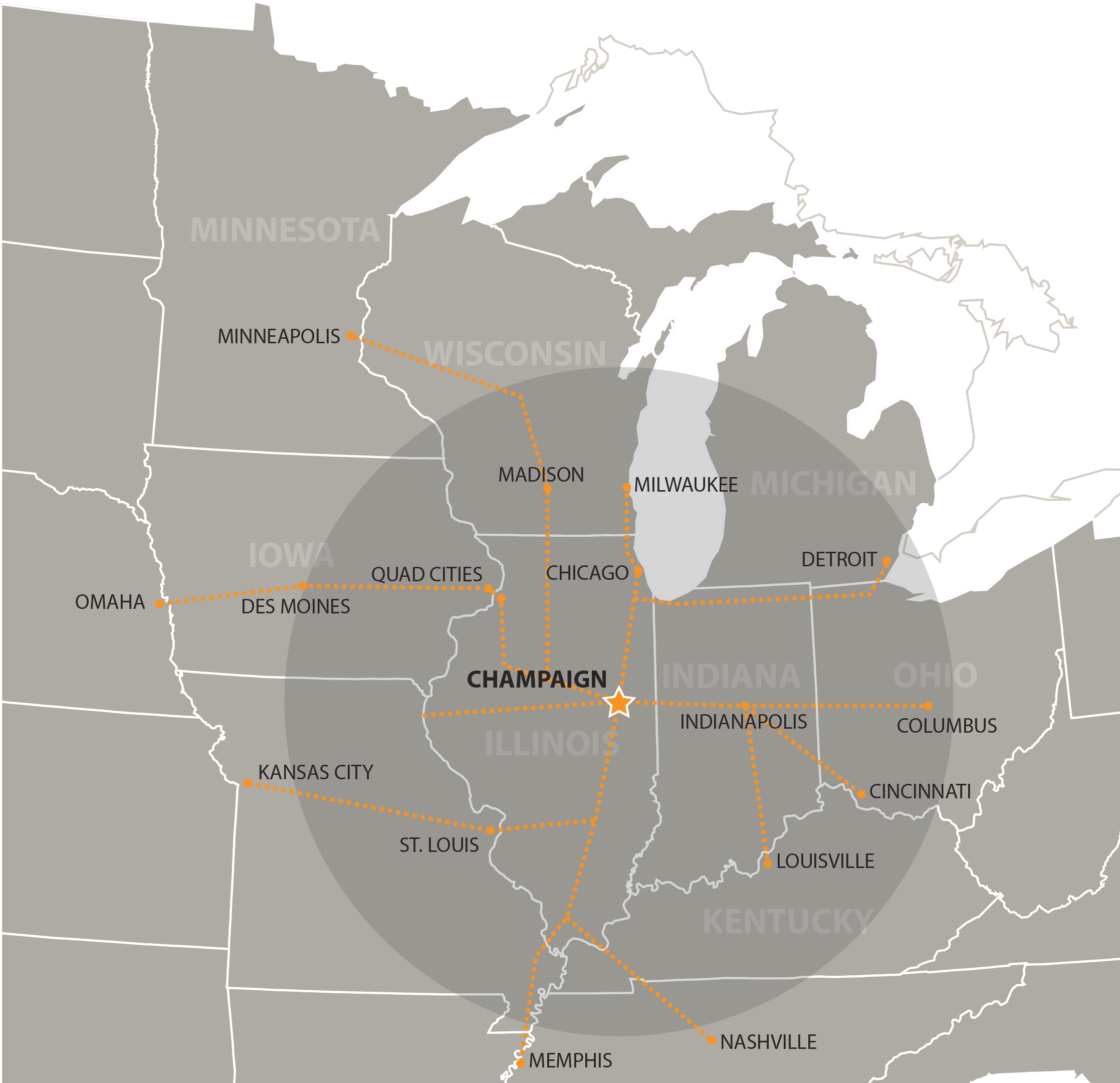
Enjoying the Illinois Landscape
The journey, while relatively short, offers a genuine glimpse into the diverse character of Illinois. From the iconic skyline of Chicago receding in the rearview mirror to the expansive fields of corn and soybeans stretching to the horizon, the drive or ride provides a transition from urban dynamism to rural tranquility. Travelers can appreciate the efficiency of the modern interstate system or the charm of small towns viewed from a train window. This segment of travel in Illinois is more than just covering distance; it’s an experience of the state’s heartland.
LifeOutOfTheBox is a participant in the Amazon Services LLC Associates Program, an affiliate advertising program designed to provide a means for sites to earn advertising fees by advertising and linking to Amazon.com. Amazon, the Amazon logo, AmazonSupply, and the AmazonSupply logo are trademarks of Amazon.com, Inc. or its affiliates. As an Amazon Associate we earn affiliate commissions from qualifying purchases.