
The journey between Chicago, Illinois, and Cleveland, Ohio, is a common route for business travelers, vacationers, and those exploring the rich cultural tapestry of the American Midwest. Understanding the distance, available modes of transportation, and potential attractions along the way is crucial for planning an efficient and enjoyable trip. These two vibrant cities, while distinct in character, offer unique experiences that make the traverse a worthwhile endeavor for any traveler.
The Geographical Connection: Understanding the Distance
The distance separating Chicago and Cleveland can vary slightly depending on whether one considers the straight-line (as the crow flies) or the actual driving distance, which accounts for road networks. Both cities are strategically located on the shores of the Great Lakes, Chicago on Lake Michigan and Cleveland on Lake Erie, positioning them as significant hubs in their respective regions.
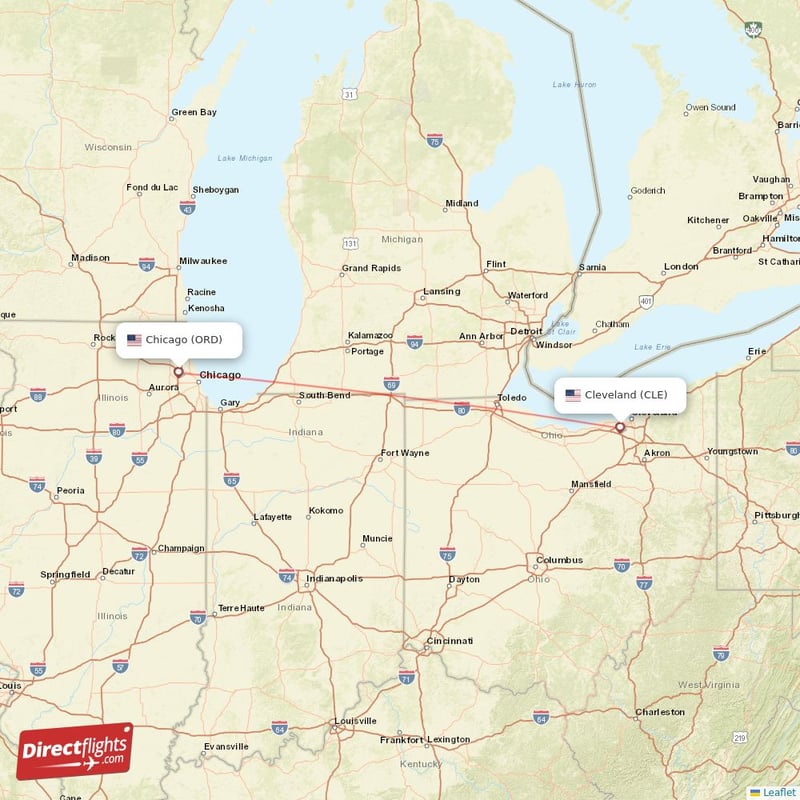
Straight-Line vs. Driving Distance
As the crow flies, the approximate aerial distance between Chicago and Cleveland is around 300 to 310 miles (480 to 500 kilometers). This figure is primarily useful for understanding the general proximity for air travel. However, for most travelers, the more practical consideration is the driving distance.
By road, the typical route spans approximately 340 to 350 miles (547 to 563 kilometers). This distance can fluctuate based on specific starting and ending points within each metropolitan area and any detours. The driving time for this distance generally ranges from 5.5 to 7 hours, without significant stops, traffic delays, or adverse weather conditions. Factors such as rush hour in Chicago or Cleveland, construction, and rest breaks can easily extend this duration.
Key Interstate Routes
The primary arteries connecting Chicago and Cleveland are the major interstate highways, designed for efficient long-distance travel. The most direct and commonly used route involves Interstate 80 (I-80) and Interstate 90 (I-90). These two interstates run concurrently for a significant portion of the journey.
Starting from Chicago, travelers typically head southeast on I-80 and I-90. This segment includes the Indiana Toll Road and the Ohio Turnpike, which are well-maintained toll roads that offer faster travel due to fewer local exits and higher speed limits. While tolls add to the cost, they often save considerable time. Key cities and towns along this corridor include Gary, Indiana, South Bend, Indiana, and Toledo, Ohio, before reaching Cleveland. These routes are generally straightforward, offering travelers a clear path between the two metropolises.
Modes of Transportation: Journeying Between Cities
Selecting the right mode of transportation is pivotal for any trip, balancing factors like cost, speed, convenience, and personal preference. The Chicago to Cleveland route offers several viable options, each with its distinct advantages.
Driving: The Most Common Choice
Driving remains the most popular way to travel between Chicago and Cleveland. The well-maintained interstate system, as mentioned, provides a direct path. Advantages of driving include flexibility with departure times, the ability to carry more luggage, and the freedom to make spontaneous stops at points of interest. Road trippers can explore charming towns, roadside attractions, or simply enjoy the changing Midwestern landscape. However, drivers must factor in fuel costs, potential tolls on the Indiana Toll Road and Ohio Turnpike, and parking fees in both cities. Traffic congestion, especially around urban areas during peak hours, can significantly impact travel time.
Air Travel: Speed and Convenience
For those prioritizing speed, flying is the fastest option. Direct flights between Cleveland Hopkins International Airport (CLE) and Chicago’s O’Hare International Airport (ORD) or Midway International Airport (MDW) typically take around 1 hour to 1 hour and 15 minutes. When accounting for travel to and from airports, security checks, and boarding procedures, the total door-to-door travel time can often equate to 3-5 hours, making it competitive with driving for some. While generally more expensive than driving or bus, air travel minimizes time spent on the road, ideal for short business trips or quick getaways. Travelers should compare fares and consider the convenience of airport locations relative to their final destination in each city.
Rail and Bus: Scenic and Economical Alternatives
Rail and bus services offer economical and often scenic alternatives. Amtrak operates routes that connect Chicago and Cleveland, typically involving transfers or longer journeys compared to direct flights or driving. While slower, train travel provides a comfortable experience, allowing passengers to relax, work, or enjoy the views without the stresses of driving. It’s often favored by those who prefer not to fly or drive long distances.
Bus services, such as Greyhound, are generally the most budget-friendly option. Bus journeys are longer, usually ranging from 6 to 8 hours, due to multiple stops and differing routes. However, they provide a cost-effective solution for travelers seeking to minimize expenses. Modern buses often come equipped with amenities like Wi-Fi and power outlets, enhancing comfort during the journey.
Planning Your Trip: What to Consider
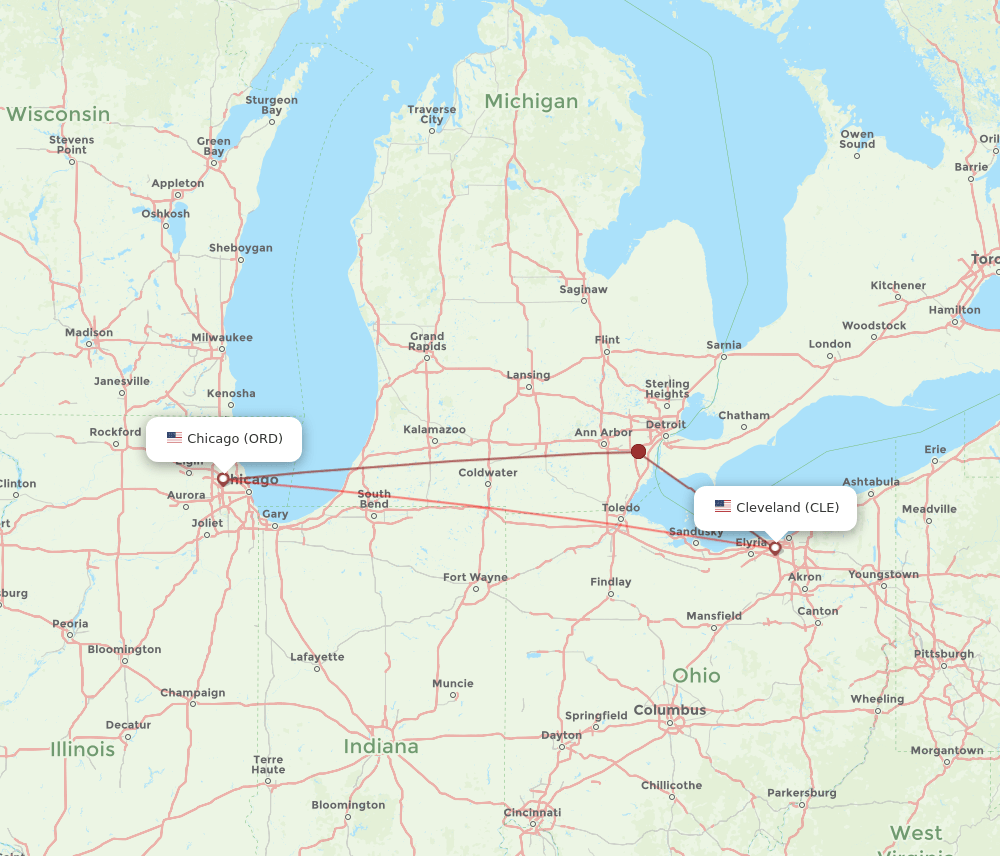
Effective trip planning involves more than just knowing the distance; it’s about optimizing the journey for enjoyment, efficiency, and safety.
Allocating Travel Time
When planning, always add buffer time to estimated travel durations. For driving, account for rest stops, meals, fuel, and potential traffic delays. If flying, consider the entire process from leaving your home to arriving at your final destination, not just the flight time. Public transport options like trains and buses will have fixed schedules, but transfers or unexpected delays can occur. Building in extra time ensures a less rushed and more relaxed travel experience, whether you’re heading to a business meeting or starting a vacation.
Strategic Stopovers and Points of Interest
A road trip between Chicago and Cleveland presents opportunities for strategic stopovers. Depending on your interests, you might consider:
- South Bend, Indiana: Home to the University of Notre Dame, it offers a vibrant campus atmosphere and historical architecture.
- Toledo, Ohio: Known for its art museum, zoo, and vibrant downtown riverfront.
- Rural Indiana and Ohio: These areas offer glimpses into classic Midwestern Americana, with small towns, agricultural landscapes, and local eateries.
- Indiana Dunes National Park: A beautiful natural area along Lake Michigan near Chicago, perfect for a stretch-your-legs hike.
These stopovers can break up the drive, offering a change of scenery and unique experiences, turning the journey itself into part of the adventure.
Discovering Chicago: The Windy City Experience
Once you’ve navigated the distance, arriving in Chicago opens up a world of urban exploration. Known for its bold architecture, world-class museums, and dynamic culinary scene, the Windy City is a premier travel destination.
Iconic Landmarks and Cultural Hotspots
Chicago’s skyline is instantly recognizable, dominated by architectural marvels like the Willis Tower (formerly Sears Tower), offering unparalleled city views from its Skydeck. Millennium Park is a must-visit, home to the iconic “Bean” sculpture (Cloud Gate), Crown Fountain, and Lurie Garden. The Art Institute of Chicago houses an extraordinary collection of Impressionist and Post-Impressionist art, while the Museum Campus offers a cluster of other renowned institutions, including the Field Museum and the Shedd Aquarium. For entertainment and waterfront strolls, Navy Pier provides amusements, restaurants, and boat tours on Lake Michigan. Shopping enthusiasts will find their paradise along the Magnificent Mile, lined with high-end boutiques and department stores.
Culinary Delights and Entertainment
No trip to Chicago is complete without indulging in its legendary food scene. The city is famous for its Deep Dish Pizza and hot dogs. Beyond these classics, Chicago boasts Michelin-starred restaurants, diverse ethnic eateries, and a thriving craft beer scene. Live music venues, from blues clubs to jazz lounges, dot the city, reflecting its rich musical heritage. The theatre district is vibrant, offering Broadway shows and local productions. Whether seeking cultural immersion, culinary adventure, or thrilling entertainment, Chicago delivers an unforgettable experience.
Exploring Cleveland: Ohio’s North Coast Gem
Upon arrival in Cleveland, travelers discover a city that has undergone significant revitalization, blending its industrial heritage with a flourishing arts scene, culinary innovation, and a strong sense of community.
Musical Heritage and Waterfront Attractions
Cleveland is perhaps most famous for the Rock & Roll Hall of Fame, an iconic institution celebrating the history of rock and roll music. Located on the picturesque shores of Lake Erie, it’s a pilgrimage site for music lovers worldwide. Adjacent to the Hall of Fame is the Great Lakes Science Center, offering interactive exhibits for all ages. The waterfront itself provides beautiful parks like Edgewater Park with its beach and skyline views, perfect for relaxation and recreation. The city’s maritime history is also evident along its docks and historical districts.

Arts, Parks, and Local Flavor
Beyond its musical fame, Cleveland boasts a thriving arts and culture district. Playhouse Square is the second-largest performing arts center in the United States outside of New York City, hosting Broadway shows, concerts, and local productions. The Cleveland Museum of Art, located in University Circle, is renowned for its diverse collection and free admission. For food enthusiasts, the historic West Side Market is a culinary landmark, offering an array of fresh produce, meats, baked goods, and international delicacies. Green spaces like the extensive Cleveland Metroparks system and the nearby Cuyahoga Valley National Park provide ample opportunities for hiking, biking, and outdoor adventure, just a short drive from the city center. Cleveland’s blend of cultural institutions, natural beauty, and evolving culinary scene makes it a compelling destination for any traveler.
Whether you’re embarking on a road trip, catching a quick flight, or opting for a more leisurely train or bus journey, the distance between Chicago and Cleveland is easily conquerable, leading to two distinct and equally rewarding urban experiences.
LifeOutOfTheBox is a participant in the Amazon Services LLC Associates Program, an affiliate advertising program designed to provide a means for sites to earn advertising fees by advertising and linking to Amazon.com. Amazon, the Amazon logo, AmazonSupply, and the AmazonSupply logo are trademarks of Amazon.com, Inc. or its affiliates. As an Amazon Associate we earn affiliate commissions from qualifying purchases.