
The journey between Chicago, Illinois, and Detroit, Michigan, connects two of the Great Lakes region’s most iconic and historically rich cities. While distinct in their character and charm, both offer a captivating blend of urban sophistication, cultural depth, and a thriving arts scene, making the route between them a popular one for travelers. Whether you’re planning a business trip, a family vacation, or a solo adventure, understanding the distance and various travel options is the first step toward a memorable experience.
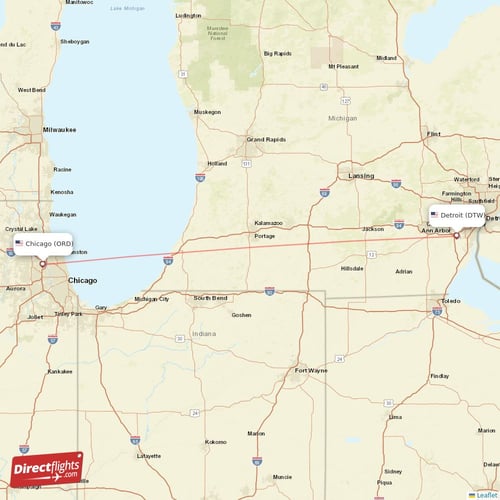
The direct distance between Chicago and Detroit is approximately 230 miles (370 kilometers) as the crow flies. However, the actual travel distance depends significantly on the mode of transportation chosen, ranging from a few hours by air to a leisurely road trip. Each option offers unique advantages, catering to different preferences for speed, cost, and the desire to explore the landscapes in between.

The Journey Between Two Great Lakes Cities
The route linking the Windy City and the Motor City is more than just a means to an end; it’s an opportunity to appreciate the diverse geography and vibrant communities of the Midwest. Depending on your travel style and budget, you can opt for the speed of air travel, the flexibility of a road trip, or the convenience of public transport.
By Car: The Classic American Road Trip
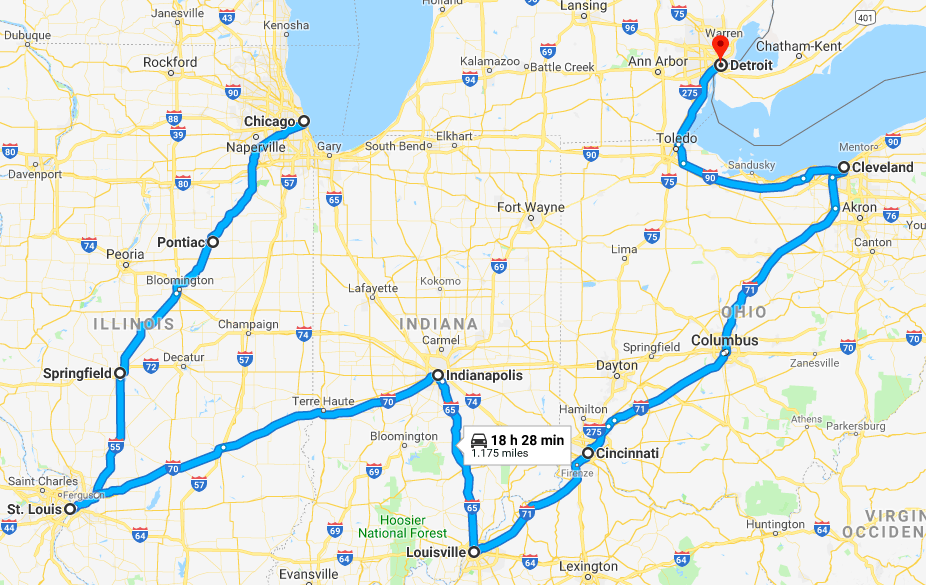
Driving from Chicago to Detroit is arguably the most popular choice for many, offering unparalleled flexibility and the chance to discover hidden gems along the way. The typical driving distance is around 280-300 miles (450-480 kilometers), primarily via I-94 East. This route typically takes about 4.5 to 5 hours of pure driving time, though this can vary significantly based on traffic conditions, especially around metropolitan areas and during peak travel times.
A road trip offers the freedom to customize your journey. Consider making stops in charming towns such as Kalamazoo or Ann Arbor in Michigan. Kalamazoo is known for its burgeoning craft beer scene and the Air Zoo Aerospace & Science Museum, a fantastic family-friendly attraction. Ann Arbor, home to the University of Michigan, boasts a lively downtown, excellent dining options, and a vibrant cultural atmosphere. For those who enjoy the outdoors, a detour to the Indiana Dunes National Park on the shores of Lake Michigan offers stunning natural beauty and recreational activities.
When planning a road trip, factor in fuel costs, potential tolls (though the direct I-94 route is largely toll-free), and the comfort of your vehicle. Car rental services are widely available in both cities, offering a range of vehicles from economy cars to luxury SUVs, catering to different lifestyle needs and group sizes.
By Air: Quick Connections
For travelers prioritizing speed, flying is the most efficient option. Direct flights between Chicago O’Hare International Airport (ORD) or Chicago Midway International Airport (MDW) and Detroit Metropolitan Wayne County Airport (DTW) typically last around 1 hour to 1 hour and 15 minutes. This quick flight time significantly reduces transit time, making it ideal for business travelers or those on a tight schedule.
Several major airlines operate multiple daily flights on this route, including United Airlines, American Airlines, and Delta Air Lines. While the flight itself is short, remember to account for travel to and from the airports, security checks, and baggage claim, which can add another 2-3 hours to your overall journey. Booking flights in advance, especially during peak travel seasons, can help secure better fares. For a luxury travel experience, consider upgrading to first class or exploring private jet charters for ultimate convenience and comfort.
By Train or Bus: Scenic and Economical Choices
For those seeking a more relaxed pace or looking for budget-friendly options, train and bus services provide excellent alternatives. Amtrak operates daily train services between Chicago’s Union Station and Detroit’s Detroit Station (also known as New Center Station). The train journey usually takes about 5 to 6 hours, offering comfortable seating, amenities like Wi-Fi, and the chance to enjoy the passing scenery without the stress of driving. It’s a great option for eco-conscious travelers or those who prefer to work or read during their commute.
Bus services, such as those offered by Greyhound and Megabus, are generally the most economical choice. The bus trip typically ranges from 5.5 to 7 hours, depending on the number of stops and traffic. While potentially longer than driving, bus travel can be incredibly convenient, especially for travelers without access to a car or those looking to save on transportation costs. Both Chicago and Detroit have well-connected bus terminals, often located centrally for easy access to local public transportation.
Exploring the Windy City: Chicago’s Allure
Upon arriving in Chicago, travelers are immediately struck by its impressive skyline and vibrant energy. As a global hub for finance, culture, and architecture, Chicago offers an endless array of experiences, cementing its status as a premier travel destination.
Must-See Landmarks and Attractions in Chicago
Chicago’s landmarks are iconic and varied, appealing to diverse interests.
The Magnificent Mile on Michigan Avenue is a paradise for shoppers, featuring high-end boutiques, flagship stores, and luxury hotels. Just steps away, Millennium Park hosts the famous Cloud Gate sculpture (affectionately known as “The Bean”), Pritzker Pavilion, and the beautiful Lurie Garden. Adjacent to it is Grant Park, home to the stunning Buckingham Fountain.
For art enthusiasts, the Art Institute of Chicago houses a world-class collection spanning centuries and cultures. Science lovers will be captivated by the Field Museum and its dinosaur exhibits, and the Shedd Aquarium offers an immersive look into aquatic life. A visit to the Museum of Science and Industry is also highly recommended, particularly for families.
Architecture tours, whether by boat along the Chicago River or on foot, provide fascinating insights into the city’s pioneering skyscrapers. Don’t miss the panoramic views from the Willis Tower’s Skydeck or the 360 Chicago Observation Deck at the John Hancock Center for breathtaking vistas of the cityscape and Lake Michigan.
No trip to Chicago is complete without indulging in its culinary scene. Famous for its deep-dish pizza (try Lou Malnati’s or Giordano’s), Chicago-style hot dogs, and an array of Michelin-starred restaurants, the city is a food lover’s paradise. Local culture thrives in neighborhoods like Wicker Park and Andersonville, offering unique boutiques, independent theaters, and a lively nightlife.
Accommodation and Lifestyle in Chicago
Chicago boasts a comprehensive range of accommodation options, suitable for every budget and lifestyle. Luxury hotels like The Langham Chicago, Four Seasons Hotel Chicago, and Waldorf Astoria Chicago offer opulent suites, world-class amenities, and impeccable service, often located on or near the Magnificent Mile. For a more boutique or trendy experience, consider properties in areas like River North or the West Loop.
Mid-range hotels and apartment-style accommodations, such as those from Marriott and Hyatt brands, are plentiful throughout the downtown area, offering comfortable stays with convenient access to attractions. Budget travelers can find value in hostels, guesthouses, or hotels further from the city center, often with excellent public transport links.
For longer stays, furnished apartments and serviced residences provide a home-away-from-home experience, complete with kitchenettes and more living space, ideal for family trips or business stays. Booking platforms allow for easy comparison of reviews, amenities, and prices, helping you find the perfect match for your travel needs. Chicago’s public transportation system, including the “L” train and extensive bus network, makes navigating the city without a car incredibly easy and efficient, supporting all types of travel lifestyles, from luxury to budget travel.
Discovering Motor City: Detroit’s Resurgence
Once known primarily for its automotive industry, Detroit has undergone a remarkable revitalization, transforming into a vibrant hub of innovation, arts, and culture. Its rich history, particularly its role in shaping American music and manufacturing, intertwines with a modern energy that makes it an exciting destination for tourism.
Top Attractions and Cultural Experiences in Detroit
Detroit’s attractions offer a deep dive into American ingenuity and creativity. The Henry Ford Museum of American Innovation and Greenfield Village in nearby Dearborn are must-visits. This complex provides an immersive journey through American history, showcasing groundbreaking inventions, historical artifacts, and iconic vehicles. It’s a highlight for families and history buffs alike.
The Motown Museum, housed in “Hitsville U.S.A.,” is where the legendary Motown sound was born. Visitors can stand in Studio A, where artists like The Supremes and Marvin Gaye recorded, and feel the magic of this musical phenomenon.
The Detroit Institute of Arts (DIA) is another cultural jewel, home to an impressive collection of art, including Diego Rivera’s “Detroit Industry Murals.” The museum is located in the Cultural Center alongside other institutions like the Charles H. Wright Museum of African American History and the Detroit Historical Museum.
Sports fans can catch a game at Comerica Park (baseball’s Detroit Tigers), Little Caesars Arena (hockey’s Detroit Red Wings and basketball’s Detroit Pistons), or Ford Field (football’s Detroit Lions).
Detroit’s culinary scene has also flourished, with innovative restaurants, breweries, and distilleries. Explore neighborhoods like Corktown, the city’s oldest surviving neighborhood, for trendy eateries and historic architecture, or the Eastern Market, a vibrant public market offering fresh produce, local goods, and a lively atmosphere.
Where to Stay and What to Expect in Detroit
Accommodation in Detroit reflects its renewed vibrancy, with options ranging from historic hotels to modern boutique stays. Downtown Detroit offers many choices, including the iconic Detroit Marriott at the Renaissance Center, which provides stunning views of the city and the Detroit River.
Boutique hotels like the Shinola Hotel and Detroit Club offer unique experiences with stylish designs and a focus on local culture and amenities. For travelers on a budget, there are reliable hotel chains and guesthouses a short drive from the city center, often providing excellent value.
Detroit is a city best explored with a combination of walking, public transport (the QLine streetcar connects many downtown attractions), and ride-sharing services. While public transportation is improving, having a car can be beneficial for exploring attractions outside the immediate downtown core, like the Henry Ford Museum. The city’s spirit of resilience and innovation is palpable, making it an inspiring destination for anyone interested in American history and urban renewal.
Planning Your Trip: Essential Tips and Considerations
Whether you’re traveling for leisure, business, or a mix of both, a well-planned trip between Chicago and Detroit can enhance your overall experience. Consider the time of year you plan to travel. Summer offers vibrant outdoor festivals and pleasant weather for sightseeing, though it’s also peak tourist season. Fall brings beautiful foliage, while winter offers unique holiday experiences, albeit with colder temperatures.
Booking accommodation and transportation in advance is always recommended, especially during popular times. Compare prices, read reviews, and look for packages that might combine flights and hotels. Many hotels and resorts offer amenities like fitness centers, pools, and business services, catering to various travel styles. For family trips, look for suites or resorts with kid-friendly activities.
Think about the duration of your stay in each city. To truly appreciate the rich offerings of both Chicago and Detroit, plan for at least 3-4 days in each. This allows ample time to explore major landmarks, indulge in local cuisine, and soak in the unique atmosphere of each metropolis without feeling rushed.
Finally, embrace the local culture. Engage with residents, try regional specialties, and visit local markets. Both cities offer a wealth of experiences beyond the main tourist attractions, providing deeper insights into their character and history. By thoughtfully considering your travel options, accommodation preferences, and desired experiences, your journey from Chicago to Detroit — and your time in each — promises to be enriching and unforgettable.
LifeOutOfTheBox is a participant in the Amazon Services LLC Associates Program, an affiliate advertising program designed to provide a means for sites to earn advertising fees by advertising and linking to Amazon.com. Amazon, the Amazon logo, AmazonSupply, and the AmazonSupply logo are trademarks of Amazon.com, Inc. or its affiliates. As an Amazon Associate we earn affiliate commissions from qualifying purchases.