
Embarking on a journey to change your name is more than just a legal formality; it’s a profound personal transformation, often marking a new chapter in your life’s narrative. For many, this decision aligns with significant lifestyle shifts, fresh starts, or the desire to align their identity with future aspirations, including global travel and new experiences. Whether you’re adopting a new surname after marriage, reclaiming an identity after divorce, seeking a name that better reflects who you are, or ensuring a child’s name is consistent with family plans, understanding the legal process in Texas is the first step.
This comprehensive guide will navigate you through the intricacies of legally changing your name in the Lone Star State. While the core of this article focuses on the legal steps, we’ll also explore how this significant change can impact your lifestyle and future travel plans, from updating crucial documents like your U.S. Passport to celebrating your new identity with unforgettable journeys. Texas, with its vast landscapes and vibrant cities like Austin, Houston, Dallas, and San Antonio, offers a unique backdrop for such a personal journey.
Navigating the Legal Landscape of Name Change in Texas
The legal framework for name changes in Texas is primarily governed by the Texas Family Code. While the process can seem daunting at first, it’s a well-defined path that, with careful attention to detail, can be navigated successfully. It’s important to understand that a name change generally requires a court order, unless it occurs automatically through marriage or divorce as part of those specific legal proceedings.
Eligibility and General Requirements for Petitioners
Before you even begin filling out forms, it’s crucial to understand if you qualify to change your name in Texas. Generally, any adult resident of Texas can petition the court for a name change, provided they meet certain criteria.
First, you must be a resident of Texas. This means establishing a domicile in the state for a certain period, which for legal purposes typically involves living there with the intent to remain. Second, you must not be seeking the name change for fraudulent purposes, such as avoiding creditors or criminal prosecution. The court will conduct a background check, and any history of criminal activity might complicate the process, potentially requiring additional explanations or even leading to denial. For individuals with a criminal record, especially for certain felonies, there may be statutory bars or additional hurdles, requiring a more compelling justification for the change.
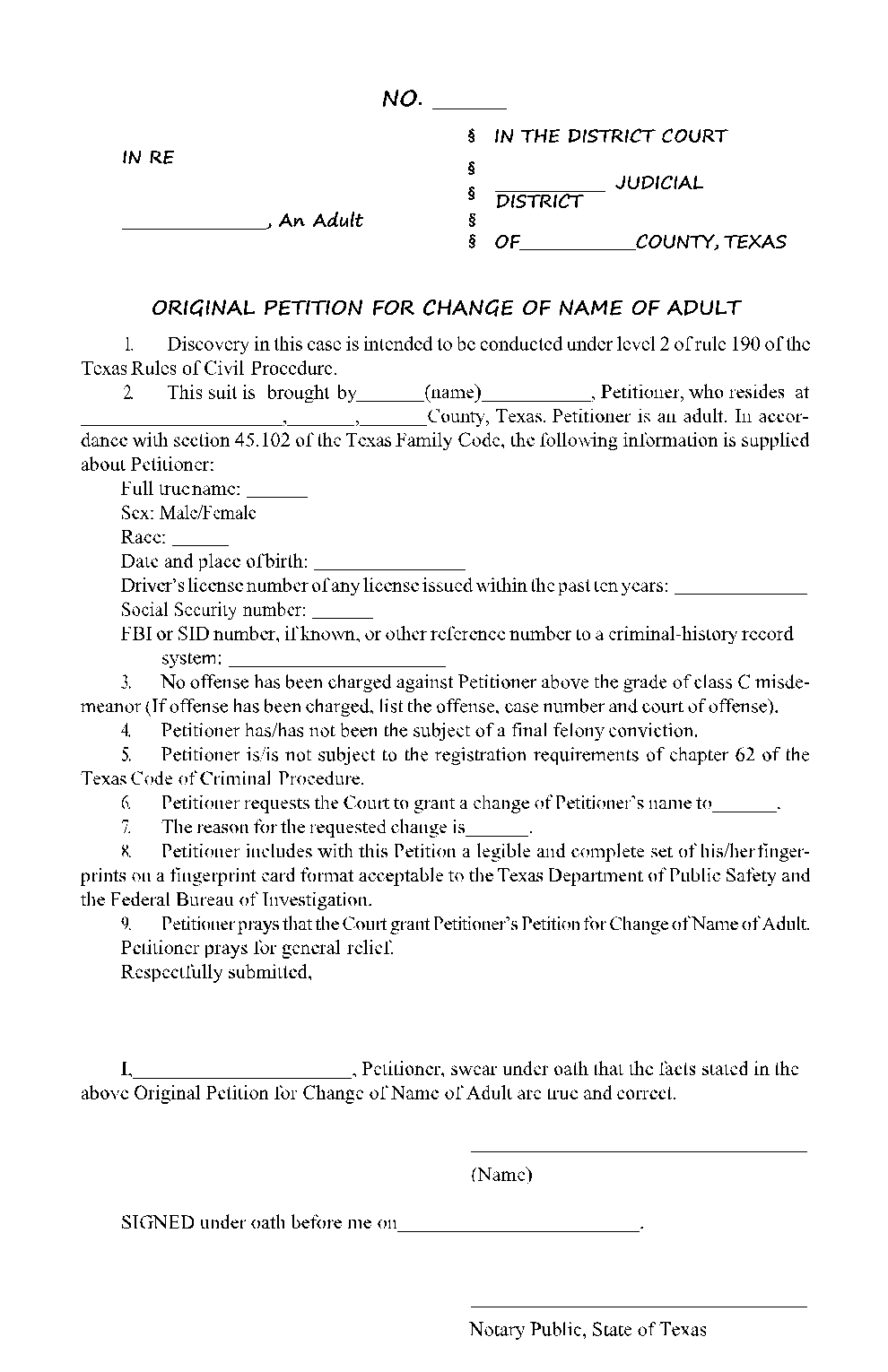
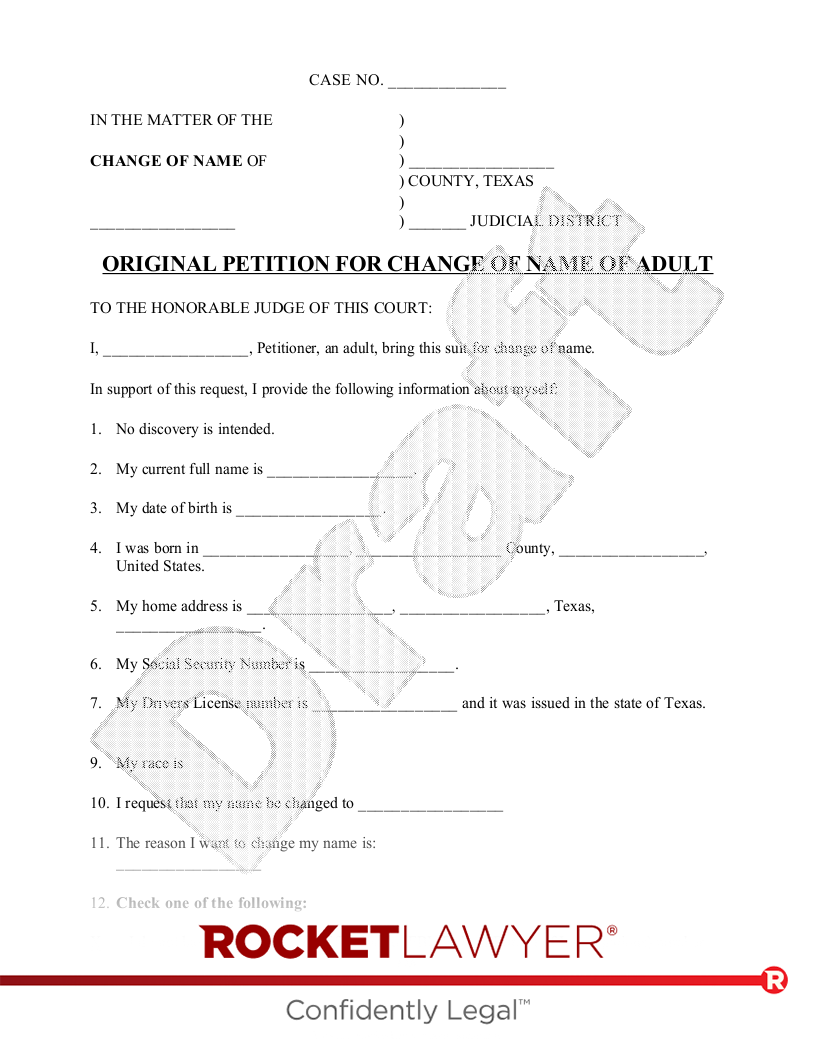
Furthermore, if you are changing your name, you must provide your current full name, your desired full name, the reason for the change, your date and place of birth, and your current residence. The petition also typically requires a sworn statement that you are not requesting the change to defraud creditors or escape criminal liability. For individuals who frequently travel internationally, ensuring your proposed name is not excessively long or difficult to transliterate in foreign alphabets can be a practical consideration, impacting future visa applications or interactions with foreign border officials.
The Core Process: Filing Your Petition
The journey to a new identity officially begins by filing a “Petition for Change of Name” with the district clerk in your county of residence. This involves several critical steps:
-
Gathering Required Forms: The specific forms can vary slightly by county, but generally include a “Petition for Change of Name,” a “Order Changing Name,” and sometimes a “Request for Criminal History Check.” These forms are often available on the website of your county’s district clerk or at the courthouse. For instance, residents in Travis County or Harris County can typically find these resources online.
-
Completing the Petition: Fill out the forms accurately and completely. This includes providing your current and desired name, your reasons for the change, your birth details, and residential information. Be honest and thorough; omissions or inaccuracies can cause significant delays.
-
Filing with the District Clerk: Once completed, take your forms to the district clerk’s office in your county. You will need to pay a filing fee, which can vary. If you cannot afford the fee, you may be able to file a “Statement of Inability to Afford Payment of Court Costs” to request a waiver. Traveling to the county courthouse itself can be a unique experience, especially in historic Texas towns, perhaps turning a necessary errand into a mini-exploration of local landmarks or architectural gems.
-
Criminal History Check: In Texas, the court will typically require a criminal history check. This is done to ensure the name change is not being sought for fraudulent purposes. You will usually be directed on how to complete this step, which might involve providing fingerprints or other identifying information. The results of this check are crucial for the judge’s decision.
The Judicial Journey: From Filing to Final Decree
Once your petition is filed and the preliminary checks are underway, the process moves into the judicial phase. This can involve court appearances and formal orders, culminating in the legal recognition of your new name.
Court Procedures and Hearings
After you file your petition, the court will schedule a hearing. You will receive notice of the date and time. It’s crucial to attend this hearing unless otherwise instructed by the court.
During the hearing, a judge will review your petition, the results of your criminal history check, and any other relevant documentation. The judge may ask you questions about your reasons for the name change. It’s important to be prepared, articulate, and respectful. For many, this judicial journey marks a significant milestone, a public declaration of a private decision. If your hearing requires a trip to a larger city like Austin or Dallas, consider extending your stay to explore local tourism and perhaps book a comfortable hotel or accommodation to make the experience less stressful and more memorable. For instance, booking a night at the Four Seasons Hotel Austin could turn a court visit into a moment of pampered reflection.
Publishing Your Name Change (If Required)
In some instances, particularly if you have creditors or other public interests involved, the court may require you to publish notice of your name change in a local newspaper. This requirement is less common for individuals seeking a name change for personal reasons, but it can be mandated if the judge deems it necessary to protect the public interest. If required, you would typically work with a designated legal newspaper in your county to ensure proper publication, providing a public record of your transformation.
Receiving Your Official Decree
If the judge approves your petition, they will sign an “Order Changing Name.” This is the official document that legally changes your name. It is absolutely vital to obtain several certified copies of this order. These certified copies are your proof of name change and will be required to update all your other official documents, from your Social Security Administration records to your driver’s license and U.S. Passport. Think of these decrees as your new travel visa into a rebranded identity. Without them, your journey of identity transformation will stall.
The Essential Aftermath: Updating Your Identity for Travel and Lifestyle
Receiving your court order is a major victory, but the process isn’t truly complete until you’ve updated all your personal identification and accounts. This phase is particularly critical for anyone with travel aspirations or a dynamic lifestyle. Inconsistency in your name across different documents can lead to significant headaches, from denied hotel bookings to missed international flights.
Passport and Travel Documents
This is arguably the most important step for the avid traveler. Your U.S. Passport and any other international travel documents must reflect your new legal name.

- U.S. Passport: Apply for a new passport (or renew your existing one) with the U.S. Department of State. You will need your certified name change order, your old passport, a new photo, and the relevant forms. Processing times can vary, so plan ahead, especially if you have upcoming international travel plans.
- Driver’s License/State ID: Visit the Texas Department of Public Safety (DPS) to update your driver’s license or state ID. You’ll need your certified name change order, your old license/ID, and proof of identity.
- TSA PreCheck and Global Entry: If you’re enrolled in these expedited security programs, you must update your name with the Department of Homeland Security. This usually requires an in-person visit to an enrollment center with your name change documentation. Failing to do so could lead to issues at airport security.
Financial and Lifestyle Accounts
Beyond travel, your new name needs to be reflected across your financial and daily life.
- Social Security Administration: This is often the first place to update after your court order. Your Social Security Administration records are fundamental, as many other institutions verify your identity against them.
- Bank Accounts and Credit Cards: Contact your financial institutions. You’ll likely need to provide a certified copy of your name change order in person or by mail.
- Property Deeds and Titles: If you own property, consult with a real estate attorney or your county clerk to update deeds, vehicle titles, and other asset records. This is especially important for those who own vacation properties or engage in long-term accommodation rentals.
- Utilities and Bills: Update your name on utility bills, insurance policies, and subscription services to ensure continuity and avoid confusion.
Professional and Social Identity
Your name is central to your public and professional persona.
- Professional Licenses: If you hold any professional licenses (e.g., medical, legal, real estate), contact the issuing board or agency to update your credentials.
- Employer Records: Inform your employer and HR department to update your payroll, benefits, and other employment records.
- Social Media and Memberships: While not legally required, updating your name on social media profiles, club memberships, and frequent flyer programs contributes to a seamless integration of your new identity into your daily lifestyle.
Beyond the Basics: Special Considerations and Alternative Paths
While the general process outlined above applies to most adult name changes, Texas law also provides for specific scenarios and alternative methods.
Name Change for Minors
Changing a minor’s name is a more involved process due to the child’s best interests being paramount. Generally, both parents must consent to the name change. If one parent objects, or if a parent’s location is unknown, the court will require proper notification and a hearing to determine if the name change is in the child’s best interest. Factors considered include the child’s preference (if old enough), the child’s bond with each parent, and any potential confusion or harm from the change. Such changes have significant implications for family travel, especially if parents have different surnames from their children, requiring additional documentation for international border crossings.
Marriage and Divorce
The simplest name changes often occur in conjunction with marriage or divorce.
- Marriage: When you get married in Texas, you can choose to take your spouse’s surname, hyphenate, or keep your maiden name without a separate court order. You simply indicate your desired new name on your marriage license application. Once the marriage license is registered, you can use it as proof to update your Social Security Administration records, driver’s license, and U.S. Passport. This streamlined approach makes honeymoon travel planning much smoother, ensuring consistent names on tickets and hotel reservations.
- Divorce: During a divorce proceeding, either spouse can petition the court to restore a maiden name or a former name. This is typically included as part of the final divorce decree, negating the need for a separate name change petition. This can be a symbolic step toward a new chapter, perhaps inspiring solo adventures or new lifestyle choices post-divorce.
Criminal History and Background Checks
As mentioned earlier, a clean criminal record is generally a prerequisite for a name change in Texas. If you have a felony conviction, you might be barred from changing your name unless certain conditions are met, such as completing your sentence and probation, or receiving a pardon. Even misdemeanor convictions can draw scrutiny. The court’s primary concern is preventing fraud or avoidance of legal obligations. This careful screening ensures that the legal system maintains integrity, and that individuals traveling or conducting business under a new name are doing so legitimately.
Celebrating Your New Beginning: Travel and Lifestyle Inspirations
A name change is a pivotal moment, and what better way to honor this personal evolution than by embracing new experiences that align with your refreshed identity? Your new name is not just for official documents; it’s an emblem for a vibrant, reimagined life.
A Fresh Start: Destinations for a New Chapter
Consider celebrating your name change with a purposeful trip. Texas itself offers a diverse array of destinations for every lifestyle and budget:
- Serene Retreats: Head to the Texas Hill Country for a peaceful escape, staying in charming bed-and-breakfasts or luxury suites in Fredericksburg or Wimberley. This tranquil setting is perfect for reflection and planning your next moves.
- Vibrant City Breaks: Explore the culinary experiences and live music scene in Austin, or delve into the rich history of San Antonio, walking along its famous Riverwalk and visiting The Alamo. A stay at the Hyatt Regency Dallas could mark a cosmopolitan start to your new identity.
- Grand Adventures: For the truly adventurous, a trip to Big Bend National Park offers breathtaking natural landmarks and a sense of vast possibility, mirroring the expansive feeling of a new beginning. Consider an extended stay in an off-grid accommodation to truly disconnect.
Beyond Texas, your new name can be the catalyst for an international adventure. Picture booking a dream hotel in Paris or embarking on a cultural tourism tour through Italy, all under your brand-new, official name.
Curating Your Lifestyle with a New Identity
A name change can be a powerful driver for curating a new lifestyle that truly resonates with you. Perhaps it’s an opportunity to embrace sustainable travel, opting for eco-friendly accommodation and experiences. Or maybe you’ll gravitate towards luxury travel, indulging in resorts and suites that reflect your aspirations. Your new name can symbolize a commitment to personal growth, allowing you to explore new hobbies, join new communities, and redefine your personal brand. From long-term accommodation stays abroad as a digital nomad to weekend getaways in a boutique hotel, every decision can be infused with the spirit of your renewed identity.
Practical Tips for Travelers with a New Name
To ensure smooth sailing with your new name, always double-check:
- Consistency is Key: Ensure your name is identical on your passport, driver’s license, airline tickets, and hotel reservations. Any discrepancy, even a single letter, can cause significant travel disruptions.
- Carry Certified Copies: When traveling, especially soon after your name change, it’s wise to carry a certified copy of your name change order, particularly for international trips.
- Allowance for Processing Time: Remember that updating all documents takes time. Factor this into your travel planning, especially for international trips that require passport validity.
Changing your name in Texas is a comprehensive process that blends legal requirements with personal significance. It’s a journey that, once completed, opens the door to a fully integrated identity, empowering you to explore the world and embrace a lifestyle that truly reflects who you are. From navigating the courthouses of Texas to booking your first trip under your new name, each step is a testament to personal transformation and the exciting possibilities that lie ahead.
LifeOutOfTheBox is a participant in the Amazon Services LLC Associates Program, an affiliate advertising program designed to provide a means for sites to earn advertising fees by advertising and linking to Amazon.com. Amazon, the Amazon logo, AmazonSupply, and the AmazonSupply logo are trademarks of Amazon.com, Inc. or its affiliates. As an Amazon Associate we earn affiliate commissions from qualifying purchases.