
In the dynamic world of global hospitality, brand ownership is a frequently evolving landscape, marked by mergers, acquisitions, and strategic realignments. For travelers and industry enthusiasts alike, understanding the corporate structure behind their favorite hotel brands can offer insights into the guest experience, loyalty programs, and overall strategic direction. When it comes to Aloft Hotels, a brand celebrated for its vibrant design, tech-forward amenities, and energetic social spaces, the answer to “Who owns Aloft Hotels?” points directly to one of the largest and most influential hospitality companies in the world: Marriott International.
However, the journey of Aloft to becoming a part of the Marriott empire is a story rooted in innovation and a significant industry consolidation that reshaped the hotel landscape. Launched with a distinct vision by Starwood Hotels & Resorts Worldwide, Aloft carved out a unique niche before the dramatic merger that brought it under Marriott’s expansive umbrella. This transition not only solidified Aloft’s future but also integrated its modern, lifestyle-centric approach into an even broader ecosystem of accommodation options for a diverse global clientele.

The Genesis of Aloft Hotels: Starwood’s Visionary Creation
To fully appreciate Aloft’s current standing, one must look back at its origins under Starwood Hotels & Resorts Worldwide. Starwood was renowned for its portfolio of design-led, innovative brands, and Aloft emerged from a desire to extend that innovative spirit into the select-service segment.
Starwood’s Vision and W Hotels Influence
Aloft Hotels was conceived in 2005 as a spin-off of the highly successful W Hotels brand, which had revolutionized the luxury lifestyle segment with its focus on modern design, vibrant nightlife, and a unique “Whatever/Whenever” service philosophy. Starwood’s leadership recognized a gap in the mid-market. Many hotels in this segment offered functionality but often lacked personality, style, and the technological integration that modern travelers were beginning to crave. The idea was to bring the accessible sophistication and design-forward aesthetic of W Hotels to a more affordable price point, creating a ‘style-at-a-steal’ experience.
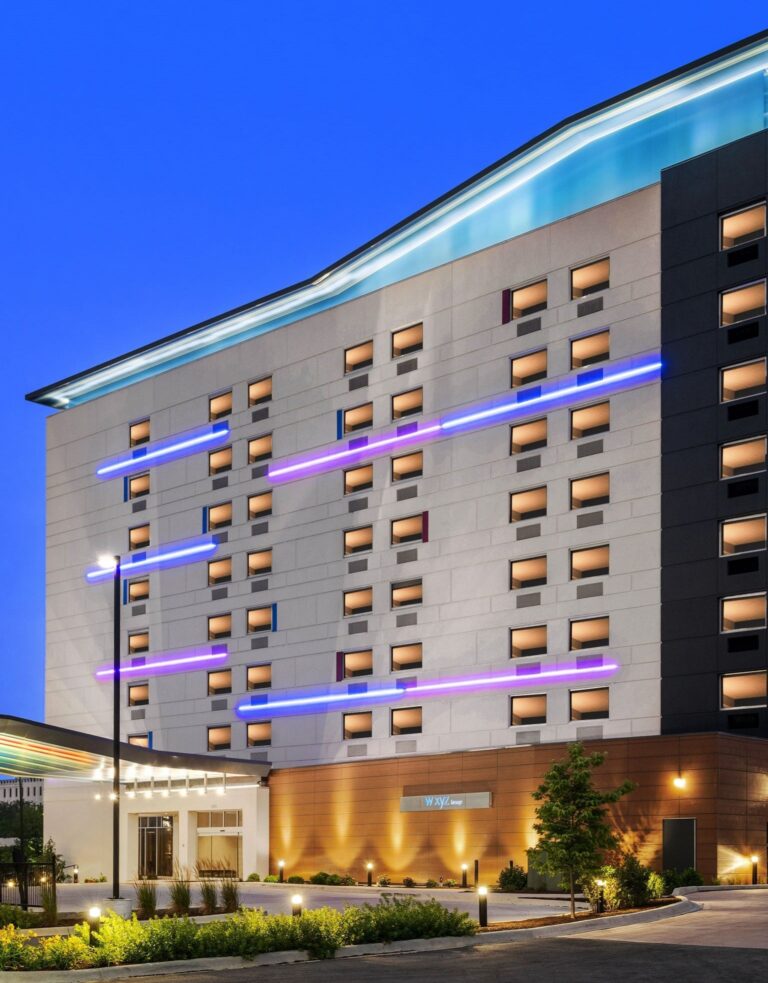
The core concept of Aloft was clear: to offer a fresh, fun, and futuristic hotel experience tailored for the next generation of travelers. These hotels were designed with a distinct loft-like feel, featuring open-plan lobbies, tech-savvy amenities, and a focus on social interaction. Each Aloft property aimed to be a vibrant hub, encouraging guests to mingle, work, and relax in communal spaces rather than confining themselves to their rooms. The signature elements like the Re:mix lounge and WXYZ Bar quickly became hallmarks of the brand, fostering a lively atmosphere that distinguished it from conventional select-service offerings.
Expanding the Brand’s Footprint
Following its official launch, Aloft Hotels quickly began its expansion, opening its first property in 2008 in Montreal, Canada. The brand’s distinctive proposition resonated with developers and travelers alike. Starwood strategically targeted urban centers, airport vicinities, and up-and-coming neighborhoods across North America, Europe, and Asia-Pacific. The rapid rollout demonstrated the industry’s readiness for a lifestyle brand that offered value without compromising on design or connectivity.
The brand’s success lay in its ability to consistently deliver a fresh, energetic, and technologically advanced experience. Travelers, particularly the younger demographic and business travelers, appreciated the emphasis on fast Wi-Fi, smart room technology, and communal spaces that felt more like a chic co-working space or a lively social club than a typical hotel lobby. This foundational period under Starwood established Aloft’s identity as a trendsetter in the mid-market segment, setting the stage for its eventual integration into an even larger global hospitality powerhouse.
Marriott International’s Acquisition and Integration
The landscape of the hospitality industry was dramatically altered in 2016 by an acquisition that would bring Aloft Hotels under a new ownership. This momentous event not only changed Aloft’s trajectory but also solidified Marriott International’s position as the largest hotel company in the world.
The Mega-Merger
In September 2016, Marriott International completed its monumental acquisition of Starwood Hotels & Resorts Worldwide. This historic merger, valued at approximately $13 billion, created an unparalleled portfolio of 30 distinct hotel brands, encompassing over 5,700 properties and 1.1 million rooms across more than 110 countries and territories. The rationale behind this colossal consolidation was multi-faceted, aiming to achieve greater scale, operational efficiencies, and a more diversified offering to appeal to every type of traveler.
For Marriott, the acquisition of Starwood was a strategic masterstroke. It instantly added several highly successful and beloved brands to its existing lineup, including luxury stalwarts like St. Regis Hotels & Resorts and The Luxury Collection, and lifestyle innovators such as W Hotels, Le Méridien, and of course, Aloft Hotels. This significantly strengthened Marriott’s presence in the upscale and lifestyle segments, which were experiencing rapid growth globally. The merger also provided Marriott with access to new markets and a broader global footprint, especially in regions where Starwood had a stronger presence.
Aloft Under the Marriott Umbrella
Following the merger, Aloft Hotels became an integral part of Marriott’s sprawling portfolio. While the integration process for such a massive merger was complex and took time, Marriott largely recognized the unique value and distinct identity of the acquired brands. For Aloft, this meant retaining its signature design philosophy, tech-forward approach, and vibrant social programming. Marriott’s strategy was not to homogenize these brands but to allow them to flourish within their established niches, benefiting from the new corporate infrastructure.
Under Marriott’s ownership, Aloft gained access to an unprecedented level of global reach, distribution channels, and operational support. Perhaps most significantly, Aloft properties and their guests became part of the powerful Marriott Bonvoy loyalty program. This integration allowed Aloft guests to earn and redeem points across Marriott’s entire network, offering immense value and attracting a wider base of loyal travelers. The synergy of Aloft’s modern appeal with Marriott’s extensive resources and formidable loyalty program has further strengthened the brand’s position in the competitive mid-market and lifestyle segments.

The Aloft Experience: A Blend of Style and Tech
The appeal of Aloft Hotels has always been its distinctive approach to hospitality, offering a unique blend of contemporary style, cutting-edge technology, and a focus on social engagement. This commitment to innovation and guest experience has been a cornerstone since its inception and continues under Marriott International’s stewardship.
Design-Forward Spaces and Social Hubs
The moment a guest steps into an Aloft property, they are greeted by an atmosphere that feels less like a traditional hotel and more like a stylish, modern loft. The design aesthetic is characterized by open, airy spaces, vibrant colors, and contemporary furnishings. The lobbies are intentionally designed as dynamic social hubs, fostering interaction and connectivity. The Re:mix lounge serves as the central gathering point, where guests can work, socialize, or simply unwind.
Central to the Aloft experience is the WXYZ Bar, which offers live music, signature cocktails, and a lively atmosphere. This concept goes beyond just providing food and drink; it aims to create a destination within the hotel itself, attracting both guests and local residents. From pool tables and comfortable seating to curated art and music, every element contributes to an energetic, inviting environment that aligns with the “lifestyle” aspect of modern travel. This focus on communal areas and entertainment differentiates Aloft from many of its peers, appealing to those who seek a more interactive and vibrant stay.
Tech-Savvy Amenities and Guest Convenience
Technology is not merely an add-on at Aloft Hotels; it’s woven into the very fabric of the guest experience. From seamless check-in processes to in-room entertainment, Aloft leverages technology to enhance convenience and personalization. Guests can often use mobile check-in and keyless entry via their smartphones, streamlining their arrival and departure. High-speed Wi-Fi is standard and robust, catering to the needs of both business travelers and leisure guests who rely on constant connectivity.
Guest rooms, too, are equipped with modern conveniences, including plug-and-play connectivity stations that allow travelers to easily connect their devices to the flat-screen TVs. Some Aloft locations have even experimented with innovative solutions like robot butlers, affectionately named “Botlr”, to deliver amenities directly to guest rooms. This forward-thinking approach ensures that Aloft remains relevant and appealing to a demographic that expects technology to simplify and enrich their travel experiences, making it a compelling choice for both short-term stays and long-term accommodation.
Global Presence and Target Audience
Today, Aloft Hotels boasts a significant global presence, with properties spanning across numerous countries and continents, including key markets in the United States, Europe, China, India, and beyond. Its target audience primarily consists of tech-savvy, design-conscious travelers who appreciate value, style, and a lively social atmosphere. This includes younger leisure travelers, digital nomads, and business professionals seeking a vibrant alternative to conventional hotels. Whether it’s an urban escape in New York City, a business trip to London, or a cultural exploration in Dubai, Aloft offers a consistent yet locally infused experience.
Aloft’s Place in Marriott’s Extensive Portfolio
Within the vast ecosystem of Marriott International’s 30+ brands, Aloft Hotels occupies a distinctive and important position. It complements other brands by filling a specific market segment and contributing to Marriott’s overarching strategy of offering a brand for every traveler, for every trip purpose, and for every budget.
A Niche in a Diverse Ecosystem
Marriott’s portfolio is meticulously segmented, designed to avoid cannibalization while maximizing market penetration. Aloft fits squarely into the company’s “Select Service” and “Lifestyle” categories. It stands alongside other brands like Courtyard by Marriott, Four Points by Sheraton, and AC Hotels by Marriott in terms of service level, but it differentiates itself strongly with its emphasis on modern design, social spaces, and technology.
Compared to Courtyard, which generally targets traditional business travelers with functional comfort, Aloft appeals to a more creative, youthful, and tech-savvy crowd. It also complements other lifestyle brands within the Marriott family, such as Moxy Hotels and Element by Westin. While Moxy leans into a playful, boutique-budget experience, and Element focuses on extended-stay wellness and sustainability, Aloft holds its ground as the vibrant, tech-infused social hub for the modern traveler. This careful positioning ensures that Aloft maintains its unique identity while contributing to the overall strength and diversity of the Marriott brand family.
Benefits for Owners and Guests
For hotel owners and franchisees, being part of Marriott International offers substantial advantages. The association with a globally recognized hospitality leader brings robust brand recognition, sophisticated reservation systems, extensive marketing support, and access to a vast network of corporate and leisure clients. The operational standards and management expertise provided by Marriott also offer a framework for consistent quality and profitability. This makes investing in an Aloft property an attractive proposition for developers looking to tap into the thriving lifestyle segment with the backing of a powerhouse parent company.
For guests, the benefits are equally compelling. Beyond the inherent appeal of Aloft’s design and amenities, being part of the Marriott Bonvoy loyalty program is a major draw. Members can earn and redeem points for stays at thousands of properties worldwide, enjoy exclusive perks like room upgrades, late check-out, and access to unique experiences. This seamless integration into one of the industry’s most rewarding loyalty programs significantly enhances the value proposition of choosing an Aloft Hotel, reinforcing the idea that guests are part of a larger, global travel community.
In conclusion, Aloft Hotels is owned by Marriott International, a testament to a strategic acquisition that brought together an innovative, design-led brand with the unparalleled scale and resources of a global hospitality giant. While its roots are firmly planted in Starwood’s vision for modern, accessible luxury, Aloft’s future is undeniably shaped by its place within the vast and diverse Marriott family. It continues to stand out as a beacon of style, technology, and social connection, offering a distinct and memorable experience for travelers who seek more than just a place to sleep, but a vibrant hub for their journey.
LifeOutOfTheBox is a participant in the Amazon Services LLC Associates Program, an affiliate advertising program designed to provide a means for sites to earn advertising fees by advertising and linking to Amazon.com. Amazon, the Amazon logo, AmazonSupply, and the AmazonSupply logo are trademarks of Amazon.com, Inc. or its affiliates. As an Amazon Associate we earn affiliate commissions from qualifying purchases.