
Embarking on a journey across the Midwest promises a unique blend of urban sophistication, rich history, and vibrant culture. Two of the region’s most iconic cities, Chicago and Detroit, stand as testaments to American ingenuity and resilience. Whether you’re planning a thrilling road trip, seeking an efficient flight, or prefer the leisurely pace of rail travel, understanding the distance and myriad options between these two dynamic metropolises is the first step towards an unforgettable travel experience. From iconic landmarks and world-class attractions to diverse culinary scenes and luxurious accommodation, both cities offer a wealth of experiences for every type of traveler. This comprehensive guide will not only detail the physical distance separating the Windy City from the Motor City but also delve into the best ways to travel, what to see and do upon arrival, and how to craft a truly memorable itinerary.
Bridging the Midwest: Chicago to Detroit Distance and Travel Options
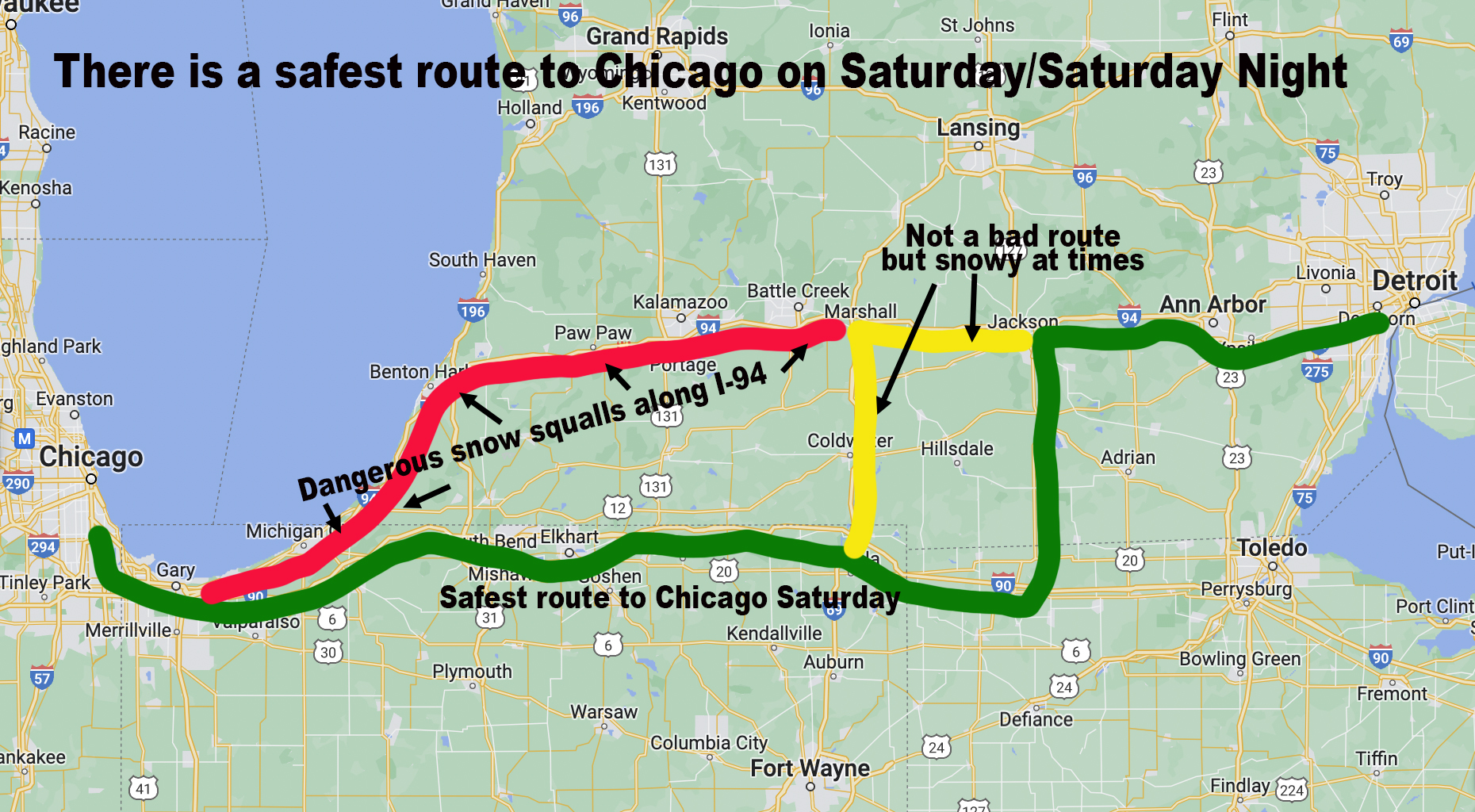
The distance between Chicago, Illinois, and Detroit, Michigan, is approximately 280-300 miles (450-480 kilometers), depending on the exact starting and ending points within each city. This journey typically spans 4 to 5 hours by car, making it a popular route for both leisure and business travelers. However, the exact travel time and experience can vary significantly based on your chosen mode of transportation. Understanding each option’s nuances is key to planning a seamless trip.
By Car: The Classic American Road Trip
Driving is arguably the most popular way to travel between Chicago and Detroit, offering unparalleled flexibility and the freedom to explore at your own pace. The primary route is via I-94 East, a straightforward highway that connects the two cities. The journey is scenic in parts, especially as you pass through rural Michigan and catch glimpses of Lake Michigan.
- Distance: Approximately 280-300 miles (450-480 km).
- Travel Time: 4 to 5 hours, without significant stops or heavy traffic. During peak travel times or holiday weekends, this can extend to 6 hours or more.
- Benefits: Freedom to make spontaneous stops, carry more luggage, and travel on your schedule. It’s ideal for those who enjoy the journey as much as the destination.
- Considerations: Fuel costs, potential for traffic congestion (especially around city centers), and the need for parking upon arrival. Car rentals are readily available in both cities for those flying in.
Rail Travel: A Scenic Alternative
For travelers seeking a more relaxed and environmentally friendly option, train travel presents a compelling choice. Amtrak operates services connecting Chicago’s Union Station to Detroit’s various stations, including the downtown hub.
- Distance: Similar to driving routes.
- Travel Time: Typically 5.5 to 7 hours, which is longer than driving due to multiple stops and varying train schedules.
- Benefits: Avoids traffic, offers comfortable seating, onboard amenities like Wi-Fi and dining cars, and scenic views. You can work, read, or simply relax without the stress of driving.
- Considerations: Longer travel time compared to driving or flying, and schedules might be less frequent than other options. Booking in advance is recommended, especially for preferred seating.
Flying: The Quickest Route
When time is of the essence, flying offers the fastest way to bridge the distance between Chicago and Detroit. Both cities are major airline hubs, ensuring frequent connections.
- Distance: Air distance is roughly 230 miles (370 km).
- Travel Time: Flight time is typically around 1 hour. However, when accounting for travel to and from airports, security checks, and boarding, the total door-to-door travel time often averages 3 to 4 hours.
- Airports: In Chicago, travelers can choose between O’Hare International Airport (ORD) and Midway International Airport (MDW). Detroit is served by Detroit Metropolitan Wayne County Airport (DTW).
- Benefits: Unquestionably the fastest option for covering the distance.
- Considerations: Can be the most expensive option, especially for last-minute bookings. Additional costs for luggage and airport transfers should also be factored in.
Bus Services: Budget-Friendly Connections
For budget-conscious travelers, intercity bus services provide an economical way to travel between Chicago and Detroit. Companies like Greyhound and FlixBus offer regular routes.
- Distance: Similar to driving routes.
- Travel Time: Generally 5 to 7 hours, making it comparable to train travel but often at a lower cost.
- Benefits: Most affordable option, especially when booking in advance. Many buses offer amenities like Wi-Fi and power outlets.
- Considerations: Longer travel times, potential for multiple stops, and less personal space compared to other modes.
Beyond the Miles: What Awaits in the Windy City
Once you’ve arrived in Chicago, a city celebrated for its towering architecture, world-class museums, and vibrant cultural scene, a plethora of experiences awaits. As a global hub for travel and tourism, Chicago seamlessly blends urban excitement with inviting green spaces, offering something for every visitor.
Iconic Landmarks and Cultural Experiences
Chicago’s skyline is instantly recognizable, a testament to its architectural prowess. Begin your exploration at Millennium Park, home to the iconic Cloud Gate (affectionately known as “The Bean”), a must-see for a quintessential Chicago photo opportunity. Nearby, the Art Institute of Chicago boasts an impressive collection spanning centuries and cultures. For breathtaking views, ascend to Skydeck Chicago at the Willis Tower (formerly Sears Tower) or the 360 Chicago Observation Deck at the John Hancock Center for panoramic vistas of the city, Lake Michigan, and beyond.
A stroll along the Magnificent Mile offers world-class shopping, from luxury boutiques to flagship stores. For family fun, Navy Pier provides entertainment ranging from Ferris wheel rides to boat tours along Lake Michigan or the Chicago River, offering unique architectural perspectives. Don’t miss the city’s legendary live music scene, especially its historic blues and jazz clubs, or a performance at The Second City, where many comedy legends began their careers.
Culinary Delights and Vibrant Nightlife
Chicago’s culinary landscape is as diverse as its population. No visit is complete without indulging in a classic deep-dish pizza, with numerous establishments vying for the title of “best.” Beyond pizza, savor a Chicago-style hot dog – a true local delicacy. The city’s vibrant neighborhoods, such as the Chicago Loop, River North, and West Loop, offer an array of dining options, from Michelin-starred restaurants to cozy cafes.
The nightlife in Chicago is equally dynamic. Rooftop bars provide stunning city views, while speakeasies offer a glimpse into the city’s past. From lively dance clubs to intimate jazz lounges, Chicago truly comes alive after dark.
Where to Stay: Chicago’s Diverse Accommodation Options
When it comes to accommodation, Chicago boasts an impressive array of hotels, suites, and apartments to suit every budget and style of travel.
- Luxury Stays: For an opulent experience, consider the Peninsula Chicago, known for its impeccable service and prime location, or the Langham Chicago, offering stunning river views and lavish amenities. Other top-tier options include the Thompson Chicago and Viceroy Chicago.
- Boutique Hotels: If you prefer unique charm and personalized service, boutique hotels like The Hoxton, Chicago or Freehand Chicago in River North offer stylish accommodations with a local flair.
- Mid-Range and Budget-Friendly: Reputable chains and independent hotels cater to more modest budgets without compromising on comfort. Historic options like The Palmer House Hilton offer a blend of history and convenience. For longer stays or family trips, serviced apartments provide the comforts of home.
Booking in advance, especially during peak season, is always recommended to secure the best rates and availability.
Discovering the Spirit of the Motor City: Detroit’s Renaissance
Crossing into Detroit, you’ll encounter a city that has undergone a remarkable revitalization, blending its rich industrial heritage with a burgeoning arts scene, innovative culinary landscape, and welcoming atmosphere. The Motor City is a testament to resilience, offering unique perspectives on American history and contemporary urban renewal.
Historical Significance and Modern Attractions
Detroit’s history is deeply intertwined with the automobile industry and music. No visit is complete without a trip to the Henry Ford Museum of American Innovation (in nearby Dearborn), where you can explore exhibits on technology, industry, and American culture. Equally essential is the Motown Museum, located in the original Hitsville U.S.A. building, where legends like Diana Ross and Stevie Wonder recorded their iconic tracks.
The Detroit Institute of Arts (DIA) houses one of the largest and most significant art collections in the United States, including Diego Rivera’s renowned “Detroit Industry Murals.” For a taste of local life, explore the historic Eastern Market, a vibrant public market offering fresh produce, local goods, and a lively atmosphere. Campus Martius Park in Downtown Detroit serves as a central gathering spot, hosting events, concerts, and ice skating in winter. Take a walk along the Detroit RiverWalk for stunning views of the Detroit River and Canada across the border, or visit Belle Isle Park, an island park offering an aquarium, conservatory, and beautiful natural spaces. The impressive GM Renaissance Center dominates the skyline, housing offices, shops, and the Detroit Marriott at the Renaissance Center.
Detroit’s Evolving Food Scene and Entertainment
Detroit’s culinary scene is rapidly evolving, attracting national attention for its innovative restaurants and diverse flavors. From classic Coney Island hot dogs (a local staple) to farm-to-table dining experiences, the city offers a range of options. Explore neighborhoods like Corktown for trendy eateries and bars, Greektown for authentic Greek cuisine and casinos, or Mexicantown for vibrant Mexican fare. Craft breweries and distilleries are also a growing part of the city’s social fabric, offering tours and tasting rooms.
For entertainment, Detroit boasts a rich musical heritage that extends beyond Motown. Live music venues showcase everything from jazz and blues to electronic dance music, a genre with deep roots in the city. The city also offers professional sports, theaters, and a burgeoning gallery scene, particularly in areas like Midtown.
Finding Your Perfect Stay in Detroit
Detroit’s accommodation landscape reflects its resurgence, with options ranging from historic luxury hotels to stylish boutique properties.
- Luxury and Boutique Hotels: The Shinola Hotel in Downtown Detroit offers a blend of upscale design and local craftsmanship, quickly becoming a destination in itself. Another excellent choice is The Siren Hotel, housed in a beautiful historic building. For a classic, exclusive experience, consider The Detroit Club. The Detroit Marriott at the Renaissance Center provides modern comfort with impressive river views.
- Mid-Range and Extended Stays: Numerous chain hotels provide reliable comfort and value across Downtown Detroit and surrounding areas. For those planning a longer stay or seeking apartment-style amenities, several serviced apartment buildings and vacation rentals are available, offering greater space and flexibility, especially for family trips or business stays.
As with any popular destination, booking your accommodations well in advance is advisable, particularly during major events or conventions in the city.
Crafting Your Midwest Itinerary: Tips for an Unforgettable Journey
Planning a trip between Chicago and Detroit is an exciting endeavor. To ensure a smooth and memorable experience, consider these practical tips related to budgeting, travel styles, and overall trip planning.
Budgeting and Travel Styles
Your travel budget and preferred lifestyle will significantly shape your trip.
- Luxury Travel: If you envision a lavish escape, both Chicago and Detroit offer five-star hotels, gourmet dining experiences, and exclusive tours. Consider private car services for transfers and VIP access to attractions.
- Budget Travel: For those mindful of expenses, bus travel is the most economical way to move between cities. Look for budget-friendly hotels or hostels, utilize public transportation within cities, and explore free attractions like parks and public art installations. Many museums offer free admission days or discounted rates.
- Family Trips: When traveling with family, comfort and convenience are key. Driving offers flexibility with children, allowing for frequent stops. Consider hotels with family suites or apartments with kitchenettes. Both cities offer numerous family-friendly attractions, from Chicago’s Lincoln Park Zoo (free admission) to Detroit’s Michigan Science Center.
- Business Stays: For business travelers, proximity to convention centers or business districts is crucial. Look for hotels offering amenities like business centers, high-speed Wi-Fi, and convenient transport links. Both cities have excellent public transport systems and ride-sharing options.
Maximizing Your Experience: Planning and Flexibility
- Book in Advance: Especially for flights, train tickets, and popular hotels, booking several weeks or months ahead can secure better rates and ensure availability. This is particularly true during peak travel seasons or major events.
- Local Transportation: Once in Chicago or Detroit, utilize the efficient public transportation systems. Chicago’s “L” train and bus network, and Detroit’s QLine streetcar and bus system, are excellent for navigating urban areas. Ride-sharing services are also readily available.
- Consider a Multi-City Pass: For attraction hopping, look into city passes available in Chicago (like the Go Chicago Pass or Chicago CityPASS) which can offer significant savings on multiple landmarks and museums. While Detroit doesn’t have an identical pass, many attractions offer bundled tickets.
- Pack Smart: Depending on the season, weather in the Great Lakes region can vary dramatically. Layers are always a good idea. Comfortable walking shoes are essential for exploring the cities’ vibrant neighborhoods.
- Embrace Local Culture: Beyond the main attractions, take time to explore local neighborhoods, try regional dishes, and engage with the local community. This is where you’ll discover the true essence of each city.
In conclusion, the journey from Chicago to Detroit is more than just covering a distance of nearly 300 miles; it’s an opportunity to immerse yourself in the rich tapestry of the American Midwest. Whether you’re drawn by Chicago’s architectural marvels and deep-dish pizza or Detroit’s historic resurgence and musical legacy, this trip promises a wealth of experiences. With careful planning and an open mind, your adventure between these two dynamic cities will undoubtedly be a highlight of your travel portfolio.
LifeOutOfTheBox is a participant in the Amazon Services LLC Associates Program, an affiliate advertising program designed to provide a means for sites to earn advertising fees by advertising and linking to Amazon.com. Amazon, the Amazon logo, AmazonSupply, and the AmazonSupply logo are trademarks of Amazon.com, Inc. or its affiliates. As an Amazon Associate we earn affiliate commissions from qualifying purchases.