
The vast expanse of the United States stretches from the shores of the Atlantic Ocean to the Pacific Ocean, and between its iconic cities and sun-drenched states lie varying distances that can significantly influence travel plans. Among the most commonly pondered geographical queries is the distance between the vibrant metropolis of Chicago and the perpetually popular vacation destination of Florida. This question isn’t merely about miles; it delves into the practicalities of travel, from the time spent in transit to the cost of getting there, and ultimately, the type of experience one can anticipate upon arrival.
Chicago, a titan of the Midwest, is renowned for its stunning architecture, world-class museums, and a lively cultural scene. It’s a city that embraces all four seasons with gusto, from the snowy landscapes of winter to the balmy breezes of summer that sweep across Lake Michigan. In contrast, Florida, often dubbed the “Sunshine State,” is synonymous with warm weather, pristine beaches, and a plethora of family-friendly attractions. The allure of Florida lies in its tropical climate, its vibrant theme parks, and its coastal beauty, drawing millions of visitors seeking relaxation and adventure.
Understanding the distance between these two distinct regions is the first step in planning a seamless journey, whether you’re dreaming of trading the urban canyons of Chicago for the sandy shores of Miami or the theme park thrills of Orlando. The distance isn’t a static figure; it’s a dynamic variable that affects every aspect of travel, from the mode of transportation chosen to the duration of your stay. This article aims to illuminate the various distances, from road mileage to flight times, and to explore the implications for different types of travelers.
Measuring the Miles: Driving and Flying Distances
The most direct way to answer “How far is Chicago from Florida?” is by considering the different modes of travel. The sheer size of Florida means that the “distance” can vary depending on the specific city you’re heading to. However, we can establish a general understanding by looking at common destinations within the state.
Driving Distance: A Road Trip Perspective
For those who prefer the freedom of the open road and the opportunity to see more of the American landscape, driving is a viable option. The driving distance from Chicago to the northernmost parts of Florida, such as Jacksonville, is approximately 1,100 to 1,200 miles. This journey typically takes around 17 to 20 hours of pure driving time, not including stops for gas, food, or overnight stays.
If your destination is further south, such as the popular tourist hubs of Orlando or Tampa on the Gulf Coast, the mileage increases. To reach Orlando, you’re looking at approximately 1,250 to 1,350 miles, translating to about 20 to 23 hours of driving. For the southwestern coastal city of Fort Myers, the distance can stretch to around 1,400 miles, requiring upwards of 23 to 25 hours behind the wheel.
Embarking on a road trip of this magnitude requires careful planning. It’s generally recommended to break up the drive into at least two days, with an overnight stop to avoid fatigue and ensure safety. Popular routes often take travelers through states like Illinois, Indiana, Kentucky, Tennessee, and Georgia before entering Florida. This allows for potential stops at interesting landmarks or cities along the way, transforming the journey into part of the overall travel experience. Accommodations along these routes range from budget-friendly motels to comfortable chain hotels, offering travelers options to suit their preferences and budgets.
Flight Distance and Time: The Fastest Route
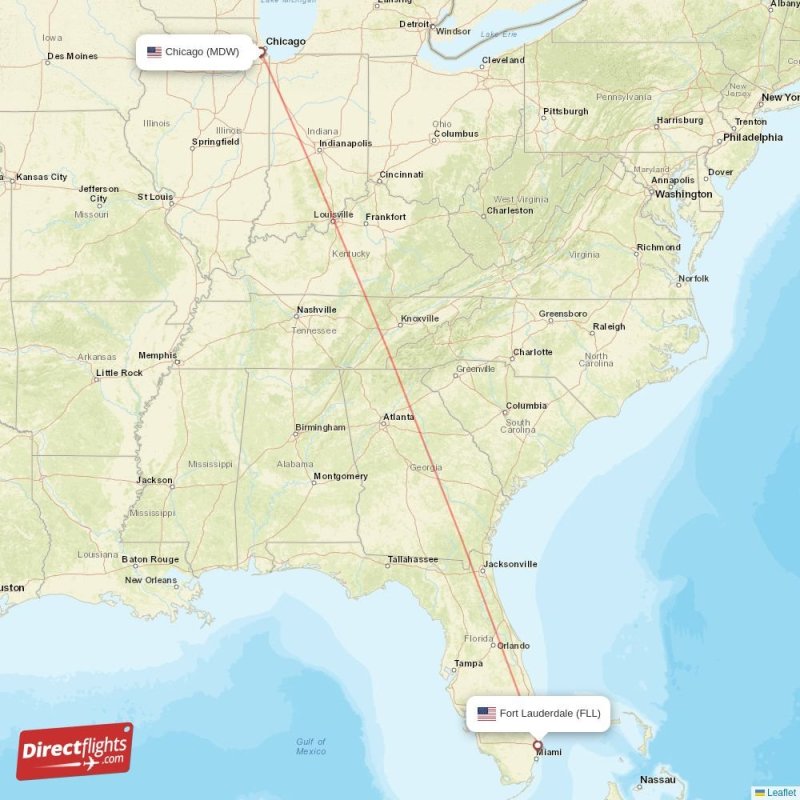
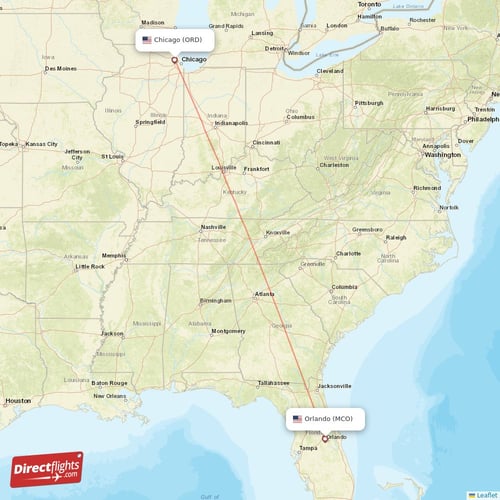
For many, the most practical and time-efficient way to travel from Chicago to Florida is by air. The flight distance is considerably shorter than the driving distance, and with direct flights, the travel time is significantly reduced. Chicago is served by two major airports: O’Hare International Airport (ORD) and Midway International Airport (MDW). Florida has numerous airports, with the busiest and most popular for travelers from the Midwest including Orlando International Airport (MCO), Miami International Airport (MIA), and Tampa International Airport (TPA).
Direct flights from Chicago to major Florida cities typically range from 2.5 to 3.5 hours. For example, a direct flight from ORD or MDW to Orlando usually takes around 3 hours. Flights to Miami might be slightly longer, closer to 3.5 hours, due to a more southerly trajectory. Similarly, flights to Tampa are generally around 3 to 3.5 hours.
While the flight time is relatively short, it’s important to factor in the total travel duration. This includes getting to the airport, going through security, boarding, deplaning, and retrieving luggage. Therefore, a journey that involves flying should ideally be considered as a half-day endeavor, if not more, especially when accounting for potential flight delays. Booking flights in advance can often secure better prices, and airlines frequently offer deals, particularly during off-peak seasons. Travelers can compare prices across different airlines and booking platforms to find the most economical options.
Factors Influencing Travel Choice and Experience
The distance between Chicago and Florida is not the sole determinant of how one chooses to travel. A multitude of factors, including budget, time constraints, personal preferences, and the purpose of the trip, all play a significant role. Understanding these influences helps paint a clearer picture of the travel experience from start to finish.
Budget Travel Considerations
For budget-conscious travelers, the choice between driving and flying can be complex. Driving a personal vehicle might seem more economical initially, especially if traveling with multiple people to share fuel costs. However, one must account for wear and tear on the vehicle, lodging expenses for overnight stops, and food along the way. In contrast, flights can sometimes be surprisingly affordable, especially when booked in advance or during sales. Budget airlines often offer competitive fares, though baggage fees and other ancillary charges can add up.
When flying, looking for deals to airports like Fort Lauderdale-Hollywood International Airport (FLL) or Southwest Florida International Airport (RSW) in Florida might yield lower prices than flying into the primary hubs of Miami or Orlando. Similarly, on a road trip, opting for budget-friendly accommodations and packing snacks can significantly reduce overall expenses. The key is to research and compare prices thoroughly for both transportation and lodging. For instance, exploring deals on websites offering vacation packages or comparing hotel rates on sites like Booking.com (if it were an internal link) can be beneficial.
Leisure and Family Trips
For families planning a vacation to Florida, the decision often hinges on the age of the children and the desired vacation pace. A road trip can be an adventure in itself, allowing for stops at roadside attractions and a more relaxed pace. However, long hours in a car can be challenging for younger children. In such cases, flying might be the preferred option, getting the family to their destination quickly and allowing more time for activities and relaxation.
Florida offers a plethora of family-friendly destinations, from the world-renowned theme parks of Orlando, such as Walt Disney World Resort and Universal Orlando Resort, to the beautiful beaches of the Gulf Coast and the natural wonders of the Everglades National Park. The choice of transportation might also depend on the amount of luggage the family is bringing. Driving offers more flexibility for carrying gear, while flying necessitates careful packing to avoid excess baggage fees.

Business Stays and Luxury Travel
For business travelers, time is often of the essence, making flights the overwhelmingly preferred mode of transport. The efficiency of air travel allows professionals to maximize their time for meetings and engagements in Florida. Chicago and Florida are both major economic centers with significant business activity, and the ease of travel between them is crucial.
Luxury travelers might also lean towards flights for convenience and speed, opting for business or first-class seats for added comfort. However, for those seeking a more scenic and leisurely journey, a high-end road trip can also be an option, staying in upscale hotels along the way. Upon arrival in Florida, luxury accommodations range from five-star resorts like the Fontainebleau Miami Beach to exclusive villas and boutique hotels, offering a refined experience that complements the travel journey. The choice of transportation then becomes part of the overall luxury experience, prioritizing comfort and exclusivity.
In conclusion, the question of “How far is Chicago from Florida?” is more than a simple geographical inquiry. It’s an invitation to explore the myriad ways one can bridge the distance between these two distinct American locales. Whether you’re drawn by the allure of Florida’s warmth and entertainment or the urban sophistication of Chicago, the journey itself can be as memorable as the destination. By understanding the driving and flying distances, and considering the various influencing factors, travelers can make informed decisions to create the perfect itinerary, ensuring a smooth and enjoyable transition from the heart of the Midwest to the sunshine of the South.
LifeOutOfTheBox is a participant in the Amazon Services LLC Associates Program, an affiliate advertising program designed to provide a means for sites to earn advertising fees by advertising and linking to Amazon.com. Amazon, the Amazon logo, AmazonSupply, and the AmazonSupply logo are trademarks of Amazon.com, Inc. or its affiliates. As an Amazon Associate we earn affiliate commissions from qualifying purchases.