
The desire to explore new horizons often begins with a simple question: “How far is Chicago from me by plane?” This seemingly straightforward query opens up a world of travel planning, from understanding flight logistics to envisioning the vibrant experiences awaiting you in the Windy City. As a premier destination in the United States, Chicago offers a unique blend of architectural marvels, world-class museums, an innovative culinary scene, and a rich cultural tapestry. But before you can immerse yourself in deep-dish pizza and jazz clubs, it’s crucial to understand the journey itself.
The distance to Chicago isn’t a fixed number; it’s a dynamic variable entirely dependent on your starting point. Whether you’re planning a quick getaway from a nearby state, a cross-country adventure, or an international expedition, the actual flight duration and miles covered will vary significantly. This article will guide you through the intricacies of air travel to Chicago, delving into how distances are calculated, what factors influence your flight experience, and what to expect once you touch down in this magnificent Illinois metropolis. We’ll explore everything from choosing the right airport and booking the best flights to discovering the city’s iconic landmarks and finding the perfect accommodation that suits your travel lifestyle.
Understanding Air Travel Distances to Chicago
Pinpointing the exact “how far” to Chicago requires a geographical reference point. Air travel distances are typically measured in nautical miles or statute miles, representing the shortest possible route between two points on the Earth’s surface, known as a great-circle distance. However, actual flight paths can deviate due to air traffic control, weather conditions, and international airspace regulations. The time taken to cover this distance is influenced by a myriad of factors beyond just the mileage.
Factors Influencing Flight Duration and Distance
While the great-circle distance provides a baseline, several elements conspire to determine your actual flight time and perceived journey length to Chicago:
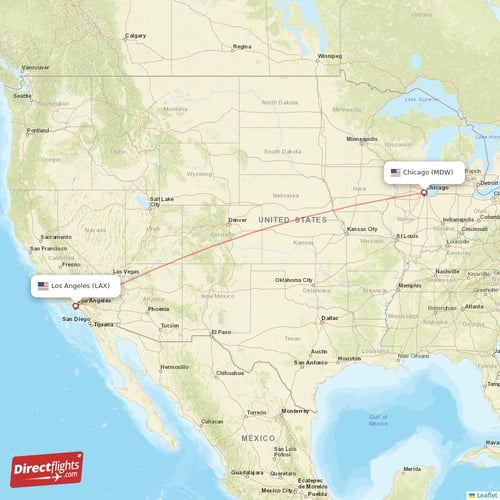
- Origin City: Naturally, the further your departure city is, the longer your flight will be. A flight from New York City to Chicago (approximately 713 miles or 1,147 km) is significantly shorter than one from Los Angeles (approximately 1,745 miles or 2,808 km), or an international journey from London (approximately 3,950 miles or 6,357 km). These distances translate into vastly different flight durations – around 2 hours from NYC, 4 hours from LA, and 8 hours from London for direct flights.
- Direct vs. Connecting Flights: The most straightforward way to reach Chicago is via a direct flight. Connecting flights, while often more affordable, add significant travel time due to layovers and the additional leg of the journey. Even short layovers can extend your total travel time by several hours, not to mention the potential for delays and missed connections.
- Aircraft Type and Cruising Speed: Different aircraft models have varying cruising speeds. A smaller regional jet might be slower than a wide-body long-haul aircraft. Modern commercial jets typically cruise at speeds between 500-600 miles per hour (800-965 km/h), but the overall average speed can be affected by ascent and descent phases.
- Wind Conditions (Jet Stream): The powerful jet stream can significantly impact flight times, particularly on east-west routes. Flights traveling with the jet stream (e.g., from Chicago to Europe or Chicago to the West Coast) can be considerably shorter, while those flying against it will experience longer durations and higher fuel consumption.
- Air Traffic Control (ATC) and Route Optimization: ATC directives can necessitate deviations from the most direct path to avoid congested airspace or adverse weather. Airlines also employ sophisticated route optimization software to find the most fuel-efficient and timely routes, which may not always be the shortest in terms of miles.
- Time Zones: When traveling long distances, especially internationally, time zone changes play a crucial role in how you perceive the journey length and manage jet lag. Chicago operates on Central Standard Time (CST) or Central Daylight Time (CDT).
Major Airports Serving Chicago
Chicago is served by two primary airports, each offering distinct advantages depending on your origin, destination, and preferred airline. Understanding their locations and typical operations can help you choose the best entry point into the city.
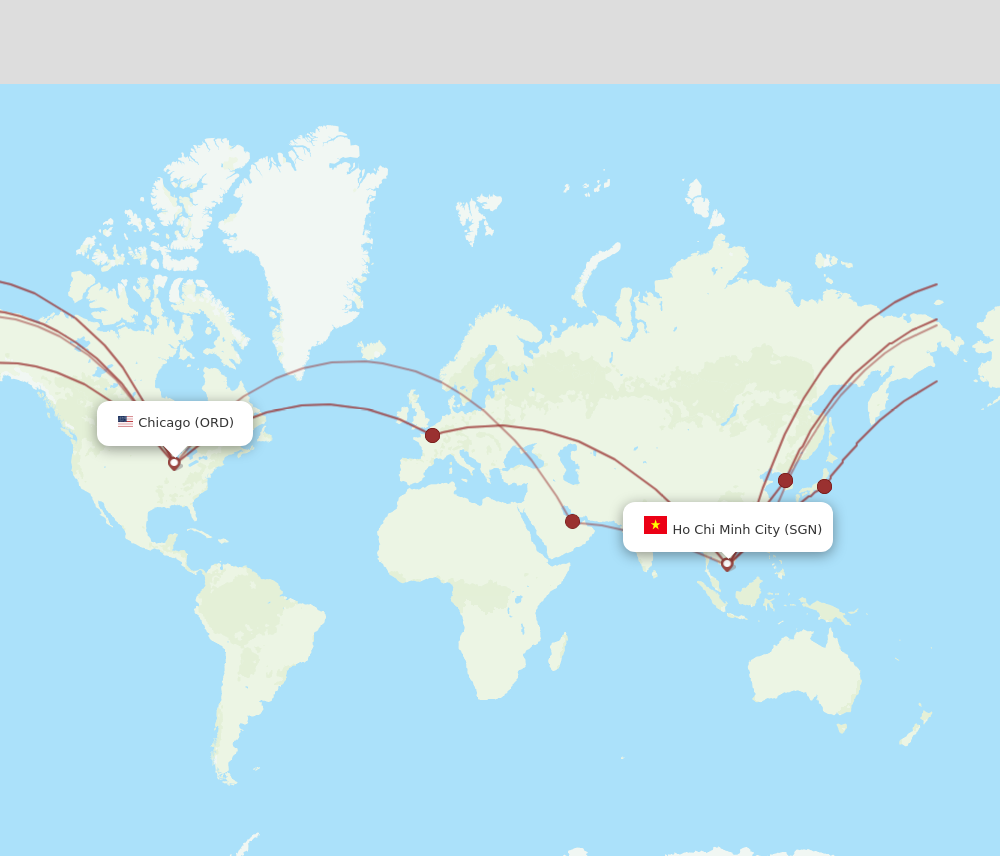
- O’Hare International Airport (ORD): Located approximately 17 miles (27 km) northwest of downtown Chicago, ORD is one of the busiest airports in the world and a major hub for United Airlines and American Airlines. It handles the vast majority of international flights and a significant volume of domestic travel. Its extensive network means more direct flight options from diverse locations, though its size can also mean longer walks between gates and potentially longer taxi times on the runway. Ground transportation from O’Hare to downtown is convenient via the CTA Blue Line (The L), shuttle services, taxis, and ride-shares.
- Midway International Airport (MDW): Situated closer to downtown, about 12 miles (19 km) southwest, MDW is primarily served by Southwest Airlines and other budget carriers like Spirit Airlines and Frontier Airlines. It offers a more compact and often less congested experience compared to O’Hare. For travelers prioritizing convenience and potentially lower fares from domestic locations, Midway can be an excellent choice. The CTA Orange Line provides direct access to the Loop from Midway.
Planning Your Trip to the Windy City
Once you’ve grasped the dynamics of flight distances and durations, the next step is to meticulously plan your journey. Strategic planning can transform a good trip into an unforgettable experience, ensuring both efficiency and enjoyment from the moment you consider booking your ticket until you arrive at your Chicago destination.
Navigating Flight Options and Booking Smart
Finding the best flight involves more than just picking the cheapest ticket; it’s about balancing cost, convenience, and comfort.
- Flexibility is Key: If your schedule allows, being flexible with your travel dates can lead to significant savings. Mid-week flights (Tuesday, Wednesday, Thursday) are often less expensive than weekend travel. Similarly, flying during the off-peak season (e.g., late fall or early spring, avoiding major holidays) can yield better deals.
- Book in Advance (but not too far): Generally, booking flights 2-3 months in advance for domestic travel and 3-6 months for international trips yields optimal prices. Booking too early or too late can result in higher fares. Set up price alerts on flight comparison websites to monitor fare changes.
- Utilize Flight Comparison Engines: Websites like Google Flights, Skyscanner, Kayak, and Expedia are invaluable tools for comparing prices across multiple airlines and identifying the most cost-effective routes, including those with layovers if you’re open to them.
- Consider Budget Airlines: For domestic flights, budget carriers like Southwest Airlines, Spirit Airlines, and Frontier Airlines often offer lower base fares. However, be mindful of their add-on fees for baggage, seat selection, and amenities, which can quickly add up. Always calculate the total cost before booking.
- Airline Loyalty Programs and Credit Card Perks: If you’re a frequent flyer, leverage your airline loyalty programs for potential upgrades, lounge access, or even free flights. Travel credit cards often come with lucrative sign-up bonuses and ongoing rewards that can be redeemed for travel expenses, significantly reducing your overall cost.
Essential Packing and Pre-Flight Preparations
Effective preparation extends beyond booking your flight; it involves practical considerations for a smooth journey.
- Check Baggage Policies: Before packing, review your airline’s baggage allowance, especially for carry-on and personal items. Budget airlines are particularly strict and charge hefty fees for exceeding limits. Invest in a luggage scale to avoid surprises at the airport.
- Pack Smart for Chicago’s Weather: Chicago experiences four distinct seasons. Summers are warm and humid, while winters can be brutally cold with significant snowfall. Spring and fall offer milder temperatures but can be unpredictable. Pack layers, comfortable walking shoes, and outerwear appropriate for the season of your visit. A windproof jacket is always a good idea, earning the city its “Windy City” moniker.
- Travel Documents and Identification: Ensure your ID (driver’s license or passport for international travel) is valid and easily accessible. If traveling internationally, check visa requirements well in advance. Keep digital and physical copies of all essential documents.
- Airport Arrival Time: For domestic flights, plan to arrive at least 2 hours before departure, and 3 hours for international flights, especially if checking luggage or traveling during peak times. This allows ample time for security checks, potential delays, and finding your gate.
- In-Flight Comfort: Pack essentials like a neck pillow, eye mask, earplugs, snacks, and entertainment (downloaded movies, books) to make your flight more comfortable. Stay hydrated and try to move around the cabin when permitted to prevent stiffness.
Exploring Chicago: Beyond the Journey
Once you’ve landed at either O’Hare or Midway, the real adventure begins. Chicago is a city designed for exploration, offering a dazzling array of experiences for every type of traveler, from history buffs and art aficionados to foodies and families.
Iconic Chicago Landmarks and Attractions
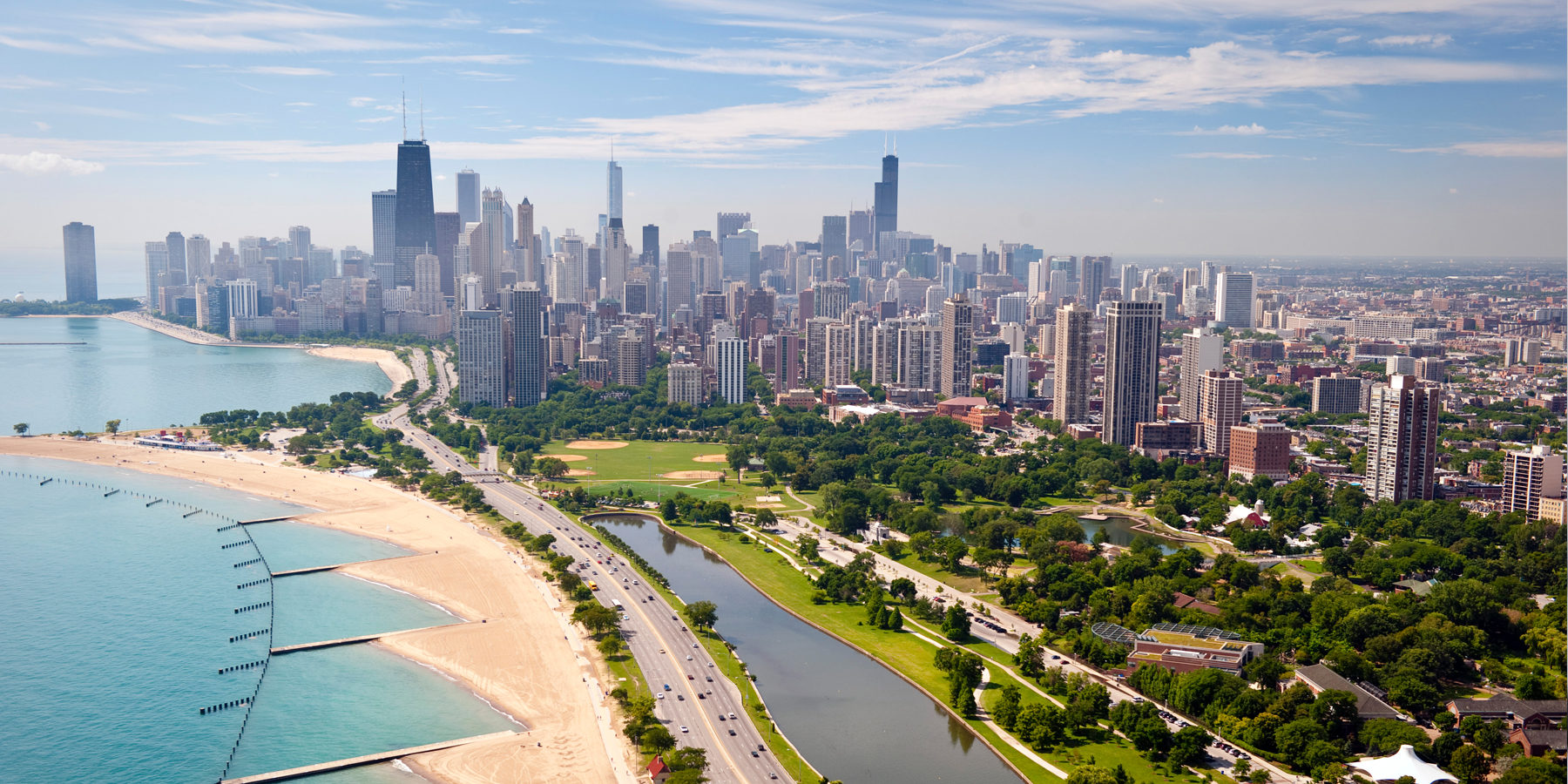
Chicago’s skyline is instantly recognizable, dotted with architectural masterpieces and renowned landmarks.
- Millennium Park: A must-visit urban park featuring the iconic Cloud Gate, affectionately known as “The Bean,” and the interactive Crown Fountain. It’s a vibrant hub for art, music, and public events.
- Art Institute of Chicago: One of the oldest and largest art museums in the United States, home to a vast collection spanning centuries and continents, including masterpieces by Monet, Renoir, and Van Gogh.
- Navy Pier: Stretching into Lake Michigan, this historic landmark offers family-friendly attractions like the Centennial Wheel, gardens, shops, and dining options, along with breathtaking city views.
- Magnificent Mile: A shoppers’ paradise and architectural delight along Michigan Avenue, boasting luxury boutiques, flagship stores, upscale hotels, and gourmet restaurants.
- Willis Tower (Skydeck): Formerly the Sears Tower, it stands as a testament to Chicago’s architectural prowess. Venture out onto The Ledge, a glass-bottomed balcony extending from the 103rd floor, for unparalleled panoramic views.
- Museum Campus: Home to three of Chicago’s most esteemed institutions:
- Field Museum: A natural history museum famed for its dinosaur collection, including “Sue,” the most complete T-Rex skeleton ever found.
- Shedd Aquarium: One of the largest indoor aquariums in the world, showcasing a diverse array of aquatic life.
- Adler Planetarium: The first planetarium in the Western Hemisphere, offering immersive space exhibits and stunning skyline views.
- Lincoln Park Zoo: A free zoo in the heart of Lincoln Park, perfect for families and nature lovers, offering a chance to see animals from around the globe.
- Chicago Riverwalk: A vibrant pathway along the Chicago River, ideal for strolling, dining, and taking architecture boat tours that provide unique perspectives on the city’s famous buildings.
- [Wrigley Field](https://lifeoutofthebox.com/wrigley field): For sports enthusiasts, catching a Cubs game at this historic ballpark in Wrigleyville is an quintessential Chicago experience.
Where to Stay: Accommodation Options for Every Traveler
Chicago’s accommodation landscape is as diverse as its attractions, offering options to fit every budget and lifestyle.
- Luxury Hotels & Resorts: For those seeking unparalleled service and lavish amenities, Chicago boasts world-renowned establishments such as The Peninsula Chicago, known for its elegant suites and rooftop bar, and The Langham Chicago, set in a Mies van der Rohe-designed building with stunning river views. Other top-tier options include the Four Seasons Hotel Chicago and the Waldorf Astoria Chicago.
- Mid-Range Hotels: Offering a balance of comfort and value, these hotels are often strategically located near major attractions and business districts. Popular choices include the Hyatt Regency Chicago, one of the city’s largest hotels with excellent facilities, and the historic Palmer House Hilton, famous for its grand lobby. The Hotel Allegro Chicago and Virgin Hotels Chicago offer stylish stays with unique vibes.
- Budget-Friendly Options: Travelers on a tighter budget can find numerous affordable hotels, hostels, and guesthouses. Areas slightly outside the immediate downtown core, but still easily accessible by public transport, often provide better value. Hostels like HI Chicago Hostel offer dormitory-style rooms and a vibrant social atmosphere, while budget hotels such as Mama Shelter Chicago provide comfortable, no-frills accommodations.
- Apartments and Long-Term Stays: For extended visits or family travel, platforms like Airbnb and Vrbo offer a wide selection of apartments, condos, and houses, providing more space, privacy, and the convenience of a kitchen. This can be particularly appealing for those looking to experience local lifestyle or enjoy self-catering options.
- Consider Location: When choosing accommodation, think about your primary interests. Staying in the Loop or River North puts you close to major attractions, while neighborhoods like Wicker Park or Lincoln Park offer a more local, bohemian, or family-friendly atmosphere with excellent dining and boutique shops.
Culinary Adventures and Local Culture
Chicago’s food scene is legendary, extending far beyond its famous deep-dish pizza.
- Deep-Dish Pizza: A rite of passage for any visitor. Try Lou Malnati’s, Giordano’s, or Pequod’s Pizza for this iconic dish.
- Chicago Hot Dog: A quintessential local delicacy. This all-beef hot dog is served on a poppy seed bun and “dragged through the garden” with mustard, chopped white onions, bright green sweet pickle relish, a dill pickle spear, tomato slices or wedges, pickled sport peppers, and a dash of celery salt – absolutely no ketchup!
- Fine Dining: Chicago boasts numerous Michelin-starred restaurants, including Alinea, Smyth, and Ever, offering extraordinary culinary experiences for luxury travelers.
- Ethnic Cuisine: Explore diverse neighborhoods for authentic flavors – Chinatown, Little Italy, Pilsen (Mexican), and Lincoln Square (German) offer incredible gastronomic journeys.
- Music Scene: Chicago is the birthplace of electric blues and a vibrant jazz hub. Catch live performances at legendary venues like Kingston Mines, Buddy Guy’s Legends, and The Green Mill Cocktail Lounge.
- Theater and Comedy: Home to world-renowned improv comedy at The Second City, as well as a thriving theater district with Broadway in Chicago productions and independent theaters.
Making the Most of Your Chicago Experience
To ensure your trip to Chicago is as enjoyable and seamless as the flight there, a few final considerations can make all the difference.
Tips for a Seamless and Enjoyable Visit
- Public Transportation: Chicago’s public transportation system, operated by the CTA (Chicago Transit Authority), is extensive and efficient. The L (elevated train) and bus network can take you almost anywhere. Purchase a Ventra Card for easy travel. Metra commuter rail serves the suburbs, and Amtrak provides regional and national rail connections from Union Station.
- Walking Tours: Many of Chicago’s best sights are walkable, especially downtown. Consider an architectural boat tour on the Chicago River or a free walking tour to gain insights from local guides.
- CityPASS: If you plan to visit multiple attractions, a Chicago CityPASS can save you money on admission to several top landmarks, including the Skydeck, Field Museum, and Shedd Aquarium.
- Stay Connected: Consider purchasing a local SIM card or an eSIM for easy data access, especially for navigation and ride-sharing apps.
- Safety: Like any major city, be aware of your surroundings, especially at night. Stick to well-lit, populated areas and be cautious with your belongings.
Tailoring Your Trip: Luxury, Budget, Family, or Business
Chicago’s versatility means it caters to every type of traveler and lifestyle.
- Luxury Travel: Indulge in five-star hotels like The St. Regis Chicago, private guided tours, exclusive dining experiences, and high-end shopping on the Magnificent Mile. Enjoy spa treatments, concierge services, and bespoke experiences.
- Budget Travel: Explore free attractions like Millennium Park, Lincoln Park Zoo, and the Chicago Riverwalk. Utilize public transport, dine at casual eateries or food trucks, and opt for hostels or budget hotels for accommodation. Look for free cultural events and festivals.
- Family Trips: Chicago is incredibly family-friendly. Attractions like the Shedd Aquarium, Field Museum, Museum of Science and Industry, and Navy Pier offer engaging experiences for all ages. Consider hotels with suites or kitchenettes.
- Business Stays: Chicago is a major business hub with numerous convention centers, including McCormick Place. Choose hotels in the Loop or River North for proximity to corporate offices and business amenities like conference rooms, high-speed Wi-Fi, and executive lounges. Efficient public transport and ride-sharing options make commuting easy.
Ultimately, the question “How far is Chicago from me by plane?” sets the stage for a journey that is as much about the destination as it is about the path you take to get there. By understanding the factors influencing your flight, planning strategically, and embracing the diverse offerings of the Windy City, you’re not just booking a flight; you’re embarking on an unforgettable travel experience.
LifeOutOfTheBox is a participant in the Amazon Services LLC Associates Program, an affiliate advertising program designed to provide a means for sites to earn advertising fees by advertising and linking to Amazon.com. Amazon, the Amazon logo, AmazonSupply, and the AmazonSupply logo are trademarks of Amazon.com, Inc. or its affiliates. As an Amazon Associate we earn affiliate commissions from qualifying purchases.