
Embarking on a journey across the Midwest between two of its most vibrant urban centers, Chicago and Minneapolis, offers a rich tapestry of experiences. Whether you’re planning a swift business trip, a leisurely road adventure, or a family vacation, understanding the distance and various travel options is the first step in crafting an unforgettable itinerary. This comprehensive guide delves into the specifics of this popular route, providing insights into distances, travel times, modes of transportation, and what makes each city a compelling destination.
The distance between Chicago, Illinois, and Minneapolis, Minnesota, is approximately 400 to 410 miles (640 to 660 kilometers), depending on the exact starting and ending points within each metropolitan area and the specific route taken. This significant stretch of highway, railway, or airspace connects two distinct cultural hubs, each with its own unique charm and attractions. Planning your travel between these two cities requires considering not just the mileage, but also the time commitment, cost, and the overall experience you wish to have. From the bustling streets of the Windy City to the serene lakeshores of the Twin Cities, your journey promises to be as engaging as the destinations themselves.

Unveiling the Distance and Key Routes
Understanding the precise distance and the primary arteries that connect Chicago and Minneapolis is crucial for any travel planner. While a direct line might suggest one figure, real-world travel involves navigating established road networks, rail lines, and flight paths, each with its own set of considerations.
The Direct Drive: Mileage and Time Estimates
For many travelers, driving remains the preferred method for its flexibility and convenience. The most common and direct driving route between Chicago and Minneapolis primarily utilizes Interstate 90 (I-90) and Interstate 94 (I-94).
Starting from downtown Chicago, drivers typically head northwest on I-90 (which becomes I-94 in Wisconsin), passing through Milwaukee and Madison in Wisconsin, before continuing west into Minnesota and eventually reaching Minneapolis. The estimated driving distance for this route is typically around 400 to 410 miles.
The driving time, without significant stops, typically ranges from 6.5 to 7.5 hours. However, this is a best-case scenario. Factors that can significantly impact travel time include:
- Traffic Congestion: Especially when departing Chicago or approaching Minneapolis during peak hours, or navigating through Milwaukee, delays are common.
- Road Construction: The Midwest frequently sees road work, particularly during warmer months, which can cause detours or slow traffic.
- Weather Conditions: Winters in this region can bring snow and ice, substantially increasing driving times and requiring extra caution. Summers might see thunderstorms.
- Rest Stops and Fuel: Accounting for breaks, meals, and refueling is essential, adding to the total journey duration.
It’s advisable to check real-time traffic updates and weather forecasts before and during your drive to adjust your plans accordingly.
Alternative Routes and Scenic Detours
While the I-90 / I-94 corridor is the most direct, travelers seeking a change of scenery or looking to break up the journey can consider alternative routes or detours:
- Along the Mississippi River: A more scenic option might involve taking smaller state highways through rural Wisconsin and along the Mississippi River towards Minnesota. This would significantly increase travel time but offers picturesque views and opportunities to visit quaint towns.
- Stopping in Wisconsin Dells: If traveling with family or looking for an entertainment break, a detour to Wisconsin Dells, the “Waterpark Capital of the World,” can be a fun stopover. It’s located reasonably close to the primary I-90 route.
- Exploring Milwaukee: For those interested in craft breweries, historic architecture, or lakeside charm, a stop in Milwaukee offers a delightful break before continuing the journey west.
These detours transform the trip from a simple drive into an integral part of the travel experience, allowing for exploration of the diverse landscapes and cultures of the Midwest.
Exploring Travel Modes: Beyond the Wheel
While driving offers flexibility, several other transportation options connect Chicago and Minneapolis, each catering to different preferences for speed, comfort, and budget.
Taking to the Skies: Flights Between Chicago and Minneapolis
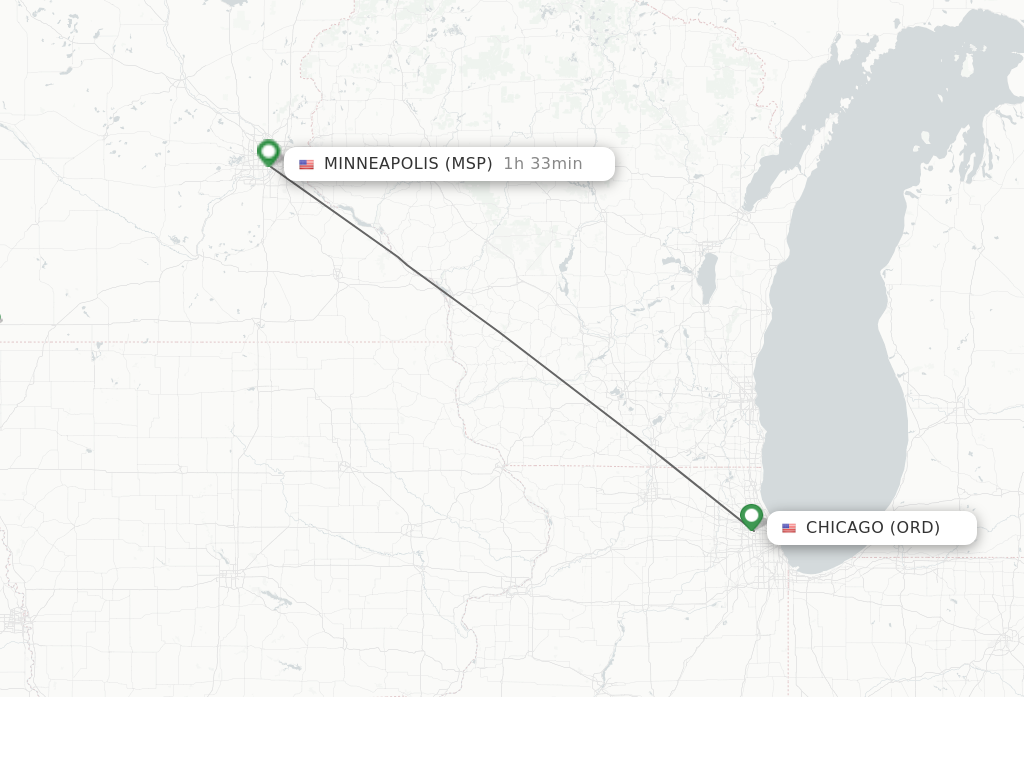
For the quickest travel between the two cities, flying is undoubtedly the most efficient. Both Chicago and Minneapolis are major airline hubs, ensuring frequent connections.
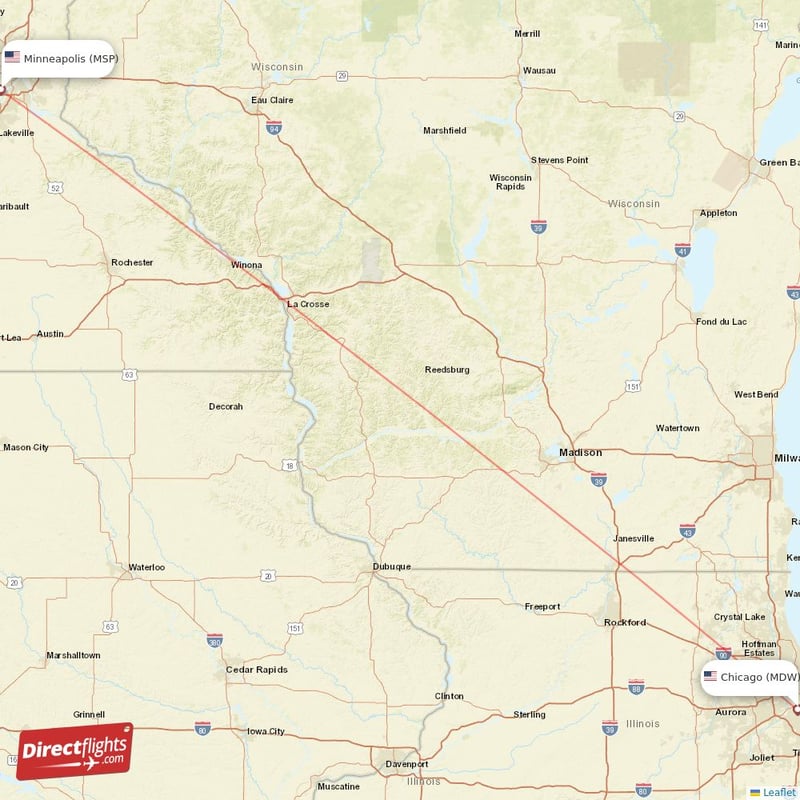
- Airports: In Chicago, travelers can fly from either O’Hare International Airport (ORD) or Midway International Airport (MDW). Minneapolis is served by Minneapolis-Saint Paul International Airport (MSP).
- Flight Duration: Direct flights typically range from 1 hour to 1 hour and 20 minutes.
- Airlines: Major carriers like United Airlines, American Airlines, Delta Air Lines, and Southwest Airlines offer multiple daily flights.
- Pros: Fastest travel time, ideal for business travelers or those with limited time.
- Cons: Requires travel to and from airports, security checks, and potential delays, which can add significantly to the overall door-to-door travel time. Costs can fluctuate widely based on booking time and demand.
Even though the flight itself is short, the entire process, from arriving at the airport to reaching your final destination, can often make the total travel time comparable to or slightly longer than driving, particularly for destinations easily accessible from city centers.
Rail Journeys: Amtrak Connectivity
Traveling by train offers a unique, often more relaxed, experience compared to driving or flying. Amtrak operates services between Chicago and Minneapolis on its renowned Empire Builder route.
- Route: The Empire Builder connects Chicago’s Union Station to St. Paul’s Union Depot (a short distance from downtown Minneapolis).
- Duration: The train journey typically takes around 7.5 to 8.5 hours, making it comparable to, or slightly longer than, driving.
- Experience: Amtrak offers comfortable seating, often with more legroom than planes or buses, and amenities like dining cars and observation cars, allowing passengers to enjoy the passing Midwest scenery.
- Pros: Relaxing travel, no need to navigate traffic, scenic views, city-center to city-center travel (reducing airport transfer hassles).
- Cons: Slower than flying, can be subject to delays, tickets might be more expensive than budget flights or bus options if not booked in advance.
Bus Services: An Economical Option
For budget-conscious travelers, bus services provide an affordable way to travel between Chicago and Minneapolis.
- Companies: Major bus operators like Greyhound and Jefferson Lines offer daily schedules.
- Duration: Bus journeys typically take 8 to 10 hours, sometimes longer depending on the number of stops and traffic conditions.
- Pros: Most economical option, convenient pick-up and drop-off points in city centers, allows passengers to relax without driving.
- Cons: Longest travel time, comfort levels can vary, potential for multiple stops.
Preparing for Your Journey: Essential Travel Tips
Regardless of your chosen mode of transport, a well-planned trip enhances the overall experience. A few considerations can make your journey smoother and more enjoyable.
Best Time to Travel
The Midwest experiences distinct seasons, each offering different travel conditions and attractions.
- Summer (June-August): Warm weather is ideal for outdoor activities in both cities. However, it’s also peak tourist season, leading to higher prices and potentially more traffic.
- Fall (September-October): Pleasant temperatures and stunning fall foliage make this a beautiful time for a road trip. Airfare and accommodation might be more reasonable than in summer.
- Spring (April-May): As winter thaws, the cities come alive with new growth. Weather can be unpredictable, but crowds are generally smaller.
- Winter (November-March): While cold and snowy, both Chicago and Minneapolis embrace winter with festive events and indoor attractions. Driving can be challenging due to weather, but flights are usually unaffected, and off-peak rates can be found.
Packing Essentials
Your packing list will largely depend on the season and your mode of travel.
- For Drives: Pack snacks, water, entertainment, and a car charger. During winter, an emergency kit (blanket, flashlight, extra warm clothes) is crucial.
- For Flights/Trains/Buses: Comfortable clothing, a good book or entertainment, and noise-canceling headphones can significantly improve the experience. Always have essential documents and valuables easily accessible.
- General: Layering clothing is often wise for the Midwest’s variable weather. Don’t forget any necessary medications and personal hygiene items.
Budgeting for Your Trip
Travel costs vary widely.
- Driving: Factor in fuel costs (significant for 400+ miles), potential tolls (especially around Chicago), and parking fees at your destination.
- Flights: Book in advance for the best fares. Consider baggage fees and airport transfer costs.
- Trains/Buses: Prices are generally stable, but booking ahead can still secure better deals.
- Accommodation and Food: While not the primary focus of distance, budget for these at your destination. Staying further from city centers can save money, but factor in local transportation costs.
The Allure of the Destinations: What Awaits You
Beyond the journey itself, the prospect of arriving in Chicago or Minneapolis is a major motivator. Both cities offer a wealth of attractions and experiences for every type of traveler.
Discovering Chicago: The Windy City’s Charms
Chicago, a global metropolis on the shores of Lake Michigan, is renowned for its bold architecture, world-class museums, and dynamic culinary scene.
- Architectural Wonders: Take an architectural boat tour along the Chicago River or visit iconic skyscrapers like the Willis Tower (formerly Sears Tower) and the John Hancock Center.
- Cultural Institutions: Explore the magnificent Art Institute of Chicago, the Field Museum, or the Museum of Science and Industry.
- Green Spaces: Stroll through Millennium Park to see “The Bean” (Cloud Gate) or enjoy Navy Pier’s attractions.
- Food Scene: Indulge in deep-dish pizza, explore Michelin-starred restaurants, or sample diverse ethnic cuisines.
Chicago truly offers a vibrant urban experience that captivates visitors with its energy and diverse offerings.
Experiencing Minneapolis: A Gem in the Midwest
Minneapolis, part of the “Twin Cities” with Saint Paul, is known for its beautiful lakes, extensive park system, thriving arts scene, and friendly atmosphere.
- Lakes and Parks: Enjoy outdoor activities around the Chain of Lakes, including Lake Harriet, Lake Calhoun (officially Bde Maka Ska), and Lake of the Isles. Visit Minnehaha Park to see its stunning waterfall.
- Arts and Culture: Explore the Walker Art Center and its famous Sculpture Garden, or catch a show at one of the city’s many theaters.
- Shopping: Experience the retail giant, Mall of America, located just south of Minneapolis.
- Culinary Delights: Discover a burgeoning food scene with farm-to-table restaurants, craft breweries, and diverse international flavors.
Minneapolis offers a balance of urban sophistication and natural beauty, making it a refreshing destination for any traveler.
In conclusion, the journey from Chicago to Minneapolis is a well-traveled path offering various transportation choices and experiences. Whether you prefer the open road, the speed of flight, the comfort of a train, or the economy of a bus, understanding the distance and travel options allows you to tailor your trip to your specific needs. Both cities stand as welcoming destinations, promising rich cultural encounters and memorable adventures at the end of your travels.
LifeOutOfTheBox is a participant in the Amazon Services LLC Associates Program, an affiliate advertising program designed to provide a means for sites to earn advertising fees by advertising and linking to Amazon.com. Amazon, the Amazon logo, AmazonSupply, and the AmazonSupply logo are trademarks of Amazon.com, Inc. or its affiliates. As an Amazon Associate we earn affiliate commissions from qualifying purchases.