
The United States, a nation renowned for its vast landscapes and diverse cultures, presents travelers with incredible journeys spanning thousands of miles. Among the most intriguing routes for many is the substantial distance between the bustling metropolis of Chicago, Illinois, and the expansive state of Texas. This journey isn’t merely about traversing miles; it’s an exploration across varied terrains, climates, and regional identities, connecting the heart of the Midwest with the vibrant spirit of the South Central U.S. Understanding this distance is the first step in planning an unforgettable travel experience, whether you’re seeking a quick flight, an epic road trip, or a more leisurely train adventure.
The Geographic Span: Understanding the Distance
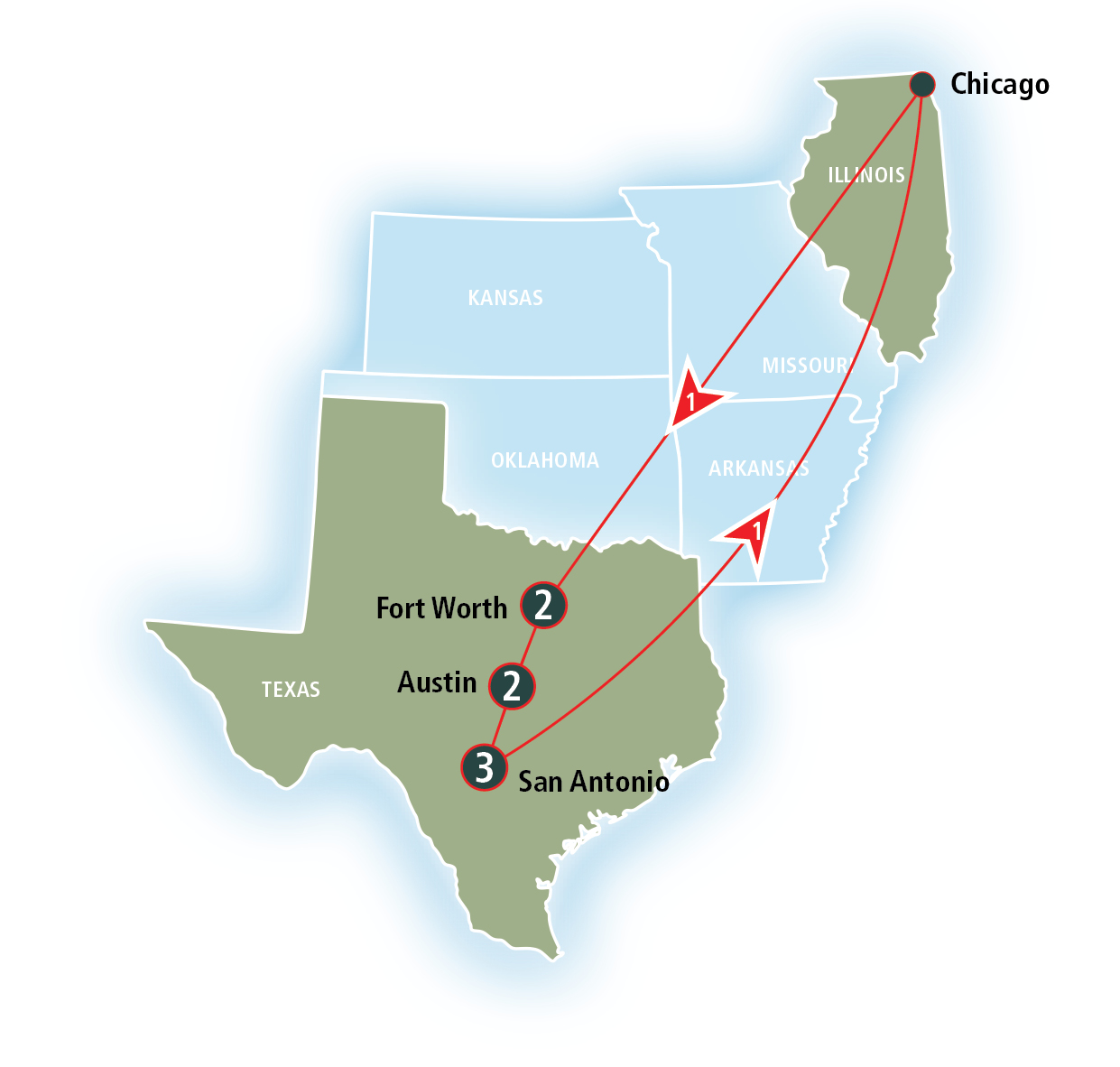
The question of “how far” between Chicago and Texas is not a simple one, given Texas’s immense size. It’s a journey that covers hundreds of miles, crossing multiple state lines and offering a changing tapestry of American scenery. The exact distance depends significantly on the specific starting point in Chicago and the chosen destination within Texas, which can stretch from its eastern Piney Woods to its western deserts.
Straight-Line vs. Driving Distance
When considering the distance, it’s crucial to differentiate between the straight-line (as-the-crow-flies) distance and the actual driving distance. The straight-line distance, while useful for understanding the general proximity, rarely reflects the ground travel required.
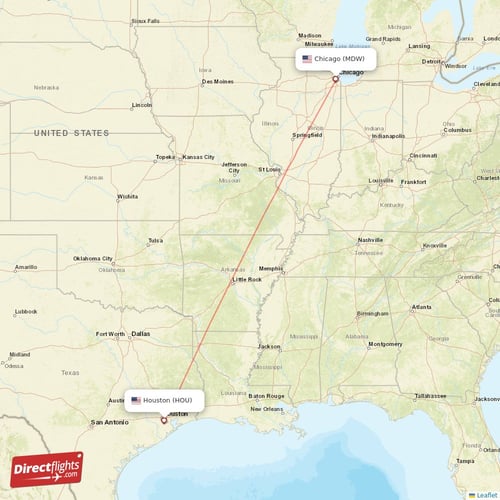
- Straight-Line Distance: From Chicago to a central point in Texas (like Dallas), the aerial distance is approximately 800-900 miles (1,287-1,448 kilometers). This gives an initial sense of the scale of the journey by air.
- Driving Distance: The practical driving distance is considerably longer due to the winding nature of roads, geographical features, and the need to connect through specific cities and interstate highways. Depending on the exact route and destination, the driving distance typically ranges from 900 miles (1,450 km) to over 1,200 miles (1,930 km). This translates into a substantial commitment of time and resources for those opting for a road adventure.
Key Cities and Their Distances from Chicago
To provide a more precise understanding, let’s examine the driving distances and times from Chicago to some of Texas’s major urban centers:
- To Dallas, Texas:
- Distance: Approximately 930-950 miles (1,497-1,529 km).
- Driving Time: Roughly 14-16 hours without significant stops. This typically requires a two-day drive.
- Dallas is often the closest major Texas city to Chicago via direct interstate routes.
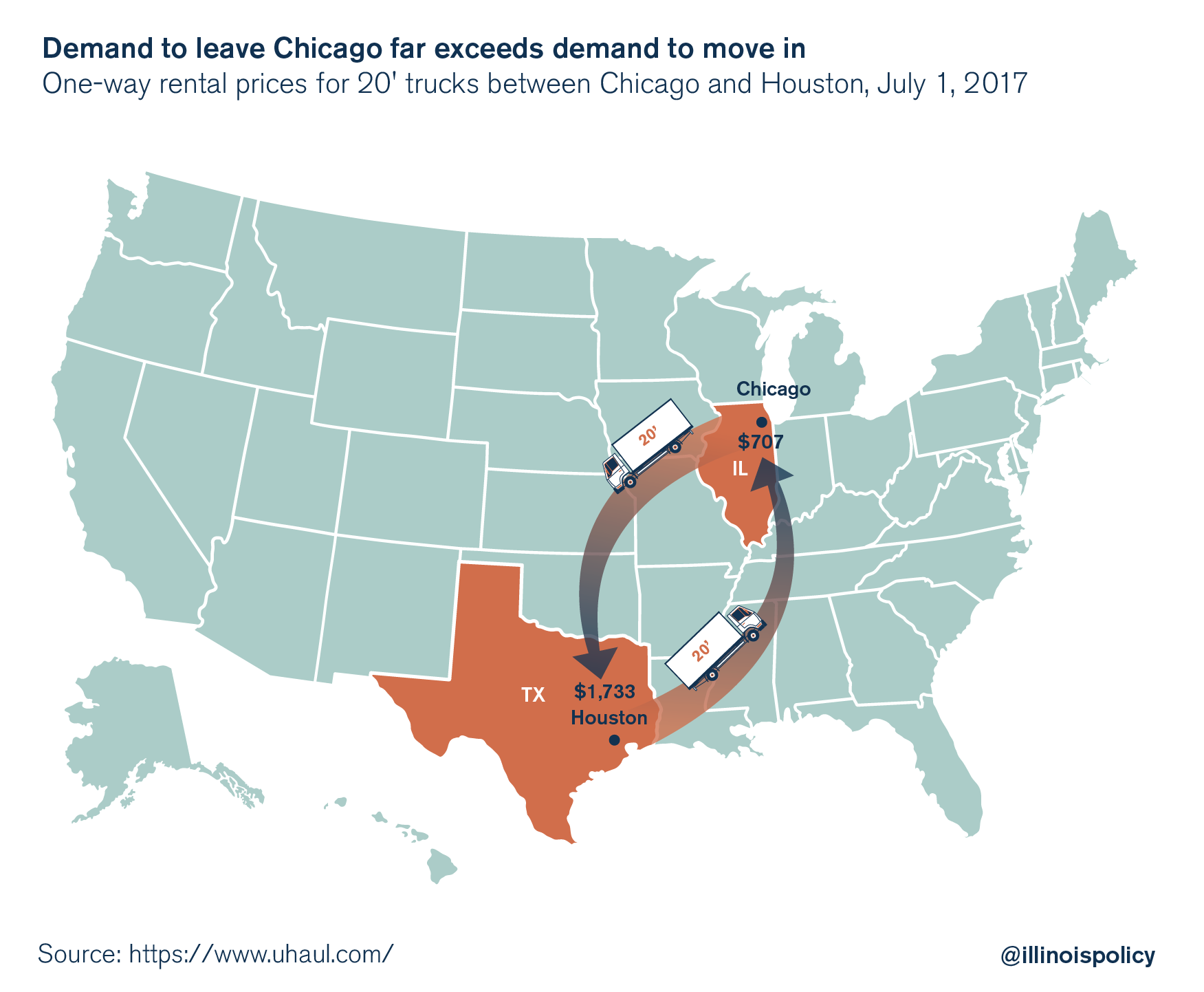
- To Houston, Texas:
- Distance: Approximately 1,070-1,100 miles (1,722-1,770 km).
- Driving Time: Roughly 16-18 hours without significant stops. Another two-day drive, pushing towards the upper end of that timeframe.
- Located further south and east than Dallas, Houston adds more miles to the journey.
- To Austin, Texas:
- Distance: Approximately 1,120-1,150 miles (1,802-1,850 km).
- Driving Time: Roughly 17-19 hours without significant stops, typically a comfortable two-day trip.
- Austin, the state capital, is positioned southwest of Dallas and Houston, requiring a slightly longer trek.
- To San Antonio, Texas:
- Distance: Approximately 1,180-1,200 miles (1,899-1,931 km).
- Driving Time: Roughly 18-20 hours without significant stops, making it a solid two-day journey.
- San Antonio is one of the furthest major Texas cities from Chicago, deep in the heart of Texas history and culture.
These figures underscore that traveling from Chicago to Texas is a considerable undertaking, requiring careful planning regardless of the chosen mode of transport.
Modes of Travel: Reaching Texas from Chicago
The choice of travel mode between Chicago and Texas largely depends on priorities: speed, cost, experience, and luggage requirements. Each option offers a distinct journey.
By Air: The Fastest Link
For those prioritizing speed and efficiency, flying is undoubtedly the best option. The major airports in Chicago – O’Hare International Airport (ORD) and Midway International Airport (MDW) – offer numerous direct flights to key Texas hubs.
- Major Airports in Texas:
- Dallas/Fort Worth International Airport (DFW)
- George Bush Intercontinental Airport (IAH) in Houston
- Austin-Bergstrom International Airport (AUS)
- San Antonio International Airport (SAT)
- Flight Time: Direct flights typically range from 2 hours to 2 hours and 45 minutes, depending on the specific Texas city. This is purely in-air time; factoring in airport procedures, security, and travel to/from airports, the total travel time can be 5-7 hours.
- Airlines & Cost: Major U.S. carriers like American, United, Southwest, and Spirit frequently operate these routes. Ticket prices vary widely based on booking in advance, time of year, and flexibility, but can range from under $100 for budget airlines during sales to several hundred dollars for last-minute or premium bookings.
- Convenience: Ideal for business travelers, weekend getaways, or those with limited time. It significantly reduces travel fatigue compared to ground options.
By Car: The American Road Trip
Driving from Chicago to Texas is a classic American road trip experience, offering freedom and the opportunity for exploration along the way.
- Driving Time: As noted earlier, expect a 14-20 hour pure driving time. This necessitates at least one overnight stop, making it a two-day trip. To make it enjoyable and allow for sightseeing, three days is often preferred.
- Typical Routes:
- To Dallas/Fort Worth: A common route involves heading south from Chicago on I-55 through St. Louis, Missouri, then connecting to I-44 southwest through Oklahoma City, Oklahoma, before taking I-35 south into Texas. Another option might involve I-57 to I-40 through Arkansas.
- To Houston: Often follows a similar path south on I-55 and I-44, then veering southeast on routes like US-69 or I-45 from Dallas.
- Cost Considerations: Primarily fuel, lodging for an overnight stay, and food. With current fuel prices, a round trip could easily cost several hundred dollars in gas alone, plus at least one night in a hotel.
- Appeal: Offers flexibility, allows for spontaneous stops at roadside attractions, and is ideal for families or those traveling with pets. It’s an immersive way to experience the transition from the urban Midwest to the rugged South.
By Train and Bus: Scenic and Budget-Friendly Options
While slower than flying and less flexible than driving, train and bus travel offer unique advantages for certain travelers.
- By Train ( Amtrak ):
- Amtrak’s Texas Eagle line provides service from Chicago through St. Louis, Little Rock, Dallas, Fort Worth, Austin, and San Antonio.
- Duration: Expect travel times of approximately 23-30+ hours to reach major Texas cities, making it an overnight journey.
- Experience: Offers a comfortable and scenic alternative, allowing passengers to relax, work, or enjoy the passing landscapes without the stress of driving. Options for coach seats, roomettes, and bedrooms are available.
- By Bus ( Greyhound and others ):
- Duration: Bus journeys are the longest, typically taking 24-36+ hours to reach Texas, often involving transfers.
- Cost: Generally the most economical option, making it popular for budget travelers.
- Convenience: While long, it removes the need for driving and offers a straightforward point-to-point service.
The Journey Itself: What to Expect on a Road Trip
For those embarking on a road trip from Chicago to Texas, the journey is as much a part of the adventure as the destination. It’s an opportunity to witness the changing geography and culture of the American heartland.
States Along the Way
Depending on your specific route, you’ll likely traverse several states after leaving Illinois:
- Missouri: Known for St. Louis with its iconic Gateway Arch and Kansas City‘s barbecue scene. The landscapes transition from flat plains to rolling hills.
- Arkansas: Often called the “Natural State,” offering scenic beauty, especially around the Ozark Mountains. Little Rock, the capital, provides historical insights.
- Oklahoma: The “Sooner State” presents vast plains and a rich Native American heritage. Oklahoma City is a vibrant urban center with a cowboy culture influence.
Each state offers unique roadside attractions, local diners, and cultural nuances worth exploring if time permits.
Planning Your Stops
A trip of 900-1200+ miles requires meticulous planning for stops:
- Overnight Stay: A halfway point is crucial. Common cities for an overnight stop might include St. Louis or somewhere along I-44 in Missouri or Oklahoma. Book accommodations in advance, especially during peak travel seasons.
- Fuel and Food: Plan fuel stops strategically, as stretches of highway can be rural. Utilize apps like GasBuddy to find the best fuel prices. Roadside diners and fast-food chains are abundant, but look for local eateries for a more authentic experience.
- Rest Areas: Take advantage of state-operated rest areas for stretching, using restrooms, and taking short breaks to combat driver fatigue.
- Emergency Preparedness: Ensure your vehicle is in good condition, and carry an emergency kit, including water, snacks, first aid, and basic tools.
Weather Considerations
The vast distance means encountering varying weather conditions:
- Winter: Travel during winter can be challenging, especially through Illinois and Missouri, where snow and ice are common. Texas can also experience ice storms or sudden cold snaps, particularly in the northern parts.
- Spring/Fall: Generally the most pleasant times for a road trip, with mild temperatures and vibrant scenery. However, spring in the Midwest and South is also tornado season, requiring vigilance.
- Summer: Expect significant heat and humidity, particularly as you approach and enter Texas. Air conditioning is a must, and staying hydrated is critical.
Checking weather forecasts regularly and being flexible with travel plans is essential for a safe and comfortable journey.
Why Make the Trip? Diverse Destinations
The substantial distance between Chicago and Texas is often justified by the incredible diversity of experiences awaiting travelers at either end. It’s a journey from one iconic American destination to another.
Chicago’s Allure
Starting or ending in Chicago means immersing oneself in a city celebrated for its stunning architecture, world-class museums, vibrant arts scene, and innovative culinary landscape. From the towering skyscrapers of the Loop and the cultural treasures of the Art Institute of Chicago to the deep-dish pizza and lively neighborhoods, Chicago offers an unparalleled urban experience. It serves as a formidable gateway, anchoring one end of this epic journey.
Texas’s Vast Offerings
Upon arrival in Texas, travelers are greeted by a state that defies singular definition, offering everything from bustling metropolises to serene natural parks and historical landmarks.
- Dallas & Fort Worth: The Metroplex offers a blend of sophisticated urban life and authentic cowboy culture. Dallas is a hub for business, fashion, and arts, while Fort Worth retains its Western heritage with attractions like the Stockyards National Historic District.
- Houston: Home to the NASA Johnson Space Center, a thriving culinary scene, and diverse cultural institutions, Houston is a dynamic city of innovation and global influence.
- Austin: The “Live Music Capital of the World” is known for its eclectic arts scene, outdoor activities, delicious food trucks, and a unique, laid-back vibe. It’s a magnet for creative spirits and nature lovers.
- San Antonio: Rich in history, San Antonio boasts the iconic Alamo, the picturesque Riverwalk, and several historic Spanish missions, offering a deep dive into Texas’s past.
- Big Bend National Park: For nature enthusiasts, the remote wilderness of Big Bend National Park in West Texas offers stunning desert landscapes, mountains, and the Rio Grande, perfect for hiking, stargazing, and river adventures.
Whether you seek urban excitement, historical immersion, or natural beauty, Texas delivers a vast array of experiences that make the journey from Chicago well worth the effort.
In conclusion, the distance between Chicago and Texas is significant, varying from approximately 900 to 1,200 driving miles depending on the specific destination within the sprawling Lone Star State. While air travel offers speed, a road trip or train journey provides a richer, more immersive experience of America’s diverse landscapes and cultures. Regardless of the chosen mode, the travel between these two vibrant regions of the United States promises a memorable adventure, connecting the urban grandeur of Chicago with the distinct charm and vast offerings of Texas.
LifeOutOfTheBox is a participant in the Amazon Services LLC Associates Program, an affiliate advertising program designed to provide a means for sites to earn advertising fees by advertising and linking to Amazon.com. Amazon, the Amazon logo, AmazonSupply, and the AmazonSupply logo are trademarks of Amazon.com, Inc. or its affiliates. As an Amazon Associate we earn affiliate commissions from qualifying purchases.