
Navigating the vastness of the United States can be an exhilarating endeavor, and understanding the distances between key destinations is fundamental to planning any memorable journey. The question, “How far is Chicago, Illinois from here?” immediately conjures images of road trips, cross-country flights, and the anticipation of exploring the vibrant heart of the Midwest. This exploration delves into the various ways one can traverse the miles, focusing on the logistical and experiential aspects of reaching Chicago from different points of origin, highlighting its appeal as a premier travel destination.
The Great American Road Trip: Driving to Chicago
For many, the allure of a road trip is undeniable. The freedom to set your own pace, discover hidden gems along the way, and experience the changing landscapes of America firsthand makes driving a popular choice for reaching Chicago. The distance to Chicago is highly dependent on your starting point, and the journey itself becomes an integral part of the travel experience.

Mapping Your Overland Adventure
The sheer size of the United States means that driving distances can vary dramatically. For those on the East Coast, say from New York City, the drive is a substantial undertaking, typically spanning over 12 hours of continuous driving, covering approximately 800 miles. This distance necessitates at least a two-day journey, allowing for overnight stays and stops to break up the monotony and enjoy roadside attractions. Popular routes often involve major interstates like I-80 West, passing through states such as Pennsylvania, Ohio, and Indiana.
From the West Coast, the distances are considerably greater. A drive from Los Angeles, California to Chicago is a true cross-country odyssey, stretching over 2,000 miles and requiring a minimum of 30-35 hours of driving time. This implies a journey of at least four to five days, offering an unparalleled opportunity to witness the diverse topography of the nation, from the deserts of the Southwest to the vast plains of the Midwest. Travelers might choose to route through states like Nevada, Utah, Colorado, and Nebraska on routes such as I-70 East and then I-80 East.
For those residing in the South, the drive from a city like Atlanta, Georgia is more manageable, covering around 700 miles and taking approximately 10-11 hours of driving. This can often be accomplished in a single, albeit long, day, or more comfortably spread over two days with a stop in a city like Nashville, Tennessee or Indianapolis, Indiana. Major interstates such as I-75 North and I-71 North are typically part of this route.
Planning Your Road Trip Itinerary
Beyond the mileage, a successful road trip to Chicago involves strategic planning. Consider the time of year, as winter conditions in the Midwest can significantly impact driving times and road safety, with heavy snow and ice being common from November through March. Spring and fall often offer more pleasant driving conditions and opportunities to enjoy the scenery.
Essential elements of road trip planning include:
- Vehicle Maintenance: Ensuring your car is in optimal condition for long distances is paramount. Check tires, brakes, fluids, and battery before departure.
- Route Optimization: Utilize GPS and mapping applications to find the most efficient and scenic routes, while also identifying potential road closures or construction.
- Accommodation: Book hotels or motels in advance, especially during peak travel seasons, to secure favorable rates and locations.
- Budgeting: Factor in fuel costs, food, lodging, and potential expenses for attractions or tolls.
- Entertainment: Prepare playlists, podcasts, or audiobooks to make the driving hours more enjoyable.
The journey to Chicago by road offers a quintessential American travel experience, allowing for spontaneous detours and a deep appreciation for the country’s diverse landscapes.
Soaring Above the Clouds: Flying to Chicago
For travelers prioritizing speed and efficiency, flying is often the preferred method of reaching Chicago, Illinois. The distance from your “here” to Chicago translates into flight times that are significantly shorter than driving, making it an ideal option for both domestic and international visitors.
Major Air Hubs and Flight Durations
Chicago is served by two major airports: O’Hare International Airport (ORD) and Midway International Airport. Both are bustling hubs with extensive domestic and international flight connections.
- From the East Coast: A direct flight from New York City to Chicago typically takes around 2 to 2.5 hours. Flights from cities like Boston or Washington D.C. are similarly short, usually within the 2.5 to 3-hour range.
- From the West Coast: Flights from Los Angeles or San Francisco to Chicago are considerably longer, generally ranging from 4 to 5 hours for direct flights. These routes cover a significant portion of the continent.
- From the South: Flying from Atlanta to Chicago is a relatively short domestic hop, usually lasting about 1.5 to 2 hours. Similar flight times can be expected from other major southern cities like Dallas or Houston.
- International Travel: For international visitors, flight times to Chicago will vary based on the departure city. For example, a flight from London, United Kingdom might take around 8 to 9 hours, while from Paris, France, it could be approximately 7.5 to 8.5 hours.
Maximizing Your Air Travel Experience
When planning a flight to Chicago, consider these tips for a smoother journey:
- Booking in Advance: Securing flights several months ahead of your travel date can often result in significant cost savings.
- Comparing Airlines: Utilize flight comparison websites to find the best deals across various carriers.
- Airport Choice: While O’Hare is a major international gateway, Midway is a primary hub for Southwest Airlines and can sometimes offer more convenient or budget-friendly options for domestic travelers.
- Airport Transportation: Upon arrival in Chicago, readily available options like the ‘L’ train (specifically the Blue Line from O’Hare and the Orange Line from Midway), taxis, rideshares, and shuttles can transport you to your accommodation.
- Travel Time: Remember to factor in time for getting to the airport, check-in, security screening, and boarding, in addition to the actual flight duration.
Flying to Chicago is an efficient way to bridge distances, allowing travelers to spend more time exploring the city’s renowned attractions, from its architectural marvels to its world-class museums and culinary delights.
The Rails That Connect: Train Travel to Chicago
For those who appreciate a more relaxed and scenic mode of transportation, the train offers a charming and often nostalgic way to reach Chicago, Illinois. As a major railroad hub, Chicago is well-connected to numerous cities across the United States via Amtrak.
Key Amtrak Routes and Travel Times
Amtrak services converge at Union Station, a magnificent Beaux-Arts building that serves as a grand gateway to the city. The distance and time by train are dependent on the starting location, but generally, train journeys offer a more immersive travel experience compared to flying.
- From the East Coast: A journey from New York City to Chicago on the Capitol Limited or Lake Shore Limited routes typically takes around 19 to 22 hours. This overnight journey provides an opportunity to relax, enjoy the passing scenery, and arrive refreshed.
- From the South: Traveling from New Orleans, Louisiana to Chicago on the City of New Orleans route is a celebrated journey of about 19 hours, known for its blues-inspired ambiance and scenic route through Mississippi.
- From the West: While direct routes from the West Coast are extensive and take considerably longer than flying, they offer a unique perspective on the American landscape. A journey from Denver, Colorado to Chicago on the California Zephyr route (which requires a transfer) can take over 19 hours, passing through the stunning Rocky Mountains. For a more direct, albeit longer, route, one might consider segments connecting from the Pacific Northwest.
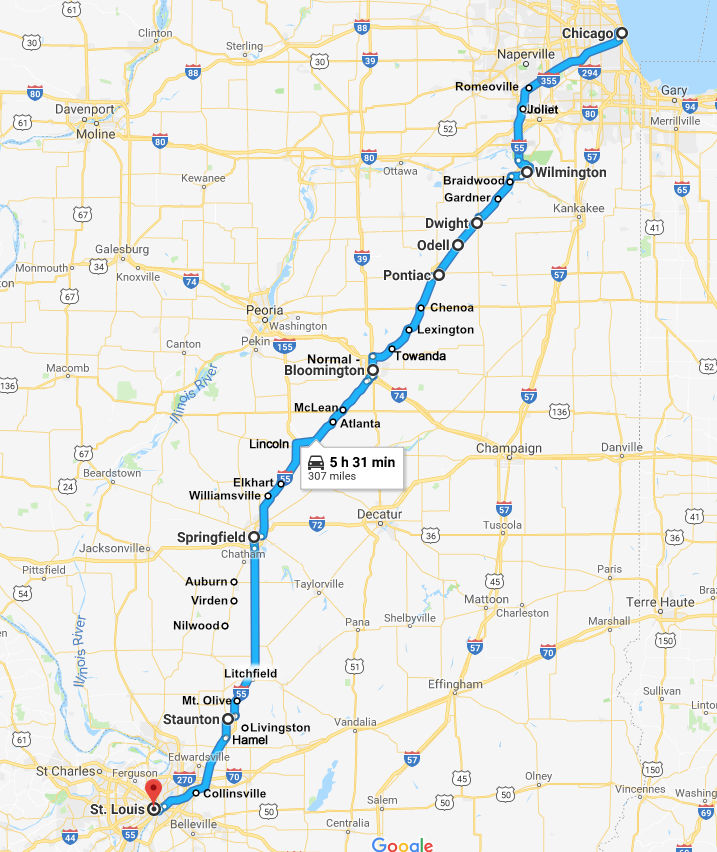
- From the Midwest: For travelers within the Midwest, train travel to Chicago is exceptionally convenient. For example, a trip from St. Louis, Missouri on the Lincoln Service takes a little over 5 hours, making it a perfect day trip or short getaway. Similarly, from Detroit, Michigan, the Wolverine Service takes approximately 6 hours.
The Advantages of Rail Travel
Choosing the train to Chicago offers several distinct advantages. Passengers can move around freely, enjoy spacious seating, dine in a dining car, and often experience breathtaking views that are inaccessible by road. Sleeper cars provide private accommodations for overnight journeys, complete with beds and access to private restrooms.
Furthermore, train travel is often considered more environmentally friendly than flying or driving alone. Arriving directly at Union Station, which is centrally located in downtown Chicago, means you are immediately immersed in the city’s vibrant atmosphere, with easy access to public transportation, hotels, and attractions.
For travelers who seek a journey that is as much a part of the vacation as the destination itself, the train to Chicago offers an unparalleled blend of comfort, scenery, and historical charm.
Understanding Your Travel Options to Chicago
The question “How far is Chicago, Illinois from here?” is not merely about mileage; it’s about understanding the variety of ways to bridge that distance and the unique experiences each mode of travel offers. Whether you envision a classic American road trip, a swift flight above the clouds, or a leisurely journey by rail, Chicago awaits with its iconic skyline, cultural richness, and endless array of attractions.
Factors Influencing Your Choice
Your decision on how to reach Chicago will likely depend on several key factors:
- Time Constraints: If time is of the essence, flying is the most efficient option. For those with more flexibility, driving or taking the train allows for a more leisurely pace.
- Budget: The cost of travel can vary significantly. Generally, booking flights and train tickets in advance can lead to savings. Road trips require careful budgeting for fuel, accommodation, and food.
- Travel Companions: Traveling with family might favor the space and flexibility of a road trip. Solo travelers or couples might opt for the efficiency of flying or the romanticism of train travel.
- Desired Experience: Do you crave the open road, the panoramic views from above, or the gentle sway of a train? Each option provides a distinct journey.
- Luggage: If you are carrying a significant amount of luggage, driving or taking the train might be more convenient than dealing with airline baggage restrictions.
Making the Most of Your Chicago Visit
Regardless of how you arrive, Chicago offers an incredible urban experience. From the architectural boat tours on the Chicago River to the world-class art at the Art Institute of Chicago, the city is a treasure trove of activities and sights. Enjoy the vibrant culinary scene, catch a Cubs or White Sox baseball game, or simply stroll through Millennium Park to see the iconic Cloud Gate sculpture.
By understanding the distances and the diverse travel options available, planning your trip to Chicago becomes an exciting prelude to an unforgettable adventure in this magnificent American metropolis.
LifeOutOfTheBox is a participant in the Amazon Services LLC Associates Program, an affiliate advertising program designed to provide a means for sites to earn advertising fees by advertising and linking to Amazon.com. Amazon, the Amazon logo, AmazonSupply, and the AmazonSupply logo are trademarks of Amazon.com, Inc. or its affiliates. As an Amazon Associate we earn affiliate commissions from qualifying purchases.