
The journey between two of the Midwest’s most dynamic cities, Chicago, Illinois, and Milwaukee, Wisconsin, is a well-trodden path for both leisure and business travelers. While seemingly distinct in their urban character – Chicago a sprawling metropolis, Milwaukee a charming lakeside city known for its brewing heritage – their proximity makes a trip between them not just feasible, but highly recommended for anyone exploring the Great Lakes region. Understanding the exact distance and the various travel options available is the first step in planning an unforgettable adventure, whether you’re seeking a quick day trip, a weekend getaway, or an extended tour combining the best of both urban experiences.

This article delves into the specifics of the Chicago to Milwaukee route, exploring everything from practical transportation choices and essential planning tips to the wealth of attractions, accommodation options, and unique lifestyle experiences awaiting travelers in each city. From the architectural marvels of Chicago to the rich cultural tapestry of Milwaukee, prepare to unlock the full potential of this accessible and rewarding inter-city travel experience.
The Proximity and Practicalities: Understanding the Distance
One of the defining features of the relationship between Chicago and Milwaukee is their relative closeness. This geographical advantage significantly influences the ease and popularity of travel between the two, making it a common route for commuters, tourists, and those looking to explore more of the American Midwest.
The Straight Facts: Miles and Minutes
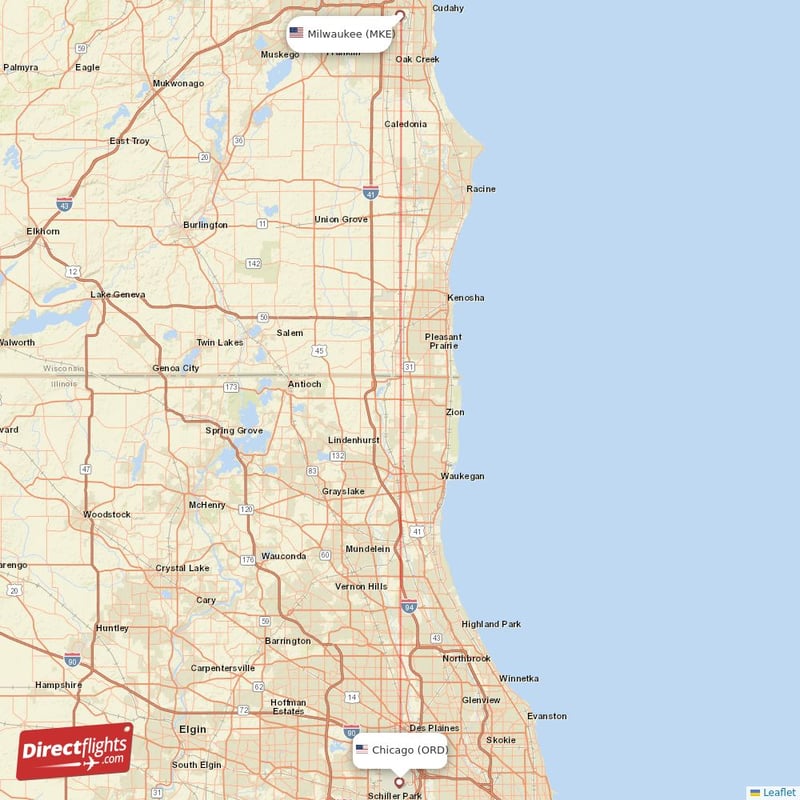
The direct distance between downtown Chicago and downtown Milwaukee is approximately 90 to 95 miles (about 145 to 153 kilometers). This isn’t a vast expanse by any measure, especially when considering inter-city travel in the United States. What does this mean for travel time?
- By Car: Under ideal conditions (no traffic, clear weather), a drive between the two cities typically takes about 1 hour and 30 minutes to 2 hours. However, travelers should always factor in potential delays due to traffic, especially when departing from or arriving in Chicago during peak hours or on weekends. The primary route is Interstate 94 (I-94), a well-maintained highway that offers a straightforward journey.
- By Train: Amtrak’s Hiawatha Service is a popular and efficient option, with a journey time of approximately 1 hour and 30 minutes. This makes it competitive with driving, especially when considering parking and potential traffic stress.
- By Bus: Bus services often take a bit longer than cars or trains, typically ranging from 1 hour and 45 minutes to 2 hours and 30 minutes, depending on the number of stops and traffic conditions.
Choosing Your Mode of Transport
The choice of transportation largely depends on individual preferences, budget, and the specific nature of the trip. Each mode offers distinct advantages for the Chicago-Milwaukee route.
-
Driving: The Most Popular Choice
For many, driving remains the preferred method due to its flexibility. Having your own vehicle or a rental car allows for spontaneous stops, exploring smaller towns along the route, and easy access to attractions that might be off the main public transport lines. Rental cars are readily available at O’Hare International Airport (ORD) in Chicago or General Mitchell International Airport (MKE) in Milwaukee, catering to various budgets and travel styles. However, be mindful of gas prices, potential tolls on I-94, and parking costs in both urban centers, which can add up, especially in Chicago. -
Train Travel: A Scenic and Relaxing Option
The Amtrak Hiawatha Service offers a comfortable and stress-free alternative. With multiple daily departures, travelers can enjoy reclining seats, Wi-Fi, and onboard refreshments without the hassle of driving or navigating traffic. The trains depart from Chicago’s Union Station and arrive at the Milwaukee Intermodal Station, both centrally located, providing excellent access to urban attractions. This option is particularly appealing for those prioritizing relaxation and avoiding urban driving. -
Bus Services: Economical and Convenient
Companies like Greyhound and Megabus offer frequent and often very affordable bus services between Chicago and Milwaukee. While typically the longest travel option, the low cost makes it an attractive choice for budget-conscious travelers or students. Buses generally pick up and drop off at major transportation hubs, providing good connectivity to local public transport networks in both cities. -
Flying: Rarely Necessary for This Route
Given the short distance, flying between Chicago and Milwaukee is almost never practical. The time spent traveling to and from airports, going through security, and waiting for flights would far exceed the actual flight time, making it significantly less efficient than driving, training, or bussing.
Planning Your Journey: From Urban Sprawl to Lakeside Charm
A successful trip between Chicago and Milwaukee hinges on thoughtful planning, encompassing everything from the best time to visit to where you’ll lay your head at night. Considering the distinct vibes of each city, tailoring your itinerary to personal preferences and travel style is key to a rewarding experience.
Essential Considerations for a Seamless Trip
- Best Time to Travel: The shoulder seasons (spring and fall) often offer the most pleasant weather for exploring both cities, with fewer crowds than the peak summer months. Summers in both Chicago and Milwaukee can be hot and humid, but they also bring vibrant outdoor festivals, including Summerfest in Milwaukee, the “World’s Largest Music Festival.” Winters are cold and snowy, but offer a different kind of charm with holiday markets and indoor attractions, often with lower hotel rates.
- Accommodation Options in Both Cities: Both Chicago and Milwaukee boast a wide range of accommodation options to suit every budget and lifestyle.
- In Chicago, you can find luxury hotels like The Peninsula Chicago or the Four Seasons Hotel Chicago offering unparalleled service and amenities. Boutique hotels like Hotel Zachary or Thompson Chicago provide unique, stylish stays. Budget travelers can opt for hostels or more affordable chain hotels further from the city center, or places like Freehand Chicago.
- Milwaukee offers historic elegance at The Pfister Hotel, artistic flair at Saint Kate – The Arts Hotel, or industrial chic at the Iron Horse Hotel. There are also numerous mid-range and budget-friendly hotels, as well as charming bed and breakfasts, providing a more intimate experience. Booking in advance, especially during peak season or major events, is always advisable to secure the best rates and availability.
- Car Rentals vs. Public Transport: For navigating within Chicago, relying on its extensive public transportation system (CTA ‘L’ trains and buses) is often more efficient and less stressful than driving. Parking is expensive and can be hard to find. In Milwaukee, public transport is less comprehensive but still useful, and the downtown area is quite walkable. If you plan to explore beyond the city centers, particularly in Milwaukee’s surrounding areas or wish to visit attractions like the Harley-Davidson Museum which is slightly outside the immediate downtown, a car might be beneficial.
What to See and Do Along the Way
While the journey itself is relatively short, the route between Chicago and Milwaukee does offer a few points of interest, though most travelers opt for a direct route. The primary scenery is the flat agricultural land of northern Illinois and southeastern Wisconsin, dotted with small towns. For those seeking a slight detour or a longer road trip, destinations like the Six Flags Great America theme park in Gurnee, Illinois, or the outlet shopping opportunities in Kenosha, Wisconsin, could be considered. However, the true gems of this itinerary lie at the endpoints: Chicago and Milwaukee themselves.
Unveiling Chicago: The Windy City’s Grandeur
Chicago is a city of superlatives: a global financial hub, a mecca for architecture enthusiasts, a culinary powerhouse, and a vibrant cultural center. Its towering skyscrapers, expansive parks, and deep-dish pizza make it an unforgettable destination for any traveler.
Must-Visit Chicago Landmarks and Attractions
The sheer volume of things to see and do in Chicago can be overwhelming, but certain landmarks are quintessential experiences:
- Millennium Park: Home to iconic public art installations, including “The Bean” (Cloud Gate), a reflective sculpture that captures the city’s skyline, and the stunning outdoor concert venue, the Jay Pritzker Pavilion.
- Art Institute of Chicago: One of the oldest and largest art museums in the United States, boasting a world-class collection spanning centuries and continents.
- Navy Pier: A bustling waterfront destination offering entertainment, dining, and unparalleled views of Lake Michigan and the city skyline. It’s perfect for families and features rides, gardens, and boat tours.
- Magnificent Mile: A stretch of Michigan Avenue renowned for its upscale shops, luxury hotels, and impressive architecture. It’s a shopper’s paradise and a scenic walk.
- Skydeck Chicago at Willis Tower: For breathtaking panoramic views, step out onto The Ledge, a glass-bottomed balcony extending from the 103rd floor of what was once the world’s tallest building.
- Architecture Boat Tour: A highly recommended experience, offering a unique perspective on Chicago’s legendary skyline and architectural heritage from the Chicago River.
Where to Stay and Dine in Chicago
Chicago’s accommodation scene is as diverse as its population. From opulent five-star resorts to chic boutique stays and budget-friendly apartments, there’s a perfect fit for every traveler.
- Luxury Hotels: Indulge in sophistication at establishments like The Peninsula Chicago, known for its elegant suites, world-class spa, and exceptional service, or the Four Seasons Hotel Chicago, offering stunning Lake Michigan views and family-friendly amenities.
- Boutique Hotels: For a more personalized experience, consider Hotel Zachary near Wrigleyville, or the stylish Thompson Chicago in the vibrant Gold Coast neighborhood.
- Budget-Friendly Options: Travelers on a tighter budget can find comfortable stays at the Freehand Chicago, which offers both private rooms and hostel-style dorms, or explore various long-term stay apartments available through online booking platforms.
The culinary landscape of Chicago is legendary. No visit is complete without trying its famous deep-dish pizza from institutions like Lou Malnati’s or Giordano’s. Beyond that, the city boasts an incredible array of Michelin-starred restaurants, diverse ethnic eateries, and a thriving street food scene, catering to every palate and preference.
Discovering Milwaukee: A Gem on Lake Michigan
Just a short distance north, Milwaukee presents a compelling contrast to Chicago’s grandeur. Known as “Brew City,” it combines a rich industrial heritage with a blossoming arts scene, culinary innovation, and genuine Midwestern charm, all set against the beautiful backdrop of Lake Michigan.
Top Attractions and Experiences in Milwaukee
Milwaukee offers a more laid-back yet equally engaging experience, with a focus on its unique cultural identity and scenic waterfront.
- Milwaukee Art Museum: An architectural marvel in itself, particularly its iconic Calatrava Addition with its “wings” that open and close. The museum houses an impressive collection of European, American, and contemporary art.
- Harley-Davidson Museum: A must-visit for motorcycle enthusiasts and history buffs alike, tracing the legendary brand’s evolution through interactive exhibits and a vast collection of motorcycles.
- Historic Third Ward: Once an industrial hub, this revitalized district is now a vibrant arts and fashion destination, brimming with galleries, boutiques, and trendy restaurants. It’s perfect for a leisurely stroll.
- Brewery Tours: Embrace Milwaukee’s brewing legacy with tours at major breweries like Miller Brewery Tour or explore numerous craft breweries that have popped up across the city.
- Milwaukee Public Market: Located in the Historic Third Ward, this indoor market features a diverse array of local vendors selling gourmet foods, fresh produce, and unique gifts – a true foodie paradise.
- Summerfest: (Seasonal) If visiting in late June or early July, don’t miss Summerfest, the “World’s Largest Music Festival,” featuring hundreds of acts across multiple stages on the city’s lakefront.
Milwaukee Accommodation and Culinary Delights
Milwaukee’s hospitality scene blends historic charm with modern amenities, offering a comfortable base for exploration.
- Upscale Hotels: Experience timeless luxury at The Pfister Hotel, a historic landmark known for its Victorian grandeur, impressive art collection, and stunning downtown views. For a more contemporary and arts-focused experience, Saint Kate – The Arts Hotel offers immersive artistic installations and vibrant cultural programming.
- Mid-Range/Boutique: The Iron Horse Hotel, designed with motorcycle enthusiasts in mind, offers a chic, industrial-loft aesthetic and is popular for its vibrant social scene. Many other comfortable and well-appointed hotels cater to mid-range budgets.
- Food Scene: Milwaukee’s culinary scene goes far beyond its famous brats and cheese curds, though these are certainly local staples worth trying. The city boasts an impressive array of farm-to-table restaurants, diverse ethnic cuisine, and a robust craft beer culture. From upscale dining in the Historic Third Ward to cozy cafes and lively brewpubs, there’s a taste for every palate.
Crafting Your Ideal Itinerary: Chicago to Milwaukee and Back
The journey between Chicago and Milwaukee is incredibly versatile, allowing travelers to tailor their experience to fit their schedule, budget, and interests. Whether you’re seeking a whirlwind tour or a leisurely exploration, these two cities offer a wealth of possibilities.
Day Trips vs. Extended Stays
- Day Trip: For those with limited time, a day trip to Milwaukee from Chicago (or vice versa) is entirely feasible, especially by train. You could depart early, focus on 2-3 key attractions (e.g., Milwaukee Art Museum and Historic Third Ward in Milwaukee, or Millennium Park and an Architecture Boat Tour in Chicago), enjoy a local meal, and return in the evening. This lifestyle approach is perfect for ticking off major landmarks.
- Extended Stay: To truly immerse yourself in both cities, consider dedicating 2-3 days to each. This allows for a deeper dive into their respective cultures, cuisines, and attractions without feeling rushed. You can explore neighborhoods, visit multiple museums, enjoy evening entertainment, and truly relax. For luxury travelers, this means indulging in high-end suites and fine dining, while budget travelers can find affordable apartments or hostels for longer durations.
Combining Business and Leisure
Many business travelers find themselves in one of these cities and often have a day or two to spare. The ease of travel between Chicago and Milwaukee makes it simple to combine a business trip with a rewarding leisure experience. Whether it’s adding a relaxed weekend in Milwaukee after a conference in Chicago, or enjoying a dose of urban sophistication in Chicago after meetings in Milwaukee, the options are plentiful. The availability of diverse hotel amenities, from business centers to luxury resorts, caters to both corporate and personal needs.

Tips for Budget-Conscious and Luxury Travelers
Regardless of your travel budget, a trip between Chicago and Milwaukee can be tailored to your lifestyle:
- Budget Travel: Opt for bus travel over train or car rental. Look for hostels or budget hotels (e.g., Freehand Chicago, or chains like Comfort Inn). Take advantage of free attractions like Millennium Park, walking tours, and free museum days. Enjoy local eateries, street food, and pack picnics. Public transportation in both cities is generally affordable.
- Luxury Travel: Choose first-class train tickets or a premium rental car. Stay in renowned five-star hotels (The Peninsula Chicago, The Pfister Hotel). Indulge in fine dining experiences and exclusive tours. Consider private transfers or chauffeured services for ultimate convenience. Both cities offer exceptional luxury experiences, from high-end shopping on Chicago’s Magnificent Mile to bespoke art experiences in Milwaukee.
The journey from Chicago to Milwaukee is not merely about covering distance; it’s an opportunity to bridge two distinct urban narratives, each offering its own charm, attractions, and lifestyle.
In conclusion, the distance from Chicago to Milwaukee is approximately 90-95 miles, easily traversed in 1.5 to 2.5 hours by car, train, or bus. This accessible route unlocks a wealth of travel possibilities, connecting the bustling, architecturally rich landscape of Chicago with the charming, brewery-laden shores of Milwaukee. Whether you’re planning a quick visit to iconic landmarks, seeking luxurious accommodation, exploring local culture and cuisine, or combining business with leisure, the journey between these two Midwestern jewels is a gateway to diverse experiences that cater to every traveler’s desire. With careful planning and an open mind, your trip between the Windy City and Brew City promises to be as enriching as it is convenient.
LifeOutOfTheBox is a participant in the Amazon Services LLC Associates Program, an affiliate advertising program designed to provide a means for sites to earn advertising fees by advertising and linking to Amazon.com. Amazon, the Amazon logo, AmazonSupply, and the AmazonSupply logo are trademarks of Amazon.com, Inc. or its affiliates. As an Amazon Associate we earn affiliate commissions from qualifying purchases.