
The Journey Unveiled: Distance and Driving Routes
Embarking on a journey from the bustling heart of Orlando, Florida, to the tranquil, spring-fed waters of Crystal River offers a distinct contrast in the Sunshine State experience. While Orlando captivates with its world-renowned theme parks and vibrant entertainment, Crystal River beckons with its pristine natural beauty and unparalleled wildlife encounters. Understanding the distance and optimal routes between these two significant Florida destinations is fundamental for any traveler planning this transition.
Understanding the Proximity
The geographical distance between Orlando and Crystal River typically spans approximately 75 to 85 miles (120 to 137 kilometers), depending on your precise starting point in Orlando and your final destination within Crystal River. This moderate distance makes Crystal River an accessible day trip or an ideal extension for visitors based in Orlando seeking a different facet of Florida’s charm.

The average driving time for this route, under normal traffic conditions and without significant stops, ranges from about 1 hour and 30 minutes to 1 hour and 50 minutes. It’s a journey that allows for a smooth transition from urban vibrancy to natural serenity, providing travelers ample time to enjoy both destinations without feeling rushed by a lengthy commute. This relatively short travel duration is one of the reasons Crystal River has grown in popularity as a nature-focused escape for Orlando visitors.
Primary Driving Routes from Orlando
Several routes can connect Orlando to Crystal River, each offering a slightly different experience in terms of scenery, speed, and potential tolls. The choice often comes down to personal preference for efficiency versus a more relaxed, perhaps scenic, drive.
The most common and generally fastest route involves utilizing Florida’s well-maintained highway system. Travelers typically begin by heading west from Orlando on I-4 before merging onto Florida’s Turnpike North. Florida’s Turnpike is a toll road, known for its smooth pavement and higher speed limits, which contribute to a quicker journey. After a stretch on the Turnpike, drivers will typically connect to I-75 North, a major interstate running vertically through Florida.
Once on I-75 North, the drive becomes largely straightforward until reaching the vicinity of Ocala or further south, depending on the specific exit chosen. The most common exit for Crystal River travelers is usually around State Road 44 (FL-44) West, near Wildwood. From there, FL-44 West provides a direct path through smaller towns and rural landscapes, eventually leading directly into the heart of Crystal River. This final leg of the journey transitions from multi-lane highways to two-lane roads, offering glimpses of central Florida’s equestrian and agricultural heritage.
An alternative route, often chosen by those looking to avoid tolls or experience a different landscape, might involve taking US-27 North out of Orlando. While potentially adding a small amount of time to the overall trip, this route meanders through a series of charming small towns and past numerous lakes, providing a more classic Florida scenic drive. Eventually, this path would also connect to state roads leading west towards Crystal River, such as FL-44 or FL-48, offering a more leisurely pace and a chance to observe local life outside the bustling corridors of the interstates. Both routes are well-paved and generally safe, but travelers should always consult real-time navigation for the most up-to-date traffic conditions.
Beyond the Wheel: Alternative Transportation Options
While driving a personal or rental car is undeniably the most popular and convenient method for traveling from Orlando to Crystal River, it’s worth exploring other transportation avenues, especially for those who prefer not to drive or are seeking different travel dynamics. However, the unique geographical positioning of Crystal River and the nature of intercity transport in Florida mean that alternatives are often less direct.
Public Transport Limitations
Direct public transportation services, such as intercity trains or dedicated bus routes, are not readily available or convenient for the Orlando to Crystal River corridor. Unlike major metropolitan routes, this particular journey crosses regions that are primarily served by private vehicles. There are no direct Amtrak routes or Greyhound buses that connect these two points without significant, time-consuming transfers in other cities, often requiring additional ground transportation to complete the final leg of the journey. This lack of direct public transit means that relying solely on buses or trains would entail multiple stops, long layovers, and potentially a taxi or ride-share for the last portion, making the travel time considerably longer and often more complicated than driving. For most travelers, this option is generally not practical if efficiency and directness are priorities.
Ride-Sharing and Private Transfers
For those without access to a personal vehicle, ride-sharing services like Uber or Lyft are viable options, though they come with distinct cost implications. A ride from Orlando to Crystal River would be considered a long-distance trip for these services, and as such, the fare could be substantial, potentially ranging from $100 to $200 or more, depending on demand, time of day, and the specific service tier chosen. While convenient for door-to-door service, this cost can quickly add up, especially if round-trip transportation is needed.
Alternatively, private shuttle services or executive car services offer a more personalized and often more comfortable experience. These services typically provide pre-booked transportation in a higher-end vehicle, with professional drivers. While more expensive than ride-sharing apps, they offer reliability, direct routes, and the convenience of not having to navigate. Many companies specialize in airport transfers or intercity travel and can be booked in advance. This option is particularly appealing for travelers seeking a stress-free, luxurious journey, or for groups where the per-person cost becomes more manageable. Ultimately, while public transport is limited, private options exist for those willing to invest in convenience and comfort.
Planning Your Trip: Factors Influencing Travel Time
Successfully navigating the journey from Orlando to Crystal River involves more than just knowing the distance; it requires an understanding of various factors that can influence your travel time and overall experience. Careful planning can transform a simple drive into a smooth and enjoyable part of your Florida adventure.
Traffic Considerations
Traffic is often the most unpredictable variable in any road trip, and the route from Orlando to Crystal River is no exception. Orlando, being a major tourist hub and a rapidly growing metropolitan area, experiences significant traffic congestion, particularly during morning and evening rush hours (typically 7:00 AM to 9:00 AM and 4:00 PM to 6:00 PM on weekdays). Exiting the city during these peak times can add an extra 30 minutes to an hour to your travel time, especially on I-4 and the initial stretches of Florida’s Turnpike.
Even once past the immediate Orlando area, sections of I-75 can experience slowdowns, particularly on weekends or during holiday periods when many Floridians are traveling. Large commercial vehicles also heavily utilize I-75, which can contribute to congestion. It is always advisable to check real-time traffic applications (such as Google Maps or Waze) before and during your journey to anticipate and potentially reroute around any major delays. Departing early in the morning, before 7:00 AM, or later in the morning, after 9:30 AM, can significantly reduce your encounter with heavy traffic.
Pit Stops and Scenic Detours
The journey from Orlando to Crystal River is short enough that extensive pit stops aren’t strictly necessary, but factoring in a break can enhance the travel experience. The town of Ocala, situated roughly midway along the I-75 portion of the route, offers numerous opportunities for quick stops. Ocala is known as the “Horse Capital of the World” and provides ample options for fuel, restrooms, and a quick bite to eat. Some travelers might even opt for a brief detour to explore one of Ocala’s equestrian centers or natural springs, like Silver Springs State Park, though this would extend the trip beyond a direct commute.
Along the final stretch of FL-44 approaching Crystal River, there are smaller towns and roadside attractions that offer a glimpse into rural Florida life. These can be pleasant for stretching legs or grabbing a coffee, offering a more relaxed atmosphere than the bustling service plazas along the interstate. Planning one or two brief stops can help break up the drive and add to the enjoyment of the overall travel experience.
Time of Year and Weather Impact
Florida’s weather can also play a role in travel times. The summer months (June through September) are characterized by daily afternoon thunderstorms. While usually brief, these storms can be intense, leading to reduced visibility, temporary road flooding, and slower driving speeds. Planning your travel for the morning hours during summer can often help avoid the worst of this afternoon weather.
Winter months (November through March) generally offer cooler, drier weather, which is ideal for driving. However, this period also coincides with Florida’s peak tourist season, meaning a higher volume of vehicles on the road, particularly around major attractions and interstates. Holiday periods, regardless of the season, consistently see increased traffic. Always be prepared for sudden weather changes, particularly heavy rain, by ensuring your vehicle is in good condition and by driving cautiously.
Why Make the Journey? The Allure of Crystal River
While the practicalities of distance and travel logistics are important, the compelling reasons to undertake the journey from Orlando to Crystal River truly underscore its value as a travel destination. Crystal River offers a stark and refreshing contrast to the high-energy, man-made attractions of Orlando, providing an authentic glimpse into Florida’s unique natural environment and serene coastal lifestyle.
A Unique Florida Destination
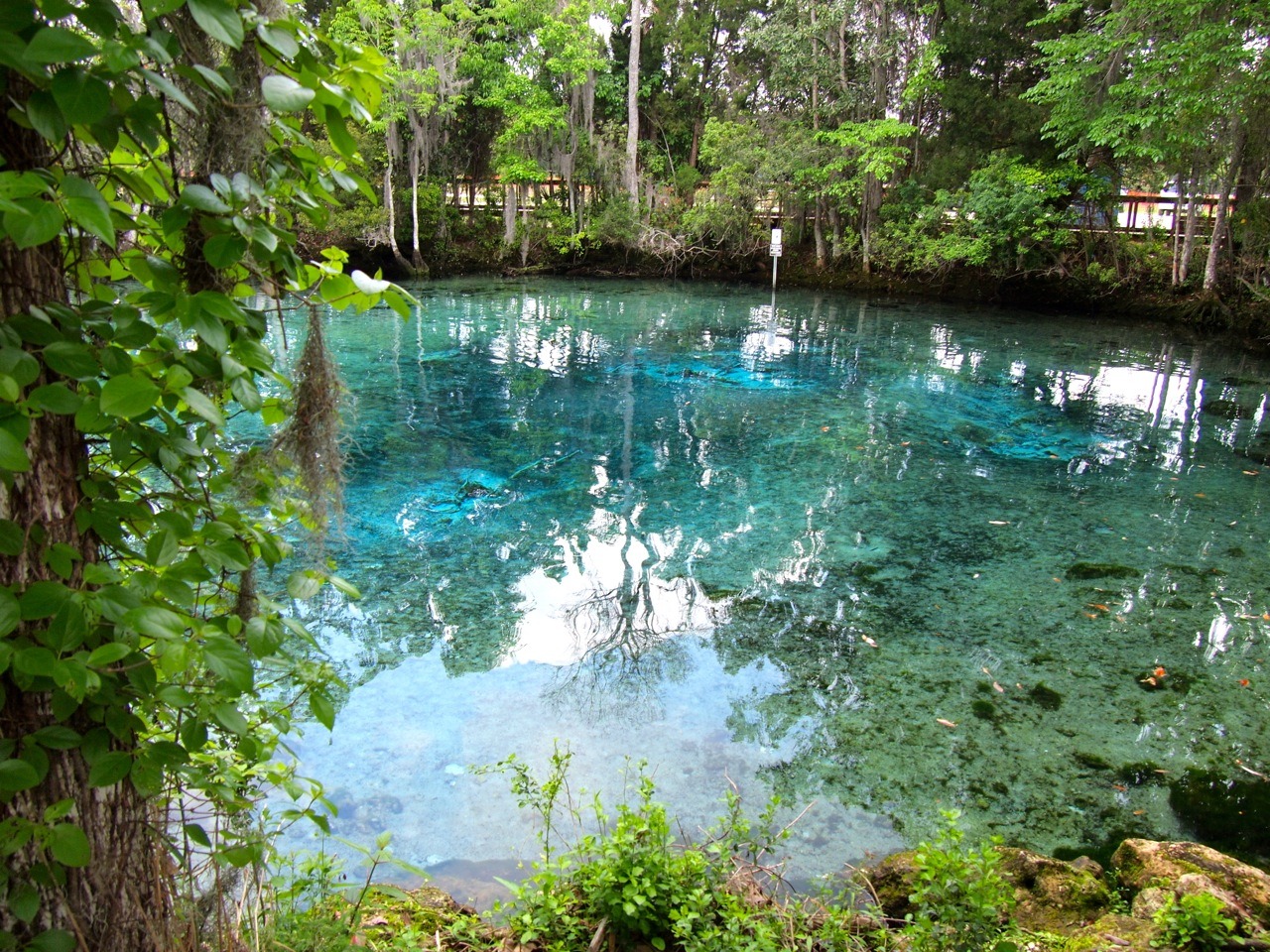
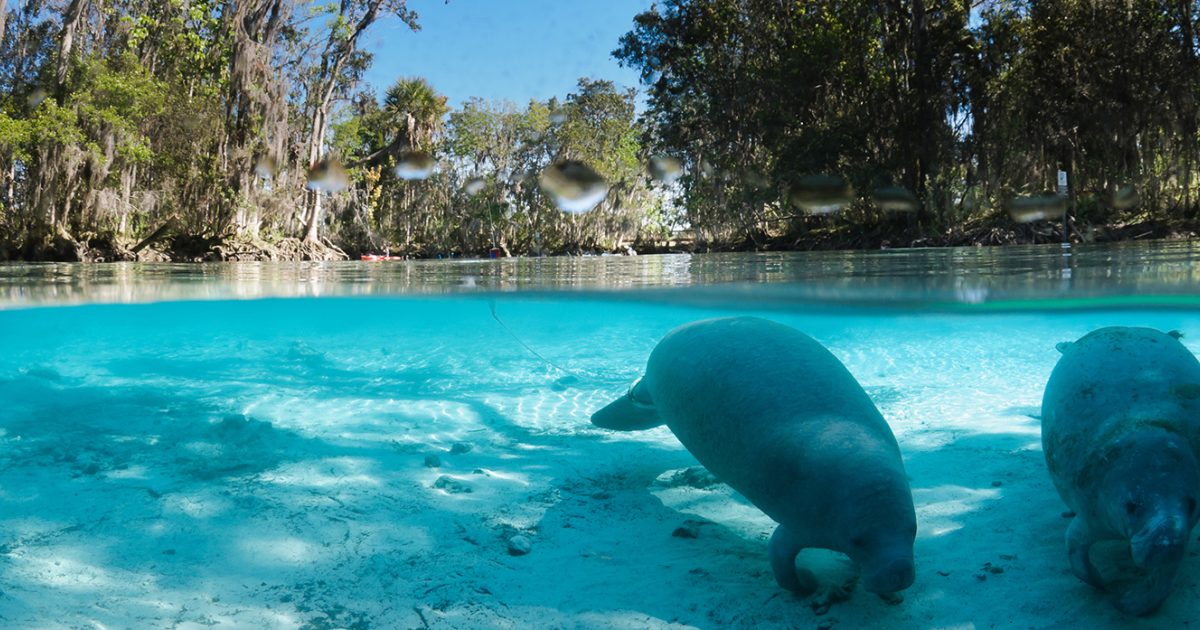
Crystal River is unequivocally renowned as the “Manatee Capital of the World.” It is the only place in North America where it is legal to passively observe and interact with wild manatees in their natural habitat. The constant 72-degree Fahrenheit (22-degree Celsius) waters of the Crystal River springs, particularly Three Sisters Springs and King’s Bay, serve as a vital winter refuge for hundreds of these gentle giants. This unique draw positions Crystal River as an essential destination for nature lovers, wildlife enthusiasts, and anyone seeking an unforgettable experience far removed from typical tourist traps.
Beyond the iconic manatees, the region boasts a rich tapestry of natural attractions. The Crystal River National Wildlife Refuge protects critical habitats, offering opportunities for birdwatching, kayaking, and paddleboarding through pristine waterways. The nearby Homosassa Springs Wildlife State Park provides another chance to observe manatees from an underwater observatory, alongside other native Florida wildlife such as alligators, bears, and panthers. The slower pace of life, the emphasis on outdoor activities, and the genuine sense of community offer a tranquil retreat that profoundly distinguishes it from the fast-paced environment of Orlando. For travelers seeking to connect with Florida’s ecological wonders, Crystal River is an indispensable stop.
Preparing for Your Crystal River Experience
To fully appreciate the allure of Crystal River, a little preparation goes a long way. If planning to swim with manatees, booking a guided tour in advance, especially during the peak winter season (November to March), is crucial. Reputable tour operators provide all necessary equipment, including wetsuits, masks, and snorkels, ensuring a safe and respectful interaction with the wildlife. Travelers should also pack appropriate swimwear, sun protection (reef-safe sunscreen is often recommended), and insect repellent, as much of the activity takes place outdoors. Comfortable walking shoes are also advisable for exploring the various parks and boardwalks.
Consider whether a day trip is sufficient or if an overnight stay would allow for a more immersive experience. Staying for a night or two enables visitors to explore additional attractions, savor local seafood at waterfront restaurants, and enjoy the peaceful evenings that characterize this charming coastal town. Whether your goal is a thrilling wildlife encounter, a peaceful kayaking adventure, or simply a respite from the theme park frenzy, Crystal River promises a unique and memorable addition to any Florida travel itinerary.
Optimizing Your Orlando-Crystal River Travel
Making the most of your trip from Orlando to Crystal River involves a few strategic considerations that can significantly enhance your travel experience. From choosing the optimal departure time to preparing your vehicle and supplies, these tips ensure a smooth and enjoyable journey.
Best Time to Depart
To minimize travel time and avoid the heaviest traffic, the best time to depart from Orlando for Crystal River is typically early in the morning, before 7:00 AM, or later in the morning, after 9:30 AM on weekdays. An early start allows you to bypass the intense morning commute traffic around Orlando and ensures you arrive in Crystal River with plenty of time to enjoy activities, especially if you plan to partake in morning manatee tours. If you’re traveling on a weekend, aim to leave as early as possible to beat both local commuters and other leisure travelers. Conversely, departing later in the afternoon, after 6:00 PM, can also avoid peak traffic, but this might mean arriving in Crystal River after many attractions have closed for the day. Always consult real-time traffic updates before setting out.
Essential Road Trip Checklist
Even for a relatively short drive, preparing a basic road trip checklist can prevent minor inconveniences from becoming major setbacks. Key items include:
- Navigation: A reliable GPS device or smartphone navigation app with updated maps. Consider downloading offline maps in case of spotty service.
- Vehicle Readiness: Ensure your vehicle has adequate fuel, tire pressure is correct, and all essential fluids are topped off. A quick pre-trip check can save significant hassle.
- Snacks and Water: Pack non-perishable snacks and sufficient water to stay hydrated, especially if you foresee any delays or simply want to avoid frequent stops.
- Entertainment: Audiobooks, podcasts, or a curated music playlist can make the drive more enjoyable. For passengers, books or portable devices can provide welcome distraction.
- Emergency Kit: A basic emergency kit including jumper cables, a first-aid kit, and a flashlight is always a good idea, though unlikely to be needed on this well-traveled route.
- Toll Money/Transponder: If taking Florida’s Turnpike, ensure you have a SunPass transponder or sufficient cash, though many tolls are now cashless and require payment online or via mail if you don’t have a transponder.
Considering a Multi-Day Trip
While a day trip to Crystal River from Orlando is entirely feasible, considering a multi-day trip can significantly enhance the overall travel experience. An overnight stay or a two-night visit allows travelers to fully immerse themselves in the natural beauty and unique offerings of Crystal River without feeling rushed. It provides ample time for multiple manatee tours, leisurely kayaking or paddleboarding, exploring local trails, visiting Homosassa Springs Wildlife State Park, and enjoying the local dining scene. This approach transforms the journey from a mere commute into a comprehensive exploration of a truly special Florida destination, making the drive itself feel like a seamless part of a larger, more fulfilling adventure.
LifeOutOfTheBox is a participant in the Amazon Services LLC Associates Program, an affiliate advertising program designed to provide a means for sites to earn advertising fees by advertising and linking to Amazon.com. Amazon, the Amazon logo, AmazonSupply, and the AmazonSupply logo are trademarks of Amazon.com, Inc. or its affiliates. As an Amazon Associate we earn affiliate commissions from qualifying purchases.