
The question of “how far is Cuba from Key West?” immediately conjures images of close proximity, shared history, and tantalizing travel possibilities across the shimmering waters of the Florida Straits. For many eager travelers, the allure of an island nation just a stone’s throw away from the southernmost point of the United States is undeniable. This geographical closeness has shaped centuries of intertwined destinies, from migratory patterns to cultural exchanges, and continues to fascinate those looking to explore the rich tapestry of the Caribbean.
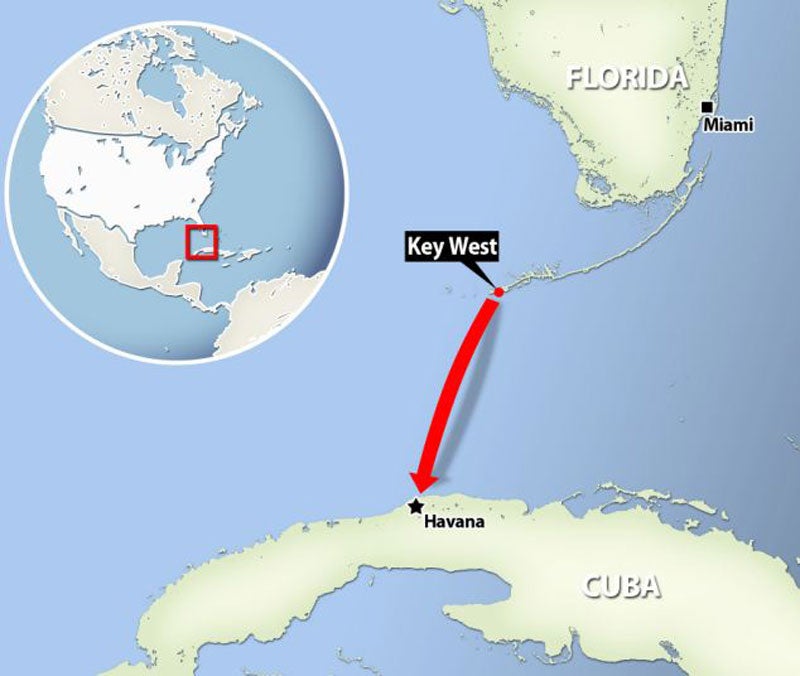
At its closest point, the distance between Key West, Florida, and Cuba is remarkably short – a mere 90 miles (approximately 145 kilometers). This slim stretch of sea separates two distinct worlds, yet simultaneously connects them in a profound and enduring way. This article will delve into the geographical realities, historical context, and the exciting travel opportunities that arise from this fascinating proximity, guiding you through the vibrant culture and unique experiences awaiting on both sides of the strait. Whether you’re planning a trip to the lively streets of Key West or dreaming of the rhythmic charm of Havana, understanding this connection is the first step towards an unforgettable journey.
The Geographical Snapshot: A Mere 90 Miles Across the Florida Straits
The official distance from the southernmost point of Key West, Florida, to the northern coast of Cuba is indeed about 90 miles. This measurement typically refers to the strait between Key West and Mariel, a port city west of Havana. This stretch of water, known as the Florida Straits, is a critical channel connecting the Gulf of Mexico to the Atlantic Ocean and is traversed by the powerful Gulf Stream.
For centuries, this narrow passage has served as both a bridge and a barrier. From a historical perspective, the proximity facilitated everything from early trade routes and strategic military positioning to perilous journeys undertaken by those seeking new beginnings. In contemporary times, it’s a compelling draw for adventurous travelers and a constant reminder of the intertwined destinies of the United States and Cuba. The visibility on clear days can even allow for glimpses of Cuba’s northern coast from the highest vantage points in Key West, reinforcing the palpable closeness.
The Influence of Geography on Travel and Tourism
The 90-mile distance, while significant for international borders, is relatively minor in the grand scheme of global travel. This has historically made sea travel between the two locations feasible, although political circumstances have often dictated the ease and legality of such journeys. For travelers interested in the concept of “island hopping” within the Caribbean, the idea of visiting both Key West and Cuba in a single trip becomes an incredibly attractive proposition.
From a tourism perspective, this closeness means that both destinations share a certain tropical appeal, though their cultural landscapes remain uniquely distinct. Key West offers a slice of laid-back American charm with a vibrant artistic scene and stunning natural beauty, while Cuba presents an immersive dive into a rich revolutionary history, unique architecture, and an unforgettable rhythmic culture. Understanding this geographical link helps travelers appreciate the context of their journey, transforming a simple vacation into an experience laden with historical and cultural depth.
Crossing the Divide: Travel Options and Considerations
Despite the physical closeness, traveling between Key West and Cuba is not as straightforward as a short ferry ride might suggest due to complex political relations and travel regulations. While direct commercial ferry services have been proposed and even briefly existed, they are not a regular, widely available option for general tourism at this time. Most travelers from the United States to Cuba typically fly, often via other cities in Florida like Miami or Fort Lauderdale, or sometimes through third countries.
Air Travel: The Most Common Route
Currently, the most reliable and common way to travel between the United States and Cuba is by air. Major airlines offer flights from several U.S. cities to Havana and other Cuban airports, although flight schedules and availability can fluctuate. For those starting their journey in Key West, flying to Miami or Fort Lauderdale first and then connecting to a flight to Cuba is the usual itinerary. This multi-leg journey allows travelers to navigate the current travel regulations more smoothly.
When planning such a trip, it’s crucial to be aware of the specific categories of authorized travel for U.S. citizens and residents, as general tourism remains restricted. These categories often include family visits, journalistic activity, professional research, educational activities, and support for the Cuban people. Ensuring your trip falls under one of these categories and maintaining proper documentation is paramount for a smooth travel experience. Booking flights and accommodation should always be done through reputable providers who understand the nuances of Cuban travel.
Other Modes of Transport: From Boats to Charters
While less common for the average tourist, other forms of transport do bridge the gap. Private yachts and sailboats occasionally make the journey, though they must adhere to strict international maritime laws and local regulations from both countries. Historical records are replete with tales of daring boat crossings, both official and unofficial, highlighting the magnetic pull across these 90 miles. For a truly unique and luxurious experience, some specialized tour operators or charters may offer organized trips that respect all legal frameworks, providing an exclusive way to traverse the Florida Straits. However, these are often more expensive and cater to niche travel groups, emphasizing the need for thorough research and adherence to legal guidelines. Regardless of the mode, the journey itself becomes part of the adventure, offering unique perspectives on the deep blue waters that define this captivating region.
Key West: The Quirky American Outpost Facing Cuba
Key West, the crown jewel of the Florida Keys and the unofficial capital of the Conch Republic, offers a vibrant and unique travel experience that is distinctly American, yet heavily influenced by its proximity to the Caribbean and Cuba. Known for its bohemian spirit, pastel-colored conch houses, and legendary sunsets, Key West serves as an ideal base for exploring the southernmost part of the United States and contemplating the nearby Cuban shores.
Top Attractions and Experiences in Key West
- Mallory Square: A must-visit at sunset, where street performers, artisans, and food vendors gather for a nightly celebration. It’s an iconic Key West experience that embodies the island’s lively atmosphere.
- Ernest Hemingway Home and Museum: Explore the former residence of the famous author, complete with its unique six-toed cats. It offers a fascinating glimpse into the literary history of the island and its connections to Cuban culture.
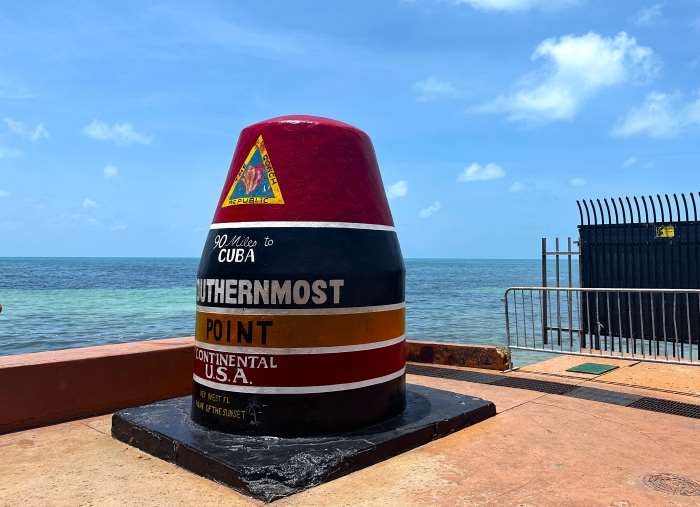
- Southernmost Point Buoy: A popular photo opportunity marking the continental United States’ southernmost point, a mere 90 miles from Cuba. This landmark explicitly highlights the geographical link.
- Duval Street: The pulsating heart of Key West, lined with eclectic shops, art galleries, and famous bars like Sloppy Joe’s Bar. It’s perfect for those seeking lively nightlife and local culture.
- Dry Tortugas National Park: A stunning remote island national park accessible by ferry or seaplane, offering pristine beaches, snorkeling, and the historic Fort Jefferson. This attraction provides incredible nature and history experiences for families and adventurers alike.
Accommodation and Lifestyle in Key West
Key West boasts a diverse range of accommodation options to suit every taste and budget, from luxury resorts to charming guesthouses. Travelers can choose from elegant suites at waterfront properties, cozy apartments for a long-term stay, or boutique villas tucked away in historic neighborhoods. Many hotels offer amenities like sparkling pools, concierge services, and on-site dining, ensuring a comfortable and luxurious travel experience. For those preferring budget travel, numerous guesthouses and smaller inns provide affordable yet authentic stays, often with a unique local flair. The island’s lifestyle is distinctly laid-back, encouraging visitors to embrace the “Conch Republic” motto of “One Human Family.” It’s a destination where you can enjoy world-class fishing, explore vibrant coral reefs, or simply relax on a hammock, soaking in the tropical sun. The food scene is equally diverse, featuring fresh seafood, Cuban-inspired dishes, and classic American fare.
Cuba: An Island of Rhythms, History, and Unforgettable Experiences
Just 90 miles across the Florida Straits, Cuba beckons with a mystique born from its unique history, vibrant culture, and stunning natural beauty. For those who manage the journey, Cuba offers an unparalleled immersion into a world where time seems to slow down, and every corner holds a story. Its compelling blend of colonial architecture, revolutionary spirit, and infectious musical rhythms creates a destination unlike any other.
Exploring Cuba’s Major Destinations and Landmarks
- Havana: The capital city is a sensory overload in the best possible way. Wander through the cobbled streets of Old Havana, a UNESCO World Heritage site, marvel at the grandeur of El Capitolio, and stroll along the famous Malecón promenade, feeling the sea spray and the pulse of the city. Don’t miss the chance to explore the vibrant art scene, enjoy live music in a local club, or savor authentic Cuban cuisine in a paladar.
- Varadero: Known for its breathtaking white-sand beaches and crystal-clear turquoise waters, Varadero is Cuba’s premier resort town. It’s an ideal destination for those seeking relaxation, water sports, and all-inclusive resort experiences.
- Trinidad: Another UNESCO World Heritage site, Trinidad is a perfectly preserved colonial town that transports visitors back in time. Its colorful streets, grand plazas, and lively music scene make it a cultural gem.
- Viñales Valley: This stunning natural landscape, also a UNESCO World Heritage site, is famous for its unique “mogotes” (limestone karsts) and tobacco farms. Travelers can enjoy hiking, horseback riding, and learn about the traditional process of Cuban cigar making.
- Santiago de Cuba: Cuba’s second-largest city and the birthplace of the revolution, Santiago de Cuba is a melting pot of Afro-Cuban culture, boasting vibrant music, dance, and a rich historical legacy.
Accommodation and Authentic Experiences in Cuba
Accommodation in Cuba ranges from government-run hotels and international resorts to the increasingly popular casas particulares (private homes offering rooms for rent). Casas particulares offer an unparalleled opportunity for budget travel and to experience local culture firsthand, providing a more intimate glimpse into Cuban daily life and offering delicious home-cooked meals. Many travelers opt for a mix of stays, perhaps a luxury resort in Varadero or a historic hotel like Hotel Nacional de Cuba in Havana, combined with the authentic charm of a casa particular.
Beyond the popular spots, Cuba offers unique experiences like exploring the pristine beaches of Cayo Largo del Sur, diving in the Bay of Pigs, or experiencing the bustling local markets. The Cuban lifestyle is characterized by its resilience, warmth, and a deep appreciation for music, dance, and community. Whether you’re savoring a strong Cuban coffee, dancing salsa in a local club, or engaging in a friendly conversation with a local, Cuba promises an enriching and unforgettable journey for families, solo adventurers, and those seeking deep cultural immersion.
Planning Your Caribbean Adventure: Tips for a Seamless Journey
Embarking on a journey that could potentially bridge the gap between Key West and Cuba requires careful planning and an understanding of the unique dynamics involved. Given the current travel regulations for U.S. citizens to Cuba, a successful trip hinges on meticulous preparation. This section offers essential tips, from visa requirements to cultural etiquette, ensuring your adventure is as smooth and enriching as possible.

Essential Travel Tips for Both Destinations
- Visa and Travel Regulations: For Key West, standard U.S. entry requirements apply. For Cuba, U.S. citizens must travel under one of the 12 authorized categories, obtain a visa (often called a tourist card), and may need proof of travel insurance. Always check the latest regulations from the U.S. Department of Treasury’s Office of Foreign Assets Control (OFAC) and the Cuban Embassy before booking your trip.
- Currency: In Key West, the U.S. dollar is used. In Cuba, the official currency for tourists is the Cuban Peso (CUP). U.S. credit and debit cards are generally not accepted in Cuba, so bringing enough cash (Euros or Canadian Dollars are often preferred for exchange) is crucial.
- Accommodation Booking: For Key West, book hotels, resorts, or apartments well in advance, especially during peak season, as options fill up quickly. For Cuba, while government hotels are available, consider booking casas particulares through reputable online platforms for a more authentic and often more affordable experience. Comparing reviews and amenities is key.
- Connectivity: Wi-Fi in Key West is widely available. In Cuba, internet access can be sporadic and expensive. Purchase a local SIM card upon arrival or buy internet cards from ETECSA stores to access Wi-Fi hotspots in public areas.
- Local Culture and Etiquette: Both destinations are known for their warm hospitality. In Cuba, learning a few basic Spanish phrases will greatly enhance your interactions. Be respectful of local customs, and remember that Cuba is a developing country, so patience and understanding are valuable traits.
- Health and Safety: Always have travel insurance. Consult your doctor about recommended vaccinations for Cuba. Be mindful of your belongings in crowded areas in both destinations, just as you would in any popular tourist spot.
- Travel Style: Whether you’re planning a luxury travel experience with all the amenities, a budget travel adventure exploring local markets and casas particulares, a family trip with child-friendly attractions, or a business stay combining work with cultural immersion, tailor your itinerary and accommodation choices to match your preferred lifestyle.
The journey between Key West and Cuba may be physically short, but it’s rich in historical, cultural, and logistical complexities. While a direct ferry remains a dream for many, the distinct charm of Key West combined with the captivating allure of Cuba offers an unparalleled Caribbean adventure. By understanding the distances, navigating the travel requirements, and embracing the unique experiences each destination offers, you can embark on a truly unforgettable journey across these fabled waters, connecting two vibrant worlds. From the sunset celebrations of Mallory Square to the rhythmic streets of Havana, a world of discovery awaits just 90 miles apart.
LifeOutOfTheBox is a participant in the Amazon Services LLC Associates Program, an affiliate advertising program designed to provide a means for sites to earn advertising fees by advertising and linking to Amazon.com. Amazon, the Amazon logo, AmazonSupply, and the AmazonSupply logo are trademarks of Amazon.com, Inc. or its affiliates. As an Amazon Associate we earn affiliate commissions from qualifying purchases.