
The geographical proximity between Cuba and Florida has long fascinated travelers and shaped the unique cultural tapestry of the Caribbean region. Understanding this distance is not merely an exercise in cartography; it’s a crucial first step for anyone considering a journey to either destination, influencing travel logistics, costs, and the overall experience. Despite the clear visual separation on a map, the true measure of “how far” extends beyond nautical miles to encompass historical ties, political landscapes, and the varied methods available to bridge this intriguing gap.
The Geographical Proximity: A Closer Look
At its closest point, the distance separating Cuba from the United States is remarkably short, creating a tantalizing connection across the Straits of Florida. This narrow stretch of water is where the Gulf of Mexico meets the Atlantic Ocean, serving as both a natural boundary and a historic pathway.
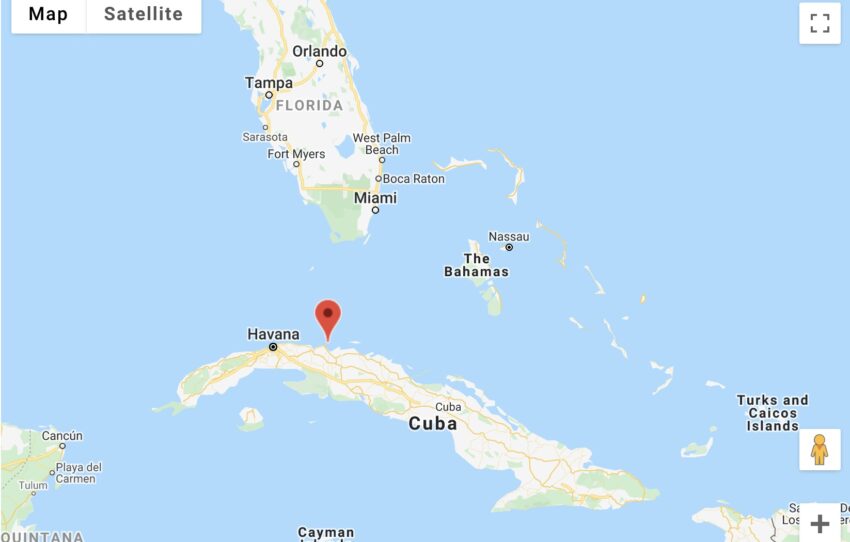
The Straits of Florida: A Narrow Divide
The absolute minimum distance between Cuba and Florida is approximately 90 miles (145 kilometers). This measurement is typically taken from Key West, the southernmost point of the continental United States, to the northern coast of Cuba, specifically the region around Mariel or Havana. To put this into perspective, Key West is actually closer to Havana than it is to Miami, which lies approximately 160 miles (257 kilometers) northeast of Key West.
This relative closeness has profound implications. On clear days, it’s theoretically possible to discern the distant lights of Cuba from the highest vantage points in Key West, a testament to the intimate geographical relationship. For travelers, this narrow divide means that transiting between the two can be a relatively swift endeavor, provided the necessary legal and logistical frameworks are in place.
Implications of Distance for Travel Time
While 90 miles might seem a short distance, travel time varies significantly based on the chosen mode of transport and prevailing conditions. Air travel offers the quickest solution, with direct flights between Miami and Havana often taking less than an hour. Maritime journeys, while slower, offer a different perspective and connection to the historical routes. Ferries or private boats would naturally take longer, ranging from a few hours to a full day, depending on vessel speed and sea conditions. The compact distance makes both air and sea travel viable, though air remains the most prevalent method due to convenience and regulatory ease for most authorized travelers.
Historical Context and Travel Dynamics
The story of travel between Cuba and Florida is inextricably linked to their complex, interwoven histories. From early indigenous crossings to Spanish colonial trade routes and 20th-century political shifts, the proximity has always been a focal point for human movement and cultural exchange.
A Shared Past and Divergent Paths
Before the Cuban Revolution in 1959, travel between Florida and Cuba was relatively unfettered. Ferries ran regularly, transporting goods, people, and ideas, fostering a dynamic cultural fusion that still resonates in cities like Miami and Tampa. The vibrant Cuban expatriate community in Florida is a direct legacy of this historical fluidity and subsequent political migrations.
However, the political developments following the revolution led to significant restrictions on travel, particularly for U.S. citizens. This era created a perception of immense distance, not geographical, but political and ideological, making the 90-mile gap feel, for decades, like an unbridgeable chasm.
Evolution of Travel Regulations
Over the years, the ease of travel has fluctuated, mirroring the changing diplomatic relations between Washington D.C. and Havana. While direct tourism from the United States to Cuba remains prohibited by U.S. law, several categories of authorized travel exist. These include visits for family reunification, professional research, educational activities, journalistic activities, religious activities, and “people-to-people” exchanges, among others. These regulations are primarily managed by the United States Department of the Treasury’s Office of Foreign Assets Control (OFAC).
Understanding these regulations is paramount for any U.S. citizen planning a trip, as unauthorized travel can lead to legal repercussions. For travelers from most other countries, entering Cuba is generally straightforward, requiring only a visa or a Cuban Tourist Card. These shifting policies underscore that distance, in the context of international travel, is often more about legal and political accessibility than mere physical miles.
Modern Travel Routes and Considerations
Today, bridging the 90-mile gap between Cuba and Florida is primarily done through air travel, with limited maritime options. Each method presents its own set of advantages and logistical considerations for the contemporary traveler.
Air Travel: The Most Common Method
For most international travelers, flying is the most efficient and practical way to reach Cuba. Several major airports in Florida serve as key departure points, facilitating direct routes to Cuban cities.
- Departure Hubs in Florida: Miami International Airport (MIA) is the primary gateway for flights to Cuba, offering the most frequent services. Fort Lauderdale-Hollywood International Airport (FLL) also provides a significant number of flights. These airports are well-connected to major cities across the United States and internationally, making them convenient starting points.
- Arrival in Cuba: The main international airport in Cuba is José Martí International Airport (HAV) in Havana. Other international airports exist in cities like Varadero, Santa Clara, and Holguín, which may be options depending on your final destination within the island.
- Flight Durations: Direct flights from Miami or Fort Lauderdale to Havana are remarkably short, typically lasting between 45 minutes to 1 hour. This brief airborne journey underscores the true geographical closeness.
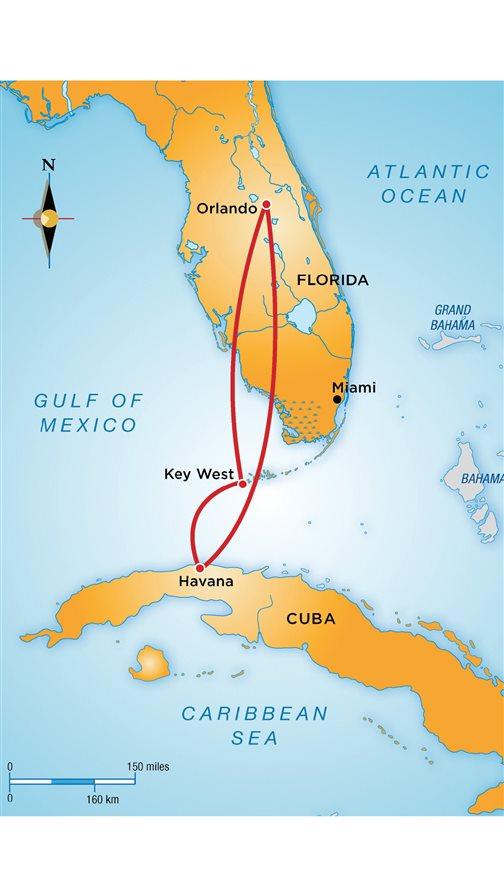
Maritime Journeys: Beyond the Horizon
While air travel dominates, the idea of a sea journey between Florida and Cuba holds a romantic appeal for many. Historically, ferries were a popular mode of transport.
- Ferry Services: Although there have been attempts and proposals to re-establish regular ferry services between Florida and Cuba in recent years, these operations have faced various regulatory and logistical hurdles. As of now, consistent, scheduled passenger ferry services are not a common or reliable option for general travelers.
- Private Boats/Yachts: For those with their own vessels, sailing between Florida and Cuba is technically possible. However, it is subject to stringent regulations from both the U.S. and Cuban governments. U.S. citizens must adhere to OFAC guidelines, ensuring their voyage falls under one of the authorized travel categories. Crucially, specific permits and clearances are required, and non-compliance can lead to severe penalties. This method is generally reserved for experienced sailors fully conversant with international maritime law and specific bilateral agreements.
- Cruise Options: Cruise lines, at various times, have offered itineraries that include stops in Cuba. However, these operations are highly sensitive to changes in U.S. policy and often experience suspensions or cancellations. Travelers interested in cruising to Cuba should verify the most up-to-date information directly with cruise lines and relevant government advisories.
Understanding Travel Categories and Restrictions
For U.S. citizens, embarking on a trip to Cuba requires careful planning and adherence to the 12 authorized travel categories sanctioned by the U.S. government. These categories dictate the purpose of your visit, which must not be solely for tourism. Examples include educational activities, support for the Cuban people, humanitarian projects, and religious activities. Travelers must maintain records related to their trip for five years and ensure their itinerary aligns with their chosen category. Non-U.S. citizens typically face fewer restrictions, generally requiring a Cuban Tourist Card and a valid passport.
Planning Your Journey: Essential Travel Guide Tips
Navigating the complexities of travel to Cuba, particularly from Florida, requires attention to detail. A well-prepared traveler ensures a smoother and more enriching experience.
Visa and Documentation Requirements
- U.S. Citizens: Beyond identifying an authorized travel category, U.S. citizens need a valid passport and a Cuban Tourist Card (also known as a visa), which can often be purchased through airlines or visa service agencies. Proof of medical insurance valid in Cuba is also mandatory.
- Other Nationalities: Most other nationalities also require a Cuban Tourist Card, obtainable from Cuban consulates or accredited travel agencies. Certain countries have visa-free agreements. Always check the specific requirements based on your nationality well in advance of your trip.
Currency and Connectivity
Cuba historically used two currencies: the Cuban Convertible Peso (CUC) (pegged to the U.S. dollar) and the Cuban Peso (CUP) (the national currency). However, the CUC was phased out, leaving the CUP as the main legal tender. Exchange rates can fluctuate, and it is advisable to carry cash (Euros or Canadian Dollars are often preferred over USD due to U.S. banking restrictions) for exchange upon arrival. Credit/debit cards issued by U.S. banks generally do not work in Cuba, so plan accordingly.
Internet access, while improving, can still be limited. Wi-Fi hotspots are available in public squares and hotels, usually requiring the purchase of an ETECSA card for access. Pre-downloading maps and essential information is highly recommended.
Cultural Nuances and Local Etiquette
Cuban culture is vibrant and welcoming. Learning a few basic Spanish phrases can significantly enhance interactions. Be respectful of local customs, dress modestly when visiting religious sites, and always ask for permission before taking photos of people. Tipping is appreciated in both CUP and foreign currency. Engaging with locals, from ordering a cafecito at a street stand to conversing with casas particulares (private guesthouse) hosts, offers invaluable insights into daily life.
What to Experience in Cuba
Beyond the logistical considerations, Cuba offers an unparalleled travel experience.
- Old Havana: A UNESCO World Heritage site, it’s a living museum with colonial architecture, bustling plazas, and a palpable sense of history.
- Music and Dance: From salsa to rumba, music is the heartbeat of Cuba. Seek out live performances in bars and cultural centers.
- Viñales Valley: Explore the dramatic mogotes (limestone karsts) and tobacco fields of this picturesque region.
- Trinidad: Another UNESCO site, famous for its well-preserved colonial architecture and vibrant nightlife.
- Cuban Cuisine: Savor traditional dishes like ropa vieja, moros y cristianos, and fresh seafood.
The Experience of Bridging the Gap
Traveling from Florida to Cuba is more than just a journey across 90 miles; it’s a passage between two worlds that are intimately connected yet distinctly unique. The moment you land in Havana, the contrast with Miami is striking, yet the underlying threads of shared heritage are undeniable.
From Miami’s Buzz to Havana’s Charm
Leaving the gleaming skyscrapers and fast-paced energy of Miami, with its strong Cuban diaspora influence, and arriving in Havana is like stepping into a different era. The classic cars, crumbling colonial facades, and rhythm of son music create an immersive atmosphere. This journey offers a profound opportunity to witness firsthand the resilience and ingenuity of the Cuban people and to appreciate the nuances of a culture that has evolved under unique circumstances.
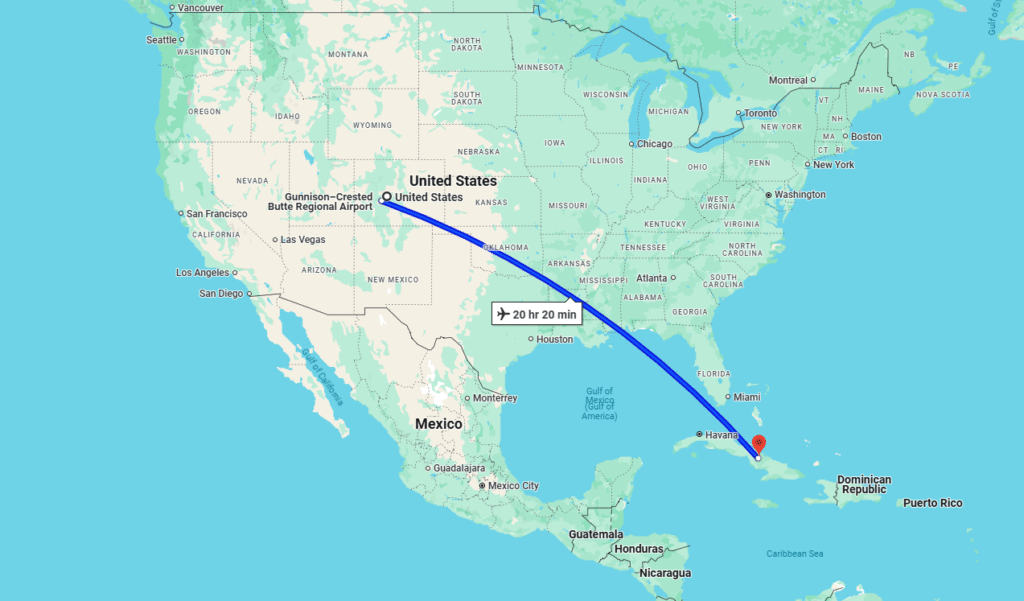
A Unique Caribbean Connection
Despite political differences and economic disparities, the close geographical tie between Cuba and Florida fosters an ongoing, if often indirect, exchange. For the traveler, this offers a rare chance to explore a destination that, while physically close, feels wonderfully distinct. It’s a journey that challenges preconceived notions, enriches perspectives, and leaves an indelible impression, proving that distance is often a measure of much more than just miles.
LifeOutOfTheBox is a participant in the Amazon Services LLC Associates Program, an affiliate advertising program designed to provide a means for sites to earn advertising fees by advertising and linking to Amazon.com. Amazon, the Amazon logo, AmazonSupply, and the AmazonSupply logo are trademarks of Amazon.com, Inc. or its affiliates. As an Amazon Associate we earn affiliate commissions from qualifying purchases.