
The proximity of Cuba to Florida has long been a subject of fascination, sparking dreams of island getaways for Floridians and offering a tantalizing glimpse of Caribbean culture just a stone’s throw away. For many travelers, understanding this geographical closeness is the first step in planning an unforgettable journey. But just how far is Cuba to Florida? The answer, while seemingly simple, opens up a world of travel possibilities, from quick flights to leisurely cruises, and highlights the unique relationship between these two vibrant regions.
The shortest distance between Cuba and Florida is a mere 90 miles, specifically between the western tip of Cuba, near Punta de Maisí, and Key West, Florida. This striking closeness is a geographical marvel, making Cuba one of the closest Caribbean islands to the mainland United States. This proximity has historically influenced cultural exchange, trade, and, of course, tourism. For residents of South Florida, particularly those in Miami, the idea of escaping to Cuba often feels as accessible as a weekend road trip, albeit one requiring a passport and a bit of planning.
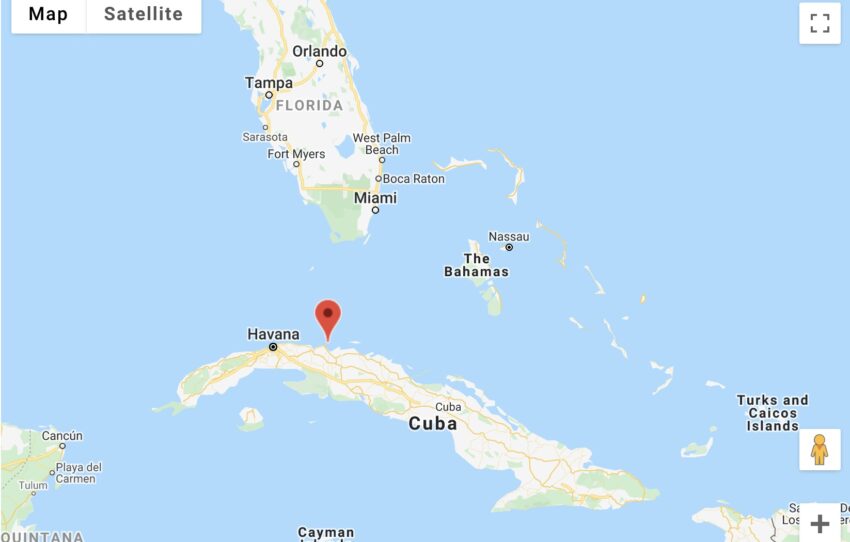
The allure of Cuba for Floridians is multifaceted. It’s a blend of exoticism, history, and a vibrant culture that feels both familiar and distinct. The chance to experience the rhythm of Havana‘s streets, the charm of Trinidad, or the natural beauty of the Viñales Valley is a powerful draw. This proximity also means that travel options are diverse, catering to different budgets and preferences, a crucial consideration for anyone looking at their next vacation.
Navigating the Distance: Travel Options from Florida to Cuba
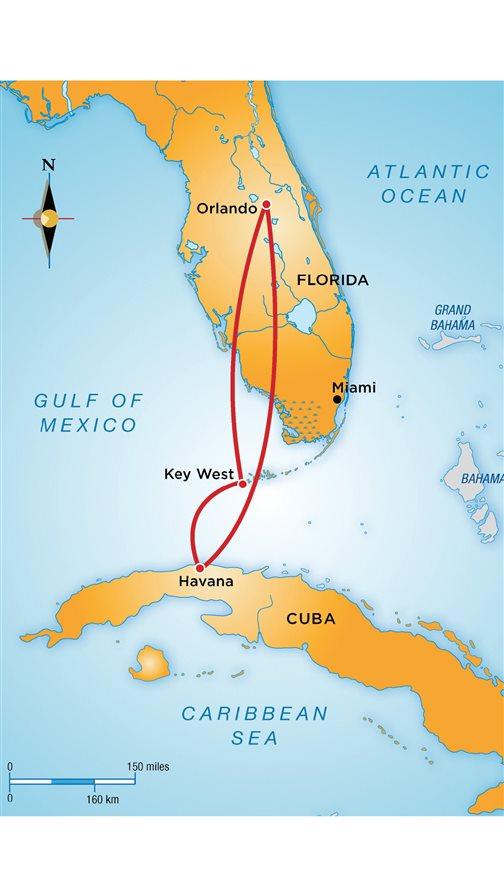
The 90-mile span between Cuba and Florida translates into a variety of travel methods, each offering a unique perspective on the journey. The most common and efficient way to travel is by air. Numerous airlines operate direct flights from major Florida cities, including Miami, Fort Lauderdale, and Orlando, to various Cuban airports such as Havana’s José Martí International Airport, Varadero’s Juan Gualberto Gómez Airport, and Santa Clara’s Abel Santamaría Airport. These flights are typically short, often lasting around an hour, making a day trip or a weekend escape a feasible option for many.
Flights: The Fastest Route to Cuban Shores
When considering how far Cuba is to Florida, flights offer the most immediate answer. The convenience of hopping on a plane from Miami International Airport and landing in Havana a little over an hour later is unmatched. This speed of travel significantly reduces the perceived distance, transforming Cuba from a faraway land into a readily accessible destination. For those on tight schedules or looking for spontaneous trips, this direct air link is invaluable. The cost of flights can vary depending on the season, airline, and how far in advance you book, but the relatively short flight time often makes it a competitive option compared to longer Caribbean journeys.
Cruises: A Leisurely Approach to Cuban Discovery
For a more relaxed and immersive travel experience, cruises have become an increasingly popular way to visit Cuba from Florida. Several cruise lines offer itineraries that depart from Florida ports like Miami, Fort Lauderdale, and Tampa, with stops in Havana, Cienfuegos, or Santiago de Cuba. These voyages can range from short 3-night getaways to longer, more comprehensive Caribbean explorations that include Cuba as a highlight.
Cruising offers a unique advantage: it bundles your accommodation, dining, and entertainment into a single price, making budgeting simpler. It also allows travelers to visit multiple Cuban cities or ports on a single trip without the hassle of constantly changing hotels. The journey itself becomes part of the experience, with onboard amenities and stunning ocean views as you sail across the Straits of Florida. While the travel time is longer than a flight, the journey is comfortable and scenic, offering a different perspective on the distance between Florida and Cuba. Cruise lines often partner with local operators in Cuba to provide shore excursions, ensuring a well-rounded cultural experience, from exploring the historic streets of Old Havana to visiting local tobacco farms.
The Future of Travel: Ferry Services and Potential Direct Travel
While flights and cruises are the current mainstays, the possibility of direct ferry services between Florida and Cuba has been a topic of discussion and anticipation for years. Such a service would dramatically alter the perception of distance, offering a tangible, surface-level connection that many believe would further strengthen the ties between the two nations. While regulatory hurdles and infrastructure development have slowed progress, the eventual introduction of ferries could provide an even more accessible and perhaps more intimate way to experience the journey, akin to traveling between Florida and the Bahamas. This would undoubtedly be a game-changer for budget travelers and those who enjoy a slower pace of travel, allowing for the transport of personal vehicles and a more freedom-focused exploration of Cuba.
Understanding Cuba: A Glimpse into Its Geography and Attractions
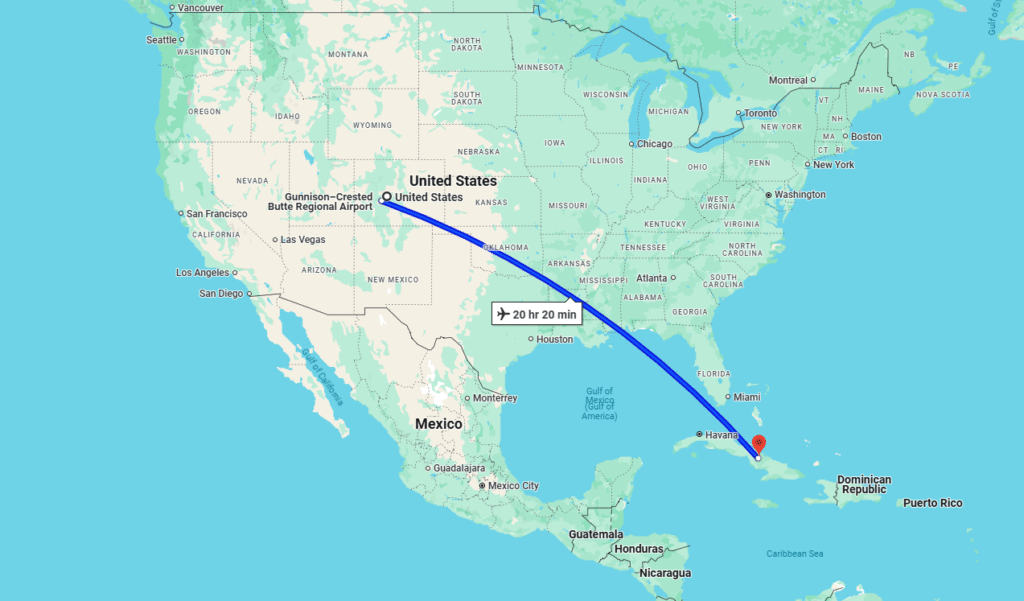
The question of “How Far Is Cuba To Florida?” is intrinsically linked to understanding Cuba itself – its geography, its people, and its remarkable array of attractions. Cuba, the largest island in the Caribbean, is a nation characterized by its rich history, vibrant culture, stunning natural landscapes, and iconic architecture. Its elongated shape stretches for over 700 miles, meaning that while the closest point to Florida is just 90 miles, other parts of the island are significantly further, influencing travel within Cuba.
The Heart of Cuba: Havana and Its Charms
Havana, the capital city, is often the primary destination for travelers from Florida. Its colonial architecture, lively music scene, classic American cars, and revolutionary history make it a captivating metropolis. Old Havana, a UNESCO World Heritage site, is a labyrinth of cobblestone streets, grand plazas, and historic buildings that whisper tales of centuries past. Here, visitors can explore Plaza de la Catedral, Plaza Vieja, and Plaza de Armas, soak in the atmosphere of El Malecón, and enjoy world-class Cuban cuisine. The city’s energy is infectious, drawing visitors into its vibrant street life and intimate casas de música. For those seeking an immersive experience, Havana offers a wealth of accommodations, from charming boutique hotels to private rental apartments.
Beyond the Capital: Exploring Cuba’s Diverse Landscapes and Cities
While Havana captures the imagination, Cuba offers much more. The island boasts a diverse geography, from pristine beaches and lush mountains to vibrant colonial towns. Trinidad, another UNESCO World Heritage site, is a remarkably preserved 18th-century town that feels frozen in time. Its colorful buildings, cobblestone streets, and surrounding natural beauty, including nearby Valle de los Ingenios, make it a must-visit.
Further east, Santiago de Cuba, the country’s second-largest city, is known as the cradle of Cuban music and revolution. Its Afro-Cuban heritage is palpable in its lively rhythms and vibrant festivals. For nature lovers, the Viñales Valley in western Cuba offers breathtaking karst landscapes, cigar plantations, and opportunities for hiking and horseback riding. The beaches of Varadero are renowned for their powdery white sand and crystal-clear waters, providing a classic Caribbean resort experience. The island also features numerous smaller keys and cays, offering secluded paradises for diving and snorkeling enthusiasts.
Planning Your Cuban Adventure: Accommodation and Lifestyle Choices
The proximity of Cuba to Florida makes it an attractive destination for a wide range of travelers, from luxury seekers to budget explorers. Understanding the accommodation options and the diverse lifestyles that Cuba supports is key to crafting the perfect trip. Whether you envision yourself sipping rum in a vintage Havana bar or lounging on a pristine Varadero beach, Cuba offers an experience tailored to every desire.
Accommodation in Cuba: From Boutique Hotels to Private Homes
Cuba offers a diverse range of accommodation options, catering to different tastes and budgets. For those seeking traditional hotel experiences, Havana boasts a growing number of luxury hotels, such as the iconic Hotel Nacional de Cuba and the elegant Gran Hotel Manzana Kempinski La Habana. These establishments often provide a blend of historical charm and modern amenities, including swimming pools, fine dining, and impeccable service.
However, the most authentic and often most affordable way to stay in Cuba is through casas particulares (private homes). These are rooms or entire apartments rented out by Cuban families, offering a genuine glimpse into local life. Staying in a casa particular allows travelers to interact with locals, enjoy home-cooked Cuban meals, and gain a deeper understanding of Cuban culture. Many casas particulares are beautifully maintained and offer excellent value, making them a popular choice for both budget and experiential travelers. Booking platforms have made it easier than ever to find and secure these charming accommodations, ensuring a comfortable and culturally rich stay.
Embracing the Cuban Lifestyle: Luxury, Budget, and Family Travel
Cuba caters to a spectrum of travel lifestyles. For those who appreciate the finer things, luxury travel in Cuba is becoming increasingly sophisticated. This can include stays in high-end hotels, private guided tours of historical sites, and exclusive dining experiences. The opportunity to explore Cuba at your own pace, with personalized service, adds to the allure of a luxury getaway.
On the other end of the spectrum, budget travel in Cuba is not only possible but highly rewarding. Utilizing casas particulares, eating at local paladares (private restaurants), and using public transportation can significantly reduce costs. The warmth of the Cuban people and the richness of its culture are freely available to all, making it a destination that doesn’t require a vast fortune to be enjoyed. Backpackers and independent travelers will find Cuba to be an incredibly welcoming and engaging destination.
Family trips to Cuba are also a wonderful option. Children can be captivated by the classic cars, the vibrant street life, and the beautiful beaches. Many resorts, particularly in Varadero, offer family-friendly amenities and activities. Exploring Cuba as a family provides an educational and enriching experience, introducing younger travelers to a different way of life, a unique history, and a welcoming culture. From exploring the historical fortifications of Old Havana to building sandcastles on Playa Paraíso, Cuba offers memorable experiences for all ages, proving that the distance from Florida is not a barrier to creating lasting family memories.
LifeOutOfTheBox is a participant in the Amazon Services LLC Associates Program, an affiliate advertising program designed to provide a means for sites to earn advertising fees by advertising and linking to Amazon.com. Amazon, the Amazon logo, AmazonSupply, and the AmazonSupply logo are trademarks of Amazon.com, Inc. or its affiliates. As an Amazon Associate we earn affiliate commissions from qualifying purchases.