
The question of distance between two major metropolitan areas often arises for travelers, commuters, and event-goers alike. When considering the vibrant heart of the Dallas–Fort Worth metroplex, the relationship between Dallas and Arlington is a cornerstone of understanding regional geography and travel logistics. While often perceived as distinct entities, these two cities are intimately connected, sharing proximity that makes for seamless transitions between their unique offerings. This exploration delves into the precise distances, the various modes of travel available, and what this closeness signifies for visitors and residents.
Proximity and Key Metrics
The geographical proximity between Dallas and Arlington is a defining characteristic of the Dallas–Fort Worth metroplex. While they are separate municipalities with their own distinct identities, city centers, and populations, their borders are remarkably close, leading to very manageable travel times.
Direct Distance and Driving Routes
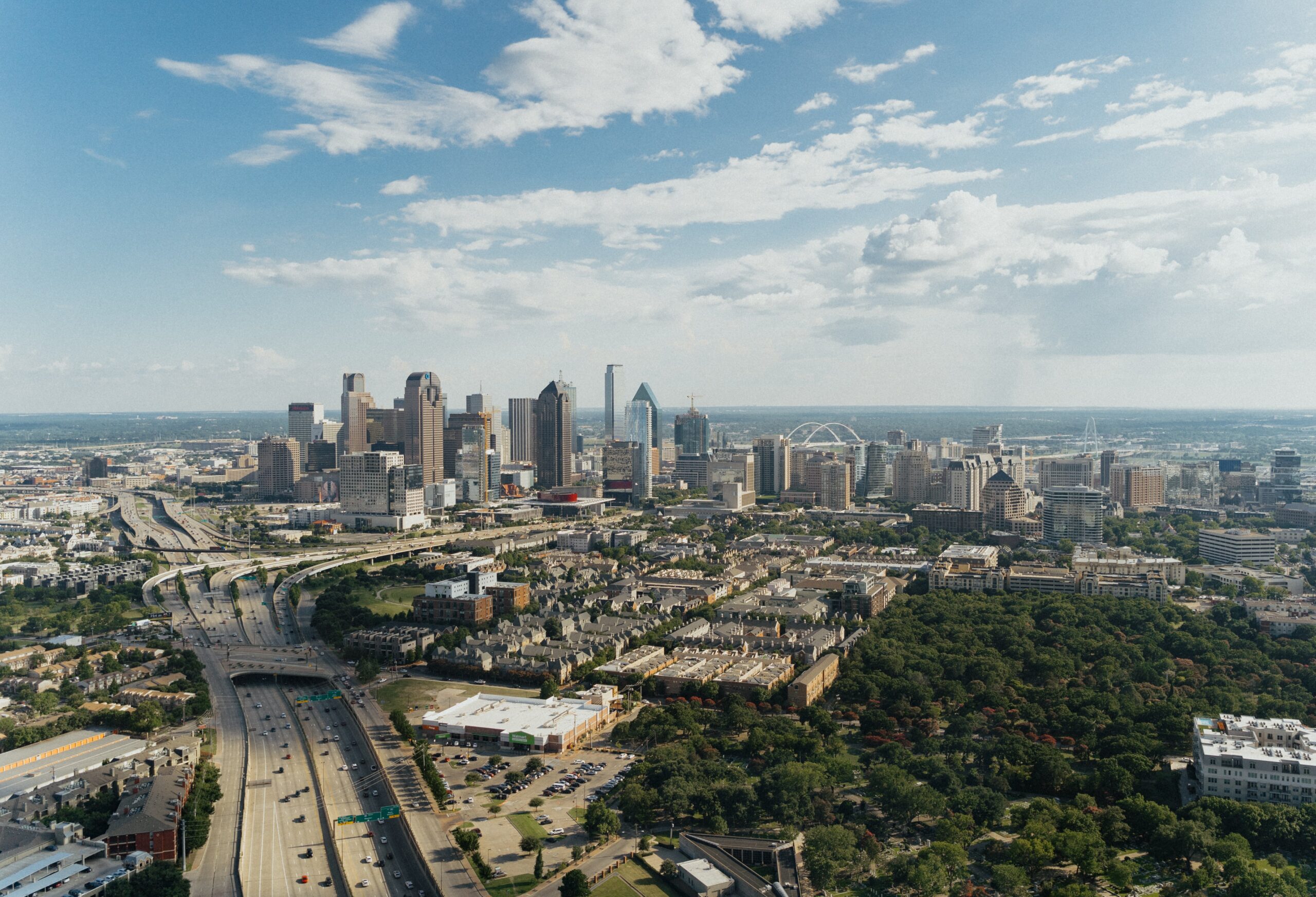
The most common way to measure the distance between Dallas and Arlington is by road. The direct driving distance from downtown Dallas to downtown Arlington is approximately 15 to 20 miles, depending on the specific starting and ending points within each city. This translates to a drive time that typically ranges from 20 to 40 minutes under normal traffic conditions.
Several major highways facilitate this transit:
- Interstate 30 (I-30): This is the most direct and commonly used route. Traveling west on I-30 from Dallas will lead you straight into Arlington. This highway is a critical artery for commuters and travelers alike, connecting the two urban centers efficiently.
- State Highway 183 (SH 183) / Airport Freeway: Another significant route that parallels I-30 in many sections, offering an alternative for those seeking different ingress and egress points.
- Loop 12 and State Highway 114: These roads can be used for initial navigation within Dallas to connect to I-30 or other connecting highways heading towards Arlington.
It is important to note that traffic can significantly impact travel times, particularly during peak commuting hours (typically 7-9 AM and 4-6 PM on weekdays). Weekend events, especially those held at major venues in Arlington, can also cause localized congestion.
Navigating Between the Cities
Understanding the nuances of navigating between these two cities can enhance the travel experience. For instance, if your destination in Dallas is the central business district, and your origin is near the Arlington Entertainment District, the route via I-30 is generally the most straightforward. Conversely, if you are heading from the Dallas Arts District to the Texas Live! complex in Arlington, the same highway remains a prime choice.
Travel Options and Logistics
Beyond personal vehicles, several other transportation methods bridge the gap between Dallas and Arlington, offering convenience and alternatives for various traveler preferences.
Public Transportation
While direct, single-bus routes are less common for this specific inter-city journey, a combination of services can be utilized. The primary public transit authority serving both cities is the Dallas Area Rapid Transit (DART) system.
- DART Rail: Passengers can take the DART Green Line or Orange Line from various stations in Dallas towards the west. The Orange Line specifically extends into the western parts of the metroplex, and connections can be made to reach Arlington. For example, a traveler from downtown Dallas might take the Green Line to transfer to the Orange Line at a station like West Transfer Center.
- Connecting Bus Routes: Once within Arlington, The T (Transportation Services of Arlington) operates local bus services. DART bus routes may also offer connections from DART rail stations in outlying areas towards specific points in Arlington.
- Travel Time: Utilizing public transportation will inevitably take longer than driving, with total travel times potentially ranging from 1 to 2 hours, depending on wait times for transfers and the specific routes chosen. This option is best suited for those prioritizing cost savings or seeking to avoid driving and parking.
Ride-Sharing Services
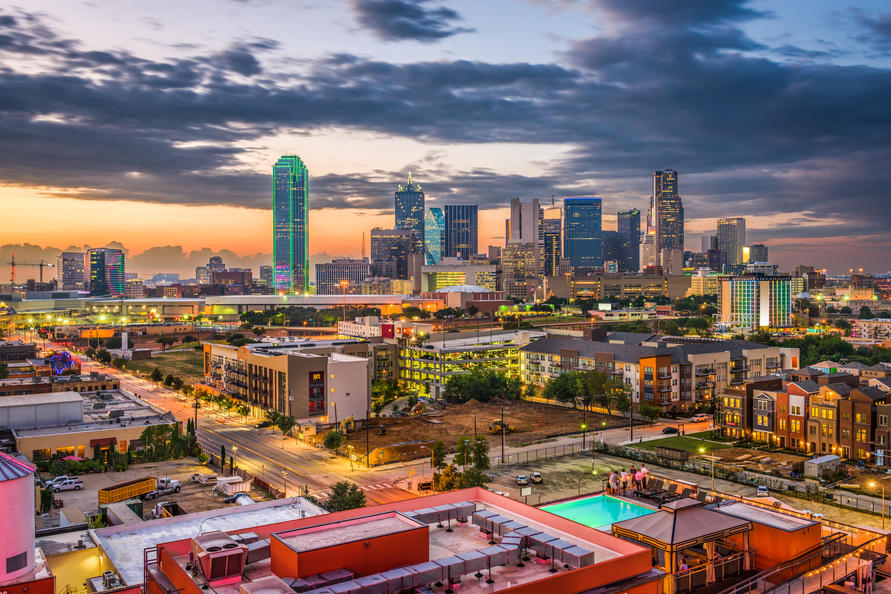
Ride-sharing platforms such as Uber and Lyft are highly prevalent and offer a convenient door-to-door service between Dallas and Arlington.
- Convenience and Cost: This is often the preferred choice for many travelers due to its flexibility and directness. The cost can vary based on demand, time of day, and surge pricing, but it generally falls within a reasonable range for a direct trip of this distance.
- Availability: Both services have robust availability throughout the Dallas–Fort Worth metroplex, ensuring easy pick-up and drop-off in most areas of Dallas and Arlington.
- Estimated Travel Time: Travel times are comparable to driving a personal vehicle, typically ranging from 20 to 40 minutes, again subject to traffic conditions.
Taxis and Airport Shuttles
Traditional taxi services are also available, though often less economically than ride-sharing. If arriving at Dallas Love Field Airport or Dallas/Fort Worth International Airport (DFW), dedicated shuttle services or taxi stands can provide transport to Arlington. These services are generally more expensive but offer a reliable option, especially for those with luggage or a need for guaranteed transport.
Significance of Proximity for Travelers
The close proximity between Dallas and Arlington is more than just a geographical fact; it’s a fundamental aspect that shapes the travel experience and tourism landscape of the region.
Access to Major Attractions and Entertainment
Arlington is renowned as a hub for entertainment and sports. The presence of world-class venues like:
- AT&T Stadium, home to the Dallas Cowboys
- Globe Life Field, home to the Texas Rangers
- Six Flags Over Texas
- Hurricane Harbor
- Texas Live!, a vibrant entertainment district
These attractions draw millions of visitors annually. For those staying in Dallas, whether for business or leisure, the ease of access to these major sporting events, concerts, and theme parks is a significant advantage. A day trip from Dallas to experience a game at AT&T Stadium or spend a day at Six Flags Over Texas is entirely feasible and commonplace.
Conversely, Dallas offers a wealth of cultural institutions, dining, and nightlife. Visitors based in Arlington can easily venture into Dallas to explore the Dallas Arts District, visit the Perot Museum of Nature and Science, or enjoy the diverse culinary scene in neighborhoods like Deep Ellum or the Bishop Arts District.
Accommodation and Event Planning
The close proximity also influences accommodation choices and event planning. Many visitors attending events in Arlington may opt to stay in Dallas due to a wider range of hotel options, potentially more competitive pricing, or a preference for the amenities and atmosphere of Dallas hotels. Similarly, business travelers working in Dallas might find it convenient to book accommodation in Arlington if their primary activities are focused around the entertainment or convention centers there.
- Hotels in Dallas: From luxury high-rises in the Uptown district to boutique hotels in the Bishop Arts District, Dallas offers a diverse array of lodging.
- Hotels in Arlington: Arlington boasts numerous hotels catering to event-goers, including properties near the stadiums and amusement parks, such as the Live! by Loews – Arlington, TX or the Hyatt Place Arlington.
The seamless connectivity means that attendees for conferences or events in one city can easily attend functions or explore attractions in the other without significant logistical hurdles.
Economic Interdependence
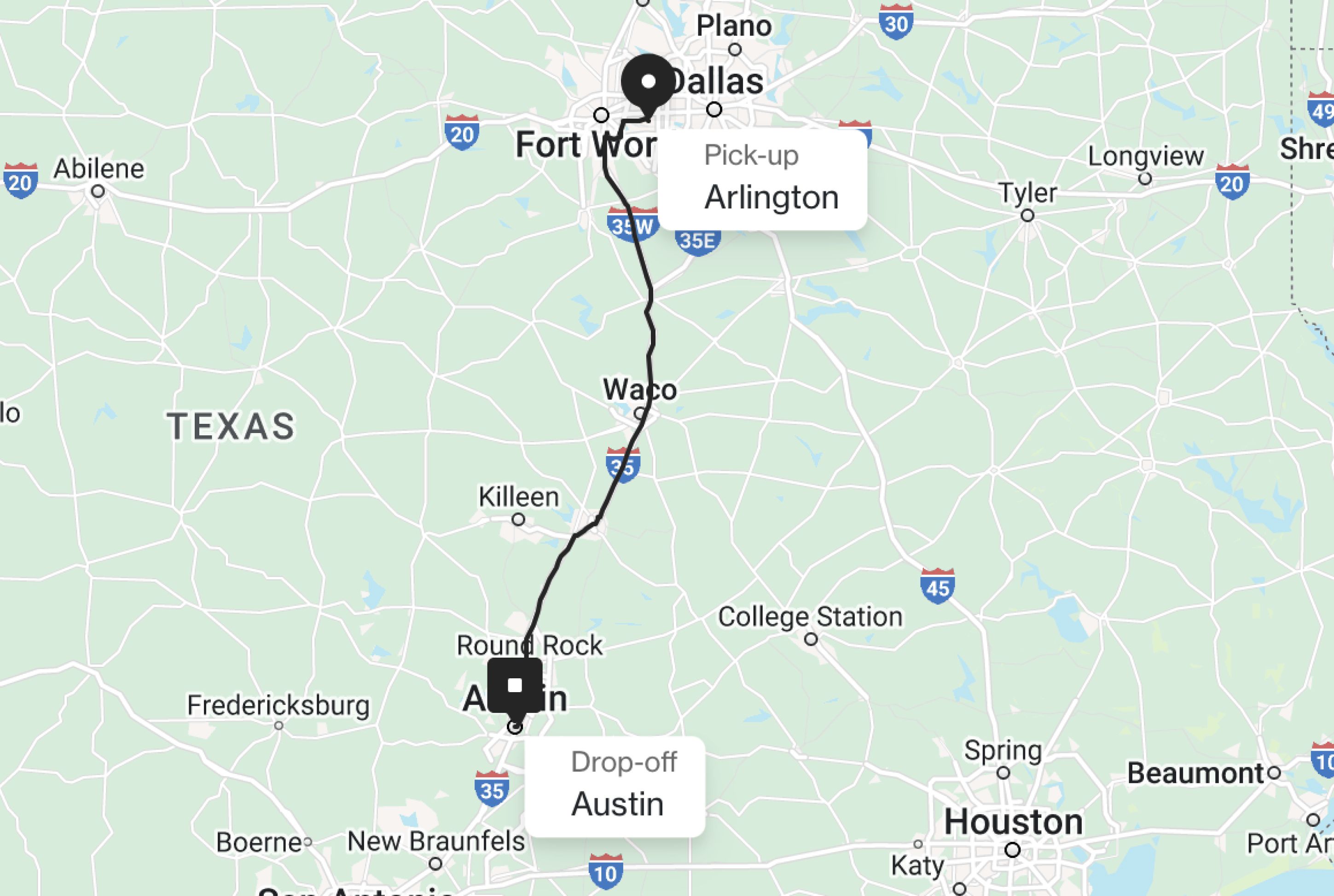
The geographic adjacency fosters a strong economic interdependence. Many residents of Arlington commute to jobs in Dallas, and vice versa. This daily flow of people contributes to the economic vitality of both cities. For businesses, it means access to a larger talent pool and a broader customer base. For travelers, it signifies a unified metropolitan experience where the distinct offerings of each city are readily accessible, creating a dynamic and comprehensive destination. The short distance transforms what could be a barrier into an opportunity for enriched exploration and convenience.
LifeOutOfTheBox is a participant in the Amazon Services LLC Associates Program, an affiliate advertising program designed to provide a means for sites to earn advertising fees by advertising and linking to Amazon.com. Amazon, the Amazon logo, AmazonSupply, and the AmazonSupply logo are trademarks of Amazon.com, Inc. or its affiliates. As an Amazon Associate we earn affiliate commissions from qualifying purchases.