
Texas, the second-largest state in the United States, is a vast landscape of diverse cities, each with its own unique charm and character. Among its most prominent urban centers are Dallas and Austin, two vibrant hubs that, while distinct in their appeal, are frequently visited by both locals and tourists. Whether you’re planning a business trip, a weekend getaway, or simply exploring the Lone Star State, understanding the proximity and travel options between these two dynamic cities is key to a seamless travel experience.
Dallas, a modern metropolis renowned for its sophisticated arts scene, upscale dining, and booming economy, stands in stark contrast to Austin, often dubbed the “Live Music Capital of the World,” known for its eclectic vibe, outdoor activities, and progressive culture. Despite their differences, the journey between them is a common route for many, prompting the perennial question: “How far is Dallas, Texas from Austin?” This comprehensive guide will not only answer that question but also delve into the various ways to traverse this route, highlight what makes each city a must-visit destination, and offer practical tips for planning your Texas adventure.
The Journey: Unpacking the Distance and Travel Options
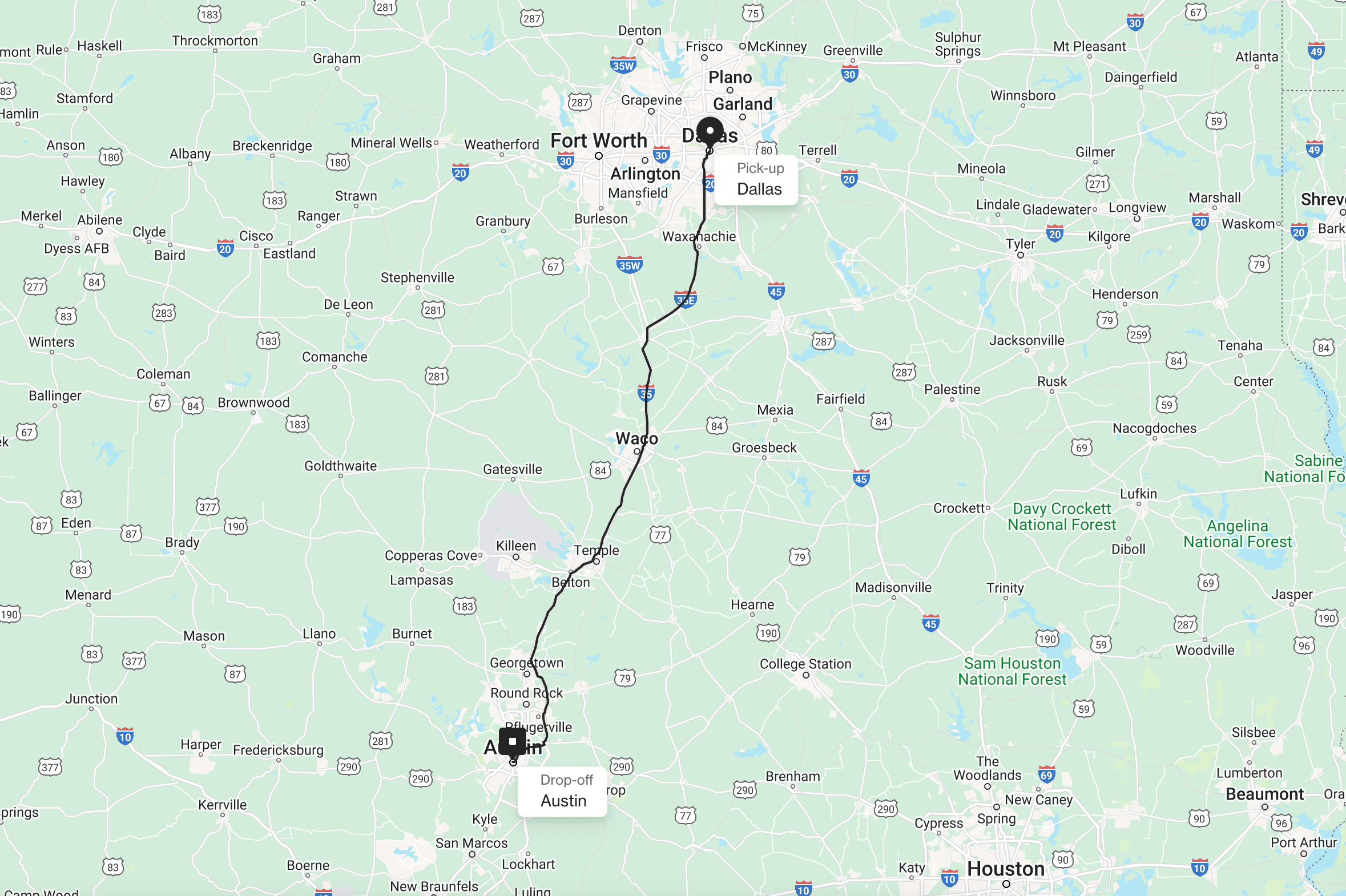
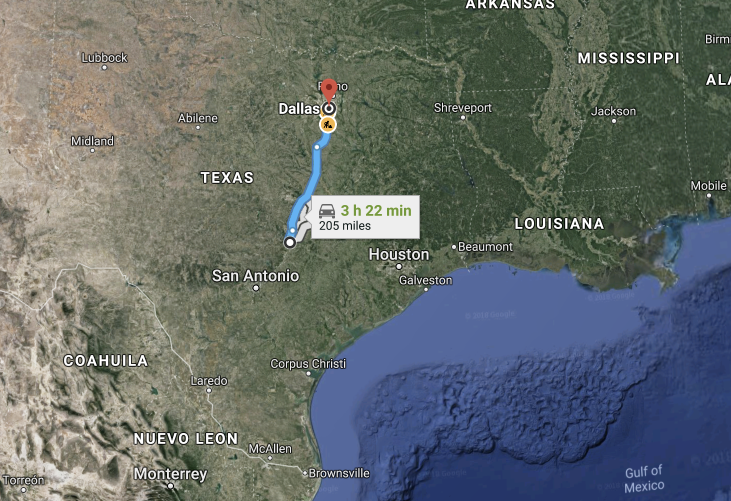
The distance between Dallas and Austin is relatively manageable, making it a popular inter-city route. Approximately 195 to 200 miles separate the two, depending on your exact starting and ending points within each metropolitan area. This distance translates to a diverse array of travel methods, each offering its own blend of convenience, cost, and comfort.
By Road: The Classic Texas Road Trip
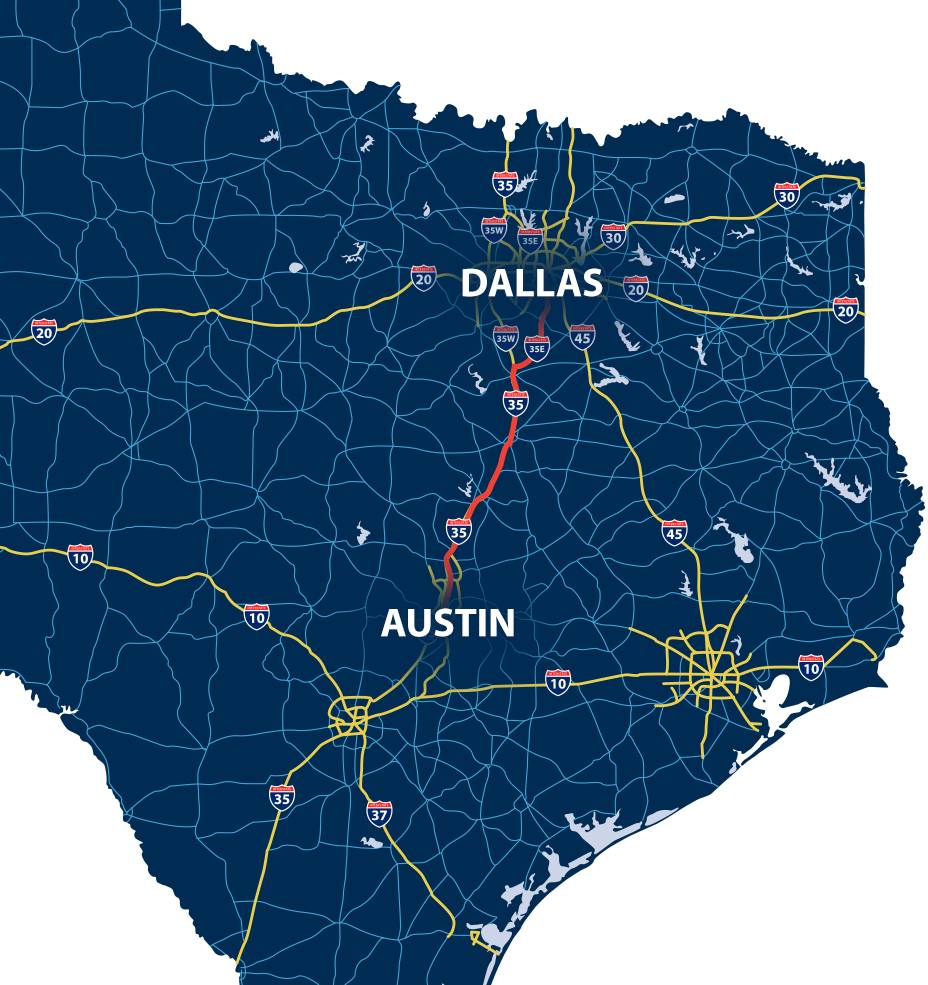
For many, the quintessential Texas experience involves hitting the open road, and the drive between Dallas and Austin perfectly encapsulates this. The primary route is via Interstate 35 (I-35), a major artery that connects many of Texas’s largest cities.
Driving Time: Under normal traffic conditions, the drive typically takes about 3 to 3.5 hours. However, it’s crucial to account for potential traffic, especially when traveling during peak hours or holidays. Construction zones along I-35 are also frequent, which can add significant delays. Planning your drive for off-peak times (mid-morning or late evening) can help mitigate this.
Road Trip Stops: The journey along I-35 offers opportunities for charming detours. The city of Waco, roughly halfway between Dallas and Austin, is a popular stop. Here, you can visit Magnolia Market at the Silos, a famous attraction for fans of home decor and design. Waco also offers other points of interest like the Dr Pepper Museum and the Baylor University campus. A quick stop in Waco can break up the drive and add a unique flavor to your journey.
Alternative Routes: Buses, Trains, and Planes
For those who prefer not to drive, or who are looking for more economical or luxurious options, there are several alternatives.
-
Bus Services: Intercity bus lines like Greyhound and Megabus offer frequent, affordable connections between Dallas and Austin. These services typically take 4 to 5 hours, factoring in stops and potential transfers. While less flexible than driving, they offer a comfortable and cost-effective way to travel, especially for solo adventurers or budget-conscious travelers. Many modern buses offer amenities like Wi-Fi and power outlets, making the journey productive or relaxing.
-
Train Services: Amtrak provides train service between Dallas and Austin via its Texas Eagle route. While trains offer a scenic and relaxed travel experience, they are generally less frequent and often take longer than driving, typically around 6-7 hours. This option is best suited for those who prioritize comfort and the unique experience of train travel over speed. Amtrak offers a chance to unwind, enjoy the passing Texas countryside, and avoid the stresses of driving or airport security.
-
Flights: For the fastest option, flying is available, although it usually requires a connection. Dallas is served by two major airports: Dallas/Fort Worth International Airport (DFW) and Dallas Love Field. Austin has Austin-Bergstrom International Airport. Direct flights are rare, meaning you’ll likely connect through another Texas city like Houston or San Antonio. The actual flight time is short, usually around 1 hour, but when factoring in airport transfers, check-in, security, and potential layovers, the total travel time can easily exceed 4-5 hours, often making it comparable to or even longer than driving, and generally more expensive. This option is primarily beneficial if you’re connecting from a longer flight or prioritizing maximum speed with ample budget. Airlines like Southwest Airlines and American Airlines operate these routes.
Discovering Dallas: A Metropolis of Culture and Commerce
Dallas, the heart of the Dallas/Fort Worth Metroplex, is a city that blends Southern charm with metropolitan sophistication. It’s a hub for business, fashion, and the arts, offering a myriad of experiences for any traveler.
Top Attractions and Landmarks
The city boasts numerous landmarks and attractions that showcase its rich history and modern vibrancy:
- Sixth Floor Museum at Dealey Plaza: Located in the former Texas School Book Depository, this poignant museum chronicles the assassination and legacy of President John F. Kennedy. It’s a somber but essential visit for understanding a pivotal moment in American history.
- Dallas Arts District: As one of the largest urban arts districts in the nation, it’s home to architectural marvels and world-class institutions like the Dallas Museum of Art, the Nasher Sculpture Center, and the Winspear Opera House.
- Klyde Warren Park: An innovative urban deck park built over a freeway, offering a green oasis with food trucks, free fitness classes, and family-friendly activities, connecting the Arts District with the Uptown neighborhood.
- Reunion Tower: An iconic Dallas landmark with a distinctive geodesic sphere, offering panoramic views of the city skyline from its observation deck.
- Dallas World Aquarium: A unique attraction that combines an aquarium with a zoo, featuring a diverse collection of marine life and exotic animals from around the world.
Where to Stay and Dine
Dallas offers a wide array of accommodation options, from luxurious hotels to chic boutique stays. For upscale travelers, The Ritz-Carlton, Dallas and Hotel Crescent Court in Uptown provide unparalleled service and amenities. The trendy The Joule downtown is a favorite for its art collection and rooftop pool. Accommodation in Dallas caters to every budget and lifestyle, from luxury hotels to more affordable options.
The culinary scene in Dallas is equally impressive. You can savor authentic Texas BBQ, explore diverse international cuisines, or indulge in fine dining experiences in neighborhoods like Uptown, the Bishop Arts District, and Deep Ellum. Dallas is also famous for its Tex-Mex and steakhouses, reflecting its rich culinary heritage.
Exploring Austin: The Live Music Capital of the World
Journey south to Austin, and you’ll encounter a city that proudly champions its unofficial motto: “Keep Austin Weird.” This vibrant capital is celebrated for its live music scene, outdoor recreation, and a laid-back, progressive atmosphere.
Must-See Sights and Vibrant Experiences
Austin’s unique blend of nature and culture offers an abundance of attractions:
- Texas State Capitol: An architectural masterpiece, taller than the U.S. Capitol, offering free tours that delve into Texas history and politics. Its grounds are perfect for a leisurely stroll.
- Zilker Park and Barton Springs Pool: A sprawling urban park featuring acres of green space, botanical gardens, and the natural spring-fed Barton Springs Pool, a beloved year-round swimming spot.
- South Congress Avenue (SoCo): A lively street known for its eclectic shops, vintage boutiques, vibrant murals, food trailers, and numerous live music venues. It’s the perfect place for people-watching and soaking in Austin’s unique vibe.
- Live Music Venues: Explore the famous Sixth Street for late-night entertainment, or Rainey Street for a more relaxed bar experience in historic bungalow homes. Countless other venues across the city ensure that music is always in the air.
- Lady Bird Lake: Offering a plethora of outdoor activities like kayaking, paddleboarding, and a popular hiking and biking trail. Come evening, gather at the Ann W. Richards Congress Avenue Bridge (often called simply Congress Avenue Bridge) to witness the spectacular flight of millions of bats at dusk.
Accommodation and Culinary Delights
Austin’s accommodation scene ranges from luxurious downtown hotels to quirky boutique stays. Popular choices include the Hotel Van Zandt and W Austin for a high-end experience, or the Hyatt Regency Austin for stunning lake views. Many unique boutique hotels and vacation rentals can be found around South Congress for a truly local feel.
The food scene in Austin is legendary. It’s a paradise for foodies, particularly famous for its food trucks, Tex-Mex cuisine, and world-renowned barbecue joints like Franklin Barbecue (be prepared for a long wait, but many say it’s worth it!). From upscale dining to casual eateries, Austin’s culinary landscape is as diverse and exciting as its music scene.
Planning Your Texas Adventure: Tips for Every Traveler
Whether your journey is strictly business or purely for pleasure, a trip between Dallas and Austin offers a spectrum of experiences. Effective planning can enhance your travel and ensure you make the most of your time in these dynamic cities.
Choosing Your Travel Style
Considering your reasons for traveling will help tailor your trip:
- Business vs. Leisure: If you’re on a business trip, proximity to convention centers or business districts will be a priority for your accommodation. Both cities have excellent facilities. For leisure, focus on hotels near major attractions or vibrant neighborhoods.
- Family Trips: Look for hotels with amenities like pools or family suites. Dallas offers family-friendly attractions like the Perot Museum of Nature and Science and Six Flags Over Texas in nearby Arlington. Austin’s parks, Barton Springs Pool, and kid-friendly food trucks are also big hits.
- Budget vs. Luxury: Both cities cater to all price points. Luxury hotels and fine dining are plentiful, but so are budget-friendly accommodations, delicious street food, and free attractions like parks and public art. Websites specializing in accommodation booking can help compare options.
Making the Most of Your Visit
- Best Time to Visit: Spring (March to May) and Fall (September to November) offer the most pleasant weather for exploring Texas, avoiding the intense summer heat and potential winter chill. These seasons are ideal for outdoor activities and attending festivals.
- Book in Advance: Especially for popular times or events (like SXSW in Austin or the State Fair of Texas in Dallas), hotels, flights, and even popular restaurant reservations should be secured well in advance. Utilizing accommodation comparison tools can help you find the best deals.
- Explore Local Tourism Guides: Local tourism boards and websites often provide up-to-date information on events, special offers, and hidden gems. Many travel guides are also available covering specific destinations or experiences.
In conclusion, the distance between Dallas, Texas, and Austin is a manageable journey of approximately 200 miles, easily covered by car in a few hours. Whether you choose the scenic route, a convenient bus, a leisurely train ride, or a quick flight, connecting these two distinct Texas cities is straightforward. Each city offers a rich tapestry of culture, history, entertainment, and culinary delights, promising a memorable experience for every kind of traveler. So, pack your bags, choose your mode of transport, and embark on an unforgettable adventure across the diverse landscapes of the Lone Star State.
LifeOutOfTheBox is a participant in the Amazon Services LLC Associates Program, an affiliate advertising program designed to provide a means for sites to earn advertising fees by advertising and linking to Amazon.com. Amazon, the Amazon logo, AmazonSupply, and the AmazonSupply logo are trademarks of Amazon.com, Inc. or its affiliates. As an Amazon Associate we earn affiliate commissions from qualifying purchases.