
Planning a journey across the vast expanse of Texas often involves understanding the distances between its major metropolises. For those looking to traverse the Lone Star State, the question of how far Dallas, Texas is from El Paso, Texas is a fundamental one. This distance not only dictates travel time but also influences the logistics of a road trip, the feasibility of a quick business trip, or simply the appreciation of the sheer scale of the state.
The Driving Distance: A Direct Route
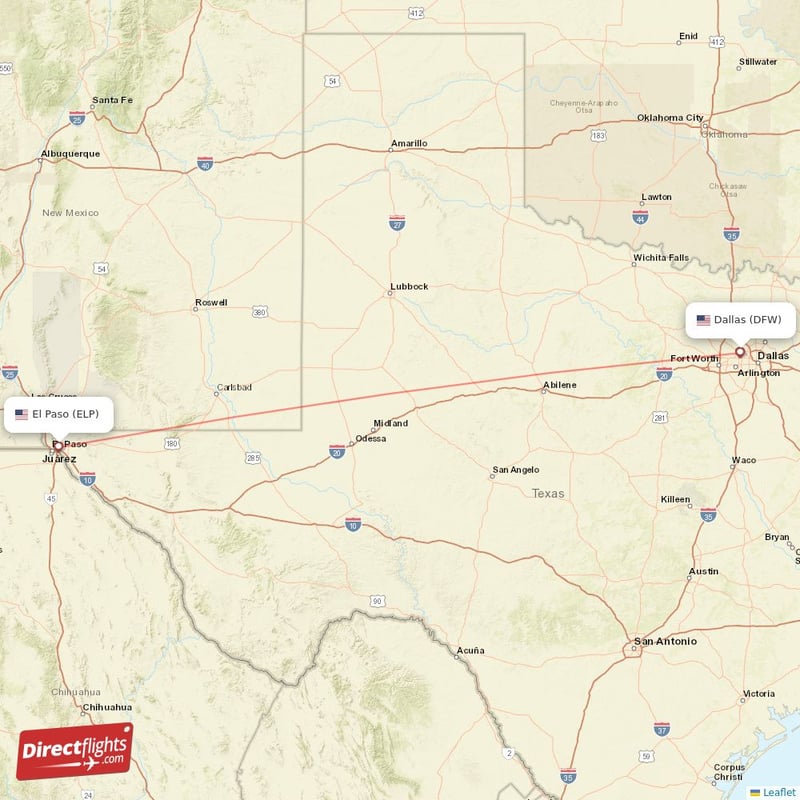
The most common way to cover the expanse between Dallas and El Paso is by car. The primary route typically involves heading west on Interstate 20 (I-20) and then transitioning to U.S. Highway 285 (US-285) south, eventually merging with U.S. Highway 62 (US-62) and then Interstate 10 (I-10) west into El Paso.
Estimating Driving Time
The driving distance between Dallas and El Paso is approximately 600 to 630 miles, depending on the exact starting and ending points within each city and the specific route taken. This substantial mileage translates into a significant driving time.
- Uninterrupted Driving: Under ideal conditions, with minimal traffic, no construction delays, and no extended stops, the drive can take around 9 to 10 hours. This figure assumes consistent adherence to speed limits and efficient refueling.
- Realistic Travel: In reality, a trip of this length almost always necessitates at least one overnight stop. Factors such as daylight driving preferences, the need for rest breaks, and the desire to break up the journey make a single-day drive challenging for most travelers. Therefore, planning for a two-day trip is highly recommended for a more comfortable and safe experience.
Key Roadways and Considerations
Navigating this route involves traversing a significant portion of West Texas. The landscape changes dramatically as you move west, transitioning from the rolling plains and denser populated areas around Dallas to the arid, mountainous terrain characteristic of the region surrounding El Paso.
- I-20 West: This major interstate serves as the initial artery, carrying travelers across a considerable stretch of the state. It passes through various Texas towns and cities, offering opportunities for quick stops.
- US-285 South: This highway is crucial for connecting the I-20 corridor to the I-10 corridor that leads to El Paso. Be aware that sections of US-285 can be more rural, with fewer services, so planning fuel stops is important.
- I-10 West: The final leg of the journey sees travelers merge onto I-10, the primary east-west interstate that runs through the southern United States. This interstate is well-maintained and provides direct access into El Paso.
Stops Along the Way
For those undertaking this journey, strategic stopping points can enhance the travel experience and break up the long hours behind the wheel.
- Abilene, Texas: Located roughly halfway between Dallas and El Paso via I-20, Abilene offers numerous hotels and dining options, making it a popular choice for an overnight stay. The city also boasts several attractions, including the Frontier Texas! museum for a taste of Western history.
- Midland/Odessa, Texas: Further west on I-20, these companion cities are centers of the oil industry and provide ample accommodation and services. They are slightly beyond the halfway point but still a viable option for a first-day stop.
- Fort Stockton, Texas: Situated at the junction of I-10 and US-67, Fort Stockton is a key service town for travelers heading both east and west. It’s a convenient place to refuel and find lodging before the final push towards El Paso.
- Van Horn, Texas: Closer to El Paso, Van Horn is a smaller town that offers basic amenities and is often the last significant stop before reaching the border city.
Alternative Travel: Flying Between Dallas and El Paso
For travelers prioritizing speed and convenience, flying is the most practical option. Both Dallas and El Paso are served by major airports, facilitating direct or connecting flights.
Airport Information

- Dallas/Fort Worth International Airport (DFW): This is one of the busiest airports in the world and serves as a major hub for American Airlines. It offers numerous daily flights to El Paso International Airport (ELP).
- Dallas Love Field (DAL): Primarily served by Southwest Airlines, Love Field also provides flights to El Paso.
- El Paso International Airport (ELP): Located northeast of downtown El Paso, ELP is served by several major airlines with connections to various cities, including Dallas.
Flight Duration and Logistics
- Flight Time: The direct flight time between Dallas and El Paso is typically around 1 hour and 45 minutes to 2 hours.
- Total Travel Time: When accounting for travel to and from the airports, check-in procedures, security screening, boarding, and baggage claim, the total travel time for a flight can often equate to a significant portion of a driving day, sometimes reaching 4-6 hours door-to-door.
- Cost Considerations: Flight prices can vary significantly based on booking time, airline, and season. While often more expensive than driving, especially for groups, it offers a substantial time saving.
The Train and Bus Experience
While less common for this specific route due to the distances involved, train and bus travel are technically options.
Amtrak Service
Amtrak operates long-distance routes across Texas. However, there is no direct train service connecting Dallas and El Paso. Passengers would typically need to travel south to San Antonio or Austin to connect with the Sunset Limited route, which serves El Paso. This would involve significant transfers and a much longer journey time, likely extending to over 24 hours.
Bus Services
Intercity bus services, such as Greyhound, also operate routes across Texas. Similar to train travel, a direct route is unlikely, and a journey would involve transfers and a considerable duration, often exceeding 12-15 hours, making it less appealing than driving or flying for most travelers.
Understanding the Geography and Climate
The vast distance between Dallas and El Paso is not just about mileage; it’s also about traversing distinct geographical and climatic zones within Texas.
- Dallas: Located in North Texas, Dallas experiences a humid subtropical climate with hot summers and mild winters. The landscape is characterized by rolling prairies.
- El Paso: Situated in the far western tip of Texas, El Paso has an arid desert climate. It’s characterized by hot, dry summers and mild winters, with significant temperature swings between day and night. The city is nestled at the base of the Franklin Mountains, offering a dramatic desert backdrop.
The transition between these two environments is a key part of the overland journey, highlighting the diverse natural beauty of Texas.
Planning Your Trip: Essential Considerations
When planning travel between Dallas and El Paso, several factors should be taken into account to ensure a smooth and enjoyable experience.
- Time of Year: The weather can significantly impact your travel plans. Summer months in both cities are very hot, making driving more strenuous. Spring and fall generally offer more pleasant temperatures for road trips. Winter can bring occasional ice or fog to the Dallas area, while El Paso experiences milder winters.
- Vehicle Maintenance: For drivers, ensuring your vehicle is in good condition is paramount. Check tires, brakes, fluids, and air conditioning, especially if traveling during warmer months. Carrying an emergency kit is also advisable.
- Accommodation: If driving, book accommodations in advance, particularly during peak travel seasons or holidays. Popular stopping points like Abilene or Fort Stockton have a range of hotels to suit different budgets.
- Hydration and Supplies: For the drive, particularly through West Texas, carrying ample water and snacks is crucial. Services can be sparse in some stretches.
- Navigation: While GPS is readily available, having a physical map or downloaded offline maps can be helpful in areas with limited cell service.
Understanding the distance and the various travel options is the first step in appreciating the vastness and diversity of Texas. Whether you choose the scenic route by car or the swiftness of air travel, the journey from Dallas to El Paso offers a unique perspective on the Lone Star State.
LifeOutOfTheBox is a participant in the Amazon Services LLC Associates Program, an affiliate advertising program designed to provide a means for sites to earn advertising fees by advertising and linking to Amazon.com. Amazon, the Amazon logo, AmazonSupply, and the AmazonSupply logo are trademarks of Amazon.com, Inc. or its affiliates. As an Amazon Associate we earn affiliate commissions from qualifying purchases.