
Embarking on a journey from the bustling metropolis of Dallas, Texas to the rugged, sun-drenched landscapes of El Paso, Texas is a classic Texas road trip, a grand traverse across a state known for its vastness. The distance between these two iconic cities, while significant, offers a remarkable opportunity to explore the diverse tapestry of Texas itself, from its vibrant urban centers to its awe-inspiring natural wonders and rich cultural heritage. Whether you’re a seasoned traveler or planning your first major excursion within the Lone Star State, understanding the distance and what lies between these points is crucial for crafting an unforgettable adventure.
This extensive journey, spanning hundreds of miles, is more than just a measurement of asphalt and time; it’s an invitation to discover the heart of Texas. From the shimmering skyscrapers of Dallas to the majestic Franklin Mountains of El Paso, the route unveils a compelling narrative of the state’s history, its people, and its captivating geography. This article will delve into the specifics of the travel distance, explore the various modes of transportation available, and highlight the incredible attractions and experiences that await you along this memorable Texas corridor. Prepare to be informed, inspired, and ready to plan your own epic voyage from the heart of North Texas to its western frontier.
The Driving Distance and Time: Navigating the Texas Expanse
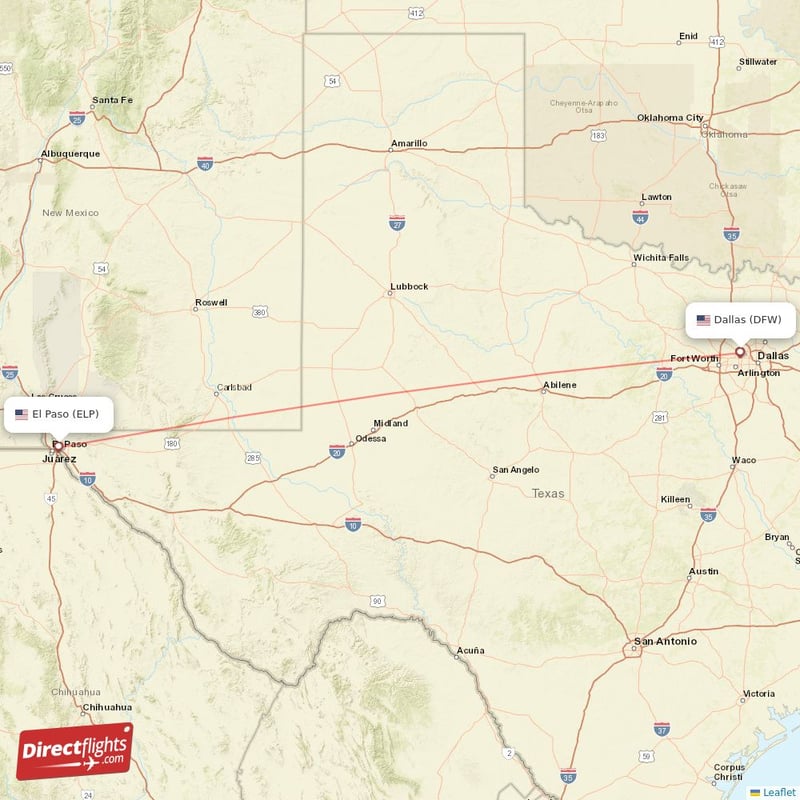
The most common and often preferred method of traversing the considerable distance between Dallas, Texas and El Paso, Texas is by car. This allows for the greatest flexibility in terms of stops, exploration, and embracing the full scope of the Texan landscape. The primary route, typically utilizing Interstate 20 West, stretches for approximately 590 to 600 miles. This figure can vary slightly depending on the exact starting and ending points within each city and minor deviations on the route.
Estimating Travel Time on the Road
When considering the driving time, it’s essential to account for more than just the mileage. While a direct, uninterrupted drive might clock in at around 8 to 9 hours, this is an optimistic projection that rarely materializes for most travelers. Traffic congestion, particularly when leaving the Dallas-Fort Worth metroplex or approaching El Paso, can add considerable time. Furthermore, the allure of the journey itself often dictates a more leisurely pace.
For those aiming to make good progress, a realistic travel plan often involves breaking the drive into segments. Many travelers opt to stop overnight in a city roughly halfway, such as Abilene, Texas or Midland, Texas. This approach not only makes the drive more manageable but also provides opportunities to explore smaller Texan towns and their unique offerings. By dividing the journey into two days, each leg becomes approximately 4 to 5 hours of driving, allowing for restful evenings and more relaxed mornings.
Factors Influencing Your Journey
Several factors can significantly influence the actual time taken for this drive. Weather conditions are a prime consideration. Texas weather can be unpredictable, with thunderstorms, high winds, and even occasional ice or snow in certain seasons that can slow down travel. It’s always advisable to check the weather forecast before and during your trip.
Additionally, road construction and detours are common on such long stretches of highway. Keeping an eye on real-time traffic updates via GPS navigation apps can help you avoid major delays. Finally, the frequency and duration of your stops for fuel, food, and rest will naturally add to the overall travel time. A well-planned itinerary that includes planned stops for attractions along the way can transform the journey from a mere transit into an enriching experience.
Exploring the Route: Attractions Between Dallas and El Paso
The expansive distance between Dallas and El Paso is not an empty void; it’s a vibrant corridor teeming with diverse attractions that cater to a wide array of interests. The journey along Interstate 20 West and its connecting highways offers a fascinating glimpse into the varied landscapes and cultural mosaic of Texas. From historical landmarks and natural wonders to quirky roadside attractions and burgeoning culinary scenes, there’s ample opportunity to break up the drive and create lasting memories.
Historical Echoes and Natural Wonders
As you depart the DFW metroplex, your journey will guide you through the heart of North Texas, transitioning into the West Texas plains. One of the first significant historical points of interest is the city of Abilene, Texas. Known as the “Key City of West Texas,” Abilene boasts the Dwight D. Eisenhower Presidential Library, Museum, and Boyhood Home, a must-visit for history buffs. Further west, the city of Midland, Texas, steeped in the oil industry history of the region, offers attractions like the Midland RockHounds Baseball Stadium for sports enthusiasts, and the Permian Basin Petroleum Museum, which chronicles the region’s economic engine.
As you press westward, the landscape begins to subtly change, becoming more arid and dramatic, foreshadowing the beauty of the El Paso region. Big Spring, Texas offers a glimpse into a classic West Texas town with its historic downtown and the natural beauty of Big Spring State Park, which provides panoramic views of the surrounding area.
Cultural Crossroads and Culinary Delights
The further west you travel, the more pronounced the influence of Hispanic culture becomes, a rich precursor to the unique identity of El Paso. Cities like San Angelo, Texas, although slightly off the most direct route, are known for their vibrant arts scene and the historic Fort Concho National Historic Landmark.
Throughout your journey, be sure to sample the local Texan cuisine. From classic barbecue joints in the eastern parts of the route to hearty, home-style cooking in the smaller towns, and the emerging flavors influenced by the border region as you approach El Paso, each meal can be an adventure. Look for opportunities to try authentic Tex-Mex dishes, a staple in West Texas, featuring vibrant spices and fresh ingredients.
Nature’s Grandeur and Artistic Expression
While the direct route might bypass some of Texas’s most famous state parks, there are still opportunities to connect with nature. As you get closer to El Paso, the landscape transforms into rugged desert terrain. Guadalupe Mountains National Park, though requiring a significant detour north of the I-10, is a spectacular destination for hiking and exploring the highest peak in Texas, Guadalupe Peak. Even if a detour isn’t feasible, the scenic beauty of the West Texas desert along the highway itself is captivating, especially during sunrise and sunset when the colors are most vibrant.
Alternative Modes of Transportation: Flights and Buses
While driving offers unparalleled freedom, other transportation methods are available for the journey between Dallas, Texas and El Paso, Texas, catering to different travel preferences and time constraints.
Flying: The Fastest Route
For those prioritizing speed and efficiency, flying is the most direct option. Both Dallas/Fort Worth International Airport (DFW) and Dallas Love Field Airport (DAL) offer regular commercial flights to El Paso International Airport (ELP). The flight duration itself is typically around 1 hour and 30 minutes to 1 hour and 45 minutes.
However, it’s crucial to factor in the total travel time associated with flying. This includes getting to the airport, check-in procedures, security screening, boarding, the flight itself, deplaning, and then collecting baggage and arranging transportation from El Paso International Airport to your final destination. When all these elements are considered, the total door-to-door time can easily rival or even exceed a portion of the driving time, especially if there are delays. Nevertheless, for travelers who wish to minimize their time spent in transit, flying remains the most expedient choice.
Bus Travel: A Budget-Conscious Option
For budget-conscious travelers, bus services provide an economical way to travel between Dallas, Texas and El Paso, Texas. Companies like Greyhound operate routes connecting these two cities. The journey by bus is considerably longer than driving or flying, typically taking between 10 to 13 hours, depending on the specific route, the number of stops, and potential delays.
While the extended travel time may not be ideal for everyone, bus travel offers a stress-free alternative for those who prefer not to drive or who are looking to save on travel expenses. Passengers can relax, read, or enjoy the passing scenery without the responsibilities of navigating or managing a vehicle. The bus services usually drop passengers off at central terminals in both Dallas and El Paso, providing a convenient starting or ending point for their onward journeys. It’s always recommended to book bus tickets in advance, especially during peak travel seasons, to secure the best fares and seating.
Preparing for Your Arrival in El Paso
Regardless of how you choose to reach El Paso, Texas, understanding the city’s unique characteristics is key to a fulfilling visit. El Paso is a city rich in culture, deeply influenced by its border location with Ciudad Juárez, Mexico. This proximity creates a vibrant fusion of traditions, cuisines, and languages that is palpable throughout the city.
Accommodation and Lifestyle Considerations
When planning your stay in El Paso, a wide range of accommodation options are available. From luxurious resorts offering stunning desert views to comfortable hotels and more budget-friendly apartments for extended stays, El Paso caters to various traveler needs and lifestyles. Consider staying near the Franklin Mountains State Park for easy access to hiking and outdoor activities, or opt for a hotel in the downtown area for proximity to cultural attractions and dining.
Embracing the Local Experience
El Paso offers a wealth of activities and attractions that showcase its distinct character. Explore the historic San Jacinto Plaza, visit the iconic El Paso Mission Trail, and ascend to the Scenic Drive Overlook for breathtaking panoramic views of the city, the Rio Grande Valley, and the distant mountains. The culinary scene is a highlight, with opportunities to savor authentic Mexican and Tex-Mex flavors, from street tacos to fine dining. Engaging with the local culture, whether through visiting museums, attending festivals, or simply interacting with residents, will undoubtedly enrich your experience in this captivating border city.
LifeOutOfTheBox is a participant in the Amazon Services LLC Associates Program, an affiliate advertising program designed to provide a means for sites to earn advertising fees by advertising and linking to Amazon.com. Amazon, the Amazon logo, AmazonSupply, and the AmazonSupply logo are trademarks of Amazon.com, Inc. or its affiliates. As an Amazon Associate we earn affiliate commissions from qualifying purchases.