
Embarking on a journey through the heart of Texas often leads travelers to the vibrant expanse of the Dallas-Fort Worth Metroplex, commonly known as DFW. While many perceive Dallas and Fort Worth as a single, sprawling urban entity, they are, in fact, two distinct cities, each boasting its unique character, history, and array of attractions. The question, “How far is Dallas, Texas to Fort Worth, Texas?” is more than just a query about mileage; it’s an invitation to explore the close-knit yet wonderfully diverse experiences that define this iconic Texas region. Whether you’re a first-time visitor eager to soak in the local culture, a business traveler seeking efficient transit, or a family planning an unforgettable trip, understanding the proximity and connectivity between these twin cities is key to unlocking an enriching travel experience.
The Dynamic Duo: Understanding the Dallas-Fort Worth Metroplex
The Dallas-Fort Worth Metroplex isn’t just a collection of suburbs; it’s a testament to urban development, cultural preservation, and economic dynamism. Despite their distinct identities, the two cities are inextricably linked, forming one of the largest metropolitan areas in the United States. This unique relationship means that while they offer different flavors of the Texas experience, they are easily accessible from one another, making it convenient for visitors to explore the best of both worlds.
The Geographical Proximity and Travel Time
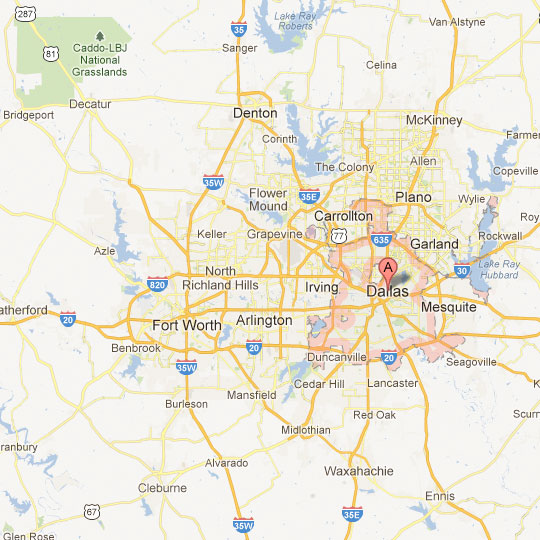
At its core, the distance between downtown Dallas and downtown Fort Worth is approximately 30 to 35 miles (48 to 56 kilometers). This relatively short distance translates into a manageable travel time, largely depending on the mode of transportation and current traffic conditions.
By car, the journey typically takes anywhere from 35 to 50 minutes without heavy traffic. During peak hours, however, this can easily extend to an hour or more, highlighting the importance of planning your commute strategically. The primary artery connecting the two cities is Interstate 30 (I-30), a major highway that directly links the urban cores. Other routes, such as I-35W (which runs north-south through Fort Worth and connects to I-30) offer alternative pathways.
Public transportation also plays a crucial role in bridging the gap. The Trinity Railway Express (TRE), a commuter rail line, provides a comfortable and efficient connection between downtown Dallas and downtown Fort Worth, with several stops along the way. The train journey typically takes about 50 to 60 minutes, offering a stress-free alternative to driving, especially for those who prefer to avoid traffic and parking.
More Than Just Miles: A Tale of Two Cities
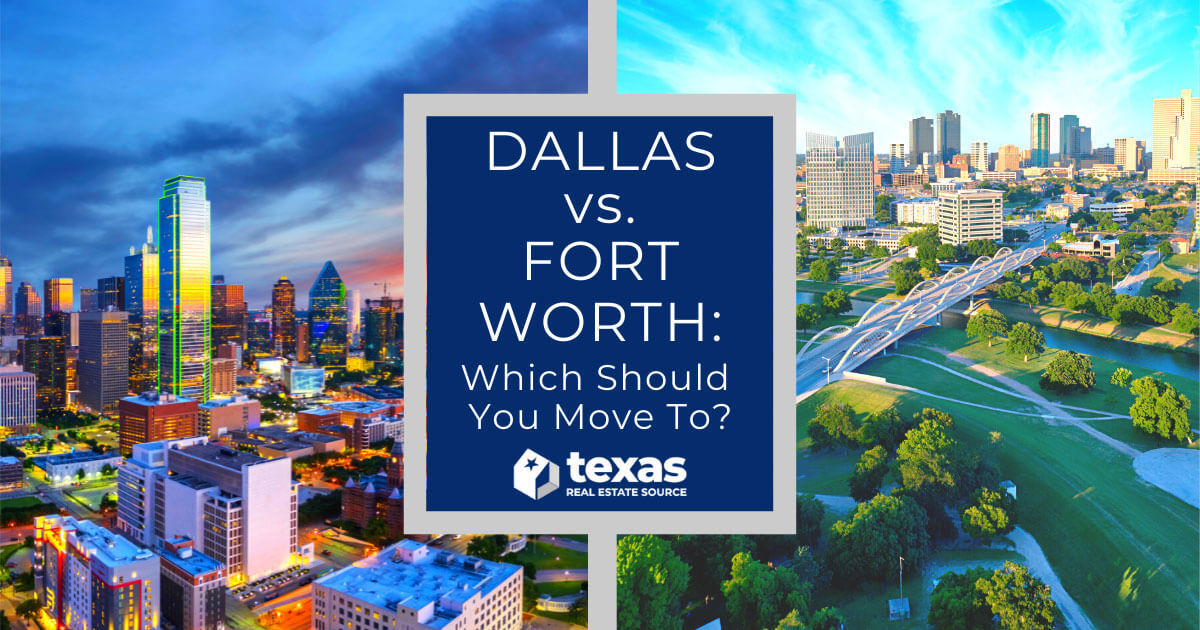
The short distance between Dallas and Fort Worth belies the significant cultural differences that define each city. Dallas is often characterized as a modern, cosmopolitan hub, renowned for its gleaming skyscrapers, thriving business districts, upscale shopping, and a sophisticated arts and culinary scene. It embodies the fast-paced, ambitious spirit of a global city, attracting visitors interested in high fashion, diverse dining, and contemporary cultural experiences. The city’s skyline is iconic, and its numerous museums and galleries offer world-class artistic endeavors.
Fort Worth, on the other hand, embraces its “Where the West Begins” moniker with pride. It offers a more relaxed, authentic Texas experience, steeped in cowboy heritage and Western charm. Visitors to Fort Worth can expect to find historic cattle drives, rodeos, and a strong sense of community that harks back to its frontier roots. While it also boasts a vibrant arts and food scene, it does so with a distinctly Texan flair, focusing on local traditions and a welcoming, laid-back atmosphere. This fascinating dichotomy makes the Dallas-Fort Worth Metroplex an endlessly engaging destination for any traveler.
Navigating Your Journey Between Dallas and Fort Worth
With the cities being so close, visitors have a plethora of options for traveling between Dallas and Fort Worth, catering to various preferences and budgets. Understanding these transportation methods is crucial for an efficient and enjoyable itinerary.
Driving: The Most Flexible Option
For many, driving remains the preferred method of travel within the Dallas-Fort Worth Metroplex due to its flexibility and convenience. Renting a car at one of the major airports, such as Dallas/Fort Worth International Airport (DFW) or Dallas Love Field (DAL), allows travelers to set their own schedule and explore at their leisure.
The primary route is I-30, which is a straightforward drive. However, like any major metropolitan area, traffic can be a significant factor, especially during weekday rush hours (typically 6:30 AM to 9:00 AM and 4:00 PM to 6:30 PM). It’s advisable to check real-time traffic updates using navigation apps before heading out. Another consideration for drivers is the extensive toll road system in Texas. Many major highways and express lanes are toll-based, so having a TollTag or being prepared for “Pay By Mail” options is important. Parking is generally available in both downtown areas, though it can vary in cost. Ride-sharing services like Uber and Lyft are also readily available, offering a convenient alternative to driving yourself, particularly for evenings out.
Public Transportation: Efficient and Stress-Free
For those who prefer to avoid the hassle of driving and parking, the public transportation network offers excellent options. The Trinity Railway Express (TRE) is the cornerstone of intercity travel, connecting Dallas Union Station in downtown Dallas to the Fort Worth T&P Station and Fort Worth Central Station in downtown Fort Worth. The TRE operates on weekdays and Saturdays, providing a comfortable and reliable service. Tickets can be purchased at stations, and day passes are often available, offering good value for exploring both cities.
Once in Dallas, the Dallas Area Rapid Transit (DART) system provides extensive coverage via light rail and bus routes, allowing easy access to popular attractions, neighborhoods, and accommodation options. In Fort Worth, the Trinity Metro (formerly Fort Worth Transportation Authority, FWTA) operates bus services that connect key areas, including the Cultural District and the Stockyards National Historic District. Utilizing public transit is not only eco-friendly but also offers a chance to experience the cities like a local, observing daily life as you travel.
Air Travel: For Broader Connectivity
While not directly connecting Dallas and Fort Worth to each other for local travel, the region is served by two major airports that are vital for broader connectivity: Dallas/Fort Worth International Airport (DFW) and Dallas Love Field (DAL).
DFW is one of the busiest airports in the world, serving as a major hub for American Airlines and offering extensive domestic and international flights. It is conveniently located roughly equidistant from both downtown Dallas and downtown Fort Worth, making it an ideal entry point for visitors to the Metroplex. From DFW, travelers can access both cities via taxi, ride-sharing, shuttle services, or by connecting to the DART Rail Orange Line (to Dallas) or Trinity Metro’s Route 30 (to Fort Worth).
Dallas Love Field (DAL), located closer to downtown Dallas, is primarily served by Southwest Airlines and offers numerous domestic flights. It’s a popular choice for those traveling within the United States and aiming for quicker access to Dallas proper. From DAL, the DART Love Link 524 connects passengers to the DART Rail Green Line and Orange Line, providing convenient onward travel.
Exploring the Richness of Dallas and Fort Worth: Beyond the Commute
The short distance between Dallas and Fort Worth means that exploring the highlights of both cities within a single trip is not just feasible, but highly recommended for a comprehensive Texas experience. Each city offers a distinct set of landmarks, cultural experiences, culinary delights, and lifestyle opportunities.
Dallas: A Hub of Modernity and Culture
Dallas stands as a beacon of modern Texas, blending sophisticated urban living with a vibrant cultural scene. Its landmarks are often reflections of its economic power and artistic ambition.
- Landmarks & Attractions: A visit to The Sixth Floor Museum at Dealey Plaza offers a poignant historical experience, detailing the assassination of President John F. Kennedy. The Dallas Arts District is a cultural jewel, home to institutions like the Dallas Museum of Art, the Nasher Sculpture Center, and the Winspear Opera House, showcasing impressive architecture and world-class collections. For a breath of fresh air amidst the skyscrapers, Klyde Warren Park offers a green oasis with daily activities and food trucks, built over a freeway. The iconic Reunion Tower provides breathtaking panoramic views of the city skyline, especially stunning at sunset.
- Food & Lifestyle: Dallas’ culinary scene is incredibly diverse, ranging from upscale fine dining in Uptown to casual eateries in Deep Ellum, known for its live music and vibrant nightlife. Shopping enthusiasts will find their paradise at destinations like NorthPark Center, an award-winning mall featuring luxury brands and art installations. The city caters to a wide array of lifestyles, from luxury travelers seeking opulent experiences to business travelers looking for top-tier amenities, and families exploring interactive museums.
Fort Worth: Where the West Begins
Fort Worth offers a compelling contrast to Dallas, immersing visitors in the rich heritage of the American West while also embracing contemporary arts and entertainment.
- Landmarks & Attractions: The Fort Worth Stockyards National Historic District is an absolute must-visit. Here, you can witness the twice-daily cattle drive, experience a rodeo at the Cowtown Coliseum, and dance the night away at Billy Bob’s Texas, the world’s largest honky-tonk. The Fort Worth Cultural District is another gem, boasting architecturally significant museums like the Kimbell Art Museum, the Amon Carter Museum of American Art, and the Modern Art Museum of Fort Worth. For shopping, dining, and entertainment, Sundance Square in downtown Fort Worth offers a lively atmosphere with historic architecture.
- Food & Lifestyle: Fort Worth’s culinary scene focuses on authentic Texan cuisine, from legendary steakhouses to Tex-Mex delights. The city’s relaxed atmosphere is perfect for those seeking a laid-back travel experience, whether enjoying a craft beer in a local brewery or exploring unique boutiques in the Stockyards. Family trips often gravitate towards the Fort Worth Zoo or the Botanical Research Institute of Texas. Fort Worth offers a compelling blend of history, culture, and genuine Western hospitality.
Accommodation and Travel Tips for Your DFW Adventure
Planning your accommodation and understanding practical travel tips can significantly enhance your experience in the Dallas-Fort Worth Metroplex, ensuring a smooth and memorable journey.
Choosing Your Stay: Hotels, Resorts, and More
Both Dallas and Fort Worth offer a vast array of accommodation options, catering to every budget and preference, from luxurious resorts to cozy boutique hotels and practical extended-stay apartments.
- Dallas Options: In Dallas, luxury travelers can indulge in five-star experiences at establishments like The Ritz-Carlton, Dallas or Hotel Crescent Court, offering exquisite suites, world-class dining, and premium amenities. Boutique hotels such as The Joule provide unique design and personalized service. Business travelers will find numerous hotels in the Downtown and Uptown areas with excellent meeting facilities. For budget-conscious travelers or families, there are plenty of mid-range hotels and vacation rentals offering comfortable stays without breaking the bank. Consider extended-stay apartments or villas for longer visits, especially around the Uptown or Knox-Henderson areas, providing more space and kitchen facilities.
- Fort Worth Options: Fort Worth also boasts a diverse lodging landscape. For a touch of historic elegance, The Worthington Renaissance Fort Worth Hotel in Sundance Square is a classic choice. To fully immerse in the Western theme, Hotel Drover, Autograph Collection in the Stockyards National Historic District offers a luxurious, rustic-chic experience complete with authentic Texas hospitality and unique amenities. The Cultural District also features hotels close to museums. Many hotels cater to families, offering pools and convenient access to attractions. For longer stays, serviced apartments are becoming increasingly popular.
When choosing accommodation, consider your primary activities. If you plan to spend more time exploring the arts and nightlife, staying in Dallas’ Arts District or Uptown might be ideal. If the Western heritage and a more relaxed pace appeal, a hotel near Fort Worth’s Stockyards or Sundance Square would be perfect.

Essential Travel Tips for the Dallas-Fort Worth Metroplex
To maximize your travel experience in the Dallas-Fort Worth Metroplex, keep these practical tips in mind:
- Planning is Key: Decide which city’s vibe resonates more with you or if you want to split your time equally. Booking accommodation and popular attraction tickets in advance, especially during peak seasons or major events, is highly recommended.
- Transportation Savvy: If driving, consider purchasing a TollTag for seamless travel on toll roads. For public transport, look into day passes for the DART and Trinity Metro systems, as they often provide cost savings. Utilizing the TRE for intercity travel can save time and stress.
- Combine Experiences: Don’t be afraid to mix and match. Start your day with a morning visit to the Kimbell Art Museum in Fort Worth’s Cultural District, then hop on the TRE for an evening of fine dining and a show in downtown Dallas.
- Embrace Local Culture and Cuisine: Texas food is a highlight. In Dallas, explore diverse international cuisines and trendy eateries. In Fort Worth, be sure to try authentic barbecue and Tex-Mex. Engage with locals – their hospitality is legendary.
- Consider a City Pass: For visitors planning to hit multiple attractions, a Dallas CityPASS or similar discount passes can offer significant savings on entrance fees.
- Weather Awareness: Texas summers can be intensely hot, while winters are generally mild. Pack accordingly, and always stay hydrated. The best times to visit are generally spring (March to May) and fall (September to November) for comfortable temperatures.
In conclusion, the distance between Dallas and Fort Worth is remarkably negligible when weighed against the wealth of experiences each city offers. This close proximity transforms the Dallas-Fort Worth Metroplex into a single, compelling travel destination, allowing visitors to effortlessly transition between the sophisticated urban allure of Dallas and the authentic Western charm of Fort Worth. Whether you’re planning a luxurious getaway, a budget-friendly adventure, a family vacation, or a crucial business trip, the DFW Metroplex promises an unforgettable journey filled with diverse culture, world-class landmarks, and unparalleled Texan hospitality.
LifeOutOfTheBox is a participant in the Amazon Services LLC Associates Program, an affiliate advertising program designed to provide a means for sites to earn advertising fees by advertising and linking to Amazon.com. Amazon, the Amazon logo, AmazonSupply, and the AmazonSupply logo are trademarks of Amazon.com, Inc. or its affiliates. As an Amazon Associate we earn affiliate commissions from qualifying purchases.