
Embarking on a journey between two of Texas‘s most vibrant metropolises, Dallas and Houston, is a common undertaking for many travelers, business professionals, and residents alike. Understanding the distance, optimal travel methods, and the unique experiences each leg of the journey offers is crucial for a seamless and enjoyable trip. This exploration delves into the geographical realities, practicalities of transit, and the anticipation of arriving at your destination, whether it’s the bustling urban core of Dallas or the sprawling energy of Houston.
The Direct Route: Distance and Driving Time
The most straightforward way to traverse the expanse between Dallas and Houston is by road. The distance, while substantial, is well within the capabilities of a single day’s drive, making it a popular choice for those who prefer the flexibility and autonomy of their own vehicle.
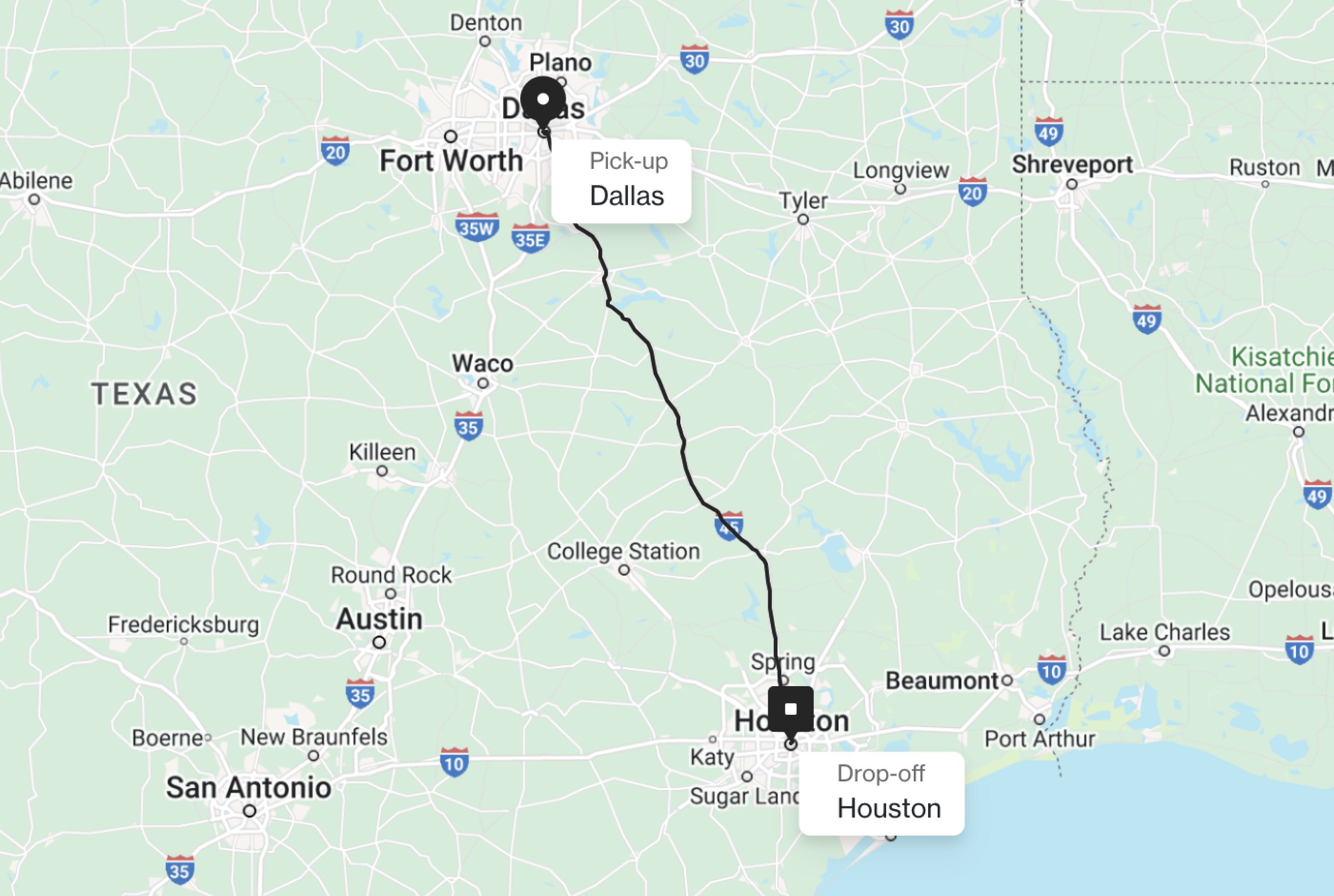
Measuring the Miles
The direct driving distance between Dallas and Houston typically clocks in at approximately 235 to 240 miles, depending on the specific starting and ending points within each city and the exact route taken. This figure represents the most common and efficient pathways, primarily utilizing major interstate highways.
Navigating the Highways
The predominant route for this journey is via Interstate 45 South (I-45 S). This highway serves as a vital artery connecting North Texas to the Gulf Coast. The drive from Dallas typically begins on I-35E South or I-35W South, which merge into I-35 South before connecting to I-45 South near Hillsboro. This seamless transition onto I-45 S guides travelers directly towards Houston.
An alternative, though often slightly longer, route involves taking U.S. Route 75 South out of Dallas towards Corsicana, then connecting to State Highway 287 South and subsequently merging onto I-45 South further down. While this may add a few miles, it can sometimes offer a change of scenery or be a viable option during periods of heavy traffic on the most direct path.
Estimating Travel Time
Under ideal conditions, with minimal traffic congestion and adhering to speed limits, the driving time between Dallas and Houston can range from 3.5 to 4.5 hours. However, it is crucial to factor in variables that can significantly extend this duration. Texas highways, especially near major urban centers like Dallas and Houston, are prone to traffic jams. Morning and evening rush hours can add considerable time, potentially doubling the commute if encountered at their peak. Weekend travel, particularly around holidays or major events, can also lead to slower speeds and increased journey times. Therefore, planning to depart outside of peak commuting hours is highly advisable for a more predictable travel experience. Many travelers opt for an early morning departure to bypass Dallas rush hour or aim for an afternoon arrival to miss Houston‘s evening congestion.
Beyond the Wheel: Alternative Transportation Options
While driving remains the most popular method, other transportation alternatives offer distinct advantages, catering to different preferences and needs for this intercity travel.
Flying: The Swift Solution
For those prioritizing speed and efficiency, air travel presents a compelling option. Dallas is served by two major airports: Dallas/Fort Worth International Airport (DFW), one of the busiest airports in the world, and Dallas Love Field (DAL), which primarily handles Southwest Airlines flights. Houston is also well-equipped with air transport hubs, including George Bush Intercontinental Airport (IAH), the city’s largest airport, and William P. Hobby Airport (HOU), which also serves a significant number of domestic routes.
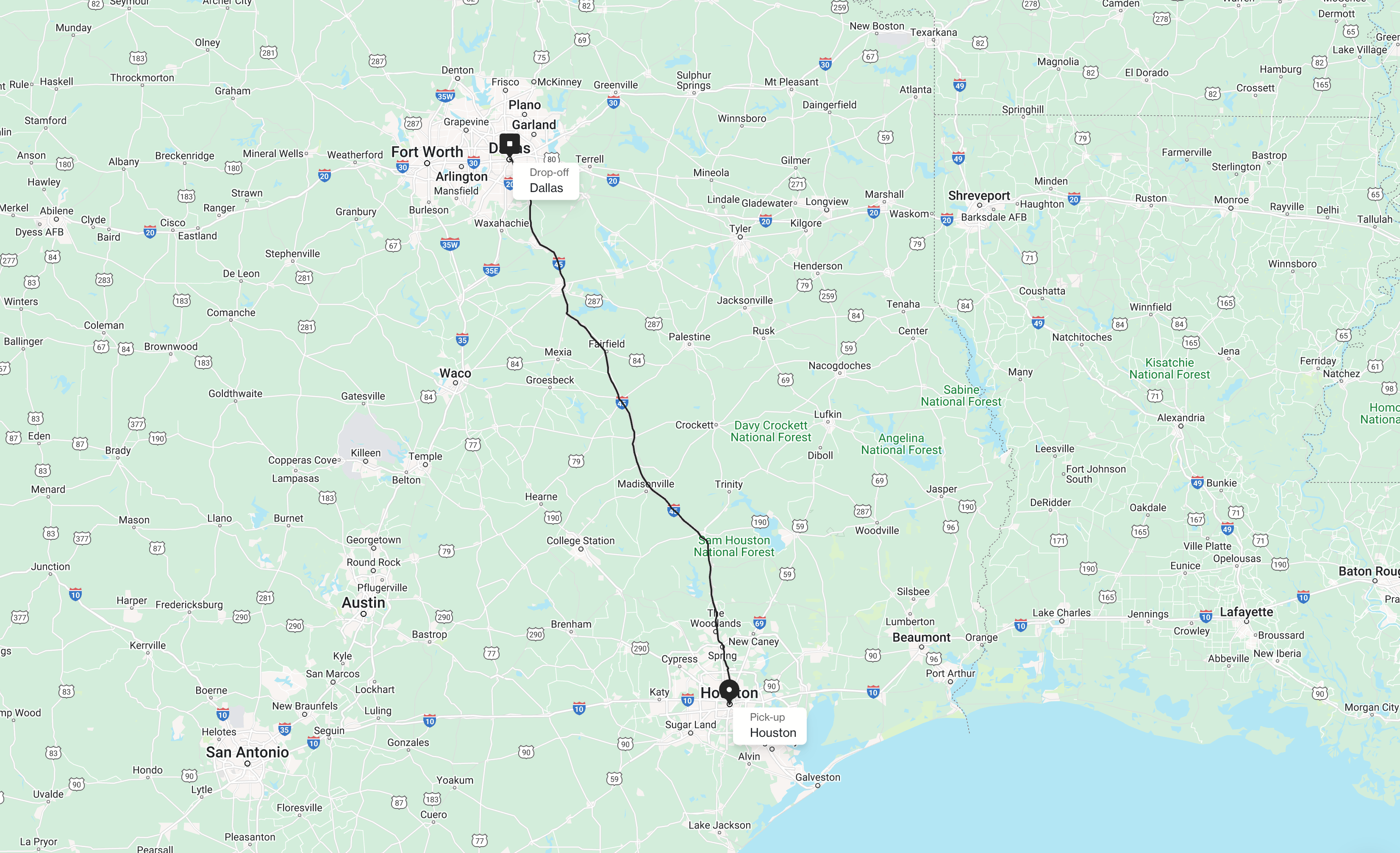
Numerous daily flights connect these Texas cities, with flight times typically lasting around 1 hour. When factoring in travel to and from airports, security checks, and boarding procedures, the total door-to-door time for air travel can often be comparable to or slightly longer than driving, depending on the proximity of your origin and destination to the respective airports. However, for travelers looking to maximize their time at their destination or cover the distance with minimal personal effort, flying is an excellent choice. The convenience of arriving refreshed and ready to engage with your Houston activities is a significant draw.
Intercity Buses: A Budget-Conscious Choice
Intercity bus services offer a more economical alternative to driving or flying. Companies such as Greyhound and FlixBus operate regular routes between Dallas and Houston. These services are ideal for budget travelers, students, or those who prefer not to drive long distances.
Bus journeys typically take between 4.5 to 6 hours, depending on the number of stops and traffic conditions. While longer than flying or driving non-stop, buses provide an opportunity to relax, catch up on work, or enjoy the passing scenery without the stress of navigation. Many modern buses are equipped with amenities such as Wi-Fi and power outlets, making the journey more comfortable. The arrival points are usually centrally located within each city, offering convenient access to local public transportation or ride-sharing services.
Train Travel: A Scenic and Relaxing Journey
The Amtrak train service offers another mode of transport between Dallas and Houston. The route typically operates under the name Texas Eagle, which runs daily. This option appeals to travelers who appreciate a more relaxed and scenic journey.
The train journey is generally longer than driving or flying, often taking around 6 to 7 hours. However, the experience is far from just transit. Amtrak trains provide comfortable seating, the ability to walk around, and dining car services, allowing passengers to truly unwind. The views from the train can offer a unique perspective on the Texas landscape. While perhaps not the fastest, it is an undeniably comfortable and enjoyable way to travel for those who have the time and desire for a more leisurely experience. It’s an excellent choice for those who want to avoid traffic and airport hassles while still having the ability to move around and enjoy the ride.
Preparing for Your Texas Transit
Regardless of your chosen mode of transportation, a little preparation can significantly enhance your travel experience between Dallas and Houston.
Vehicle Check and Planning for Drivers
For those opting to drive, a pre-trip vehicle inspection is paramount. Checking tire pressure, oil levels, and ensuring all lights and wipers are functional can prevent unexpected issues on the road. Familiarizing yourself with the chosen route using GPS or mapping apps is also wise. It’s also beneficial to pre-download offline maps in case of spotty cell service. Packing snacks, water, and entertainment for the journey can make the drive more pleasant. Planning rest stops at well-lit and safe locations is also a good practice, especially for longer drives.
Travel Considerations for Air and Bus Passengers
For air travelers, booking flights in advance is usually recommended to secure the best fares. Arriving at the airport with ample time for check-in and security is crucial, especially at large hubs like DFW. For bus travelers, checking schedules and booking tickets online can often provide discounts. Familiarizing yourself with the boarding procedures and baggage allowances of your chosen bus company is also important. Ensuring your mobile devices are charged and bringing a portable charger can be a lifesaver on longer journeys.

Embracing the Journey
The distance between Dallas and Houston is more than just a number; it represents the diverse landscapes and distinct urban identities of Texas. Whether you’re driving through rolling hills and small towns, soaring above the clouds, or settling in for a comfortable bus or train ride, each method offers a unique perspective on the Lone Star State. By understanding the distances, travel times, and available options, you can plan a journey that aligns perfectly with your travel style and itinerary, ensuring a smooth and enjoyable transition from the heart of North Texas to the vibrant energy of the Gulf Coast.
LifeOutOfTheBox is a participant in the Amazon Services LLC Associates Program, an affiliate advertising program designed to provide a means for sites to earn advertising fees by advertising and linking to Amazon.com. Amazon, the Amazon logo, AmazonSupply, and the AmazonSupply logo are trademarks of Amazon.com, Inc. or its affiliates. As an Amazon Associate we earn affiliate commissions from qualifying purchases.