
Embarking on a journey from the vibrant metropolis of Miami Florida to the iconic shores of Daytona Florida is a quintessential Florida experience, whether for leisure, business, or exploration. This trip connects two distinct facets of the Sunshine State, each offering unique attractions and atmospheres. Understanding the distance, travel time, and various transportation options is crucial for planning a seamless and enjoyable expedition. This guide delves into everything you need to know to navigate the distance between these two prominent Florida cities.
The Core Question: Distance and Travel Time
The fundamental step in planning any trip is to ascertain the distance and the expected duration of the journey. While maps provide a static measure, real-world travel involves dynamic factors that can significantly influence your experience.

Unveiling the Distance
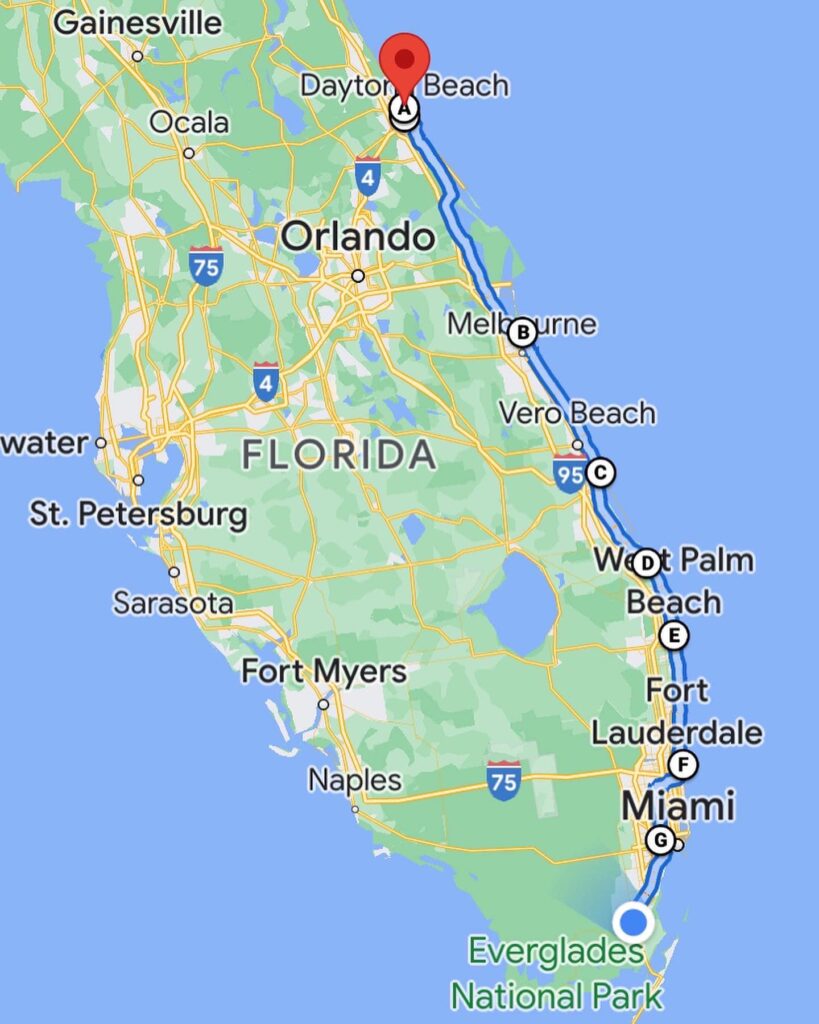
The distance between Miami and Daytona typically ranges between 250 and 260 miles (approximately 400 to 418 kilometers), depending on your precise starting point in Miami and your exact destination within Daytona. For instance, traveling from Downtown Miami to the heart of Daytona Beach will hover around the 255-mile mark. This distance makes the journey manageable within a single day of travel, provided you plan your stops and departure times effectively. It’s a significant enough distance to warrant careful consideration of your mode of transport and route choice.
Estimating Travel Time
When driving, the journey between Miami and Daytona typically takes between 4 to 5 hours under ideal conditions. “Ideal conditions” imply minimal traffic, no major road construction, and limited stops. However, several factors can extend this estimate:
- Traffic Congestion: Florida’s major highways, especially Interstate 95 (I-95), can experience heavy traffic, particularly during rush hours in metropolitan areas like Fort Lauderdale and West Palm Beach, or around holidays and special events.
- Road Construction: Ongoing infrastructure projects are common, potentially leading to lane closures, detours, and reduced speeds.
- Weather Conditions: Heavy rain, fog, or even tropical storms can reduce visibility and necessitate slower driving speeds, adding to the travel time.
- Rest Stops: Whether for fuel, food, or stretching your legs, planned or unplanned stops will naturally increase the total time spent traveling. It’s advisable to factor in at least one 30-minute stop for a journey of this length.
For an accurate real-time estimate, always consult GPS applications like Google Maps or Waze just before your departure and periodically throughout your trip.
Navigating the Sunshine State: Your Route Options
Travelers have a few primary routes to choose from when traversing Florida from south to north. Each offers a distinct experience, balancing speed, scenery, and tolls.
The Most Direct Path: I-95 North
The overwhelming majority of travelers opt for Interstate 95 (I-95) as their preferred route. This major highway stretches along Florida’s east coast, offering the most direct and generally the fastest connection between Miami and Daytona.
- Pros: It’s a straightforward route with clear signage, well-maintained lanes, and numerous service plazas, gas stations, and dining options along the way. You’ll pass through or near coastal cities like Fort Lauderdale, West Palm Beach, Port St. Lucie, Melbourne, and Cocoa Beach.
- Cons: Due to its popularity, I-95 can become heavily congested, especially during peak travel times, holidays, and weekends. Traffic near urban centers can significantly slow down your journey.
The Scenic Alternative: US-1 Coastal Drive
For those not in a hurry and looking to savor Florida’s charming coastal towns and ocean views, US Route 1 (US-1) offers a more leisurely alternative. This route roughly parallels I-95 but runs closer to the shoreline.
- Pros: US-1 allows travelers to experience a different side of Florida. You’ll drive through quaint towns, often with direct access to local shops, unique restaurants, and less-crowded beaches. Cities like Vero Beach and New Smyrna Beach offer opportunities for charming detours. It’s ideal for those who prefer to stop frequently and explore.
- Cons: Traveling on US-1 will significantly increase your travel time due to lower speed limits, numerous traffic lights, and frequent stops in populated areas. It is not recommended if speed is a priority.
The Inland Option: Florida’s Turnpike
Florida’s Turnpike presents another viable option, especially if I-95 is experiencing severe congestion. This route runs further inland and is a toll road.
- Pros: Generally, the Turnpike experiences less traffic than I-95 and has higher speed limits, which can sometimes result in a slightly faster journey, especially when bypassing urban coastal sprawl. The road quality is excellent.
- Cons: You will incur tolls, so it’s essential to have a SunPass transponder or be prepared for cash lanes (though many toll points are now electronic only). The scenery is less coastal and more agricultural or suburban, and you will eventually need to merge back onto I-95 or use other local roads to reach Daytona.
Choosing Your Journey: Transportation Methods
While driving is the most common way to travel between Miami and Daytona, other transportation methods offer varying degrees of convenience, cost, and speed.
Driving: The Most Popular Choice
The flexibility and independence offered by driving make it the preferred option for many. Whether in your own vehicle or a rental, you control your schedule, stops, and luggage.
- Flexibility: Stop wherever and whenever you want. Explore hidden gems, take scenic detours, or simply pull over for a quick meal.
- Cost: While you’ll pay for gas and potentially tolls, driving can be more economical for groups or families compared to multiple individual plane or train tickets. Rental cars are readily available in Miami.
- Considerations: Ensure your vehicle is in good condition for the journey. Factor in fuel costs and the need for a SunPass for toll roads. Be aware of speed limits and drive defensively, especially on busy highways.
Bus Services: Economical and Convenient
For budget-conscious travelers or those who prefer not to drive, intercity bus services provide a viable option. Companies like Greyhound and FlixBus offer routes connecting Miami to Daytona.
- Travel Time: Bus journeys are typically longer than driving, often taking 5.5 to 7 hours due to scheduled stops and varying routes.
- Pros: It’s an affordable way to travel, allows you to relax or work during the journey, and eliminates the stress of driving and parking.
- Cons: Less flexibility in schedule and stops, luggage limits may apply, and the overall journey can feel longer for some travelers.
Air Travel: Quickest but Less Direct
While air travel is generally the fastest way to cover long distances, flying directly between Miami and Daytona is rarely straightforward.
- Airports: You would typically depart from Miami International Airport (MIA) or Fort Lauderdale-Hollywood International Airport (FLL) and arrive at Daytona Beach International Airport (DAB).
- Direct Flights: Direct flights between these two cities are uncommon. Most itineraries would involve a layover, often in a hub like Atlanta or Charlotte, or require flying into Orlando International Airport (MCO) and then driving the remaining approximately 60 miles to Daytona.
- Overall Travel Time: While the flight time itself is short (less than an hour), the total travel time, including airport transfers, check-in, security, potential layovers, and ground transportation at your destination, often makes flying a less efficient option than driving for this specific route.
- Pros: If you find a rare direct flight or have specific reasons to fly (e.g., connecting from an international flight), it offers speed and comfort.
- Cons: Often more expensive than driving, less convenient due to transfers and airport procedures, and requires additional ground transportation at both ends.
Train Travel: A Scenic Alternative
Train travel offers a comfortable and often scenic way to traverse Florida, though direct routes to Daytona are limited.
- Providers: Amtrak offers service in Florida, with routes like the Silver Star or Silver Meteor that can take you from Miami to cities like DeLand, which is about 25 miles west of Daytona.
- Brightline: Brightline now connects Miami to Orlando with high-speed rail, offering a premium travel experience. From Orlando, you would still need to arrange ground transportation to Daytona. While fast and comfortable between the major cities, the need for onward travel adds to the total time.
- Pros: Spacious seating, ability to walk around, often offers dining cars, and can be a relaxing way to travel without the stresses of driving.
- Cons: Longer overall journey times compared to driving directly, limited direct access to Daytona requiring additional transfers, and schedules may not always align perfectly with your plans.
Making the Most of the Trip: Stops and Considerations
A road trip from Miami to Daytona can be more than just a commute; it can be an integral part of your travel experience. Strategic planning and a few tips can enhance your journey.
Recommended Rest Stops and Attractions
While the primary goal is often to reach your destination efficiently, incorporating a well-timed stop can rejuvenate drivers and passengers alike. Along I-95, you’ll find plenty of opportunities:
- Service Plazas: Numerous plazas offer fuel, restrooms, and fast food.
- Coastal Towns: If taking US-1 or willing to make a slight detour from I-95, consider a stop in Fort Pierce for the Manatee Observation and Education Center or St. Lucie Inlet Preserve State Park for a brief encounter with Florida’s natural beauty.
- Space Coast: A slight detour near Titusville could lead you to the Kennedy Space Center Visitor Complex, a fascinating attraction for all ages, though this would add significant time to your trip.
- Local Eateries: Research roadside diners or cafes in towns along your chosen route for a more authentic culinary experience than typical highway chains.
Best Times to Travel
Timing your journey can significantly impact your experience, especially concerning traffic.
- Avoid Peak Hours: For I-95, try to avoid traveling through major metropolitan areas (like Miami, Fort Lauderdale, West Palm Beach) during weekday rush hours (typically 6:00 AM – 9:00 AM and 4:00 PM – 7:00 PM).
- Weekends and Holidays: Traffic tends to be heavier on Fridays, Sundays, and during long holiday weekends. Special events in either city, such as the Daytona 500, can also cause significant delays.
- Early Morning Departures: Leaving Miami very early in the morning (e.g., before 6:00 AM) often provides the clearest roads and allows you to cover much of the distance before traffic builds.
Essential Travel Tips
A little preparation goes a long way in ensuring a smooth trip.
- Navigation Apps: Utilize real-time navigation apps like Google Maps or Waze for up-to-the-minute traffic updates and alternative route suggestions.
- Vehicle Check: Before departing, perform a quick check of your tires (including pressure), oil, and fluid levels.
- Hydration and Snacks: Keep water and snacks easily accessible to avoid unnecessary stops.
- Toll Transponder: If planning to use Florida’s Turnpike or other toll roads, ensure you have a SunPass transponder to avoid higher cash rates or mailed toll charges.
- Entertainment: Prepare playlists, podcasts, or audiobooks for entertainment, especially if traveling with passengers.
Why Make the Journey? Understanding Each Destination
The journey itself is often driven by the attractions and purposes at either end. Miami and Daytona each hold distinct appeal for various travelers.
The Allure of Miami
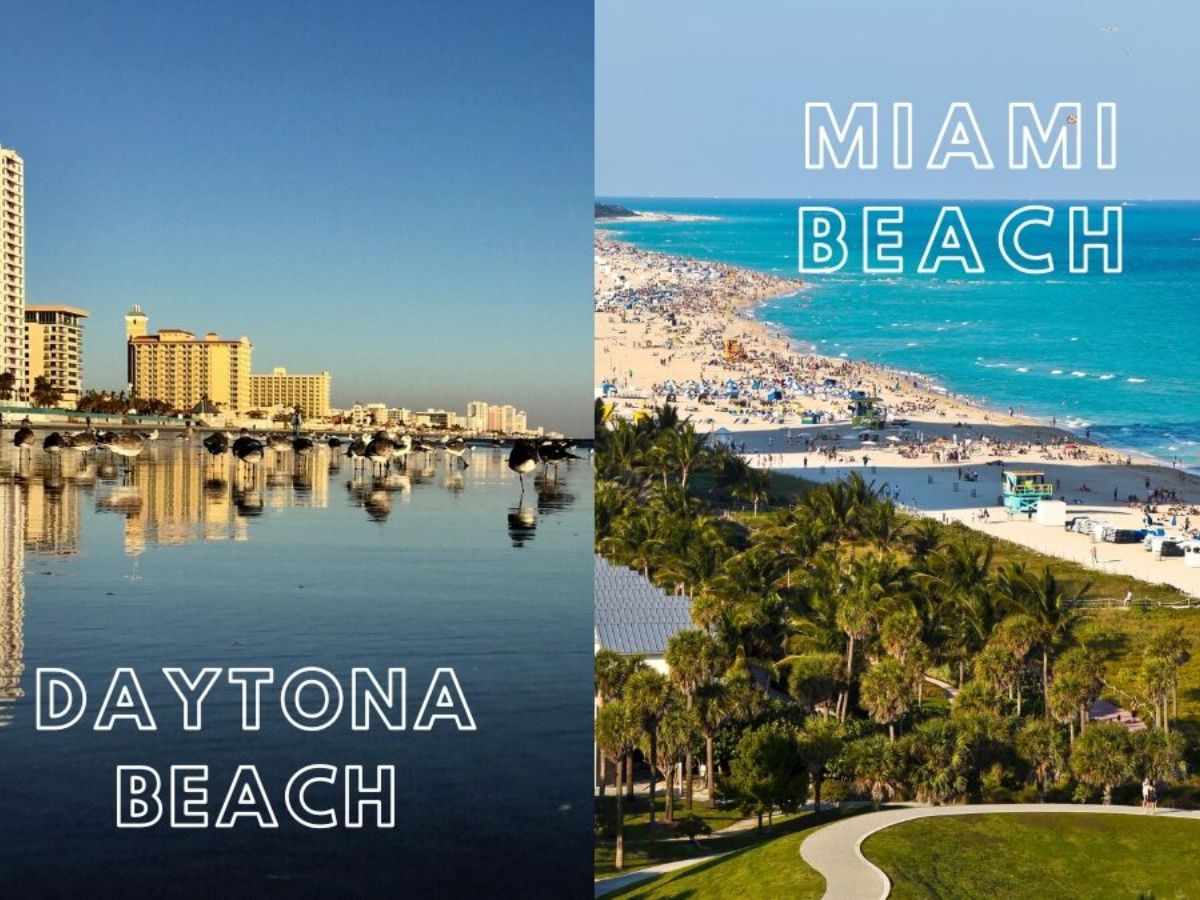
As your starting point, Miami is an international hub renowned for its vibrant Latin culture, art deco architecture, pristine beaches, and electrifying nightlife. Visitors flock to South Beach, explore the colorful streets of Little Havana, or delve into the art scene of Wynwood. It’s a city that buzzes with energy and offers a dynamic prelude to your southward expedition.
The Charms of Daytona Florida
Your destination, Daytona Florida, offers a different kind of excitement. Most famous for its hard-packed sand beaches where driving is permitted in designated areas, and for its motorsports heritage, Daytona is a magnet for racing enthusiasts. The legendary Daytona International Speedway hosts the iconic Daytona 500 and other major events. Beyond the roar of engines, Daytona offers family-friendly attractions, a boardwalk, and opportunities for various water sports, making it a diverse destination for relaxation and adventure.
In conclusion, the journey from Miami to Daytona is a manageable and often rewarding trip spanning approximately 250-260 miles. While driving via I-95 is typically the most efficient method, various transportation options and scenic routes cater to different preferences. By planning ahead and considering traffic patterns and potential stops, travelers can ensure a smooth, enjoyable, and insightful exploration of Florida’s diverse landscapes and attractions.
LifeOutOfTheBox is a participant in the Amazon Services LLC Associates Program, an affiliate advertising program designed to provide a means for sites to earn advertising fees by advertising and linking to Amazon.com. Amazon, the Amazon logo, AmazonSupply, and the AmazonSupply logo are trademarks of Amazon.com, Inc. or its affiliates. As an Amazon Associate we earn affiliate commissions from qualifying purchases.