
For anyone contemplating a journey through the captivating landscapes of the Sunshine State, understanding the logistics of travel between its vibrant cities is paramount. One common query that arises for both residents and visitors alike is the distance and travel experience between Jacksonville and Daytona Beach, two distinct yet equally alluring destinations in Florida. This guide aims to provide a comprehensive overview, equipping you with all the essential details to plan a seamless and enjoyable trip. From direct routes to scenic detours, and practical travel tips to the unique charms awaiting you at each end, we’ll navigate the path that connects these two significant Florida locales.
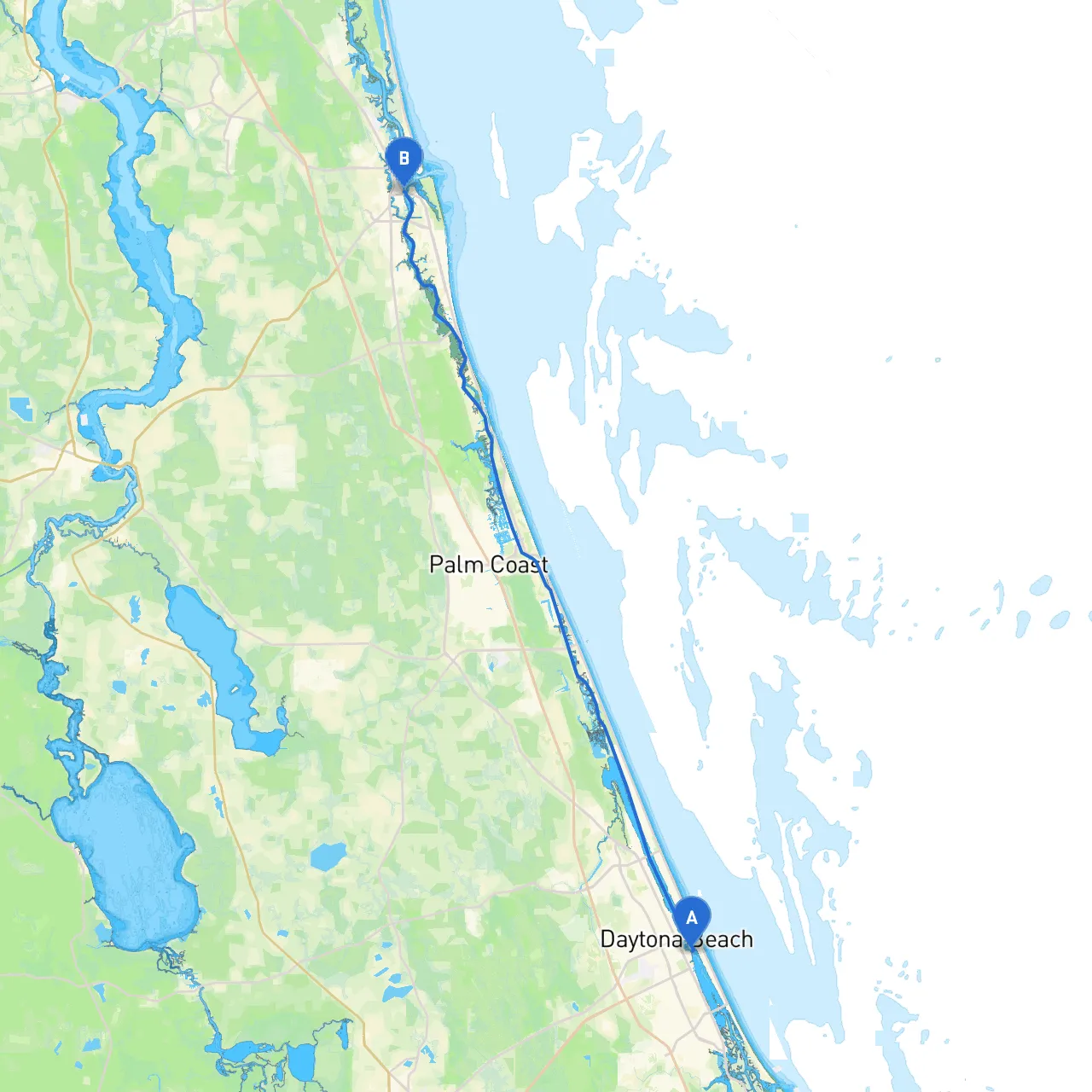
Navigating the Northern Florida Coastline: Jacksonville to Daytona
The journey from Jacksonville, nestled in Northeast Florida, to Daytona Beach, a cornerstone of Central Florida‘s coast, is a well-traveled route, primarily hugging the Atlantic seaboard. The distance makes it a manageable day trip or a convenient segment of a longer Florida adventure. Understanding the primary routes and their characteristics is key to tailoring your travel experience to your preferences, whether you prioritize speed or scenic beauty.
The Direct Route: Interstate 95 (I-95)
The most straightforward and quickest way to travel from Jacksonville to Daytona Beach is via Interstate 95 (I-95). This major north-south artery runs parallel to the Atlantic coast, offering a direct and efficient path.
-
Distance and Estimated Travel Time: The approximate driving distance between Jacksonville and Daytona Beach via I-95 is about 90 to 95 miles (145 to 153 kilometers). Under normal driving conditions, free from heavy traffic or significant construction, this journey typically takes around 1 hour and 30 minutes to 1 hour and 45 minutes. It’s a relatively easy drive, largely consisting of open highway.
-
Key Features of the Drive: I-95 is a multi-lane highway, generally well-maintained. The drive is predominantly flat, passing through pine forests and occasional glimpses of the coastal landscape. While direct, it’s not particularly known for its scenic value compared to coastal roads. You’ll encounter several exits for smaller towns and services along the way, offering opportunities for fuel, food, or a quick rest stop. Keep an eye on speed limits, which are typically 70 mph (110 km/h) on this section of the interstate, and be aware of potential congestion, particularly around peak travel times or holiday weekends.
Scenic Alternatives and Coastal Drives
For those who prefer a more leisurely journey and wish to immerse themselves in Florida’s coastal charm, alternative routes offer a richer, albeit longer, travel experience.
-
US Highway 1 (US-1): Running parallel to I-95 but closer to the coast, US Highway 1 (US-1) provides a different perspective. This route meanders through a series of smaller towns and historical areas, including parts of the St. Augustine metropolitan area. While it will add significant time to your journey (potentially 2.5 to 3 hours or more due to lower speed limits, traffic lights, and urban sections), it offers a more intimate look at Florida life away from the interstate. It’s ideal for travelers who enjoy stopping at local shops, grabbing a bite at a quaint diner, or exploring historical sites.
-
A1A Scenic & Historic Coastal Byway: For the ultimate scenic experience, venture onto the A1A Scenic & Historic Coastal Byway. This route hugs the immediate coastline, offering breathtaking ocean views, access to pristine beaches, and passage through charming seaside communities. Starting south of Jacksonville and extending all the way to Daytona Beach (with a few inland detours), A1A is perfect for a road trip where the journey is as important as the destination. Expect numerous opportunities to pull over for beach access, photograph historic landmarks, or simply enjoy the sea breeze. This route is significantly longer in terms of travel time, easily taking 3 to 4 hours or more, depending on how many stops you make. It’s an immersive experience for those with time to spare and a desire to explore Florida’s iconic coastal beauty.
Practical Travel Considerations and Tips
Beyond choosing your route, several practical elements can influence the comfort and efficiency of your trip from Jacksonville to Daytona Beach. Careful planning can help you avoid common travel pitfalls and enhance your overall experience.
Modes of Transportation
While driving is the most popular choice, other options exist depending on your budget and preferences.
-
Driving Your Own Vehicle: This offers the most flexibility, allowing you to choose your route, make stops as you please, and set your own pace. Ensure your vehicle is in good condition, especially if you plan to take the scenic routes which might have fewer immediate services.
-
Bus Services and Ride-Sharing: Greyhound provides bus services connecting Jacksonville and Daytona Beach, offering an economical alternative. Travel times will be longer than driving, typically around 2 to 3 hours, due to scheduled stops. Ride-sharing services like Uber or Lyft are also an option, though they can be considerably more expensive for this distance. Car rental agencies are readily available in Jacksonville if you’re flying in and need a vehicle for your trip.
Optimal Travel Times and Traffic Patterns
Understanding local traffic patterns can significantly impact your travel time, especially if you opt for the direct I-95 route.
-
Weekday vs. Weekend Travel: Weekday mornings (7-9 AM) and late afternoons (4-6 PM) can see increased traffic around Jacksonville as commuters head to and from work. Weekends, particularly Friday evenings and Sunday afternoons, might see heavier tourist traffic heading to or from coastal destinations. Mid-day on weekdays often presents the clearest driving conditions.
-
Rush Hour Avoidance: If your schedule permits, planning your departure from Jacksonville outside of typical rush hour windows will help you avoid delays and enjoy a smoother journey. Similarly, consider the time of day you plan to arrive in Daytona Beach, as local traffic can also build up during peak times.
Essential Road Trip Preparations
Even for a relatively short drive, a little preparation goes a long way.
- Vehicle Check-up: Before embarking, ensure your tires are properly inflated, fluid levels are adequate, and your fuel tank is full. This is especially important if you plan to explore less-traveled scenic routes.
- Packing Essentials: Don’t forget essentials like water, snacks, a first-aid kit, a phone charger, and a physical map or downloaded offline maps as a backup. Sunscreen is also a must for any Florida travel, even when driving.

What Awaits in Daytona: A Destination Overview
Once you’ve successfully navigated the journey, Daytona Beach welcomes you with its distinctive blend of motorsports history, expansive beaches, and family-friendly attractions. Understanding what makes Daytona Beach a popular destination helps frame your travel purpose.
Daytona Beach’s Allure
Daytona Beach is globally renowned for several key attractions.
- Iconic Beaches and Motorsports: The city’s most famous feature is its hard-packed sand, which historically allowed cars to drive directly on the beach. This unique characteristic laid the foundation for its legendary motorsports history, most notably the Daytona International Speedway, home of the Daytona 500. Beyond racing, the 23 miles of pristine beaches offer ample opportunities for swimming, sunbathing, surfing, and fishing.
- Family-Friendly Attractions: Daytona Beach also boasts a variety of attractions suitable for all ages, including the Daytona Lagoon water park, the Marine Science Center, and the scenic Boardwalk Amusements and Pier. There are also numerous dining options and shopping districts to explore, making it a versatile destination for different types of travelers.
Exploring Jacksonville: Your Starting Point
As your point of departure, Jacksonville itself is a destination worthy of exploration, offering a different flavor of Florida’s charm.
- Urban Charms and Cultural Hotspots: Jacksonville is Florida’s largest city by land area, boasting a vibrant downtown, a thriving arts and culture scene, and numerous distinct neighborhoods. The St. Johns River flows through its heart, providing picturesque waterfront views and recreational opportunities. Cultural institutions like the Cummer Museum of Art & Gardens and the Museum of Science & History (MOSH) offer enriching experiences.
- Gateway to Florida’s Northeast: Jacksonville‘s strategic location makes it an ideal base for exploring Northeast Florida, including the historic Amelia Island, the pristine beaches of Ponte Vedra, and the nearby ecological preserves. It serves as an excellent starting point for any Florida road trip, offering diverse urban amenities before you head south.
Maximizing Your Journey: Stops Along the Way
The relatively short distance between Jacksonville and Daytona Beach makes it conducive to incorporating stops that enrich the travel experience. These detours can transform a simple drive into a multi-faceted exploration of Florida’s history, nature, and coastal towns.
Historic St. Augustine: A Timeless Detour
Without a doubt, the most compelling stop along the route is the city of St. Augustine. It’s easily accessible from both I-95 and the coastal routes.
- Oldest City in the Nation: St. Augustine holds the distinction of being the oldest continuously inhabited European-established settlement in the United States, founded in 1565. Its rich history is palpable in every cobblestone street and ancient fort. Spending a few hours or even an entire day here can transport you back in time.
- Must-See Attractions: Key attractions include the imposing Castillo de San Marcos, a 17th-century Spanish fortress; the St. Augustine Pirate & Treasure Museum; and the Fountain of Youth Archaeological Park. Wandering through the historic district, with its colonial architecture, charming shops, and exquisite dining, is an experience in itself.
Natural Wonders and Coastal Communities
Beyond the major historical landmark, several smaller towns and natural sites offer delightful breaks.
- Ponce de Leon Inlet Lighthouse: Located just south of Daytona Beach, the Ponce de Leon Inlet Lighthouse is Florida’s tallest lighthouse and a National Historic Landmark. Climbing its 203 steps offers panoramic views of the Atlantic Ocean, the Halifax River, and the surrounding communities. It’s a rewarding stop for history buffs and those seeking spectacular vistas.
- Ormond Beach and Flagler Beach: As you head south on A1A or US-1, you’ll pass through Ormond Beach and Flagler Beach. Ormond Beach offers a quieter, more upscale atmosphere than its bustling neighbor, Daytona Beach, with beautiful parks and gardens. Flagler Beach, known for its pink-hued sand and laid-back vibe, is perfect for a quick stroll on the pier or a seafood lunch. These towns offer a glimpse into smaller coastal communities and are excellent for stretching your legs and enjoying the ocean air.
Planning Your Perfect Florida Getaway
Ultimately, the journey between Jacksonville and Daytona Beach is more than just covering miles; it’s an opportunity to discover the diverse facets of Florida’s captivating coastline. Careful planning, whether for a direct drive or a leisurely scenic tour, ensures a memorable travel experience.
Combining Destinations for Extended Exploration
Consider how this segment fits into a broader Florida itinerary.
- Jacksonville as a Base: With its international airport and comprehensive amenities, Jacksonville can serve as an excellent base for exploring Northeast Florida before heading south.
- Daytona as a Hub: Similarly, Daytona Beach’s central location on the Atlantic coast makes it a convenient hub for day trips to other Central Florida attractions, including theme parks further inland or the Kennedy Space Center.
Seasonal Considerations for Travel
Florida’s climate and event calendar can influence your travel plans.
- Summer vs. Winter Travel: Summers in Florida are hot and humid with frequent afternoon thunderstorms, which can sometimes impact driving conditions. Winters (December to February) offer cooler, drier weather, making for very pleasant driving, but also coincide with peak tourist season, potentially meaning more traffic and higher prices.
- Special Events and Festivals: Be aware of major events like Bike Week, Spring Break, or the Daytona 500, which can dramatically increase traffic, accommodation demand, and prices in and around Daytona Beach. Checking event calendars for both cities before you travel can help you plan accordingly, whether you wish to participate or avoid the crowds.
In conclusion, the distance between Jacksonville and Daytona Beach is easily manageable, offering travelers the flexibility to choose between a quick, efficient journey or a scenic, exploratory adventure. By understanding the routes, planning for practicalities, and considering the myriad attractions along the way and at each destination, your trip through coastal Florida is sure to be rewarding.
LifeOutOfTheBox is a participant in the Amazon Services LLC Associates Program, an affiliate advertising program designed to provide a means for sites to earn advertising fees by advertising and linking to Amazon.com. Amazon, the Amazon logo, AmazonSupply, and the AmazonSupply logo are trademarks of Amazon.com, Inc. or its affiliates. As an Amazon Associate we earn affiliate commissions from qualifying purchases.