
The question of “How far is DC from Boston?” is more than just a query about mileage; it’s an invitation to explore the distinct character of two of the United States’ most historically significant and vibrant metropolises. While geographically situated within a manageable distance, the journey between Washington D.C. and Boston unveils a tapestry of experiences, from the bustling corridors of federal power to the charming cobblestone streets steeped in revolutionary fervor. Understanding this distance, and the ways to traverse it, is key to appreciating the unique offerings of each city and the journey that connects them.
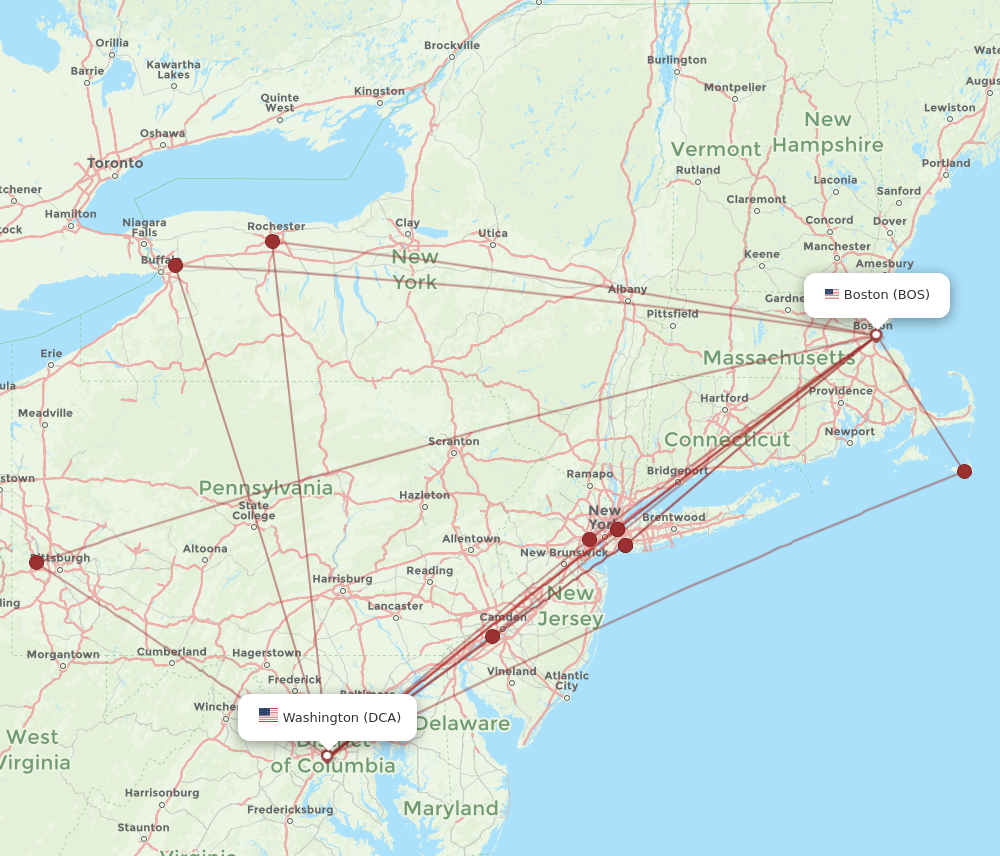
The Geographic Divide: Distance and Travel Time
At its core, the distance between Washington D.C. and Boston is a well-defined one, yet the perception of this distance can vary greatly depending on the chosen mode of transportation. The approximate driving distance is around 440 miles (about 708 kilometers). This figure, however, is merely the starting point for understanding the travel experience.
Driving: The Open Road and Its Variables
Embarking on a road trip from Washington D.C. to Boston offers a sense of freedom and the opportunity to witness the changing landscapes of the Mid-Atlantic and New England regions. The most direct route typically follows Interstate 95 for a significant portion of the journey. This often involves navigating through densely populated areas, particularly around New York City and its surrounding metropolitan areas.
Under ideal conditions, the drive can be completed in roughly 7 to 8 hours of pure driving time. However, this is a best-case scenario that rarely accounts for the realities of traffic congestion, especially during peak commuting hours, holiday weekends, or even midday on popular travel days. Factors such as construction, weather delays, and the need for rest stops or meals can easily extend this duration. Planning for an overnight stop, perhaps in a city like Philadelphia or New Haven, can transform the journey into a more relaxed and exploratory adventure, breaking up the long hours behind the wheel and allowing for brief forays into the attractions of intermediate cities. For those who prefer a more direct approach, early morning departures or late-night arrivals can help mitigate some of the traffic challenges.
Flying: The Fastest Route to Your Destination
For travelers prioritizing speed and efficiency, flying is undoubtedly the most expedient option. The flight duration between Washington D.C. and Boston is approximately 1 hour and 30 minutes. This makes it an ideal choice for those with limited time or who prefer to maximize their time exploring the cities themselves.
Major airports serving the Washington D.C. metropolitan area include Ronald Reagan Washington National Airport (DCA), Washington Dulles International Airport (IAD), and Baltimore/Washington International Thurgood Marshall Airport (BWI). In Boston, Logan International Airport (BOS) is the primary gateway. Numerous airlines operate direct flights daily, offering a competitive market that can sometimes yield affordable fares, especially when booked in advance.
While the flight itself is brief, it’s crucial to factor in the total travel time, which includes getting to the airport, check-in procedures, security screening, boarding, deplaning, and traveling from the airport to your final destination in the respective city. This all-encompassing travel time can add several hours to the overall journey, though it remains significantly shorter than driving for most travelers.
Train Travel: A Scenic and Relaxed Alternative
Amtrak offers a compelling alternative for those seeking a more comfortable and scenic way to travel between Washington D.C. and Boston. The Acela Express, Amtrak’s high-speed service, significantly reduces travel time on this corridor. A direct trip on the Acela Express can take as little as 3 hours and 45 minutes to 4 hours, making it a highly competitive option when considering the total time spent traveling door-to-door, especially when compared to the combined time of flying (including airport transit and security).
The Northeast Corridor, along which these trains travel, offers glimpses of the diverse American landscape, from urban sprawl to suburban communities and pockets of rural beauty. For passengers who prefer to avoid the stress of driving or the hassles of air travel, the train provides a relaxing environment. Passengers can work, read, dine, and enjoy the scenery without the confinement of a car or the pressure of airport schedules. Amtrak’s Business Class and First Class offerings provide enhanced amenities, including more spacious seating, complimentary Wi-Fi, and café car access, further elevating the travel experience.
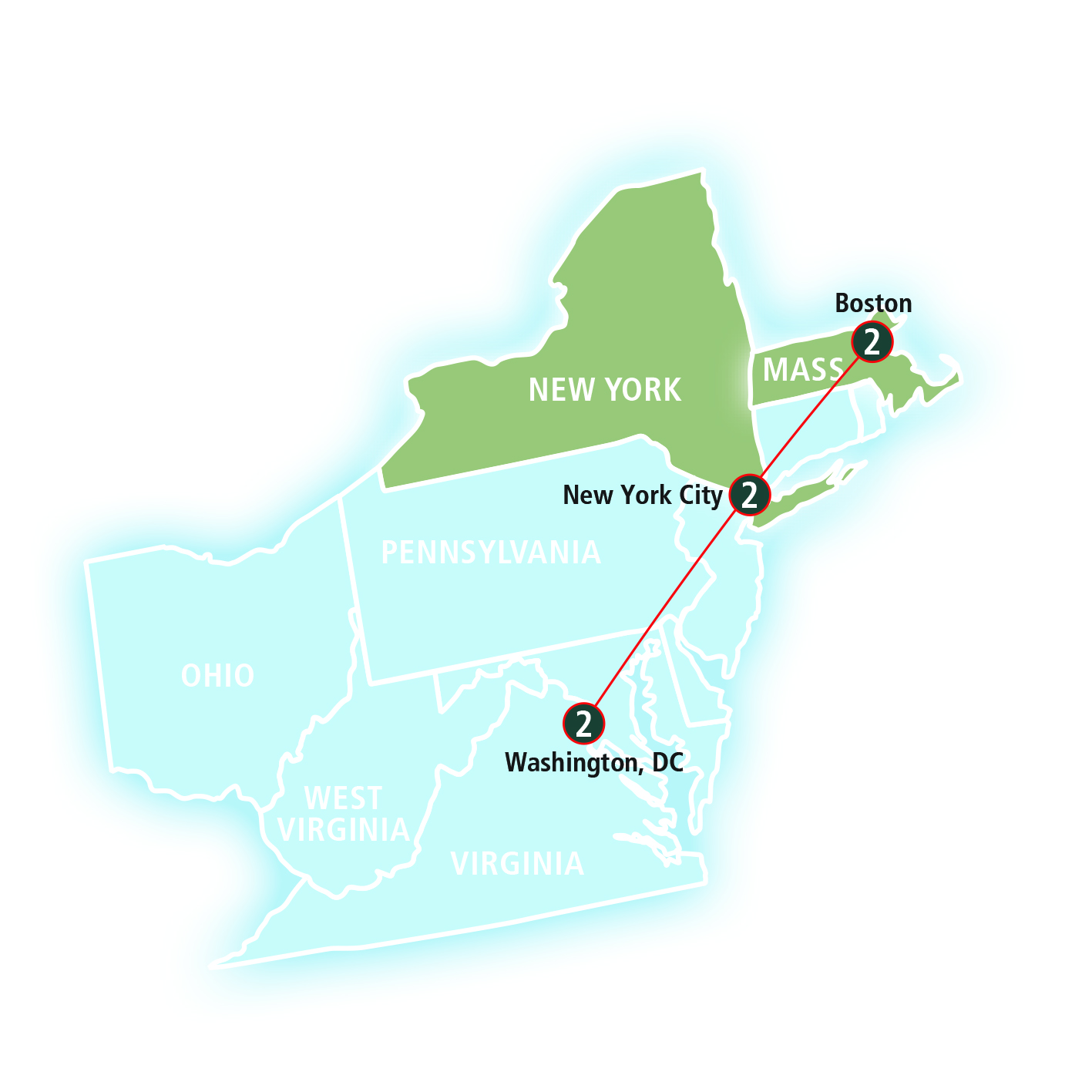
The regional Amtrak trains also operate on this route, though their journey times are considerably longer, often exceeding 7 hours. While less time-efficient, these services can be more budget-friendly and offer a more leisurely pace for those who have the time.
Exploring the Cities: What Lies Between and Beyond
The distance between Washington D.C. and Boston is not merely a measure of miles but also a representation of the cultural and historical evolution of the Eastern Seaboard. Each city offers a distinct flavor, shaped by its unique history and its role in the American narrative.
Washington D.C.: The Nation’s Capital
Washington D.C. is the epicenter of American political life and a treasure trove of national monuments and world-class museums. Home to the White House, the Capitol Building, and the Supreme Court, it is a city that embodies governance and history. Beyond the halls of power, the Smithsonian Institution offers an unparalleled collection of museums, including the National Museum of Natural History, the National Air and Space Museum, and the National Museum of American History, most of which offer free admission. The iconic Lincoln Memorial and the Washington Monument stand as powerful symbols of the nation’s past and ideals. The city also boasts a vibrant culinary scene, diverse neighborhoods like Georgetown with its historic charm, and a lively arts and culture sector.
Boston: Cradle of American Liberty
Boston, on the other hand, is a city deeply intertwined with the origins of the United States. Its historic streets echo with the events of the American Revolution. Walking the Freedom Trail is an immersive journey through landmarks such as Faneuil Hall, the site of numerous colonial protests, the Old North Church, famous for Paul Revere’s lanterns, and the historic battlegrounds of Bunker Hill. Beyond its revolutionary past, Boston is a hub of higher education and medical innovation, home to world-renowned institutions like Harvard University and MIT. The city offers a rich cultural landscape, from the artistic masterpieces at the Museum of Fine Arts to the vibrant waterfront. Its distinct neighborhoods, such as the historic Beacon Hill with its gas lamps and brownstones, and the lively North End with its Italian heritage and culinary delights, provide endless opportunities for exploration.
Planning Your Journey: Tips for Travelers
Regardless of how you choose to travel the distance between Washington D.C. and Boston, careful planning can significantly enhance your experience.
Booking and Timing
The key to a successful trip often lies in booking in advance. This is particularly true for flights and Amtrak tickets, where early booking can often secure better prices and availability. For driving, consider the time of year and day of the week. Traveling during off-peak seasons or avoiding major holiday weekends can mean less traffic and potentially lower accommodation costs in both cities. If you are planning to drive and make stops, researching and booking lodging along your route can prevent last-minute difficulties.
Travel Itineraries
When considering the distance and the wealth of attractions in both Washington D.C. and Boston, it’s essential to allocate adequate time for exploration. A minimum of 3-4 full days in each city is often recommended to truly appreciate their offerings without feeling rushed. If you are driving and wish to incorporate stops, extending your trip to 7-10 days would allow for a more leisurely pace and the inclusion of significant detours. For those opting for air travel, consider whether you are visiting one city with a day trip possibility or planning to experience both in a single itinerary.

Navigating Within the Cities
Once you arrive in Washington D.C. or Boston, understanding the local transportation options is crucial. Both cities have extensive public transportation systems. Washington D.C. boasts the Washington Metropolitan Area Transit Authority (WMATA), often referred to as “the Metro,” which provides access to most major attractions. Boston has the Massachusetts Bay Transportation Authority (MBTA), known colloquially as the “T,” with its subway, bus, and commuter rail lines. Utilizing these systems can be far more efficient and cost-effective than relying solely on taxis or ride-sharing services, especially in congested urban areas. For exploring historic districts, walking is often the most rewarding method, allowing for a more intimate connection with the city’s past.
LifeOutOfTheBox is a participant in the Amazon Services LLC Associates Program, an affiliate advertising program designed to provide a means for sites to earn advertising fees by advertising and linking to Amazon.com. Amazon, the Amazon logo, AmazonSupply, and the AmazonSupply logo are trademarks of Amazon.com, Inc. or its affiliates. As an Amazon Associate we earn affiliate commissions from qualifying purchases.