
The question “How far is DC from New York?” is a common one for travelers planning an East Coast adventure, business trip, or cultural exploration. These two iconic United States cities, while distinctly different in character and purpose, are remarkably accessible to one another, making a dual-city itinerary a popular choice. Washington D.C., the nation’s capital, is a hub of history, politics, and museums, while New York City, the global financial and cultural capital, pulsates with unparalleled energy, arts, and innovation. Bridging the gap between these two metropolises opens up a world of diverse experiences, from exploring grand monuments and hallowed halls to scaling skyscrapers and catching Broadway shows.
Understanding the distance and the various travel options is key to planning a seamless journey. This article will delve into the geographical reality, break down the travel times by different modes of transport, highlight the unique attractions of each city, and offer insights into accommodation and lifestyle considerations to help you craft the perfect trip between Washington D.C. and New York City. Whether you’re seeking a fast-paced business trip, a leisurely cultural immersion, or a family-friendly educational tour, the journey between these two giants of the Mid-Atlantic is an adventure in itself.
Bridging the Distance: Understanding the Journey Between Washington D.C. and New York City
The perceived distance between two cities can often feel greater or smaller than the actual miles, depending on the convenience and speed of travel. For Washington D.C. and New York City, the geographical reality is quite manageable, making inter-city travel a frequent occurrence for millions each year.
The Geographic Reality
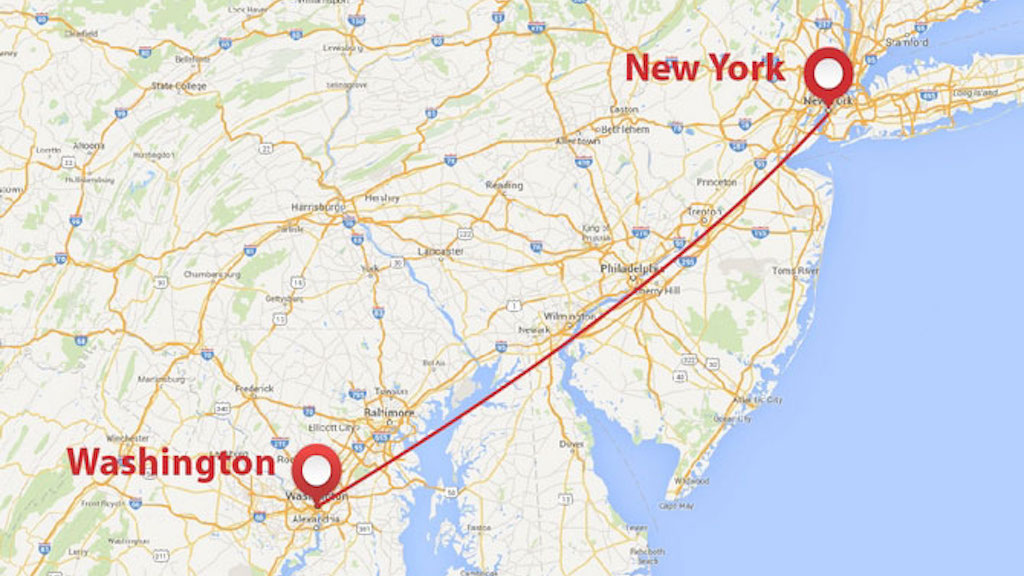
The approximate driving distance between downtown Washington D.C. and New York City (specifically Manhattan) is roughly 225 to 230 miles (360-370 kilometers). This measurement typically takes into account the most direct routes, primarily along the I-95 corridor, a major artery connecting much of the East Coast. While a straight line might suggest a shorter distance, the winding nature of roads and specific city centers means this range is a reliable estimate for planning purposes. This distance places the two cities firmly within a comfortable day-trip or weekend-getaway range, allowing travelers to experience both urban landscapes without significant logistical hurdles.
Travel Time Varies: A Mode-by-Mode Breakdown
The actual “far” factor often comes down to how long it takes to traverse the distance, not just the miles. Travel time between Washington D.C. and New York City can vary significantly based on your chosen mode of transportation, time of day, and specific starting and ending points within each metropolitan area.
-
By Car: A typical drive, without significant traffic, can take 3.5 to 4.5 hours. However, the I-95 corridor is notorious for congestion, especially during peak commuter hours, holidays, and weekends. Factors like navigating through Baltimore and Philadelphia, crossing the New Jersey Turnpike, and entering New York City (where tolls can also add to the journey cost) can easily extend travel times to 5-6 hours or more. For those who enjoy the flexibility of a road trip, it’s advisable to factor in buffer time and consider off-peak travel.
-
By Train: Rail travel is a highly popular and efficient option. Amtrak’s high-speed Acela Express typically completes the journey in approximately 2.5 to 3 hours, offering a comfortable and productive travel experience. The more conventional Northeast Regional service takes about 3.5 to 4 hours. The beauty of train travel lies in its city-center to city-center convenience, dropping passengers at Washington D.C.’s Union Station and New York City’s Moynihan Train Hall or Pennsylvania Station (Penn Station), eliminating the hassle of airport security lines and urban traffic.
-
By Bus: Bus services offer the most economical way to travel between the two cities. Providers like Greyhound, Megabus, and FlixBus run frequent routes. Travel times typically range from 4.5 to 6 hours, heavily dependent on traffic conditions, as buses share the same roads as cars. While generally longer, the cost savings can be significant, especially for budget travelers.
-
By Air: Flying is technically the fastest way to cover the direct distance, with flight times around 1 to 1.5 hours. However, when accounting for travel to and from airports (Ronald Reagan Washington National Airport – DCA, Washington Dulles International Airport – IAD, or Baltimore/Washington International Thurgood Marshall Airport – BWI for DC, and LaGuardia Airport – LGA, John F. Kennedy International Airport – JFK, or Newark Liberty International Airport – EWR for NYC), security checks, and boarding, the total door-to-door travel time often rivals or exceeds that of the Acela Express train, making it less appealing for many travelers unless connecting to further flights.
Navigating Your Options: A Guide to Transport Between the Cities
Choosing the best way to travel between Washington D.C. and New York City depends heavily on your priorities: speed, cost, comfort, and convenience. Each mode of transport offers a unique set of advantages.
The Efficiency of Rail Travel
For many, especially business travelers and those valuing comfort and convenience, rail travel is the preferred choice. Amtrak dominates this route, offering frequent departures throughout the day along the busy Northeast Corridor.
- Acela Express: This premium service boasts faster speeds, more spacious seating, Wi-Fi, and a cafe car. It’s ideal for those willing to pay a higher fare for a quicker, more luxurious journey. Business travelers often appreciate the ability to work uninterrupted.
- Northeast Regional: A more economical option, the Northeast Regional still provides comfortable seating, power outlets, and a cafe car. While slightly slower, it offers excellent value for leisure travelers and those with flexible schedules.
- Stations: Both services depart from Washington D.C.’s historic Union Station, an architectural marvel in itself, and arrive at New York City’s Moynihan Train Hall or Penn Station (located beneath Madison Square Garden). These central locations provide easy access to public transport within both cities, including subways, buses, and taxis.
The Flexibility of Road Trips
Driving offers unparalleled flexibility, allowing for spontaneous stops and the ability to carry more luggage. It’s particularly suited for family trips or those exploring other Mid-Atlantic destinations along the way.
- Route: The primary route is Interstate 95 (I-95), which passes through Delaware, Maryland, and New Jersey. Key points include the Delaware Memorial Bridge, the New Jersey Turnpike, and various tunnels or bridges into Manhattan.
- Considerations: Be prepared for tolls, especially in Delaware, Maryland, and New Jersey, and particularly when entering New York City. Parking in NYC is notoriously expensive and scarce, so many opt to park outside the city and use public transit. Traffic congestion is the biggest variable; using real-time navigation apps like Google Maps or Waze is highly recommended.
The Speed of Air Travel
While the fastest in the air, flying between DC and NYC often takes longer door-to-door than the Acela Express due to airport logistics. However, it can be a viable option for those with specific flight connections or for last-minute travel when train tickets are scarce.
- Airports: For DC, Ronald Reagan Washington National Airport (DCA) is the closest to downtown, while Washington Dulles International Airport (IAD) and Baltimore/Washington International Thurgood Marshall Airport (BWI) offer more flight options, albeit further out. New York City is served by LaGuardia Airport (LGA), John F. Kennedy International Airport (JFK), and Newark Liberty International Airport (EWR).
- Time vs. Cost: Flight fares can fluctuate widely. Sometimes, budget airlines offer competitive prices that might make the total travel time worthwhile if you’re not in a hurry and can manage the airport commute.
Budget-Friendly Bus Services
For the most cost-effective travel, bus services are an excellent choice. They are frequently used by students, budget travelers, and those who prioritize savings over speed.
- Providers: Major operators include Greyhound, Megabus, and FlixBus. They offer amenities like Wi-Fi and power outlets on many routes.
- Stations: In Washington D.C., buses typically depart from near Union Station. In New York City, the main terminal is the Port Authority Bus Terminal in Midtown Manhattan, a central location for onward travel.
- Experience: While generally less spacious than trains, buses provide a straightforward and often scenic journey. Booking in advance can secure the best fares.
Dual Destinations: Unveiling the Unique Appeal of New York and Washington D.C.
The journey between these two cities isn’t just about covering distance; it’s about transitioning between two profoundly different, yet equally captivating, urban environments. Each city offers a distinct flavor and a wealth of attractions catering to diverse interests.
New York City: The Epicenter of Culture and Commerce
New York City, often called “The City That Never Sleeps,” is an unparalleled global metropolis. It’s a vibrant tapestry of cultures, a powerhouse of finance, and a beacon of arts and entertainment.
- Iconic Landmarks: No visit to NYC is complete without seeing the majestic Statue of Liberty and Ellis Island, the soaring Empire State Building, and the dazzling lights of Times Square. The serene beauty of Central Park offers a peaceful retreat amidst the urban jungle.
- Arts and Culture: Broadway provides world-class theatrical performances. Museums like the Metropolitan Museum of Art (The Met), the Museum of Modern Art (MoMA), and the American Museum of Natural History house unparalleled collections.
- Culinary Scene: New York’s food scene is as diverse as its population, ranging from Michelin-starred fine dining to street food vendors in neighborhoods like Chinatown and Little Italy.
- Shopping and Lifestyle: From luxury boutiques on Fifth Avenue to quirky shops in Greenwich Village, NYC is a shopper’s paradise. Its distinct neighborhoods, from the financial district of Wall Street to the trendy bars of Brooklyn, offer endless exploration for every lifestyle.
Washington D.C.: A Tapestry of History and Power
As the capital of the United States, Washington D.C. is steeped in history, politics, and monumental architecture. It’s a city designed for walking, with most major attractions centrally located.
- National Mall and Monuments: The expansive National Mall is home to the Lincoln Memorial, Washington Monument, World War II Memorial, and Vietnam Veterans Memorial. These powerful structures honor the nation’s past and its heroes.
- Smithsonian Museums: The city boasts an incredible array of world-class museums, many of which are part of the Smithsonian Institution and offer free admission. Highlights include the National Museum of Natural History, the National Air and Space Museum, and the National Museum of American History.
- Government Buildings: Visitors can view the White House, the United States Capitol, and the Supreme Court, offering a glimpse into the workings of American democracy.
- Neighborhoods and Culture: Beyond the monuments, vibrant neighborhoods like Georgetown offer historic charm, upscale shopping, and dining. Dupont Circle is known for its lively nightlife and diverse restaurants, while Capitol Hill buzzes with legislative activity. The International Spy Museum also offers a unique and engaging experience.
Enhancing Your Stay: Accommodation, Cuisine, and Travel Tips
A great trip involves more than just getting from point A to point B; it encompasses where you stay, what you eat, and how you navigate your chosen destinations. Both New York City and Washington D.C. offer a spectrum of options to enhance your travel experience.
Where to Rest Your Head: From Luxury to Budget
Accommodation is a critical part of any travel plan, and both cities deliver extensive choices tailored to every preference and budget.
-
New York City:
- Luxury: NYC is home to some of the world’s most opulent hotels, such as The Plaza Hotel, The St. Regis New York, and the Mandarin Oriental, New York, offering impeccable service and prime locations.
- Mid-Range: Reputable chains like Hilton, Marriott, and Hyatt provide comfortable and convenient stays across various neighborhoods, from Times Square to Lower Manhattan.
- Budget-Friendly: For those on a tighter budget, hostels like HI New York City Hostel or smaller boutique hotels in Brooklyn or Queens can offer good value. Apartment rentals through platforms like Airbnb are also popular for longer stays or family trips.
-
Washington D.C.:
- Luxury: DC also offers high-end accommodations like the Four Seasons Hotel Washington D.C. in Georgetown or The St. Regis Washington D.C. near the White House, catering to business travelers and those seeking refined experiences.
- Mid-Range: Numerous chain hotels can be found near the National Mall, Dupont Circle, and Capitol Hill, providing comfortable bases for exploring the city.
- Budget-Friendly: Options range from established hostels to more affordable hotels slightly outside the immediate downtown core, often accessible via the efficient Metro system. Airbnb provides diverse choices across the city’s vibrant neighborhoods.
Savoring the Flavors: Culinary Journeys in Both Cities
Food is an integral part of local culture, and both New York and Washington D.C. offer incredible dining experiences.
- New York City: From iconic New York-style pizza and bagels to a global array of cuisines, the city is a paradise for foodies. Explore Chinatown for authentic Asian dishes, Little Italy for classic Italian, or trendy Brooklyn neighborhoods for innovative farm-to-table restaurants. Don’t miss the chance to experience a Michelin-starred meal if your budget allows.
- Washington D.C.: DC’s culinary scene has flourished, with a growing number of award-winning restaurants. Enjoy diverse international cuisine in Adams Morgan, upscale dining in Georgetown, or explore the vibrant food trucks that frequent the National Mall and other busy areas. The U Street Corridor is famous for its Ethiopian food and historic jazz clubs.
Essential Travel Tips for a Seamless Experience
To make your journey between DC and NYC as smooth as possible, consider these practical tips:
- Book in Advance: Especially for train tickets (like Acela Express) and popular hotels, booking well in advance can secure better prices and availability, particularly during peak seasons or holidays.
- Public Transportation: Both cities boast excellent public transportation networks (NYC Subway, MTA buses, DC Metro). Utilizing these systems will save you money on taxis and parking, and often get you around faster than driving in dense urban traffic.
- Pack Smart: Be prepared for varied weather, as both cities experience all four seasons. Comfortable walking shoes are essential, as you’ll likely do a lot of walking, especially in Washington D.C.’s National Mall.
- Security and Safety: Always be aware of your surroundings, especially in crowded tourist areas. Keep valuables secure and consider travel insurance, particularly for longer trips or if you have expensive gear.
- Flexibility for Road Travel: If driving, build in extra time for potential traffic delays. Consider leaving very early in the morning or late at night to avoid peak congestion.
- Embrace the Contrast: Appreciate the unique character of each city. New York is about energy, innovation, and global trends, while Washington D.C. offers a profound sense of history, governance, and national identity. This contrast is what makes a combined trip so rewarding.
Crafting Your Ideal East Coast Adventure
The distance between Washington D.C. and New York City is not a barrier but an invitation. At around 225-230 miles, the journey is perfectly positioned for travelers to experience the distinct charms of both cities within a single itinerary. Whether you prioritize speed and efficiency with Amtrak’s Acela Express, the flexibility of a road trip, or the affordability of a bus, getting between these two dynamic destinations is straightforward and well-serviced.
From the political gravitas and free Smithsonian Museums of DC to the dazzling Broadway shows and iconic skyscrapers of NYC, a journey connecting these two East Coast powerhouses promises an unforgettable blend of history, culture, and modern marvels. By carefully considering your travel preferences, budget, and desired experiences, you can seamlessly navigate the distance and immerse yourself in the rich tapestry that defines both Washington D.C. and New York City. Plan your journey, book your accommodation, and prepare for an enriching adventure that bridges the historical weight of the capital with the vibrant pulse of the global metropolis.
LifeOutOfTheBox is a participant in the Amazon Services LLC Associates Program, an affiliate advertising program designed to provide a means for sites to earn advertising fees by advertising and linking to Amazon.com. Amazon, the Amazon logo, AmazonSupply, and the AmazonSupply logo are trademarks of Amazon.com, Inc. or its affiliates. As an Amazon Associate we earn affiliate commissions from qualifying purchases.