
The allure of extremes draws countless travelers to the American Southwest. Two iconic, yet vastly different, landscapes lie within reach of each other: the glittering urban oasis of Las Vegas and the stark, captivating beauty of Death Valley National Park. For those planning an itinerary that encompasses both the vibrant energy of the city and the profound silence of the desert, understanding the geographical connection between these two destinations is paramount. The question of “how far” is not merely about mileage; it encompasses the travel time, the various routes available, and the considerations that shape the journey.
Distance and Driving Time
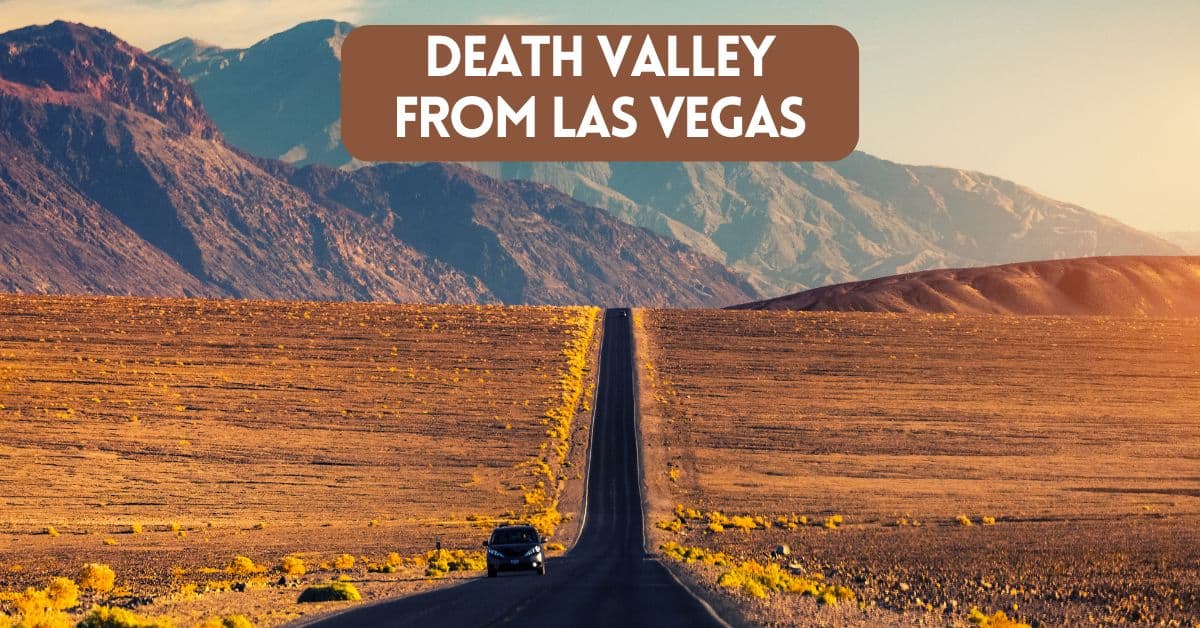
The most direct and commonly traveled route between Las Vegas and the heart of Death Valley National Park covers approximately 130 to 140 miles. This distance translates to an estimated driving time of around 2 to 2.5 hours, depending on traffic conditions leaving Las Vegas and the specific entry point into the park you aim for.
Route Variations and Considerations
While a direct drive is feasible, the journey can be influenced by several factors:
- Entry Points: Death Valley National Park has multiple entrances. The most popular and accessible from Las Vegas is typically the entrance near Furnace Creek (now officially known as the Death Valley Visitor Center). Another common entry is through Beatty, Nevada, which can be a slightly longer drive but offers a different scenic approach and access to the northern parts of the park, including the historic Rhyolite Ghost Town.
- Road Conditions: The roads within Death Valley National Park are generally well-maintained paved roads, especially to major attractions like Badwater Basin, Zabriskie Point, and Artist’s Drive. However, it’s crucial to check current road conditions with the National Park Service, particularly during extreme weather events, as flash floods can sometimes impact park roads.
- Vehicle Choice: While most standard vehicles can navigate the main park roads, if you plan to explore any unpaved or more remote areas, a high-clearance vehicle might be beneficial. However, for the standard tourist experience focusing on the most renowned landmarks, a regular sedan is perfectly adequate.
- Fuel: It is highly recommended to fill up your gas tank in Las Vegas or in towns like Pahrump, Nevada, which lie on the route. Gas stations within Death Valley National Park are limited and can be significantly more expensive.
Planning Your Day Trip or Extended Stay
The proximity of Death Valley National Park to Las Vegas makes it a popular destination for day trips, but the vastness and unique experiences within the park often warrant an extended stay.
The Day Trip Advantage
For travelers with limited time, a day trip from Las Vegas is certainly feasible. This typically involves an early morning departure, reaching the park by mid-morning, and dedicating several hours to exploring key highlights. Essential stops on a day trip might include:
- Zabriskie Point: Famous for its surreal, eroded badlands offering panoramic views, especially stunning at sunrise or sunset.
- Badwater Basin: The lowest point in North America, a vast expanse of salt flats that creates an otherworldly landscape.
- Artist’s Drive: A scenic one-way loop showcasing colorful mineral deposits on the hillsides.
- Devil’s Golf Course: A rugged plain of salt crystals that resembles a giant, gnarled golf course.
Even with a packed schedule, a day trip allows for a significant taste of Death Valley’s unique environment. However, it is essential to manage expectations regarding the scope of exploration possible within a single day.
Embracing an Overnight Experience
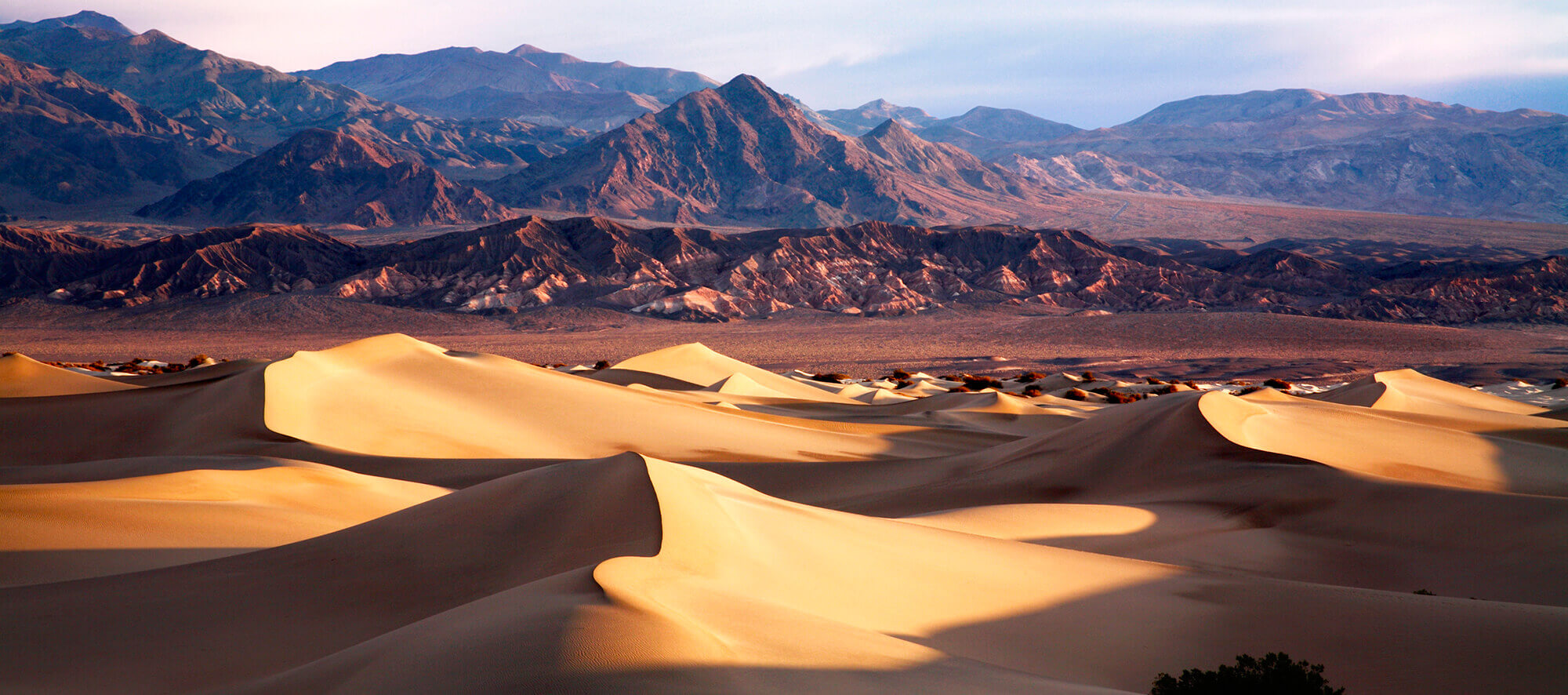
To truly immerse oneself in the magic of Death Valley, an overnight stay is highly recommended. This allows for a more relaxed exploration, the opportunity to witness spectacular sunrises and sunsets without the rush of returning to Las Vegas, and the chance to experience the profound silence and starry night skies that the desert offers.
Accommodations within the park are limited but offer a unique experience. The most prominent options include:
- The Oasis at Death Valley (formerly Furnace Creek Inn and Ranch): This historic resort offers a range of lodging, from the elegant Inn at Death Valley to the more rustic Ranch at Death Valley. Amenities include swimming pools, dining options, and easy access to park attractions.
- Stovepipe Wells Village Hotel: Located in the western part of the park, this option provides a more remote feel with basic amenities and access to sand dunes and other natural wonders.
- Panamint Springs Resort: A smaller, more rustic option situated on the western side of the park, offering a glimpse into a different facet of the desert landscape.
Camping is also a popular choice for experiencing the park firsthand. Campgrounds like Furnace Creek Campground and Texas Spring Campground offer basic facilities, providing an unparalleled connection to the natural environment.
Navigating the Journey: Tips for Travelers
Embarking on a trip from Las Vegas to Death Valley National Park requires careful planning, especially considering the extreme environmental conditions of the desert.
Essential Preparations
- Water, Water, Water: This cannot be stressed enough. Carry significantly more water than you think you will need. Dehydration is a serious risk in the desert heat, especially during the warmer months. Aim for at least one gallon per person per day if staying overnight, and a minimum of one liter per person for even a short day trip.
- Sun Protection: The sun’s intensity in Death Valley is formidable. Pack broad-spectrum sunscreen, hats with wide brims, sunglasses, and lightweight, long-sleeved clothing.
- Snacks and Food: While some dining options are available within the park, they are limited. Bringing your own snacks and packed lunches will provide more flexibility and ensure you have sustenance, especially if venturing to more remote areas.
- Navigation: Cell phone service can be spotty to non-existent within the park. Download offline maps of the park and surrounding areas before you depart Las Vegas. A physical map is also a wise backup.
- Vehicle Check: Ensure your vehicle is in good condition, with properly inflated tires, a full tank of gas, and functioning air conditioning. Check your fluids, particularly coolant.
- Timing is Key: If visiting during the summer months (May through September), extreme temperatures can make daytime exploration dangerous. Plan your activities for early morning or late afternoon/early evening. Spring and fall offer more temperate weather, making them ideal for visiting.
What to Expect Upon Arrival
As you approach Death Valley National Park from Las Vegas, the transition from the bustling city to the vast, arid landscape is dramatic. The scenery shifts from urban sprawl to desert scrub, mesas, and eventually, the stark, majestic beauty of the valley floor.
Upon entering the park, you will encounter the Death Valley Visitor Center near Furnace Creek. Here, you can obtain park maps, information on current conditions, ranger programs, and exhibits detailing the park’s natural and human history. This is an excellent starting point for any visit, whether for a day trip or an extended exploration.
The distance between Las Vegas and Death Valley National Park is more than just a number on a map; it represents a journey into a world of raw, untamed nature, offering a profound contrast to the artificial brilliance of the city. Understanding this connection is the first step in crafting an unforgettable adventure.
LifeOutOfTheBox is a participant in the Amazon Services LLC Associates Program, an affiliate advertising program designed to provide a means for sites to earn advertising fees by advertising and linking to Amazon.com. Amazon, the Amazon logo, AmazonSupply, and the AmazonSupply logo are trademarks of Amazon.com, Inc. or its affiliates. As an Amazon Associate we earn affiliate commissions from qualifying purchases.