
The question of distance between two prominent cities in the Centennial State is a common one for travelers, residents, and anyone planning a trip within the vibrant landscape of Colorado. Denver, the Mile High City, and Colorado Springs, the second-most populous municipality, are geographically close yet distinct in their offerings and atmosphere. Understanding the travel time and distance between them is crucial for optimizing itineraries, whether you’re considering a day trip, a weekend getaway, or integrating both into a larger Colorado adventure. This exploration delves into the specifics of the journey, including typical driving times, alternative transportation options, and factors that can influence your travel experience.
The Direct Route: Driving Distances and Times
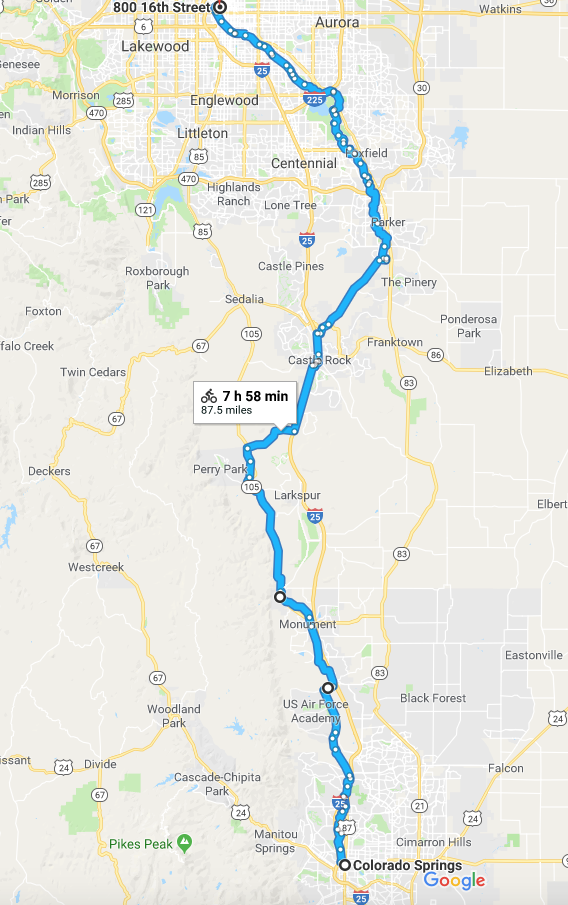
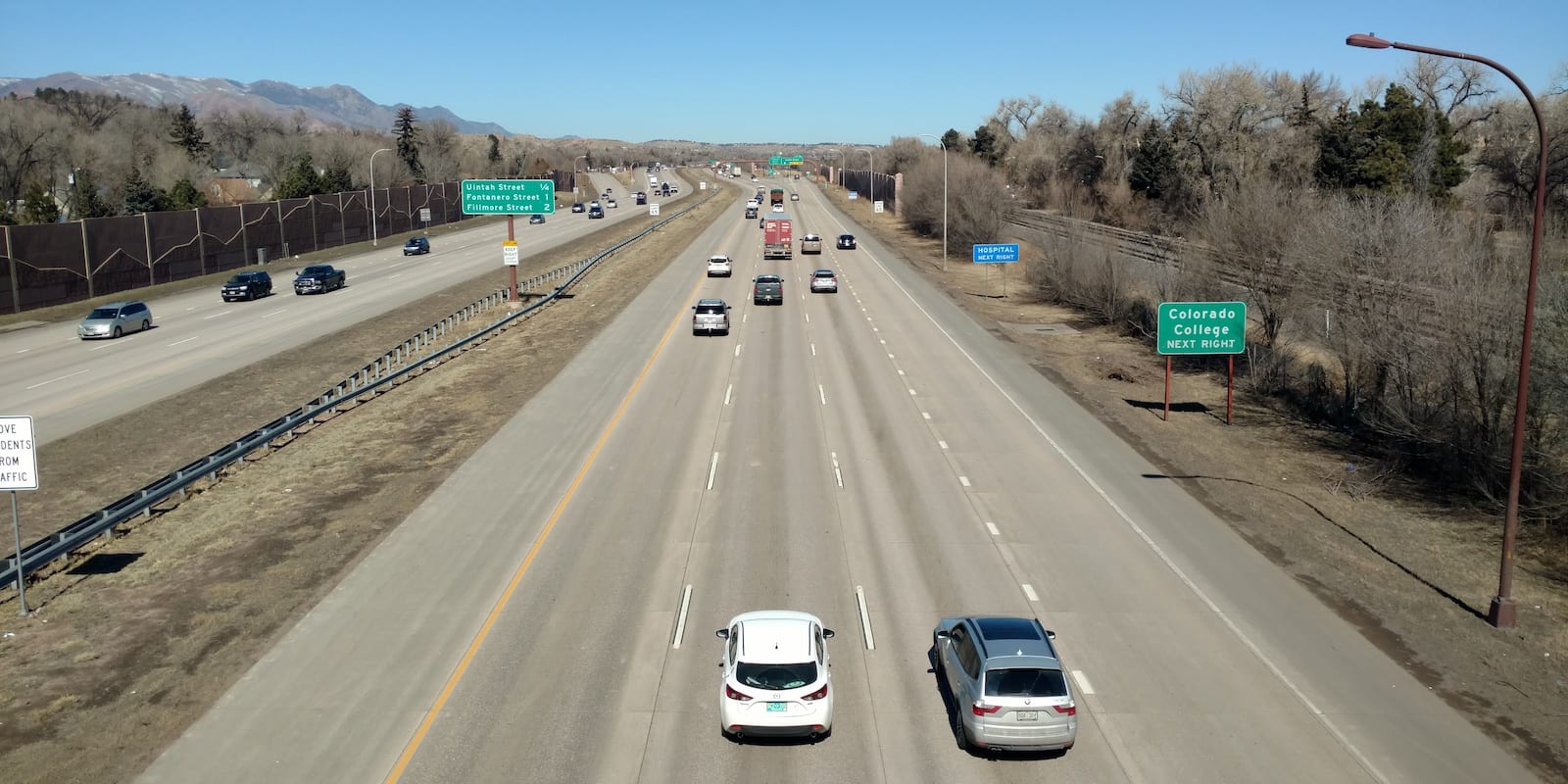
The most straightforward way to travel between Denver and Colorado Springs is by car, utilizing the well-maintained Interstate 25 (I-25). This major north-south highway serves as the primary artery connecting these two urban centers and many communities in between.
Mileage and Estimated Drive
The driving distance between downtown Denver and downtown Colorado Springs is approximately 70 miles (about 113 kilometers). This mileage can vary slightly depending on your exact starting and ending points within each metropolitan area.
Under ideal conditions, with minimal traffic, the drive typically takes between 1 hour and 15 minutes to 1 hour and 30 minutes. This is the benchmark time most travelers can anticipate when setting out during off-peak hours.
Factors Affecting Travel Time
While 70 miles might suggest a quicker journey, several factors can significantly impact the actual time it takes to travel between Denver and Colorado Springs:
- Traffic Congestion: I-25 is a busy corridor, especially during weekday rush hours. Traveling southbound from Denver between 6:00 AM and 9:00 AM, or northbound towards Denver between 3:30 PM and 6:30 PM, can lead to considerable delays. The stretch through Denver itself, particularly around the interchanges with I-70 and the downtown area, is often the most congested.
- Construction and Roadwork: Colorado Department of Transportation (CDOT) projects, especially during the warmer months, can lead to lane closures and detours on I-25. It is always advisable to check real-time traffic conditions before embarking on your journey.
- Weather Conditions: Colorado is known for its unpredictable weather. During winter months, snowstorms can drastically reduce visibility, create slick road surfaces, and lead to significant slowdowns or even temporary closures of I-25. Even heavy rain in the summer can impact driving speeds and conditions.
- Time of Day and Day of Week: Weekends, particularly during the summer travel season or around holidays, can also see increased traffic as people head to Colorado Springs for attractions like Garden of the Gods or Pikes Peak.
Alternative Transportation Options
While driving your own vehicle or a rental car is the most common method, other transportation alternatives exist for traveling between Denver and Colorado Springs, offering different experiences and potential benefits.
Public Transportation: Bustang Services
For those who prefer not to drive or wish to avoid parking hassles, the Bustang bus service offers a convenient and economical option. This state-run intercity bus system connects major population centers throughout Colorado.
- Routes and Schedules: Bustang operates the “South Line” which directly links Denver and Colorado Springs. Buses typically depart from the Denver Union Station and arrive at the Colorado Springs Transit Center.
- Travel Time: The bus journey on Bustang generally takes between 1 hour and 30 minutes to 2 hours, depending on the number of stops and traffic conditions. While slightly longer than driving oneself without traffic, it allows passengers to relax, work, or enjoy the scenery without the stress of navigating.
- Amenities: Bustang buses are equipped with Wi-Fi, power outlets, and comfortable seating, making the trip productive or relaxing.
Ride-Sharing and Taxis
Ride-sharing services like Uber and Lyft are readily available in both Denver and Colorado Springs. While more expensive than public transportation, they offer door-to-door convenience. The cost and availability can fluctuate based on demand and time of day. Traditional taxi services are also an option, though typically less economical for this distance.
Rail Travel (Limited Direct Options)
Direct passenger rail service between Denver and Colorado Springs is not currently a primary transportation method. While freight trains frequently use the tracks, Amtrak’s closest service point to Colorado Springs is in Pueblo, requiring an additional transfer or bus connection. Therefore, for direct travel between these two cities, rail is not a practical option.
Planning Your Journey: Tips for a Smooth Trip
When planning your travel between Denver and Colorado Springs, several practical tips can ensure a smoother and more enjoyable experience.
Checking Real-Time Conditions
Before you depart, always check real-time traffic and weather conditions. Resources such as:
- CDOT’s Colorado Traveler Information System (CTIS): Offers live traffic maps, camera feeds, and information on construction and incidents.
- Google Maps or Waze: Provide up-to-the-minute traffic updates and estimated arrival times based on current conditions.
- Local Weather Forecasts: Essential for anticipating potential weather-related delays, especially during shoulder seasons and winter.
Optimal Travel Times
To avoid the worst of the traffic congestion:
- Weekday Travel: Aim to travel outside of peak rush hours. Departing Denver before 6:00 AM or after 9:00 AM, and before 3:30 PM or after 6:30 PM, can save significant time. Similarly, plan your return trip from Colorado Springs to avoid the northbound Denver rush.
- Weekend Travel: While generally less congested than weekday rush hours, weekends can still experience increased traffic, particularly on Friday afternoons and Sunday evenings.
Considering the Stops Along the Way
The 70-mile stretch of I-25 between Denver and Colorado Springs is dotted with several smaller towns and points of interest that could be worth a brief stop, depending on your schedule and interests. These include:
- Castle Rock: Known for its outlet shopping and geological formations.
- Monument: A charming town offering local shops and dining, with access to scenic areas.
- Woodland Park: A gateway to Pikes Peak and surrounding national forests, offering a more mountain-town feel.
Adding stops will, of course, extend your total travel time but can enhance the overall travel experience, turning a simple transit into a mini-exploration.
Why Travel Between Denver and Colorado Springs?
The proximity of Denver and Colorado Springs makes them ideal companions for a multi-faceted Colorado vacation or even as bases for exploring different facets of the state.
Contrasting Urban Experiences
Denver, the capital, offers a bustling metropolitan experience with a thriving arts scene, professional sports teams, a diverse culinary landscape, and numerous museums like the Denver Art Museum and the Denver Museum of Nature & Science. Its urban core is characterized by modern architecture, lively entertainment districts like LoDo, and a vibrant craft brewery culture.
Colorado Springs, on the other hand, leans more towards outdoor recreation and natural wonders. It is famously known as “Olympic City USA” due to its status as home to the United States Olympic & Paralympic Museum and numerous training facilities. The city is surrounded by stunning natural beauty, including the iconic red rock formations of Garden of the Gods, the majestic summit of Pikes Peak, and the unique geological formations at the Manitou Cliff Dwellings.
Strategic Base for Exploration
The relatively short distance makes it easy to experience both cities’ unique offerings. You could:
- Spend a few days exploring the urban attractions, cultural institutions, and dining in Denver, then take a day trip or relocate to Colorado Springs to immerse yourself in its natural landscapes and outdoor activities.
- Use either city as a base and undertake day trips to the other. For example, stay in a hotel in Denver and take a day to drive down to Colorado Springs to visit Garden of the Gods and drive up Pikes Peak.
- Combine the two cities into a road trip that might also include destinations further south like Canon City or north towards the Rocky Mountains.
Ultimately, the journey between Denver and Colorado Springs is more than just a measure of miles; it’s a transition between distinct yet complementary facets of the Colorado experience. By understanding the distances, travel times, and available options, visitors can effectively plan their routes and maximize their enjoyment of this beautiful region.
LifeOutOfTheBox is a participant in the Amazon Services LLC Associates Program, an affiliate advertising program designed to provide a means for sites to earn advertising fees by advertising and linking to Amazon.com. Amazon, the Amazon logo, AmazonSupply, and the AmazonSupply logo are trademarks of Amazon.com, Inc. or its affiliates. As an Amazon Associate we earn affiliate commissions from qualifying purchases.