
The allure of the Rocky Mountains draws countless travelers to Colorado, offering a diverse landscape of rugged peaks, pristine wilderness, and charming mountain towns. Among the most iconic of these destinations is Aspen, a world-renowned playground for outdoor enthusiasts and luxury seekers alike. Many visitors begin their Colorado adventure in the state capital, Denver, a vibrant urban center with a burgeoning cultural scene. Understanding the distance between these two popular locales is crucial for planning an efficient and enjoyable trip. This guide will break down the travel options and considerations for journeying from Denver, Colorado to Aspen, Colorado.

Understanding the Journey: Distance and Time
The physical distance between Denver, Colorado and Aspen, Colorado is approximately 200 miles, or about 320 kilometers. However, this figure only tells part of the story. The route winds through mountainous terrain, impacting travel times significantly, especially when considering different modes of transportation.
Driving Distance and Time
The most common way to travel between Denver, Colorado and Aspen, Colorado is by car. The primary driving route typically follows I-70 West for a considerable portion of the journey before branching off onto scenic state highways.
The I-70 Corridor
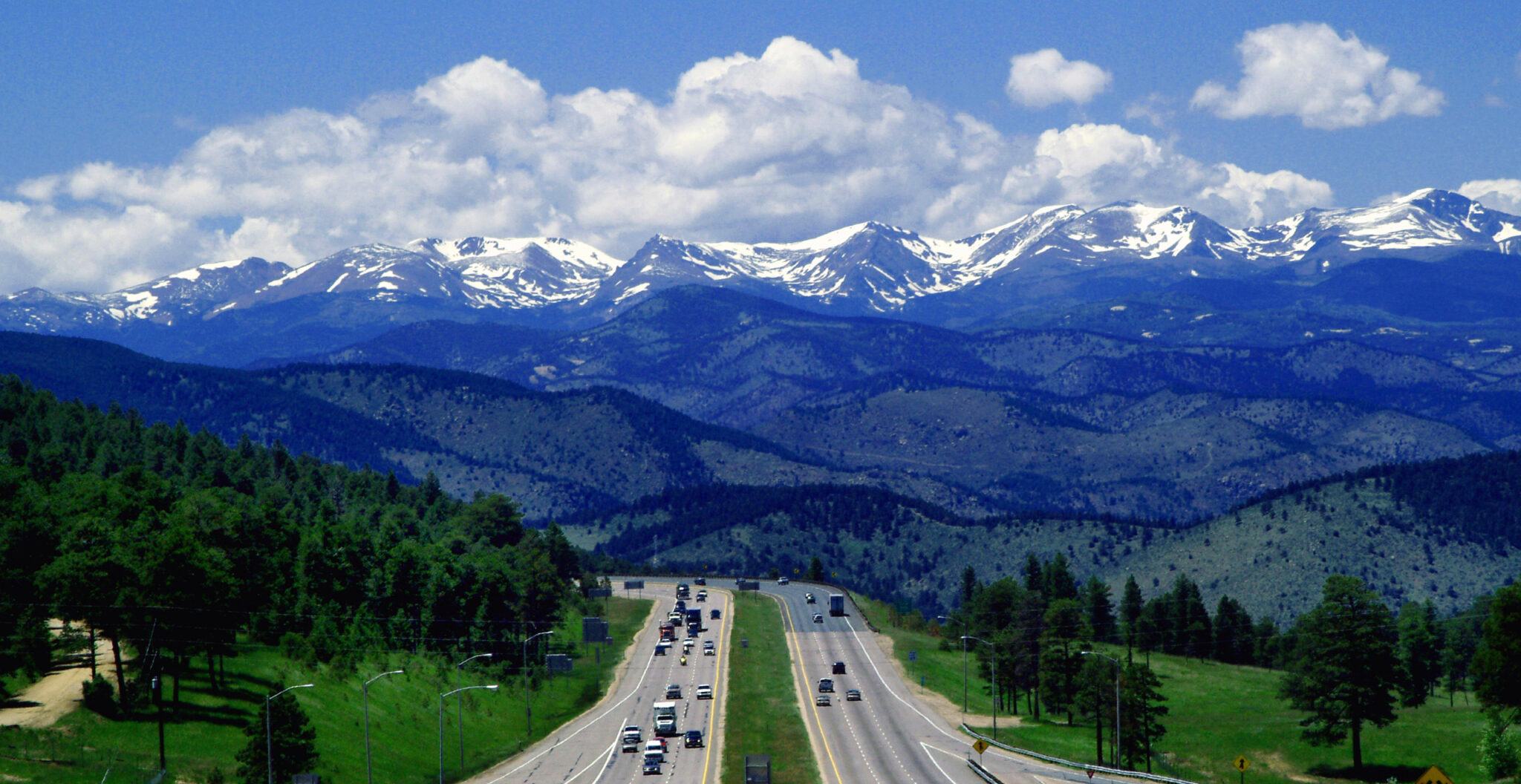
Starting in Denver, Colorado, drivers will merge onto I-70 West. This interstate is a major artery through the Colorado Rockies and offers stunning vistas as it ascends into the high country. The drive along I-70 will take you past several notable mountain towns and ski resorts, including Georgetown, Silverthorne, and Vail.
Exiting I-70
The turnoff for Aspen is typically at Glenwood Springs, where you will transition from I-70 West onto State Highway 82 East. This section of the journey is where the landscape becomes even more dramatic. Highway 82 leads directly into the Roaring Fork Valley, a picturesque corridor that ultimately arrives in Aspen.
Estimated Driving Time:
- Without significant traffic or stops: The drive typically takes between 3.5 to 4 hours.
- With traffic, construction, or weather delays: This can easily extend to 5 or even 6 hours.
- Factors affecting time:
- Time of day: Rush hour in Denver, Colorado can add considerable time.
- Season: Winter driving conditions can be challenging due to snow and ice, requiring slower speeds and potentially chain requirements. Summer weekends can see increased traffic as people head to the mountains.
- Construction: Road construction is common in the mountainous areas during warmer months, leading to delays.
- Weather: Unexpected snowstorms, especially in the shoulder seasons, can close mountain passes or necessitate detours.
Scenic Stops Along the Way
While the direct drive is efficient, there are numerous opportunities for breathtaking stops:
- Eisenhower Tunnel: One of the highest vehicular tunnels in the world, offering a unique engineering marvel and stunning mountain views.
- Vail Village: A charming European-inspired ski village, perfect for a coffee break or a stroll.
- Glenwood Springs: Known for its natural hot springs and the historic Glenwood Hot Springs Resort, offering a relaxing stop before the final leg to Aspen.
Flying Options: Denver International Airport to Aspen/Pitkin County Airport
For travelers prioritizing speed and convenience, flying is a viable, albeit more expensive, option. Denver International Airport (DEN) offers direct flights to Aspen/Pitkin County Airport (ASE).
Flight Duration
The flight time itself is very short, typically around 45 minutes to 1 hour. This is significantly faster than driving.
Airline Services
Several airlines operate this route, with service levels varying by season. It is advisable to book flights well in advance, especially during peak travel times for Aspen, such as the ski season or summer holidays.

Airport Proximity and Logistics
While flying eliminates the long drive, it’s important to factor in the time spent at airports:
- Getting to DEN: Allow ample time to reach Denver International Airport (DEN), which is located northeast of Denver, Colorado itself.
- Check-in and Security: Standard airport procedures apply.
- From ASE to Aspen: Aspen/Pitkin County Airport (ASE) is conveniently located just a few miles from downtown Aspen. Shuttle services, taxis, and rental cars are readily available. Many hotels also offer airport transfers.
Considerations for Flying:
- Cost: Flights between Denver, Colorado and Aspen are generally more expensive than driving.
- Baggage Restrictions: Be mindful of airline baggage allowances, particularly if you are bringing ski or snowboard equipment.
- Weather Delays: While less common than road closures, flights can be subject to delays or cancellations due to severe weather, especially at Aspen/Pitkin County Airport (ASE), which is nestled in the mountains.
Other Transportation Options
While driving and flying are the primary methods, other transportation choices exist for those who prefer not to drive or fly.
Bus Services
Intercity bus services connect Denver, Colorado to various mountain towns, including routes that may pass through or near Aspen. However, direct bus routes to Aspen can be less frequent and may involve transfers.
- Travel Time: Bus journeys will be considerably longer than driving directly, often exceeding 6-7 hours, depending on the route and stops.
- Comfort and Convenience: Bus travel can be a more economical option, but it offers less flexibility and comfort compared to a private vehicle.
Ride-Sharing Services
Ride-sharing platforms are available in Denver, Colorado, but long-distance trips to Aspen are typically not feasible or cost-effective. Pre-arranged private car services or shuttle companies are a more practical alternative for those seeking a chauffeured experience.
Train Travel
There is no direct train service between Denver, Colorado and Aspen. The nearest Amtrak station is in Glenwood Springs, from which one would still need to arrange ground transportation to Aspen. This option is generally more time-consuming and less direct than other methods.
Planning Your Travel to Aspen
The choice of transportation from Denver, Colorado to Aspen, Colorado depends heavily on individual priorities: budget, time constraints, and desired travel experience.
When to Travel
- Winter (December – March): This is peak ski season in Aspen. Roads can be snowy and icy, making driving more challenging. Flights are frequent, but prices are higher.
- Spring (April – May): The “shoulder season.” Skiing may still be possible at higher elevations, but lower resorts close. Road conditions improve.
- Summer (June – August): Ideal for hiking, biking, and exploring the natural beauty around Aspen. Roads are clear and generally good. This is also a popular time for visitors.
- Fall (September – November): “Golden Leaf” season, renowned for spectacular fall foliage. Road conditions are usually excellent. The transition to winter can bring early snow.
Factors to Consider
- Vehicle Rental: If driving, consider renting a vehicle with all-wheel drive or snow tires if traveling during the winter months. Ensure you are comfortable driving in mountain conditions.
- Navigation: GPS is essential, but having a physical map can be a backup, especially in areas with limited cell service.
- Flexibility: Allow for unexpected delays, particularly if you have onward travel arrangements or time-sensitive activities planned in Aspen.
- Luggage: Consider the amount of luggage you are bringing. Driving offers more space than flying, but bus travel can have restrictions.
- Cost: Budget for gas, potential tolls (though I-70 has few), parking in Aspen, and the cost of flights or other transit options.
By understanding the various distances, travel times, and logistical considerations, you can make an informed decision that best suits your travel style and ensures a seamless journey from the Mile High City to the renowned mountain paradise of Aspen.
LifeOutOfTheBox is a participant in the Amazon Services LLC Associates Program, an affiliate advertising program designed to provide a means for sites to earn advertising fees by advertising and linking to Amazon.com. Amazon, the Amazon logo, AmazonSupply, and the AmazonSupply logo are trademarks of Amazon.com, Inc. or its affiliates. As an Amazon Associate we earn affiliate commissions from qualifying purchases.