
Embarking on a journey across Colorado from its bustling capital to the scenic Western Slope offers a travel experience rich in diverse landscapes and vibrant culture. The question of “How far is Denver, Colorado to Grand Junction, Colorado?” is more than just a query about mileage; it’s an invitation to explore one of America’s most picturesque drives, filled with mountain grandeur, charming towns, and natural wonders. This comprehensive guide will navigate you through the distance, estimated travel times, various routes, and the myriad of experiences awaiting travelers making this quintessential Colorado journey.
Understanding the Journey: Distance and Time
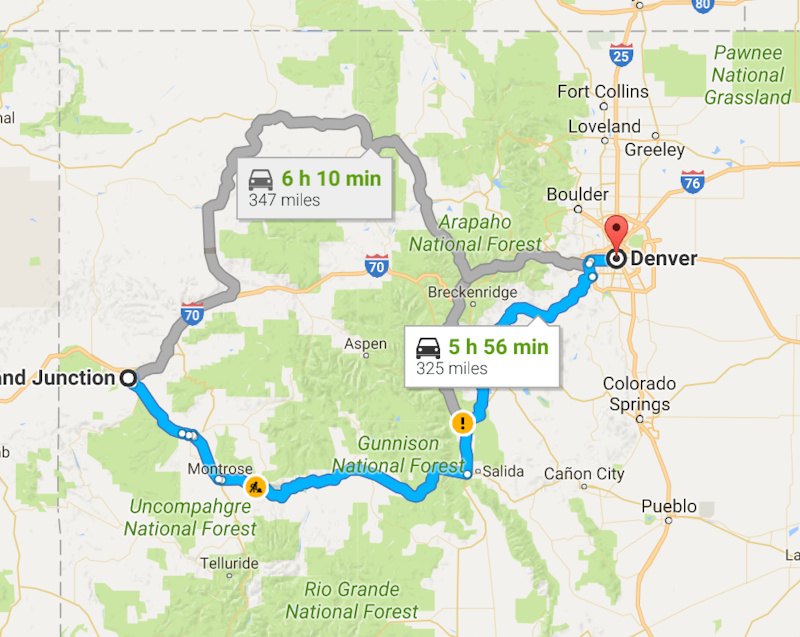
The primary route connecting Denver to Grand Junction is a well-traveled corridor that cuts through the heart of the Rocky Mountains. Understanding the actual distance and the factors that influence travel time is crucial for planning an efficient and enjoyable trip.
The Direct Route via I-70
The most direct and frequently used path between Denver and Grand Junction is via Interstate 70 (I-70). This highway spans approximately 240 to 250 miles, depending on the exact starting point in Denver and the destination in Grand Junction. For most travelers, this translates to a driving time of roughly 3.5 to 4.5 hours under ideal conditions.
The route begins by heading west from Denver, ascending into the majestic Rocky Mountains almost immediately. It crosses the Continental Divide through the engineering marvel of the Eisenhower Tunnel, and then descends through spectacular canyons and valleys before leveling out onto the Western Slope.
Factors Influencing Travel Time
While the mileage remains constant, several factors can significantly alter the actual time it takes to travel between these two Colorado hubs:
- Traffic Congestion: Especially during peak ski season weekends (winter months) or summer holidays, the stretches of I-70 west of Denver can experience severe traffic delays, adding hours to the journey. Early morning departures or mid-week travel can help mitigate this.
- Weather Conditions: Colorado’s mountain weather is famously unpredictable. Snowstorms, heavy rain, or even high winds can reduce visibility and necessitate slower speeds, leading to extended travel times. Chain laws may also be in effect during winter.
- Construction: Road maintenance and improvement projects are common on major highways. While beneficial in the long run, they can introduce temporary lane closures and speed restrictions.
- Stops and Detours: The estimated driving time is purely for continuous travel. Factor in time for fuel stops, meals, restroom breaks, and any scenic detours you might wish to take, such as exploring mountain towns or natural attractions.
Navigating the Scenic Drive: Routes and Road Conditions
The drive along I-70 from Denver to Grand Junction is renowned as one of the most scenic in the United States. It’s not merely a transit; it’s an integral part of the travel experience itself.
The Iconic Interstate 70 Corridor
The majority of travelers will stick to I-70 for its efficiency and breathtaking vistas. The highway climbs steadily from Denver’s elevation of around 5,280 feet to over 11,000 feet at the Eisenhower Tunnel, offering panoramic views of the Front Range. Beyond the tunnel, the descent is equally spectacular, passing through world-famous ski resorts and the engineering marvel that is Glenwood Canyon.
- Key Segments:
- Denver to Eisenhower Tunnel: This segment is characterized by steep ascents and winding roads. Towns like Georgetown and Silverthorne offer services and a glimpse into mountain life.
- Eisenhower Tunnel to Glenwood Springs: This section passes through resort towns such as Frisco, Dillon, Vail, and Eagle. The approach to Glenwood Springs through Glenwood Canyon is particularly awe-inspiring, with the highway carved directly into the canyon walls alongside the Colorado River.
- Glenwood Springs to Grand Junction: After Glenwood Springs, the terrain gradually flattens out, transitioning from alpine to high desert landscapes. Towns like Rifle and Parachute mark the approach to the Grand Valley.
Alternative Scenic Byways (Less Direct)
While I-70 is the most efficient, adventurous travelers might consider slightly longer, more scenic detours for a different perspective of Colorado. One such option could involve taking US-24 to CO-82 through Leadville and Independence Pass (summer only due to snow), eventually connecting to Glenwood Springs or further south via US-50. However, these routes add significant time and are subject to seasonal closures and conditions, making them more of a multi-day journey than a direct travel option. For the purpose of getting from Denver to Grand Junction efficiently, I-70 remains supreme.
Seasonal Considerations and Road Safety
Driving conditions vary drastically with the seasons. In winter (November to April), travelers must be prepared for snow and ice, especially in higher elevations. Colorado Department of Transportation (CDOT) frequently implements chain laws or traction laws on I-70 through the mountains. All-wheel drive or four-wheel drive vehicles with appropriate tires are highly recommended. Always check current road conditions via CDOT’s website or apps before departure. Summers typically offer clear roads but can occasionally see afternoon thunderstorms.
Unforgettable Stops Along the Way
The journey from Denver to Grand Junction is punctuated by numerous opportunities to explore. Taking the time to stop and appreciate these attractions can transform a simple drive into an unforgettable adventure.
Eisenhower Tunnel and Mountain Passes
Just before entering the Eisenhower Tunnel, travelers can take a moment at the scenic overlook for expansive views of the Continental Divide and the surrounding peaks. The tunnel itself is a feat of engineering, carrying I-70 beneath the towering mountains.
High-Altitude Towns: Vail, Breckenridge, Glenwood Springs
- Frisco/Dillon/Silverthorne: These towns, clustered around Lake Dillon, offer ample dining, shopping, and outdoor recreational activities. Frisco features a charming historic main street.
- Vail: A world-renowned ski resort, Vail boasts a European-inspired village with high-end shops, restaurants, and beautiful scenery year-round. It’s a great spot for a luxurious lunch break or a stroll.
- Glenwood Springs: Located at the confluence of the Roaring Fork and Colorado Rivers, Glenwood Springs is famous for its natural hot springs. The Glenwood Hot Springs Resort and Iron Mountain Hot Springs offer relaxing soaks. Adventurous travelers can also hike to Hanging Lake (permit required) or explore the Glenwood Caverns Adventure Park.
Natural Wonders
- Rifle Falls State Park: A slight detour north from I-70 near the town of Rifle, this park features a unique triple waterfall and limestone caves, perfect for a short nature walk.
- Colorado National Monument: As you approach Grand Junction, a detour to the Colorado National Monument is highly recommended. Often referred to as “Little Grand Canyon,” it offers stunning red rock canyons, towering monoliths, and breathtaking scenic drives, making it an excellent precursor to the beauty of the Grand Valley.
Beyond Driving: Other Travel Options
While driving is the most popular and flexible way to travel between Denver and Grand Junction, other modes of transport cater to different preferences and needs.
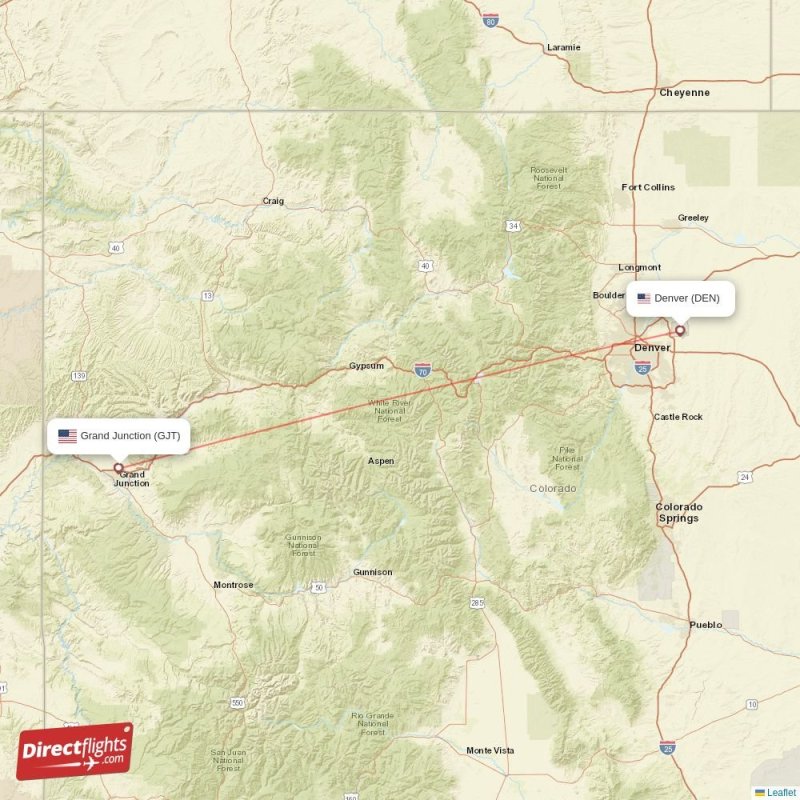
Air Travel: Denver International Airport to Grand Junction Regional Airport
For those prioritizing speed, flying is an option. Direct flights are available from Denver International Airport (DIA) to Grand Junction Regional Airport (GJT). The flight time is typically around 1 hour. However, when factoring in travel to and from airports, security checks, and baggage claim, the total travel time might not be significantly faster than driving, especially for solo travelers or small groups. It does offer the advantage of bypassing potential mountain traffic and winter driving conditions.
Bus and Train Services: Amtrak and Greyhound
- Amtrak: The renowned California Zephyr train route connects Denver’s Union Station to Grand Junction’s train station. This train journey is arguably the most scenic of all, traversing incredible canyons and mountains, including portions of Glenwood Canyon that are inaccessible by car. The journey takes approximately 6-7 hours, offering a relaxing way to enjoy the landscape without the stress of driving.
- Greyhound: Bus services also operate between Denver and Grand Junction. These trips typically take longer than driving, usually around 5-6 hours or more, depending on stops. It’s a budget-friendly option for travelers without a car or those who prefer not to drive.
Preparing for Your Trip: Essential Travel Tips
Regardless of your chosen mode of transportation, a well-planned trip enhances the overall experience.
Vehicle Maintenance and Supplies
If driving, ensure your vehicle is in good condition. Check tire pressure, fluid levels, and brakes. In winter, snow tires or chains may be necessary. Always carry an emergency kit including extra warm clothing, water, snacks, a first-aid kit, a flashlight, and a phone charger. Keep your fuel tank at least half full, as services can be sparse in some mountain stretches.
High-Altitude Preparedness
Denver is already at a significant elevation, and the route to Grand Junction ascends even higher. Travelers not accustomed to high altitudes may experience symptoms like headaches or dizziness. Drink plenty of water, avoid excessive alcohol, and take it easy, especially during the first day.
Staying Connected and Informed
Cell phone service can be spotty in certain mountainous areas, particularly within canyons. Download offline maps and keep informed about real-time road conditions. CDOT provides excellent resources for road and weather updates, which are invaluable for safe travel through Colorado’s high country.
The distance from Denver to Grand Junction is a manageable drive, but it’s more than just miles on the odometer. It’s a journey through the heart of the Rocky Mountains, offering unparalleled beauty and a chance to experience the diverse facets of Colorado’s landscape. Whether you choose the efficiency of driving, the speed of flying, or the scenic charm of a train, preparing adequately will ensure a smooth and memorable travel experience to the Western Slope.
LifeOutOfTheBox is a participant in the Amazon Services LLC Associates Program, an affiliate advertising program designed to provide a means for sites to earn advertising fees by advertising and linking to Amazon.com. Amazon, the Amazon logo, AmazonSupply, and the AmazonSupply logo are trademarks of Amazon.com, Inc. or its affiliates. As an Amazon Associate we earn affiliate commissions from qualifying purchases.