
The allure of the Rocky Mountains meets the electrifying energy of the desert, and for many, the question arises: “How far is Denver from Las Vegas?” This journey, whether you’re craving the crisp mountain air or the dazzling lights of the Strip, presents a fascinating contrast in American landscapes and experiences. Understanding the distance and the various ways to traverse it is key to planning your ultimate adventure. Whether you’re a seasoned traveler seeking a new route or a first-timer aiming to connect two iconic destinations, this guide will illuminate the path between Denver and Las Vegas, exploring the driving, flying, and even scenic road trip options.

This route is more than just miles; it’s a transition from the high-altitude serenity of the Rockies to the low-lying, vibrant pulse of the Mojave Desert. Denver, the “Mile-High City,” boasts a majestic backdrop of snow-capped peaks and a thriving urban scene steeped in outdoor adventure. Las Vegas, on the other hand, is a global entertainment capital, a testament to human ingenuity and a playground for those seeking thrills, luxury, and unforgettable nightlife. Bridging these two distinct worlds requires a look at the practicalities of travel, the allure of the journey itself, and the diverse experiences that await at either end.
The Direct Route: Understanding the Distance and Driving Time
The most common and direct way to travel between Denver and Las Vegas is by car. The distance and estimated driving time are crucial for any road trip planner. The standard route, primarily utilizing Interstate 70 West and then heading south, covers a significant span of varied terrain.
Driving Distance and Estimated Time
The driving distance between Denver and Las Vegas is approximately 830 miles (around 1,335 kilometers). This figure can vary slightly depending on the exact starting and ending points within each city and the specific route taken.
The estimated driving time, without factoring in any stops for gas, food, or rest, is typically between 12 to 14 hours. This is a substantial journey, and it’s highly recommended to break it up into at least two days to ensure a safe and enjoyable experience. Driving straight through can be exhausting and potentially dangerous, especially if you’re unfamiliar with the roads or the conditions.
Key Routes and Road Conditions
The primary route often involves taking Interstate 70 West out of Denver, which offers stunning mountain scenery as you traverse the Rocky Mountains. This section of the drive can be particularly breathtaking, with opportunities to stop and admire the views. As you continue west on I-70, you’ll eventually head south, often connecting to Interstate 15 South which leads directly into Las Vegas.
Interstate 70 is a major highway, well-maintained for the most part. However, it’s crucial to be aware of weather conditions, especially during the winter months. Snow and ice can significantly impact travel times and may even lead to temporary road closures in the mountainous passes. Always check local weather reports and road conditions before embarking on your journey, especially if traveling during the colder seasons.
Interstate 15 is the main artery connecting Southern California, Las Vegas, and Salt Lake City. It’s a busy highway, and traffic can be a factor, particularly around major cities and during peak travel times. The stretch through Utah and Arizona offers desert landscapes, with vast open spaces and changing geological formations.
Breaking Up the Journey: Recommended Stops
Given the 12-14 hour driving time, an overnight stop is essential. There are several towns and cities along the route that make excellent stopping points, offering a chance to rest, refuel, and perhaps even experience a bit of local flavor.
Southwestern Colorado and Eastern Utah
- Grand Junction, Colorado: Located in western Colorado, about halfway through the first day’s drive from Denver, Grand Junction is a popular stop. It’s known for its proximity to the Colorado National Monument, offering stunning red rock canyon views. You can find a range of hotels and restaurants here.
- Moab, Utah: If you’re looking for an adventure-focused stop, Moab is the place. It’s a gateway to Arches National Park and Canyonlands National Park, renowned for their iconic rock formations and hiking trails. This would extend your first day’s drive slightly but offers incredible natural beauty.
- Green River, Utah: A smaller town, Green River offers more basic amenities and a quieter stop. It’s a good option if you prefer a less touristy experience.
Southern Utah and Northern Arizona
- St. George, Utah: This city in southern Utah is a significant hub along I-15. It offers a good selection of hotels, dining options, and is a convenient stopping point before the final push to Las Vegas. It’s also close to Zion National Park, though a detour to Zion would add considerable time.
- Cedar City, Utah: Another pleasant stop in southern Utah, Cedar City is home to Southern Utah University and the Shakespeare Festival, offering a touch of culture alongside typical roadside amenities.
Choosing your stop depends on your interests and how much driving you want to do each day. Planning your overnight stay in advance is advisable, especially during peak travel seasons.
Flying Between Denver and Las Vegas: The Speedier Option
For those prioritizing speed and convenience, flying is the most efficient way to travel between Denver and Las Vegas. The flight time is significantly shorter than driving, making it an ideal choice for weekend getaways or business trips.
Flight Durations and Airlines
Direct flights between Denver International Airport (DEN) and McCarran International Airport (LAS) are frequent and offered by several major airlines. The actual flight time is remarkably short, typically around 1 hour and 45 minutes to 2 hours.
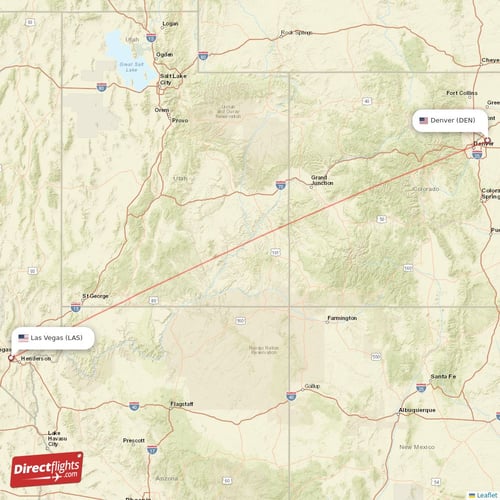
Major airlines that commonly operate this route include:
- Southwest Airlines: Often a popular choice for its frequent flights and customer-friendly policies.
- United Airlines: As a hub for United, Denver offers numerous United flights to Las Vegas.
- Frontier Airlines: A budget-friendly option that frequently services this route.
- Allegiant Air: Another low-cost carrier that might offer flights.
When booking, always check the airlines and their schedules as these can change.
Airport Procedures and Travel Time
While the flight itself is short, it’s important to factor in the time spent at airports.
- Getting to the Airport: Allow ample time to travel to Denver International Airport, especially considering its size and potential traffic. This could be 30-60 minutes depending on your location in Denver.
- Check-in and Security: Arrive at the airport at least 1.5 to 2 hours before your domestic flight to allow for check-in, bag drop, and navigating security checkpoints. Denver International Airport has robust security measures, so patience is key.
- Boarding and Deplaning: Factor in boarding time and the time it takes to exit the aircraft and collect any checked luggage upon arrival at McCarran International Airport.
- Getting from the Airport: McCarran International Airport is conveniently located just off the Las Vegas Strip. Taxis, rideshares, shuttles, and rental cars are readily available to take you to your accommodation.
In total, while the flight is under two hours, the door-to-door travel time, including all airport procedures, can easily amount to 4 to 5 hours. This is still considerably faster than driving.
Cost Considerations: Flights vs. Driving
The cost comparison between flying and driving can be dynamic and depends on several factors.
- Flight Prices: Flight prices fluctuate based on demand, how far in advance you book, the airline, and the time of year. Budget airlines can offer very competitive fares, while last-minute bookings or peak season travel can be more expensive.
- Driving Costs: Driving costs include gasoline, which can be substantial for an 830-mile trip, especially with fluctuating gas prices. You also need to account for food and lodging for your overnight stop. Wear and tear on your vehicle is also a factor, though often not directly accounted for in immediate costs.
- Rental Cars: If you don’t own a car and are considering driving, the cost of a one-way rental car can be significant and may negate some of the savings compared to flying.
Generally, if you can find competitive flight deals, flying can be more cost-effective and certainly time-saving. However, if you’re traveling with multiple people, have a lot of luggage, or enjoy road trips, driving might still be a viable and enjoyable option.
Exploring Along the Way: A Road Trip Through Diverse Landscapes
The drive from Denver to Las Vegas is not just a means to an end; it’s an opportunity to witness the dramatic transformation of the American landscape. This route cuts through the heart of the West, offering a rich tapestry of natural wonders and cultural touchstones.
The Majestic Rockies and High Plains
Leaving Denver, you are immediately immersed in the grandeur of the Rocky Mountains. The drive on Interstate 70 West takes you through Eisenhower Tunnel, one of the highest vehicular tunnels in the world, and past iconic ski resorts like Vail and Aspen (though a detour is required for Aspen). The vistas are truly awe-inspiring, with towering peaks, deep canyons, and the crystal-clear waters of rivers like the Colorado River.
As you descend from the mountains into western Colorado and eastern Utah, the landscape begins to change. The rugged, forested mountains give way to arid plateaus and the distinctive red rock formations that define the high desert. This transition is a spectacle in itself, showcasing the geological diversity of the region.
The Deserts of Utah and Nevada
Entering Utah on Interstate 15 marks a significant shift. The scenery becomes drier, characterized by vast expanses of desert, unique geological features, and a stark beauty. Towns like St. George offer a glimpse into the communities that thrive in these arid environments.
As you continue south into Arizona and then into Nevada, the desert environment intensifies. The landscape is punctuated by Joshua trees, colorful rock formations, and the endless horizon. This is classic Mojave Desert territory, a landscape that has captivated artists, writers, and travelers for generations with its raw, untamed beauty.

Points of Interest and Detours
While the direct route is efficient, there are numerous potential detours and points of interest that can enrich your journey.
- National Parks: The absolute stars of this route are the national parks. While a dedicated trip to Arches National Park or Canyonlands National Park near Moab would require significant time, even glimpsing their dramatic landscapes from a distance or taking a short scenic drive can be rewarding. Zion National Park is another world-class park accessible with a detour from I-15 in southern Utah, offering towering sandstone cliffs and narrow canyons.
- National Monuments and State Parks: Numerous smaller parks and monuments offer incredible scenery without the time commitment of a major national park. The Colorado National Monument near Grand Junction is easily accessible and provides a taste of red rock country.
- Ghost Towns and Historical Sites: The West is rich with history, and along this route, you might find remnants of mining towns or pioneer settlements. Researching historical markers can add a fascinating dimension to your drive.
- Route 66 Segments: Parts of the historic Route 66 pass through Arizona and Nevada. While not directly on the I-70 to I-15 route, with some planning, you could incorporate a segment of this iconic highway for a taste of classic Americana.
- Hoover Dam: As you approach Las Vegas from the north, you’ll pass through the Lake Mead National Recreation Area, which is adjacent to the iconic Hoover Dam. A stop here offers a chance to marvel at this engineering feat and enjoy panoramic views of Lake Mead.
Planning these detours requires careful consideration of your available time. Even small detours can add hours to your trip. However, for those who appreciate the journey as much as the destination, these additions can transform a simple drive into an unforgettable exploration of the American West. The contrast between the alpine splendor of Colorado and the stark beauty of the Mojave Desert is a powerful reminder of the vastness and variety of this incredible country.
LifeOutOfTheBox is a participant in the Amazon Services LLC Associates Program, an affiliate advertising program designed to provide a means for sites to earn advertising fees by advertising and linking to Amazon.com. Amazon, the Amazon logo, AmazonSupply, and the AmazonSupply logo are trademarks of Amazon.com, Inc. or its affiliates. As an Amazon Associate we earn affiliate commissions from qualifying purchases.