
Embarking on a journey through the majestic Rocky Mountains of Colorado from the vibrant capital city of Denver to the world-renowned resort town of Aspen is an adventure that many travelers dream of. This iconic route offers breathtaking scenery, diverse activities, and a contrast between urban sophistication and alpine luxury. Whether you’re planning a ski trip, a summer escape, or a scenic drive, understanding the distance, travel time, and various transportation options is crucial for a seamless experience. This comprehensive guide will navigate you through everything you need to know about traveling from Denver to Aspen, encompassing travel logistics, local attractions, accommodation insights, and lifestyle choices to help you plan your perfect Colorado getaway.

The Journey Unveiled: Distance and Driving Time
The distance between Denver and Aspen isn’t just a number; it’s an introduction to one of the most scenic drives in the United States. Typically, the distance by road is approximately 160-200 miles (257-322 kilometers), depending on the specific route taken and the starting point within Denver. However, due to the challenging mountain terrain and the need to traverse some of Colorado’s most iconic passes, the travel time can vary significantly.
Understanding the Route: I-70 West
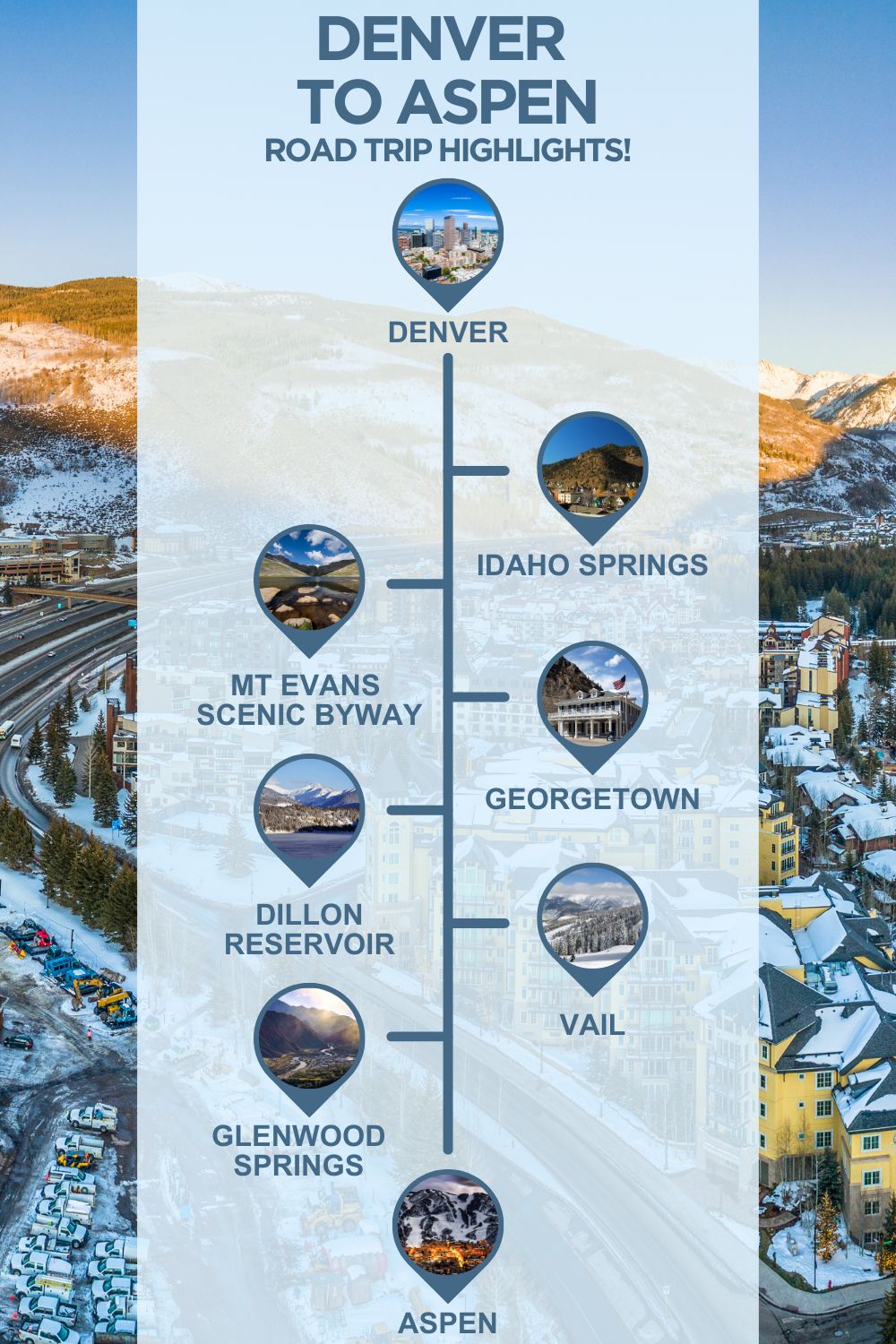
The primary and most common route from Denver to Aspen involves heading west on Interstate 70 (I-70). This major artery carves its way through the heart of the Rocky Mountains, offering spectacular vistas and connecting many of Colorado’s famous ski towns. From Denver, you’ll follow I-70 west through mountain towns like Silverthorne, Frisco, and past the exits for world-class resorts such as Vail and Beaver Creek.
The journey continues through the breathtaking Glenwood Canyon, a magnificent 12.5-mile gorge carved by the Colorado River, known for its towering cliffs and innovative engineering marvels like the elevated highway sections. After exiting I-70 at Glenwood Springs, you’ll transition onto Highway 82, also known as the Roaring Fork Valley Highway, which leads directly into Aspen. This final stretch is approximately 40 miles (64 kilometers) and is a picturesque drive in itself, following the Roaring Fork River through scenic landscapes.
Factors Influencing Travel Time
While the direct driving time without stops is typically around 3.5 to 4 hours, several factors can significantly impact your actual travel duration:
- Traffic: I-70 can experience heavy traffic, especially during peak ski season weekends, major holidays, and on Sunday afternoons when many travelers return to Denver from the mountains. Traffic jams, particularly around the Eisenhower Tunnel and through popular resort areas, can easily add an hour or more to your journey.
- Weather Conditions: Colorado’s mountain weather is famously unpredictable. Snowstorms, heavy rain, or icy conditions, especially during winter months, can necessitate slower driving speeds, lead to road closures, or require four-wheel drive vehicles and snow tires. Always check the Colorado Department of Transportation (CDOT) website for current road conditions before departing.
- Stops and Sightseeing: The route is rich with opportunities for sightseeing, dining, and outdoor activities. Many travelers choose to make stops in places like Georgetown, Vail, or Glenwood Springs to stretch their legs, enjoy a meal, or explore local attractions. These planned (or unplanned) detours will naturally extend your travel time but enhance the overall experience.
- Time of Day/Week: Traveling early in the morning on a weekday often offers the clearest roads, while late afternoon/evening and weekend travel are generally busier.
Considering these variables, it’s wise to allocate at least 4-6 hours for the drive, especially if you plan to enjoy the journey rather than rush through it.
Navigating Your Way: Transportation Options
Getting from Denver to Aspen offers a variety of transportation choices, catering to different budgets, preferences, and travel styles. Each option presents its own set of advantages, from the flexibility of a private vehicle to the convenience of a direct flight.
The Scenic Drive: A Road Trip Adventure
Driving yourself is arguably the most popular way to reach Aspen from Denver, offering unparalleled flexibility and the chance to fully immerse yourself in the magnificent Colorado landscape. Renting a car from Denver International Airport (DIA) or downtown Denver is straightforward, with a wide selection of vehicles available. For winter travel, consider renting an SUV with all-wheel drive or four-wheel drive, and ensure it’s equipped with appropriate tires for snowy conditions.
- Pros: Ultimate flexibility to stop anywhere, enjoy scenic viewpoints, and set your own pace. Ideal for those traveling with luggage or equipment (e.g., ski gear).
- Cons: Can be tiring, especially in adverse weather or heavy traffic. Parking in Aspen can be expensive and limited. Potential for unpredictable road conditions in winter.
- Tips: Plan your route in advance, check weather and road conditions (via CDOT), and consider leaving early to avoid peak traffic. Keep an emergency kit, water, and snacks in your car, especially for winter journeys. An alternative scenic route in summer (typically late May to October) is over Independence Pass, which offers even more dramatic views but is narrower, windier, and not suitable for all vehicles.
Air Travel: Quickest but Costliest
For those prioritizing speed and convenience, flying directly from Denver International Airport (DIA) to Aspen/Pitkin County Airport (ASE) is the fastest option. Several airlines, including United Airlines, offer direct flights, typically lasting around 30-45 minutes.
- Pros: Significantly reduces travel time. Offers stunning aerial views of the Rocky Mountains.
- Cons: Can be significantly more expensive than driving or shuttle services. Flights to ASE are subject to weather delays, especially in winter, potentially leading to diversions to other airports like Eagle County Regional Airport (EGE) or even DIA. Luggage restrictions might apply, especially for ski or snowboard equipment.
- Tips: Book well in advance, especially during peak seasons, to secure better fares. Be prepared for potential weather-related delays or changes.
Public and Private Shuttles: Convenient Alternatives
Various shuttle services provide comfortable and reliable transportation between Denver and Aspen. These range from shared ride services to private vans, offering a stress-free option for those who prefer not to drive or fly. Companies like Colorado Mountain Express (CME) and Snowmass Express are popular choices, offering services from DIA directly to hotels or residences in Aspen and Snowmass.
- Pros: No need to navigate or worry about parking. Comfortable and allows you to relax or work during the journey. Often more economical than flying for solo travelers or small groups.
- Cons: Less flexible than driving your own car regarding stops or departure times. Shared rides may involve multiple stops, increasing travel time.
- Tips: Book your shuttle service in advance, especially during busy periods. Confirm luggage policies if you have oversized items like skis.
Luxury Transfers: Elevating Your Experience
For travelers seeking a premium experience, luxury private transfer services are available. These services typically offer high-end SUVs or executive vans, often equipped with amenities like Wi-Fi, refreshments, and professional chauffeurs who are experienced in navigating mountain roads. This option is perfect for business travelers, families, or those celebrating a special occasion.
- Pros: Utmost comfort, privacy, and convenience. Door-to-door service directly to your accommodation. Experienced drivers ensure a safe and smooth journey.
- Cons: The most expensive transportation option.
- Tips: Specify any particular requirements you have when booking, such as child seats or extra space for luggage. Confirm the vehicle type and amenities beforehand.
Unlocking the Best of Both Worlds: What to See and Do
The journey from Denver to Aspen is not just about the destination; it’s an opportunity to explore some of Colorado’s most iconic landmarks and enjoy a diverse range of activities.
Starting Your Adventure in Denver: The Mile-High City
Before you even hit the road, take some time to explore Denver. As the capital and largest city in Colorado, it offers a vibrant urban experience with a strong outdoor appeal.
- Cultural Attractions: Visit the Denver Art Museum, explore the historic Union Station with its array of shops and restaurants, or stroll through Larimer Square for its Victorian architecture and lively atmosphere.
- Family Fun: The Downtown Aquarium and the Denver Zoo are excellent choices for families.
- Outdoor Activities: Enjoy a concert at the iconic Red Rocks Amphitheatre (a short drive from downtown) or explore the urban green spaces like City Park or Confluence Park.
- Food and Drink: Denver’s culinary scene is booming, with everything from farm-to-table restaurants to craft breweries. Explore the RiNo Art District for unique eateries and murals.
Enchanting Aspen: A Mountain Paradise
Once you arrive in Aspen, you’ll discover why it’s a premier destination year-round. Known for its world-class skiing, stunning natural beauty, and sophisticated ambiance, Aspen offers an abundance of activities.
- Winter Sports: Home to four distinct ski areas – Aspen Mountain (Ajax), Snowmass, Aspen Highlands, and Buttermilk – Aspen caters to all skill levels. Beyond skiing and snowboarding, enjoy cross-country skiing, snowshoeing, and ice skating.
- Summer Adventures: In warmer months, the mountains transform into a playground for hiking, mountain biking, fly-fishing in the Roaring Fork River, and whitewater rafting.
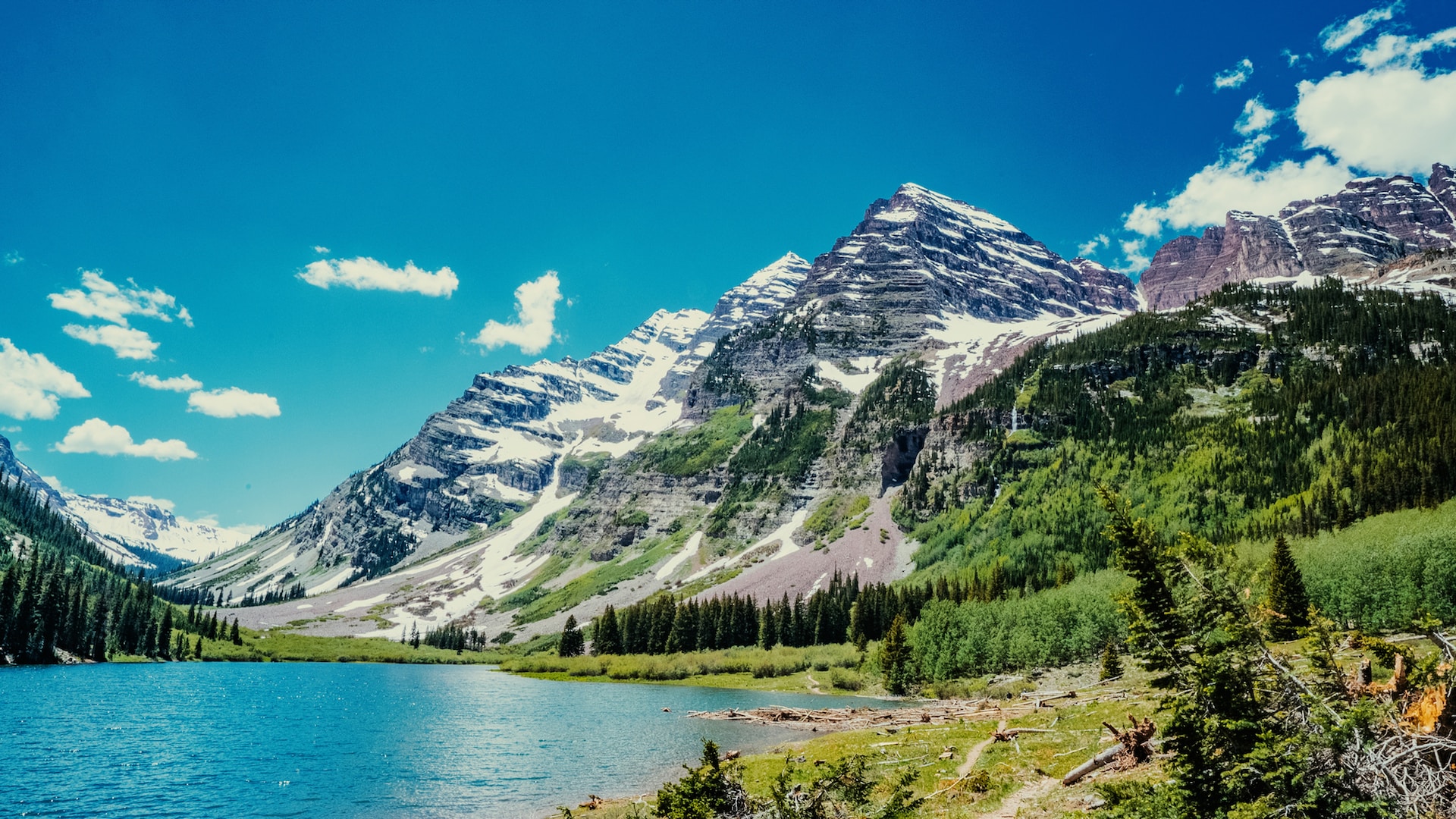
- Iconic Landmarks: No visit to Aspen is complete without seeing the Maroon Bells, two 14,000-foot peaks mirrored in Maroon Lake, often cited as the most photographed mountains in North America.
- Culture and Arts: Aspen also boasts a vibrant arts and culture scene, with numerous galleries, the Aspen Art Museum, and various festivals throughout the year.
Stops Along the Way: Hidden Gems of the Rockies
The drive itself presents several opportunities for memorable stops:
- Glenwood Springs: Located at the intersection of I-70 and Highway 82, Glenwood Springs is famous for its natural hot springs. A dip in the historic Glenwood Hot Springs Resort pool or a visit to the smaller, more intimate Iron Mountain Hot Springs can be a perfect way to break up the drive. Adventure seekers can also explore Glenwood Caverns Adventure Park.
- Vail: This iconic ski town, approximately two hours west of Denver, offers charming European-inspired villages, high-end shopping, and dining. Even if you’re not skiing, a stroll through Vail Village is delightful.
- Frisco: A quaint town on Dillon Reservoir, Frisco is a great stop for a meal or to stretch your legs. It’s often less crowded than its more famous neighbors.
- Georgetown: A historic mining town, Georgetown offers a glimpse into Colorado’s past with its Victorian architecture and the Georgetown Loop Railroad, a narrow-gauge scenic railway.
Planning Your Stay: Accommodation and Lifestyle Choices
Both Denver and Aspen offer a wide spectrum of accommodation options, catering to every budget and travel style, from luxurious resorts to cozy boutique hotels and family-friendly apartments.
Denver’s Diverse Lodging Landscape
Denver, being a major urban center, provides extensive choices:
- Luxury Hotels: For upscale stays, consider properties like The Ritz-Carlton, Denver or Four Seasons Hotel Denver, offering top-tier amenities and services.
- Boutique and Lifestyle Hotels: Hotel Clio, a Luxury Collection Hotel, Cherry Creek or The Maven Hotel at Dairy Block offer unique experiences with local flair.
- Business and Convention Hotels: Hotels like the Hyatt Regency Denver at Colorado Convention Center or the Grand Hyatt Denver are ideal for those attending events or on business trips.
- Budget-Friendly Options: Numerous well-known hotel chains and independent properties scattered throughout the metro area provide comfortable stays at more accessible price points.
Aspen’s Exclusive Resorts and Boutique Stays
Aspen is synonymous with luxury, and its accommodation reflects this, though options exist for various budgets.
- Ultra-Luxury Resorts: The Little Nell, Hotel Jerome, Auberge Resorts Collection, and the St. Regis Aspen Resort are iconic choices, offering ski-in/ski-out access, opulent amenities, and unparalleled service.
- Boutique Hotels: The Limelight Hotel Aspen or W Hotel Aspen provide stylish and vibrant experiences, often with a more contemporary feel.
- Condos and Villas: For longer stays, families, or groups, renting a private condo or villa in Aspen or neighboring Snowmass can be a cost-effective and comfortable option, often equipped with kitchens and multiple bedrooms.
- Budget Considerations: While “budget” is relative in Aspen, looking for accommodations in Snowmass (which offers excellent free bus service to Aspen) or considering guesthouses and smaller inns during off-peak seasons can provide more affordable alternatives. Booking well in advance is crucial, especially for winter and summer peak times.
Budget-Friendly Options and Family Accommodations
For travelers mindful of their budget, exploring areas slightly outside the immediate downtowns of both cities can yield more affordable results. In Denver, neighborhoods like Capitol Hill or near the University of Denver can offer good value. For Aspen, as mentioned, Snowmass is often a more budget-friendly choice, and there are also hotel options in Glenwood Springs for those who don’t mind a 45-minute drive to [Aspen](https://lifeoutofthebox.com/aspen].
Family trips benefit from accommodations offering suites, connecting rooms, or kitchenettes. Resorts in both destinations often have kids’ clubs, pools, and activities specifically designed for younger guests. When booking, always check for amenities like complimentary breakfast, shuttle services, and on-site recreation to maximize convenience and value.
Essential Travel Tips for a Seamless Trip
Preparing adequately for your journey from Denver to Aspen will ensure a smoother and more enjoyable travel experience.
Best Time to Visit
- Winter (December – March): Peak ski season. Expect colder temperatures, heavy snow, and potential road closures. Book accommodations and transportation well in advance. Prices are generally highest.
- Spring (April – May): “Shoulder season” – fewer crowds, lower prices, but variable weather (can still snow). Some attractions might have limited hours. Excellent for late-season skiing and early spring hiking.
- Summer (June – August): Beautiful warm weather, ideal for hiking, biking, and outdoor festivals. Independence Pass opens during this period. Aspen is very popular, so book ahead.
- Fall (September – November): Stunning fall foliage, especially in late September and early October. Pleasant temperatures and fewer crowds. A fantastic time for scenic drives and photography. Weather can start to turn colder with early snowfalls possible by November.
Packing Essentials
Given Colorado’s variable climate, layering is key. Regardless of the season, include:
- Warm Layers: Fleece, sweaters, and a waterproof/windproof outer shell.
- Comfortable Shoes: For walking and hiking.
- Sun Protection: Sunscreen, sunglasses, and a hat – the sun is intense at high altitudes.
- Hydration: A reusable water bottle is a must.
- Medication: Any personal medications, and consider motion sickness remedies for mountain roads.
- Winter Specifics: Thermal underwear, waterproof gloves, warm hat, and appropriate ski/snowboard gear if applicable.
High Altitude Awareness
Both Denver (5,280 feet / 1,609 meters) and especially Aspen (7,908 feet / 2,410 meters) are at high altitudes. It’s common for visitors to experience mild symptoms of altitude sickness, such as headaches, nausea, or fatigue.
- Hydrate: Drink plenty of water before and during your trip.
- Acclimatize: Take it easy for the first 24-48 hours, avoiding strenuous activities.
- Limit Alcohol: Alcohol can exacerbate altitude sickness symptoms.
- Listen to Your Body: If symptoms worsen, descend to a lower altitude and seek medical attention if necessary.
In conclusion, the journey from Denver to Aspen is more than just covering a distance; it’s an immersive experience through some of Colorado’s most spectacular landscapes. With careful planning and an adventurous spirit, you can choose the travel method and itinerary that best suits your desires, ensuring an unforgettable trip to these iconic destinations.
LifeOutOfTheBox is a participant in the Amazon Services LLC Associates Program, an affiliate advertising program designed to provide a means for sites to earn advertising fees by advertising and linking to Amazon.com. Amazon, the Amazon logo, AmazonSupply, and the AmazonSupply logo are trademarks of Amazon.com, Inc. or its affiliates. As an Amazon Associate we earn affiliate commissions from qualifying purchases.