
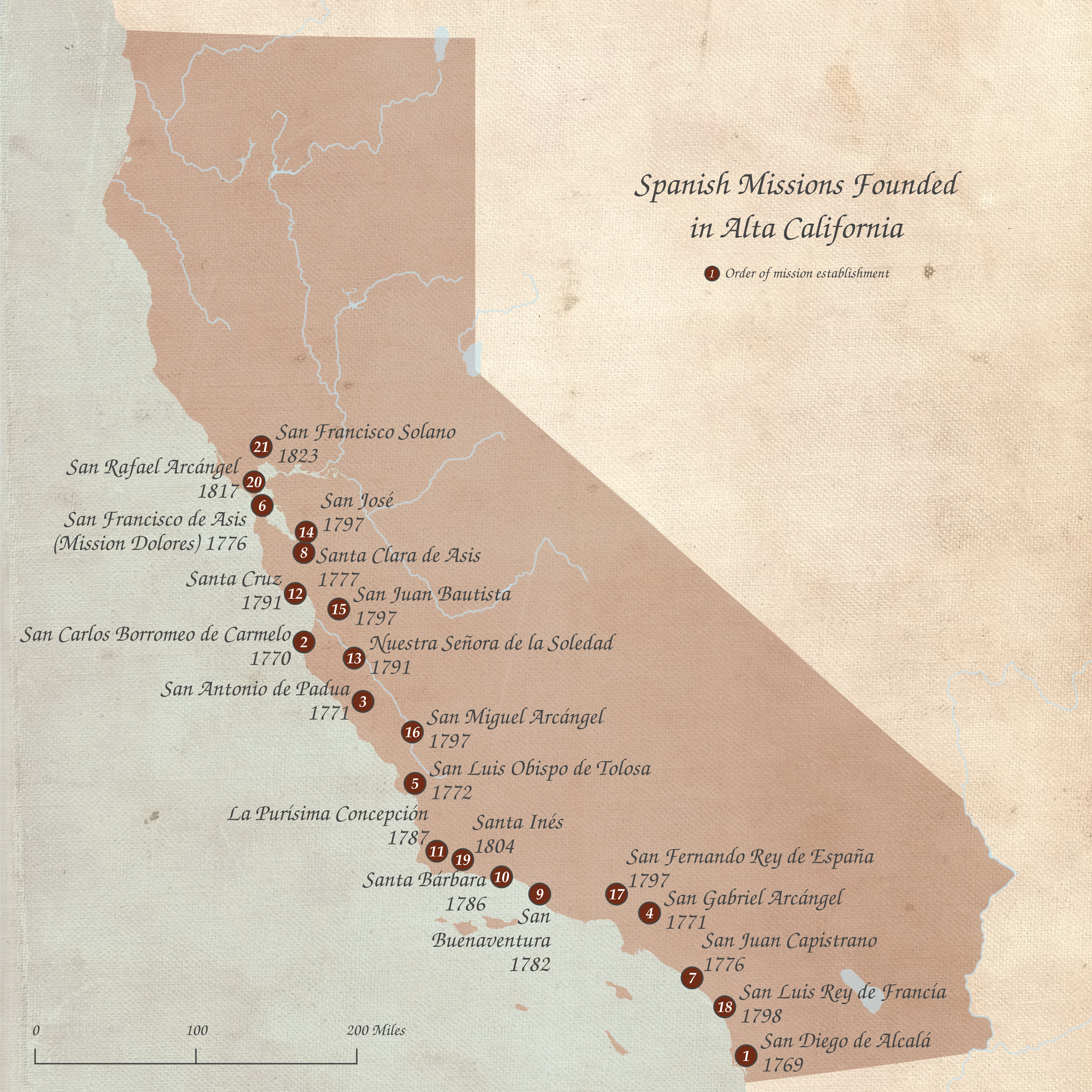
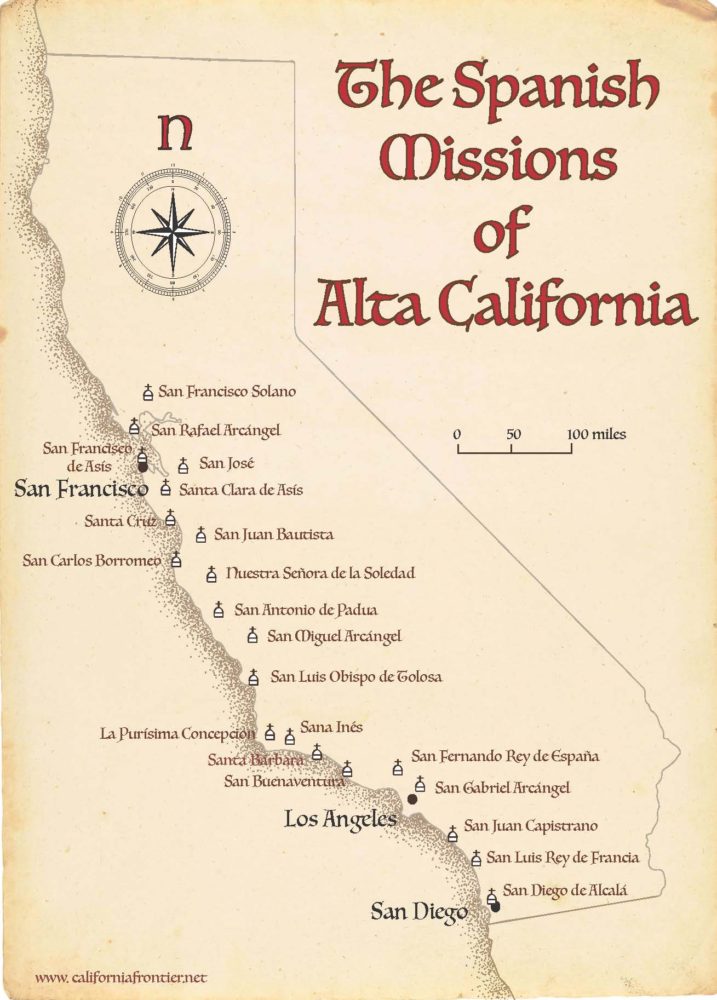
California, a land renowned for its diverse landscapes, vibrant cities, and innovative spirit, holds within its sprawling borders a rich tapestry of history that continues to captivate both residents and visitors alike. Central to this historical narrative are the iconic California Missions, a chain of religious outposts established by Spanish missionaries in the late 18th and early 19th centuries. For anyone embarking on a journey through the Golden State, understanding the legacy and sheer number of these fascinating landmarks is crucial to appreciating its foundational story. So, how many missions are in California? The answer, simple yet profound, is 21. These twenty-one historic sites, stretching along the coast from San Diego in the south to Sonoma in the north, represent a defining era of conquest, conversion, and cultural exchange. They stand today as enduring symbols of California’s colonial past, offering a unique glimpse into the lives of early settlers, indigenous peoples, and the complex forces that shaped the region. For travelers interested in delving deep into history, architecture, and the very soul of the state, exploring these missions is an unparalleled experience that blends education with profound aesthetic appreciation.
The Legacy of the California Missions
The story of the California Missions is far more than a simple historical footnote; it is a foundational chapter in the state’s development, intertwined with the broader history of Spain’s colonial ambitions in the New World. These missions were not merely churches but self-sufficient communities designed to expand Spain’s dominion, convert indigenous populations to Christianity, and introduce European agricultural practices and lifestyle. Their legacy is complex, marked by both architectural grandeur and significant social impact on the native peoples.
A Chain of Faith and Expansion
The establishment of the missions began in 1769 with the founding of Mission San Diego de Alcalá, just two years before the American Revolution was brewing on the other side of the continent. The driving force behind this ambitious undertaking was Father Junípero Serra, a Franciscan friar who established the first nine missions. His vision was to create a chain of religious outposts, each roughly a day’s journey on horseback from the next, connecting San Diego to Sonoma. This “sacred expedition” was part of a larger strategy by the Spanish Crown to secure its claims to Alta California against potential encroachment from Russian and British interests.
Each mission served as a strategic outpost, a religious center, and an agricultural hub. The primary goal was the evangelization of the indigenous peoples, bringing them into the Catholic faith and teaching them Spanish customs, language, and vocational skills. While the missionaries genuinely believed they were saving souls and improving lives, the process often involved the displacement and forced labor of native populations, leading to immense cultural disruption and devastating demographic decline due to disease and harsh conditions. The mission system, therefore, represents a pivotal, albeit controversial, chapter in the shaping of California’s unique multicultural identity. Understanding this duality is essential for any visitor seeking to truly comprehend these historic sites.
Architectural Marvels and Cultural Hubs
The missions are not only historically significant but also represent some of the earliest examples of European architecture in California. Characterized by their distinct Spanish Colonial style, many feature thick adobe walls, red tile roofs, sturdy bell towers, and serene courtyards, often adorned with fountains and gardens. These designs were not merely aesthetic; they were practical, built to withstand earthquakes and adapt to the local climate. The construction was largely carried out by the indigenous neophytes, who learned skills in masonry, carpentry, and various crafts, which shaped their communities and, to some extent, the future building styles of the region.
Beyond their architectural beauty, the missions were bustling cultural and economic hubs. Each mission was a self-sufficient entity, encompassing not just a church but also workshops, dormitories, kitchens, granaries, and extensive farmlands. They cultivated vineyards for wine, orchards for fruit, and vast fields of grain, along with raising livestock. This agricultural prowess transformed the landscape and introduced crops and animals that are now synonymous with California’s agricultural bounty. Visitors today can still explore restored chapels, historic workshops, and peaceful gardens, gaining insight into the daily routines and self-sustaining nature of these early California communities. Many missions also house museums that display artifacts, art, and historical documents, further enriching the tourism experience and connecting present-day visitors with the past.
Exploring the 21 California Missions
Embarking on a journey to visit all 21 California Missions is an epic undertaking, a historical road trip that traces the very backbone of the Golden State. For travelers, this can be an incredibly rewarding experience, offering diverse insights into California’s heritage, geography, and cultural evolution. Whether you choose to visit one or several, each mission provides a unique window into a pivotal era.
A Journey Along El Camino Real
The 21 missions are strategically placed along what was once known as El Camino Real (The Royal Road), a historic route that today largely follows modern-day Highway 101. From the bustling urban center of San Diego to the serene wine country of Sonoma, each mission tells a distinct part of the story.
The first mission, as mentioned, is Mission San Diego de Alcalá, a beautiful complex that still serves as an active parish church and welcomes countless visitors to San Diego. Further north, Mission San Juan Capistrano, nestled in the charming city of San Juan Capistrano, is perhaps most famous for its annual return of the swallows and its stunning ruins of the Great Stone Church. It’s a popular destination for day-trippers from nearby Orange County and Los Angeles, offering a captivating blend of history and natural beauty.

As you venture up the coast, you’ll encounter the majestic Mission Santa Barbara, often referred to as the “Queen of the Missions” due to its impressive architecture and two bell towers. Located in the picturesque city of Santa Barbara, this mission remains beautifully preserved and offers breathtaking ocean views, making it a prime attraction for tourism in the region. Further north, near the charming town of Carmel-by-the-Sea, lies Mission San Carlos Borromeo de Carmelo, where Father Junípero Serra is buried. This mission boasts a stunning basilica and extensive grounds, offering a serene and reflective experience.
In the heart of California’s sprawling urban centers, missions like Mission San Gabriel Arcángel in San Gabriel and Mission San Francisco de Asís (commonly known as Mission Dolores) in San Francisco stand as historical oases amidst modern cityscapes. Mission Dolores, the oldest building in San Francisco, offers a poignant contrast between the city’s dynamic present and its quiet, colonial past. The northernmost mission, Mission San Francisco Solano, is located in the historic town of Sonoma, part of the Sonoma State Historic Park and a gateway to California’s famed wine country. Each of these 21 missions provides a distinct flavor of history and geographical context, making a tour of them an incredibly diverse and enriching journey.
Planning Your Mission Adventure
Visiting the California Missions requires a bit of planning to maximize the experience, especially if you intend to see several. Given their linear placement along El Camino Real, a well-thought-out itinerary can seamlessly integrate multiple stops. Most missions are open to the public daily, typically from morning to late afternoon, though it’s always wise to check individual mission websites for current hours, admission fees, and any special events or services. Many are still active churches, so be mindful of ongoing services when visiting.
Expect to find gift shops, museums, and often serene gardens at each site. The museums typically showcase artifacts, period furniture, and interpretive displays that shed light on the mission’s history, its builders, and the lives of the indigenous peoples. Guided tours, or audio guides, are often available and can greatly enhance your understanding. For those planning an extended travel experience, consider combining your mission visits with other California attractions. For instance, after exploring missions in Southern California, you could easily transition to a beach vacation in San Diego or theme park fun in Anaheim. Further north, mission visits can be combined with wine tasting in Napa Valley or exploring the vibrant culture of San Francisco.
When considering accommodation, California offers an incredible range of hotels, resorts, apartments, and villas to suit every lifestyle and budget. In cities like Santa Barbara or San Luis Obispo, you might find charming boutique hotels close to mission sites, offering a blend of historical charm and modern amenities. For those on a luxury travel budget, coastal resorts near Carmel or Laguna Beach provide opulent stays. Conversely, many cities along El Camino Real offer more budget-friendly hotels and motels, perfect for a longer family trip or a solo adventure. Always check reviews and compare options when booking to ensure a comfortable and convenient base for your historical explorations.
Beyond the Bell Towers: Modern Day Significance
The 21 California Missions are more than just old buildings; they are dynamic centers of historical education, cultural reflection, and ongoing community engagement. Their significance in modern California extends far beyond their initial religious and colonial purposes, touching upon themes of preservation, historical interpretation, and contemporary tourism.
Preserving History for Future Generations
Maintaining the structural integrity and historical authenticity of these centuries-old landmarks is an ongoing and monumental task. Many missions have undergone extensive restoration efforts over the decades, often funded by grants, donations, and dedicated local historical societies. Earthquakes, fires, and the passage of time have taken their toll, necessitating careful conservation work that respects the original architecture and materials. These preservation projects not only safeguard the physical structures but also ensure that future generations can continue to learn from and connect with this vital part of California’s heritage.
The missions serve as crucial educational resources, drawing thousands of students on field trips annually. They offer immersive learning environments where children and adults alike can engage with primary sources, explore historical settings, and participate in hands-on activities that illuminate the daily life of the mission era. Interpretive programs at many missions also strive to present a more balanced and nuanced historical narrative, acknowledging the complex experiences of both missionaries and indigenous peoples, fostering a deeper understanding of California’s diverse origins. This commitment to education makes the missions invaluable assets for fostering historical literacy and critical thinking.
Integrating Missions into Your California Experience
For the discerning traveler, the California Missions offer a unique focal point around which to build an unforgettable California itinerary. They are perfectly situated to be woven into a broader exploration of the state’s natural beauty and vibrant modern culture. Imagine starting your day by exploring the historic grounds of Mission San Luis Obispo de Tolosa in San Luis Obispo, then spending the afternoon touring nearby wineries in Paso Robles or relaxing on the beaches of Pismo Beach.
For those embarking on a comprehensive road trip along Highway 101, the missions punctuate the journey with opportunities to stretch your legs, delve into history, and experience the distinct character of California’s coastal towns. From the sun-drenched coastal cities of Southern California to the majestic redwood forests further north, the missions provide a constant thread of historical continuity. Consider integrating a visit to Mission La Purísima Concepción near Lompoc, which is renowned for its extensive restoration that showcases mission life in meticulous detail, before heading to explore Channel Islands National Park or the quaint Danish village of Solvang.
The choice of accommodation can further enhance this immersive historical lifestyle experience. Many cities near the missions offer charming boutique hotels that reflect the local heritage, or you can opt for resorts that cater to every amenity for a truly luxury travel experience. For families, staying in apartments or villas offers more space and flexibility, especially for longer stays or if planning to prepare some meals. Whether your trip is a budget travel adventure or a high-end exploration, the California Missions are easily accessible and provide a profound sense of place and time, enriching any California vacation with depth and historical resonance.
In conclusion, there are 21 California Missions, each a vital thread in the intricate tapestry of the state’s past. From their origins as outposts of the Spanish Empire to their present-day role as cherished landmarks and educational centers, they offer an unparalleled journey through time. For anyone planning travel to California, incorporating a visit to one or more of these magnificent sites is an essential experience that connects you directly to the vibrant history and enduring culture that shaped the Golden State. These missions stand not just as relics, but as living monuments, inviting exploration, reflection, and appreciation for the complex story they tell.
LifeOutOfTheBox is a participant in the Amazon Services LLC Associates Program, an affiliate advertising program designed to provide a means for sites to earn advertising fees by advertising and linking to Amazon.com. Amazon, the Amazon logo, AmazonSupply, and the AmazonSupply logo are trademarks of Amazon.com, Inc. or its affiliates. As an Amazon Associate we earn affiliate commissions from qualifying purchases.