
California, the Golden State, beckons travelers with its diverse landscapes, iconic landmarks, and vibrant lifestyle. From the sun-kissed beaches of Southern California to the majestic redwoods of Northern California, every corner offers a unique adventure. But before you pack your bags and book your flight, there’s a crucial piece of information that can significantly impact your travel experience: understanding California’s time zone. For visitors arriving from different parts of the world or even across the United States, knowing the local time and how it fluctuates throughout the year is key to seamless planning, combating jet lag, and maximizing every precious moment of your trip.
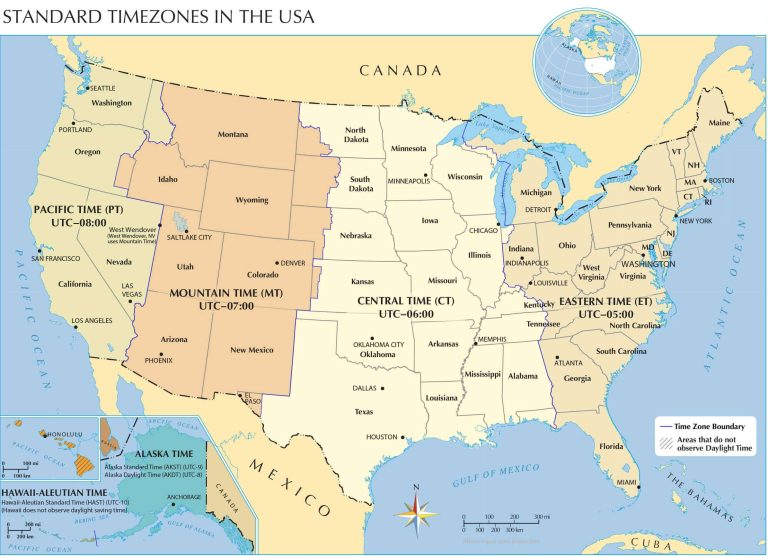
Right now, California observes either Pacific Standard Time (PST) or Pacific Daylight Time (PDT), depending on the time of year. This distinction is vital for anyone planning to immerse themselves in the state’s rich culture, explore its natural wonders, or conduct business. Whether you’re coordinating a meeting in Silicon Valley, timing your visit to Disneyland, or catching a sunset over the Pacific Ocean, a firm grasp of the local time zone ensures your California adventure unfolds without a hitch. This comprehensive guide will delve into the intricacies of California’s time zone, offering insights and practical tips for every kind of traveler.
Navigating California’s Time Zone: PST vs. PDT
Understanding the ebb and flow of California’s time zone is fundamental for any traveler. The state operates on the Pacific Time Zone, which alternates between Standard and Daylight Saving observations. This shift can often be a source of confusion, but with a little clarity, it becomes easy to navigate.
Understanding Pacific Standard Time (PST)
Pacific Standard Time (PST) is the standard time observed across California during the fall and winter months. It is defined as UTC-8, meaning it is eight hours behind Coordinated Universal Time (UTC). This means that when it’s noon UTC, it’s 4 AM PST. This time zone also covers other western states like Washington, Oregon, and Nevada, as well as parts of Canada and Mexico. For travelers, knowing that California is on PST from early November until mid-March is crucial for scheduling arrivals, connecting flights, and ensuring hotel check-ins align with actual local time. If you’re planning a cozy winter getaway to Lake Tahoe or a festive holiday visit to Los Angeles, remember that sunset will occur earlier, impacting your daylight hours for outdoor activities. Many iconic landmarks, like the Golden Gate Bridge in San Francisco or the Hollywood Sign, take on a different, often more dramatic, lighting during these shorter days. It’s also important for coordinating with tour operators and ensuring you arrive promptly for pre-booked experiences, like a wine tasting tour in Napa Valley or a visit to the Getty Center.
Embracing Pacific Daylight Time (PDT)
As spring arrives, California “springs forward” into Pacific Daylight Time (PDT). This typically occurs on the second Sunday in March when clocks are moved forward by one hour, making it UTC-7. PDT remains in effect until the first Sunday in November, when clocks “fall back” to PST. The implementation of daylight saving time means that evenings are longer, offering more daylight hours for recreation, exploration, and enjoying California’s outdoor lifestyle. Imagine catching a baseball game in San Diego and still having ample light for a stroll along the Gaslamp Quarter, or hiking in Yosemite National Park well into the late afternoon. This extra hour of daylight is a boon for tourism, allowing for extended visits to attractions like Universal Studios Hollywood or leisurely drives along Highway 1 through Big Sur. Hotels often adjust their activity schedules to maximize these longer days, from poolside events to evening entertainment. For families, the extended daylight can mean more time at theme parks or enjoying the beaches of Santa Monica and Venice Beach. Business travelers will also find that PDT shifts their working hours, potentially making it easier to connect with colleagues on the East Coast of the United States without overly early morning calls.
The Traveler’s Perspective: Planning Your California Adventure
For travelers, understanding California’s time zone goes beyond simply knowing what time it is. It’s about strategic planning, minimizing discomfort, and maximizing every moment of your journey.
Battling Jet Lag: Tips for a Smooth Transition
Jet lag can significantly detract from the initial days of your California vacation, especially if you’re arriving from distant time zones like Europe or Asia. The disruption to your body’s natural circadian rhythm can lead to fatigue, irritability, and difficulty sleeping. However, proactive steps can make your transition much smoother.
- Adjust Before You Arrive: A few days before your trip, try to gradually shift your sleep schedule towards California time. If you’re flying west, try going to bed an hour or two later.
- Hydration is Key: Air travel can be dehydrating, exacerbating jet lag symptoms. Drink plenty of water before, during, and after your flight. Avoid excessive alcohol and caffeine, which can interfere with sleep.
- Embrace Natural Light: Upon arrival, expose yourself to natural light as much as possible, especially in the morning. This helps reset your internal clock. Take a walk along San Francisco’s Embarcadero or explore the Santa Monica Pier under the morning sun.
- Strategic Napping: If you must nap, keep it short (20-30 minutes) and avoid napping too late in the afternoon, which can interfere with nighttime sleep.
- Choose the Right Accommodation: Many luxury resorts and boutique hotels in California offer amenities designed to combat jet lag. Look for rooms with blackout curtains, comfortable bedding, and access to wellness facilities like spas or gyms. Some hotels, especially in major cities like Los Angeles and San Francisco, may even offer specialized jet lag recovery services or amenities upon request. Booking a stay at a place like the Ritz-Carlton, Laguna Niguel or the Fairmont San Francisco can provide the ideal environment for recovery.
Optimizing Your Itinerary: Time Zone Considerations
The time zone directly impacts the practicalities of your travel itinerary. From booking flights to dining reservations, a little foresight can save you stress.
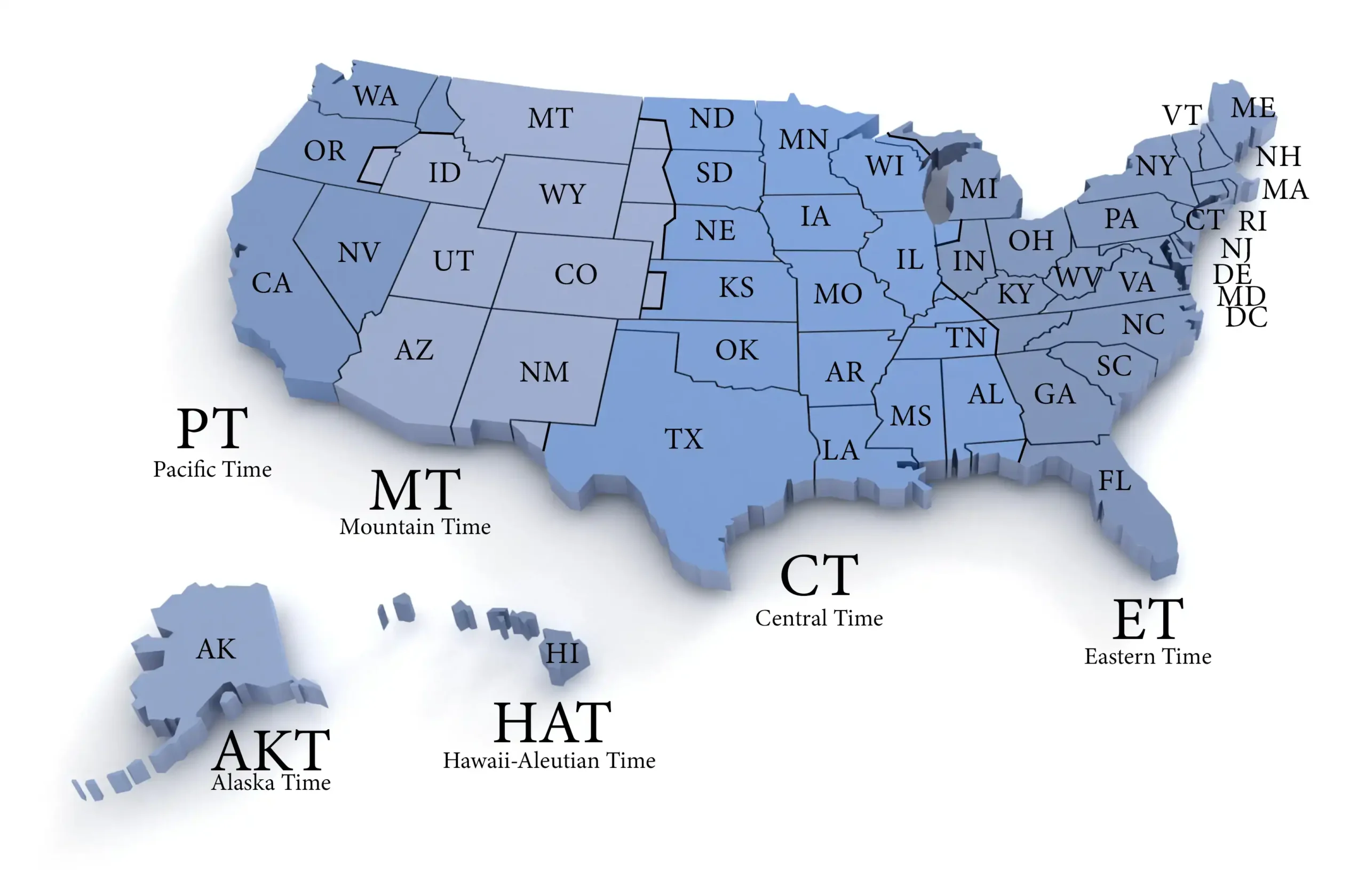
- Flight and Hotel Bookings: Always confirm flight arrival and departure times in local time. When booking hotels, note the check-in and check-out times, which are always based on the hotel’s local time zone. A late arrival from the East Coast might mean missing dinner if you haven’t factored in the time difference. Conversely, an early morning flight from San Francisco to New York City might feel even earlier due to the time zone shift.
- Attraction Opening Hours: Famous California attractions, from Disneyland Park and Disney California Adventure Park in Anaheim to Alcatraz Island and the California Academy of Sciences in San Francisco, operate on strict schedules. Always double-check their opening and closing times, especially during seasonal shifts to PDT or PST, as these can impact how much you can fit into your day.
- Dining and Entertainment: Popular restaurants, especially in culinary hotspots like San Francisco, Napa Valley, or Los Angeles, require reservations well in advance. Be mindful of the time difference when making these, particularly if you’re booking from outside California. The same applies to showtimes for Broadway productions in San Francisco or concerts at the Hollywood Bowl.
- Coordinating with Others: If you’re traveling with friends or family arriving from different locations, or if you need to stay in touch with work or home, clearly communicate using California local time. This avoids confusion and missed connections.
Business and Remote Work in California
For business travelers or digital nomads choosing California for an extended stay, the time zone presents a unique set of challenges and opportunities. While the innovation hubs of Silicon Valley and Los Angeles thrive on PST/PDT, coordinating with teams on the East Coast or in Europe requires careful management. Early morning calls are often necessary to bridge the time gap with New York or London. Conversely, late afternoon in California might mean early morning for colleagues in Asia. Many business-friendly hotels and long-term accommodation options, particularly in cities like San Jose, Oakland, and Sacramento, are equipped with robust Wi-Fi and dedicated workspaces to facilitate remote work across time zones. Consider booking a stay at a hotel like the Grand Hyatt San Francisco or the Waldorf Astoria Beverly Hills, which cater to the needs of the modern business traveler.
Experiencing California Through Its Time Zone
The time zone isn’t just a number; it shapes the rhythm of daily life and influences how you experience the state’s diverse offerings.
Sunrise to Sunset: Making the Most of Daylight
California’s generous daylight hours, especially during PDT, offer unparalleled opportunities for exploration. Imagine starting your day with a breathtaking sunrise hike in Joshua Tree National Park, where the unique desert landscape glows under the morning light. Or perhaps a leisurely breakfast overlooking the ocean in Malibu before heading out for a surf lesson.
The longer evenings in summer mean you can truly savor attractions. After visiting Griffith Observatory in Los Angeles during the day, you can stay to witness a spectacular sunset over the city skyline, followed by stargazing. In Northern California, a visit to the giant Redwood National Park can extend further into the evening, allowing for peaceful walks among ancient trees. Evenings provide ample time for scenic drives along the coastline, ending with dinner at a seaside restaurant. For those exploring the wilderness of Death Valley National Park or Sequoia National Park, extended daylight hours are essential for safe navigation and fully appreciating the vast natural beauty. The timing of your visit relative to PST or PDT will dictate these opportunities, making summer and early fall particularly popular for outdoor adventures.
Culinary Delights and Evening Entertainment
California’s renowned culinary scene and vibrant nightlife are also influenced by the time zone. Restaurant timings often cater to the local rhythm, with dinner services typically starting later in the evening compared to some other regions. In bustling cities like San Francisco and Los Angeles, you’ll find dining establishments, from Michelin-starred restaurants to casual eateries, buzzing well into the night. This allows travelers to enjoy a full day of sightseeing before indulging in a sophisticated dining experience.
Hollywood’s legendary entertainment industry, from movie premieres to live music venues, operates on California time. Catching a show, attending a concert, or exploring the vibrant bar scene in areas like West Hollywood means adjusting your internal clock to fully embrace the local nocturnal rhythm. Even local cultural events, festivals, and farmers’ markets across the state adhere to this schedule. When planning a visit, consider how the local time zone impacts the availability of activities, from a sunset cruise on San Francisco Bay to an evening tasting tour in Temecula Valley.
The Future of Time in California: Daylight Saving Debates
The topic of daylight saving time has been a subject of ongoing debate in California for several years. Prop 7, passed in 2018, gave the state legislature the power to change daylight saving time, potentially making it permanent or abolishing it altogether. While no definitive change has been made yet, the discussions continue.
Current Debates and Potential Changes
The arguments for and against permanent daylight saving time or permanent standard time are complex, touching on economic impact, energy consumption, public health, and lifestyle preferences. Advocates for “locking the clock” (either permanently on PDT or PST) point to potential benefits like fewer traffic accidents, reduced energy use, and improved public health outcomes, avoiding the disruption of “springing forward” and “falling back.” Opponents argue about the impact on agricultural communities or the quality of life for children waiting for school buses in the dark during winter mornings if PDT were permanent.
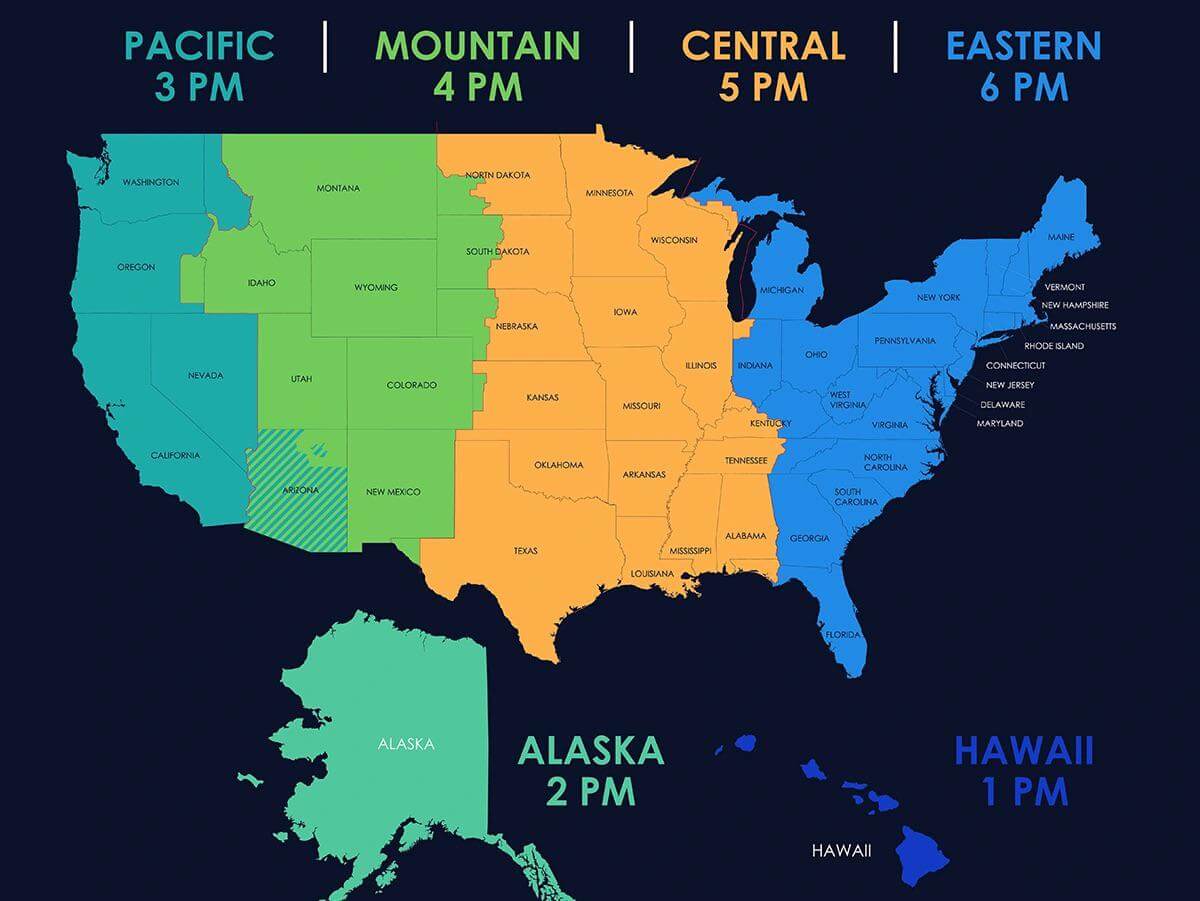
For travelers, any future change to California’s time zone would naturally impact travel planning. If California were to adopt permanent PDT, it would mean consistently later sunrises in winter but also longer daylight evenings year-round. Conversely, permanent PST would result in earlier sunsets throughout the summer. While the current system of switching between PST and PDT remains in place, staying informed about these legislative discussions is prudent for frequent visitors or those planning long-term stays. For now, travelers should continue to factor in the biannual time change into their plans, using resources like the official time.gov website or reliable travel apps to confirm the current local time in California.
In conclusion, understanding “What is California time zone right now?” is far more than a simple geographical fact. It’s an essential element of planning a successful and enjoyable trip to the Golden State. Whether you’re minimizing jet lag, optimizing your itinerary, or simply coordinating with loved ones, being aware of PST and PDT is key. California’s dynamic time zone adds another layer to its unique charm, inviting travelers to embrace its rhythm and make the most of every moment, from the first rays of dawn over the Sierra Nevada mountains to the last glimmer of sunset along its stunning coastline. So set your watches, and prepare for an unforgettable California adventure!
LifeOutOfTheBox is a participant in the Amazon Services LLC Associates Program, an affiliate advertising program designed to provide a means for sites to earn advertising fees by advertising and linking to Amazon.com. Amazon, the Amazon logo, AmazonSupply, and the AmazonSupply logo are trademarks of Amazon.com, Inc. or its affiliates. As an Amazon Associate we earn affiliate commissions from qualifying purchases.